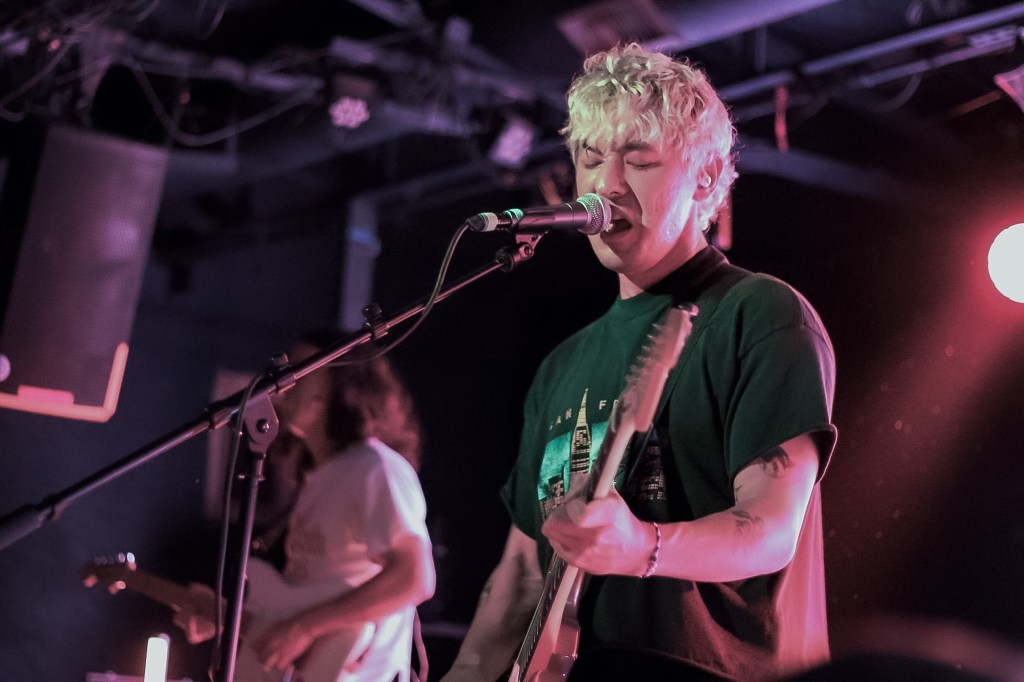
Photos by Camila Zuniga
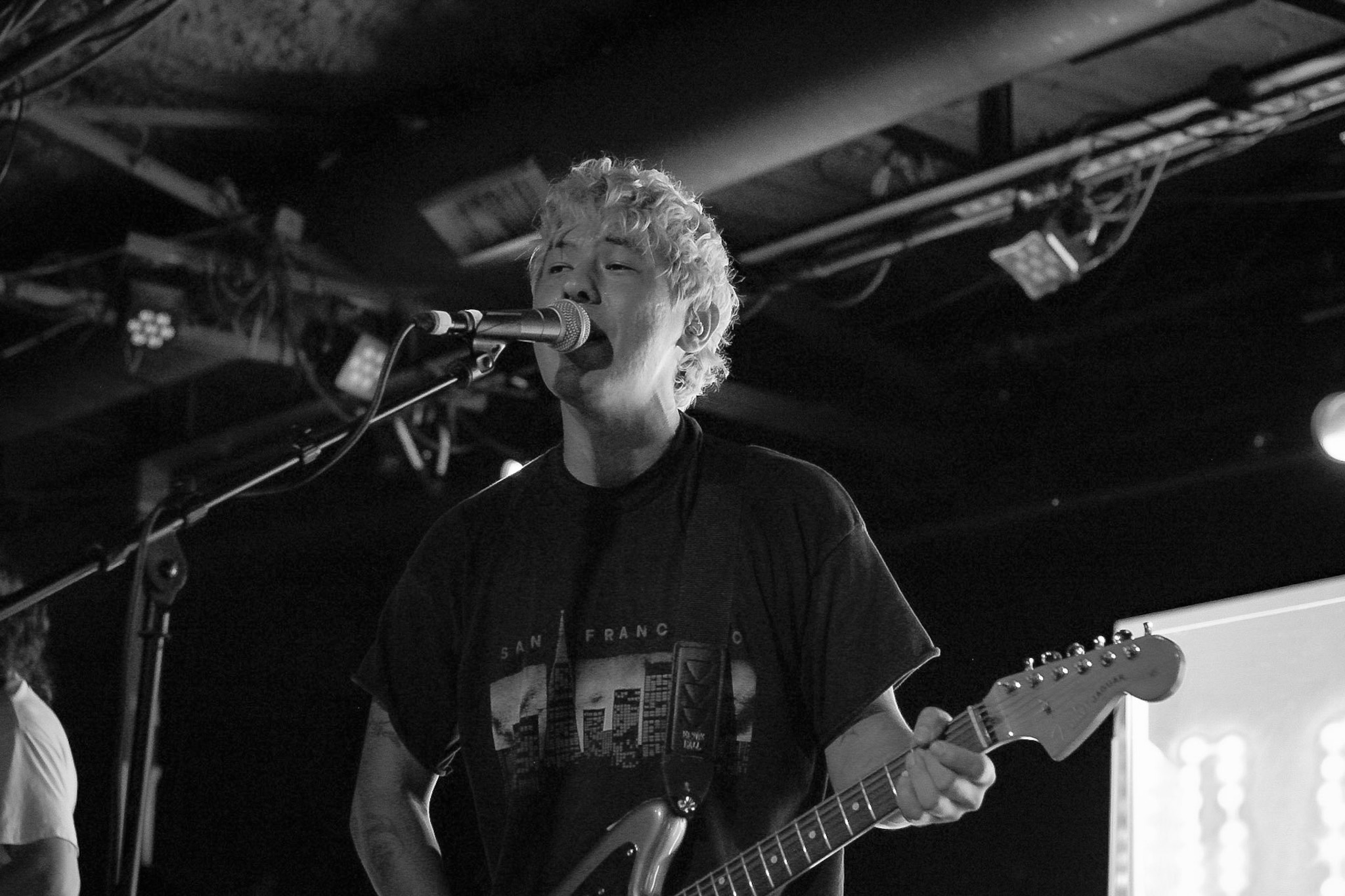
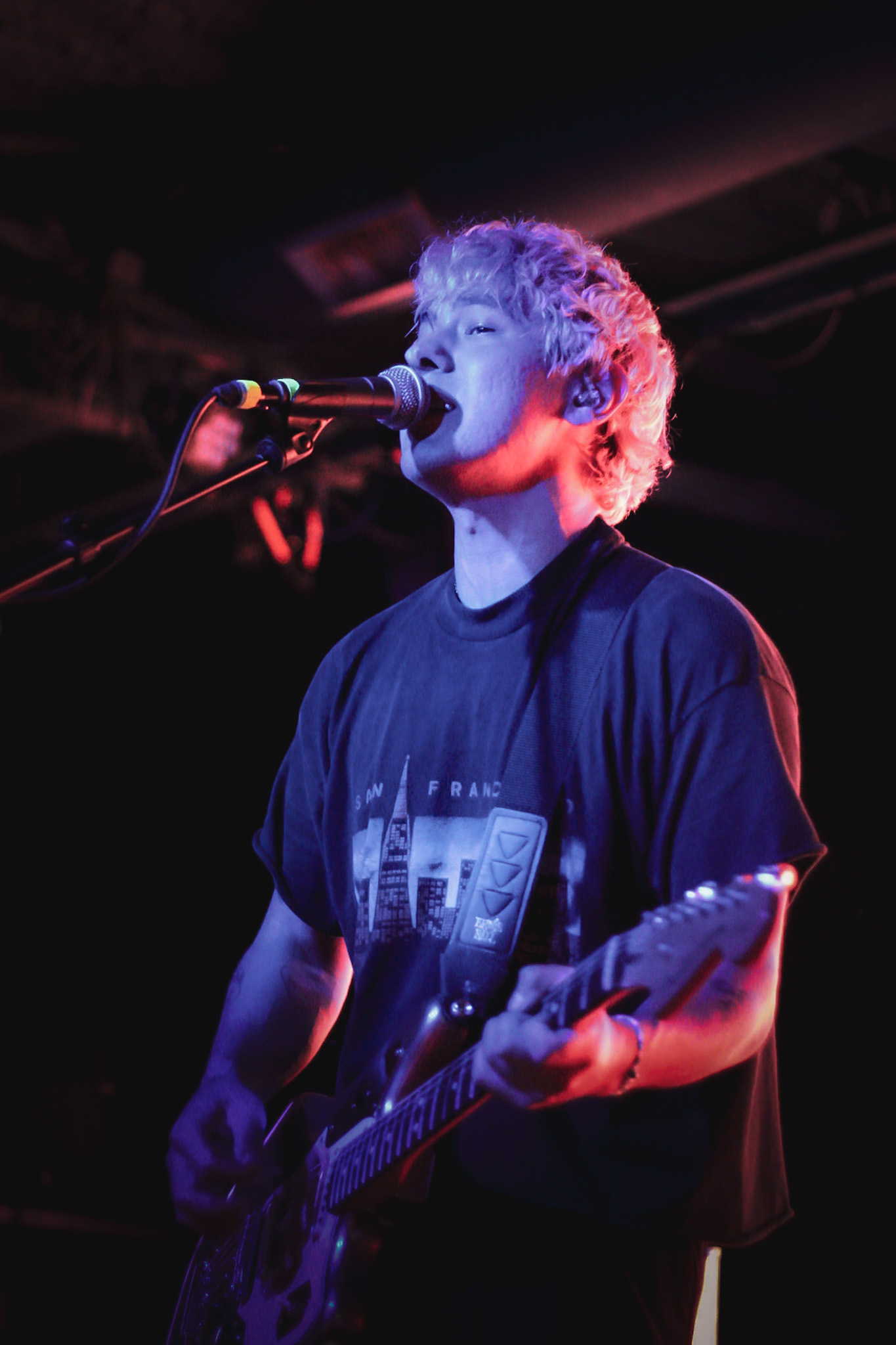
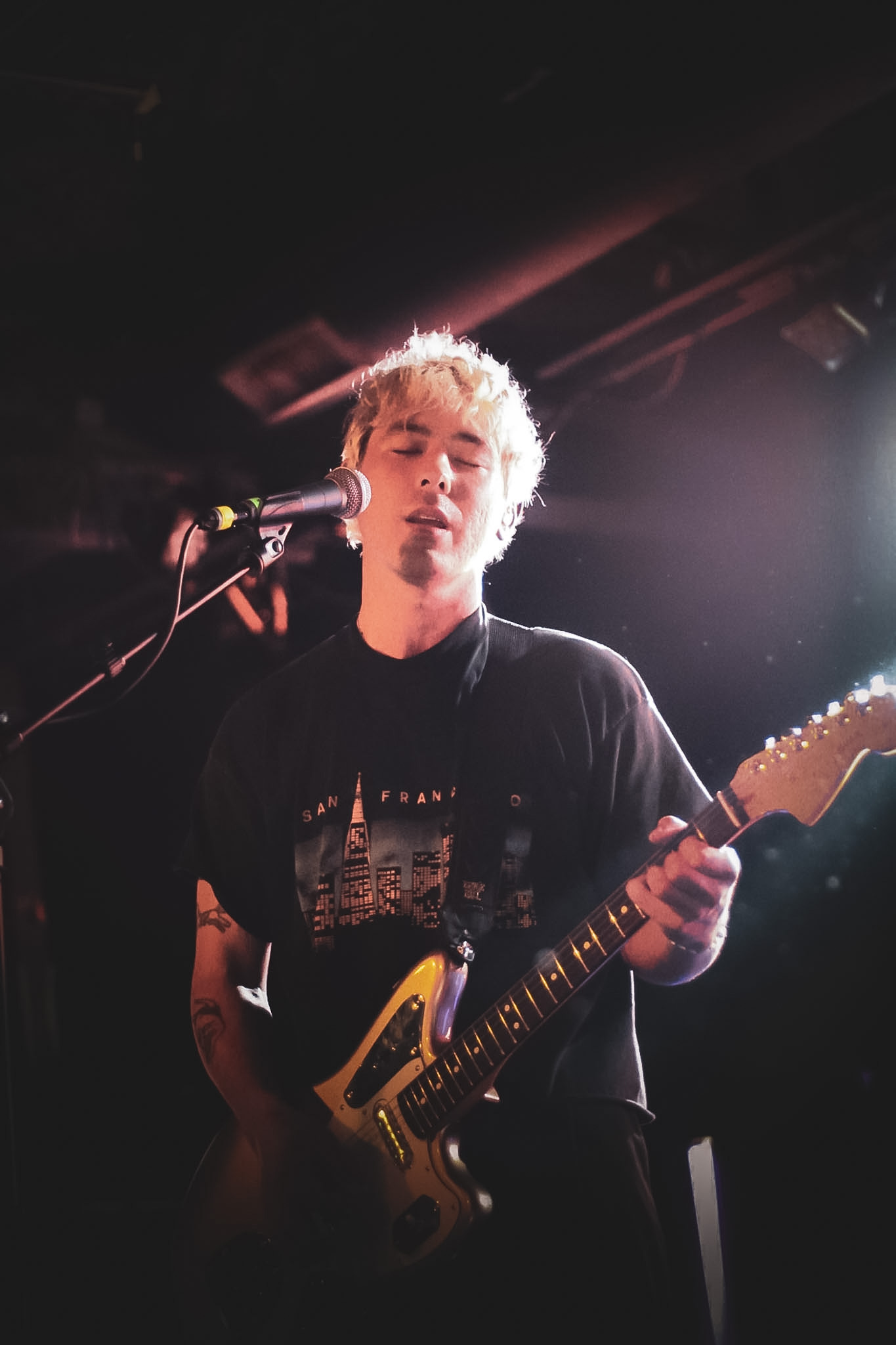
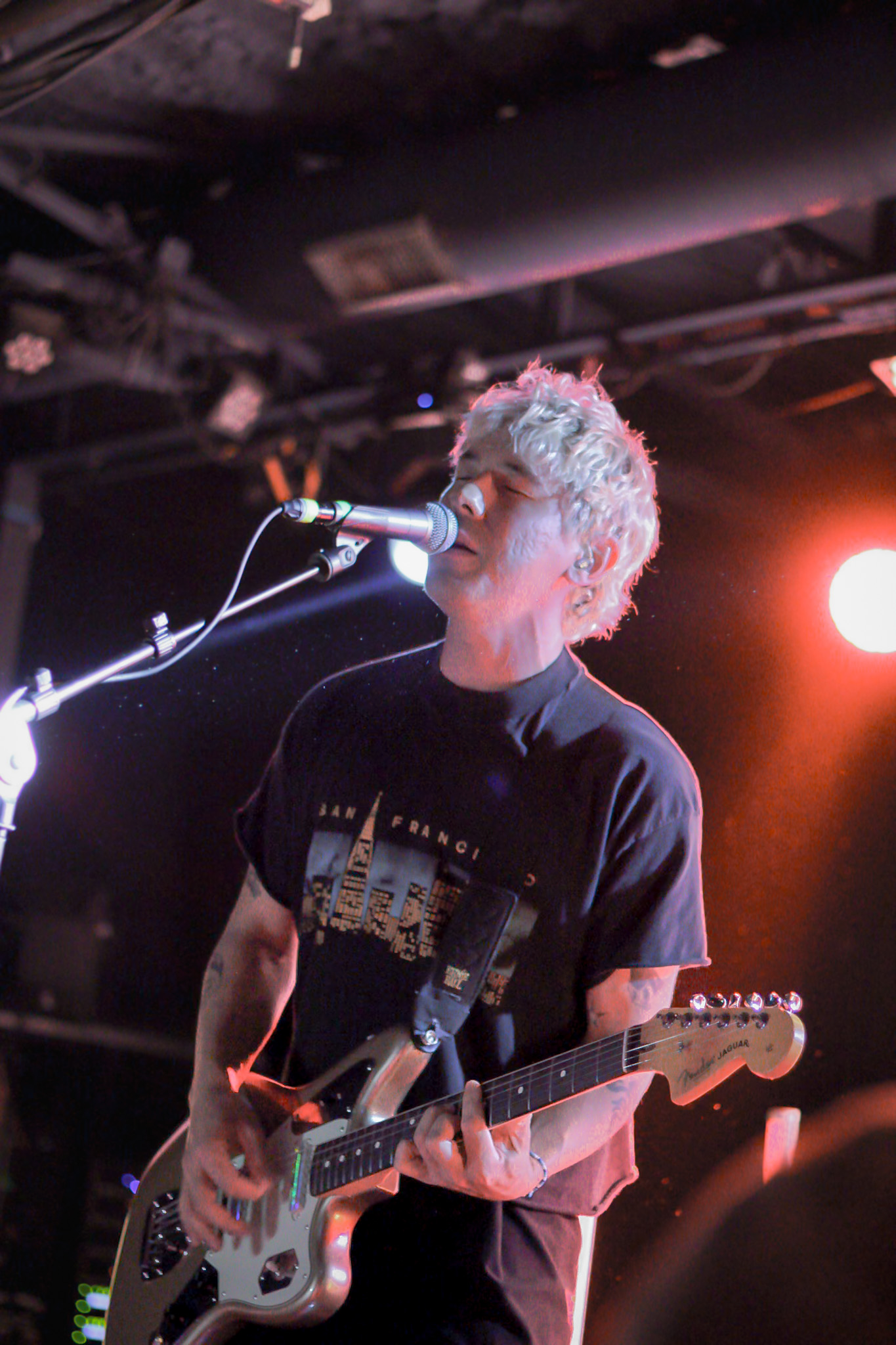
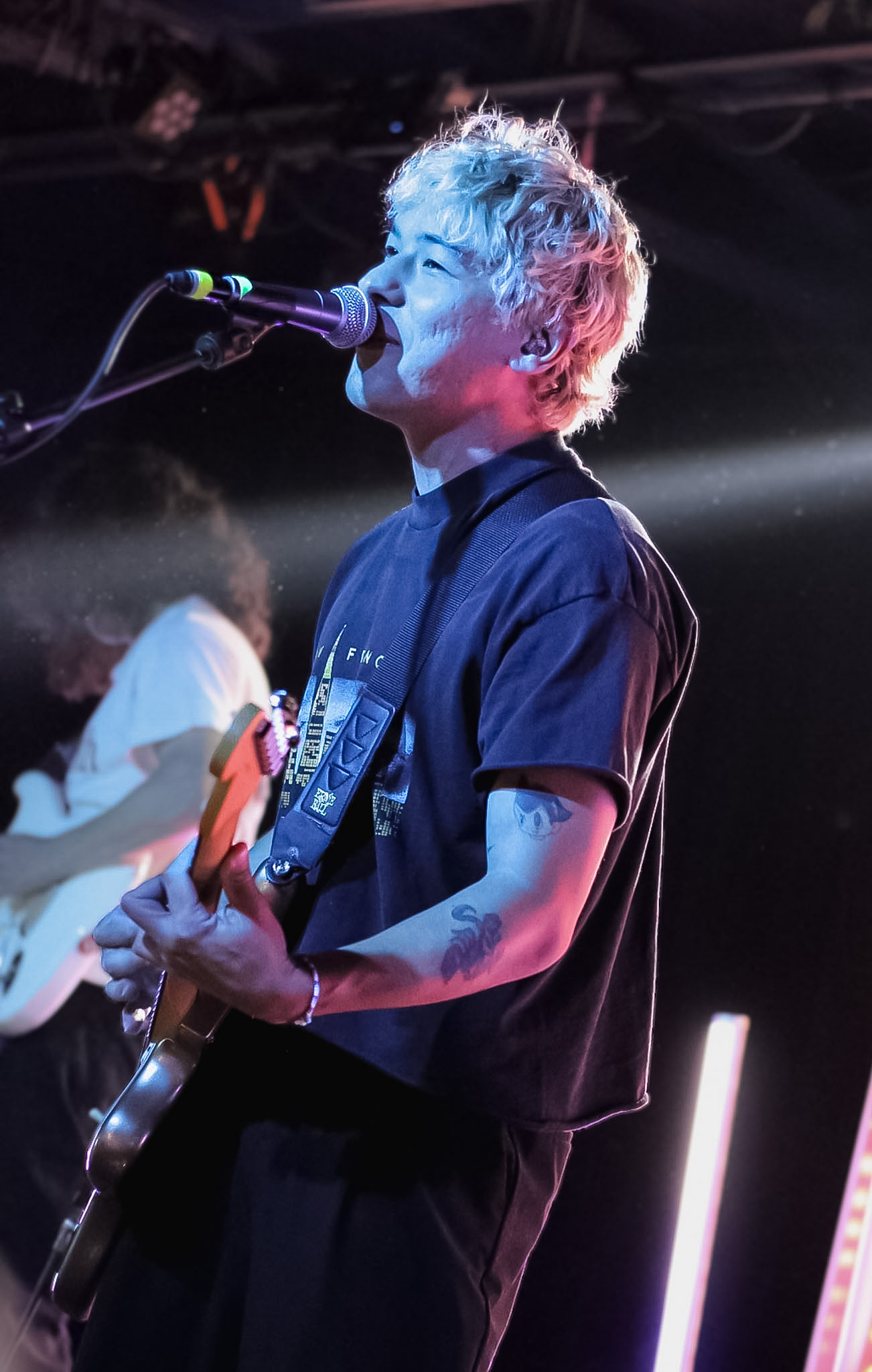
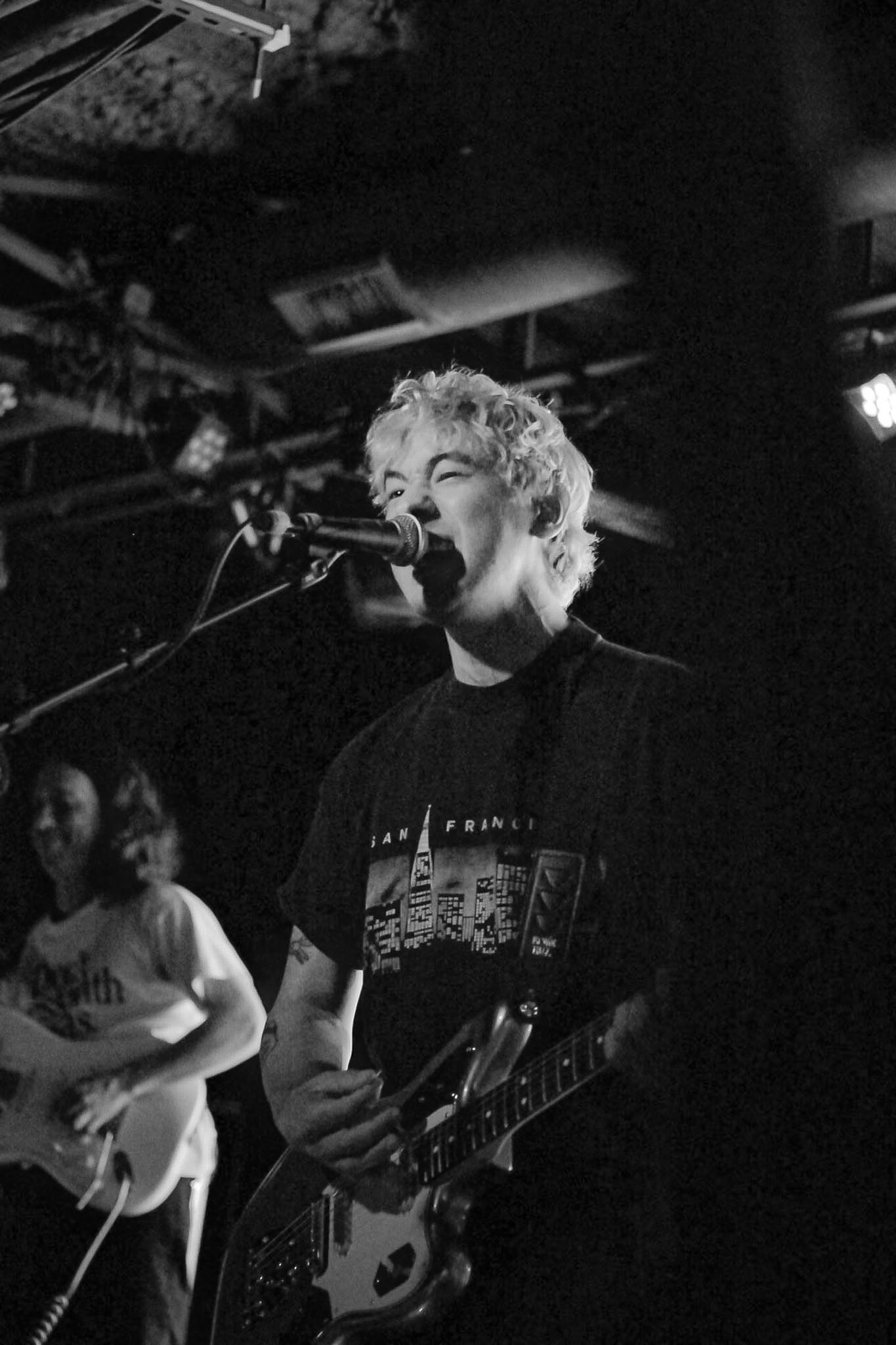
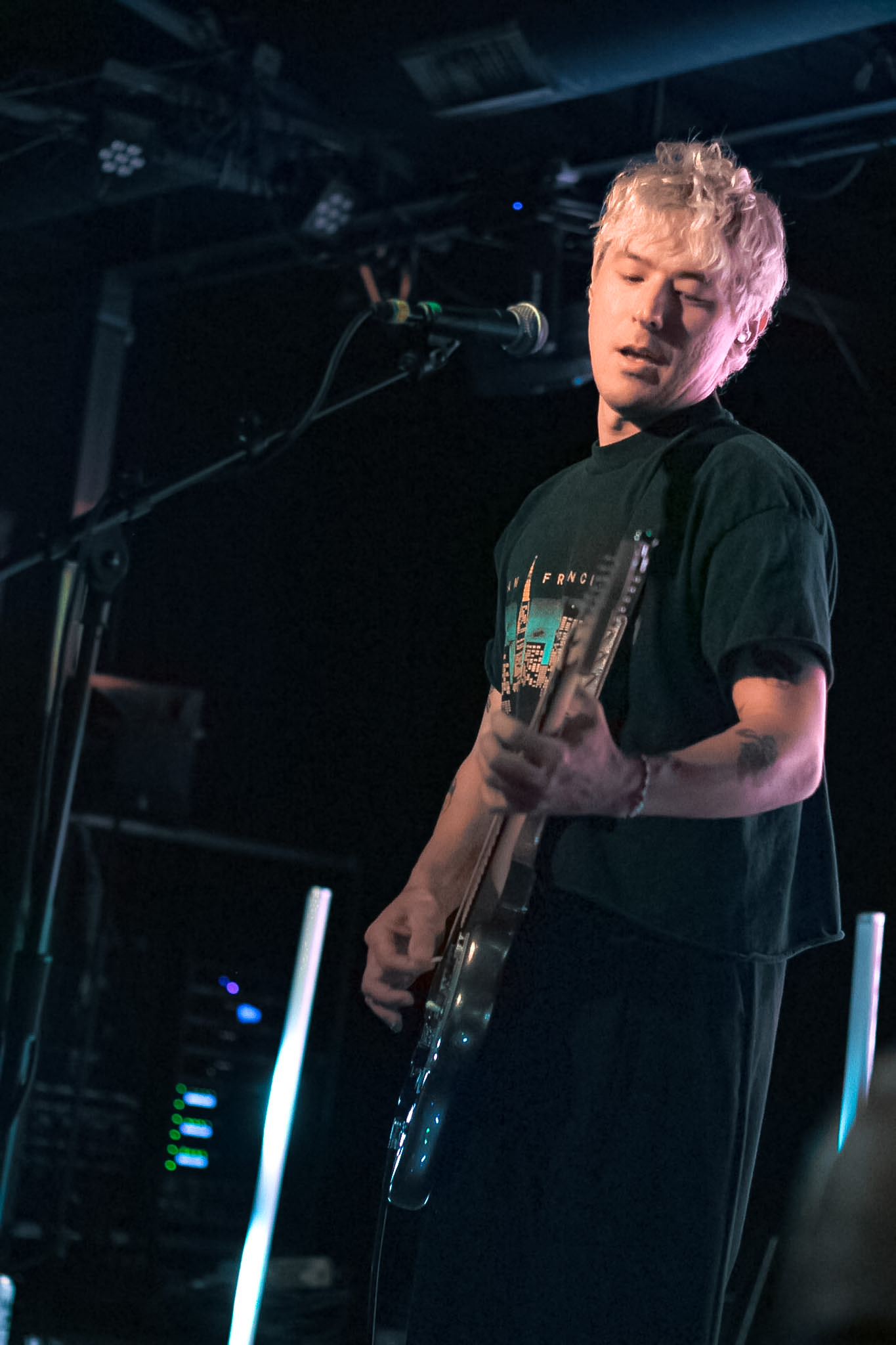

Words by Ruby Kolik
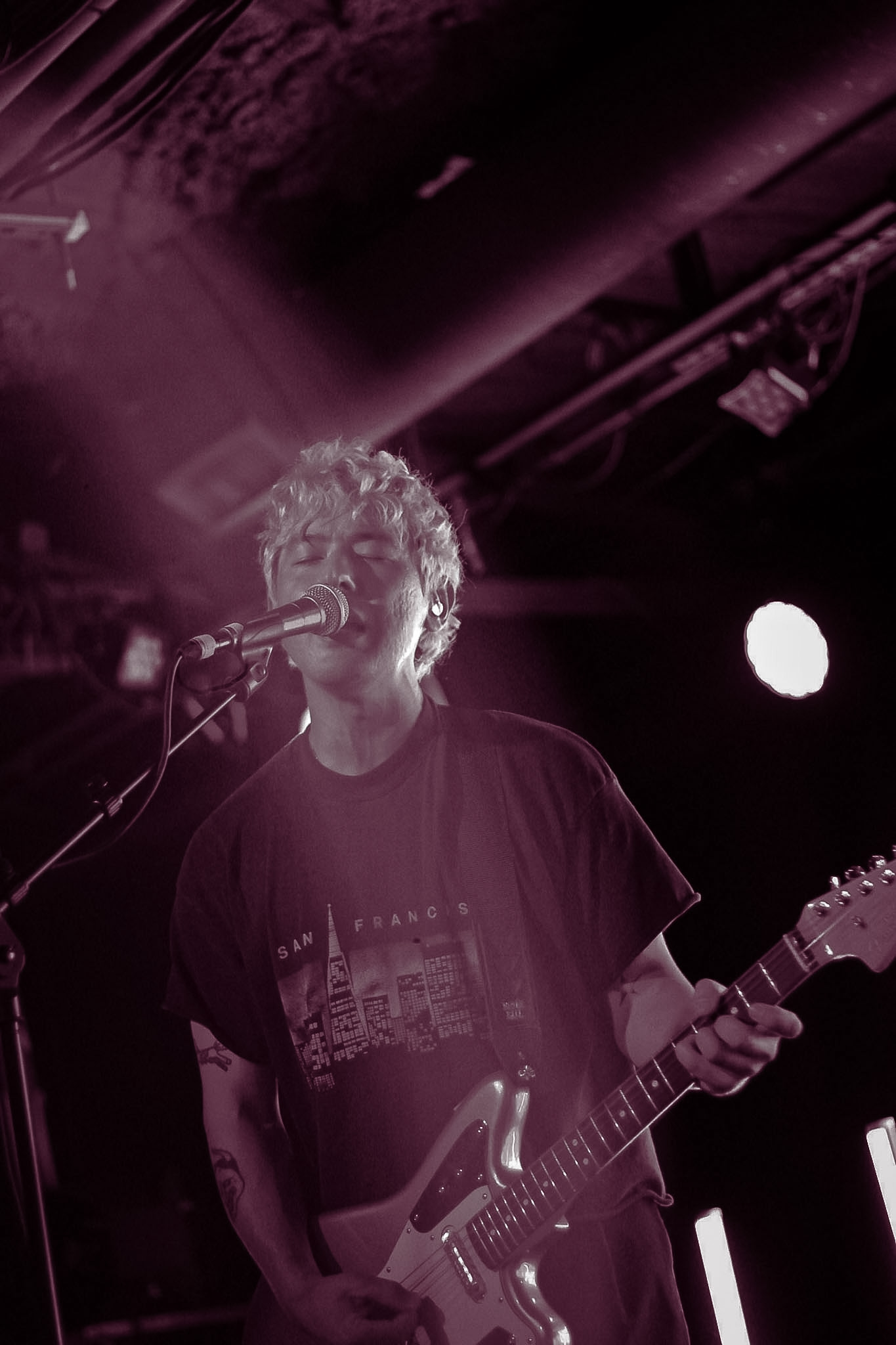
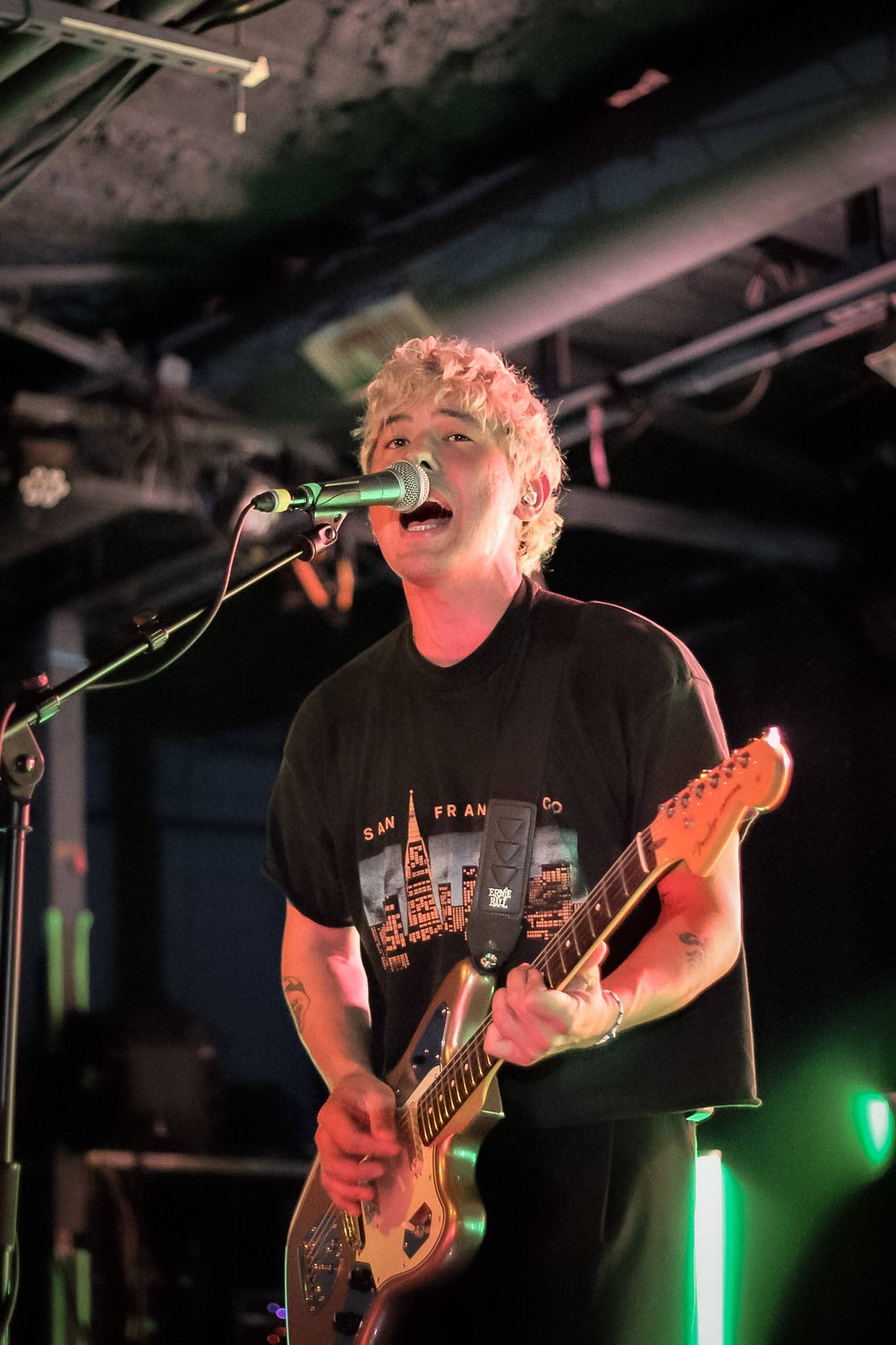
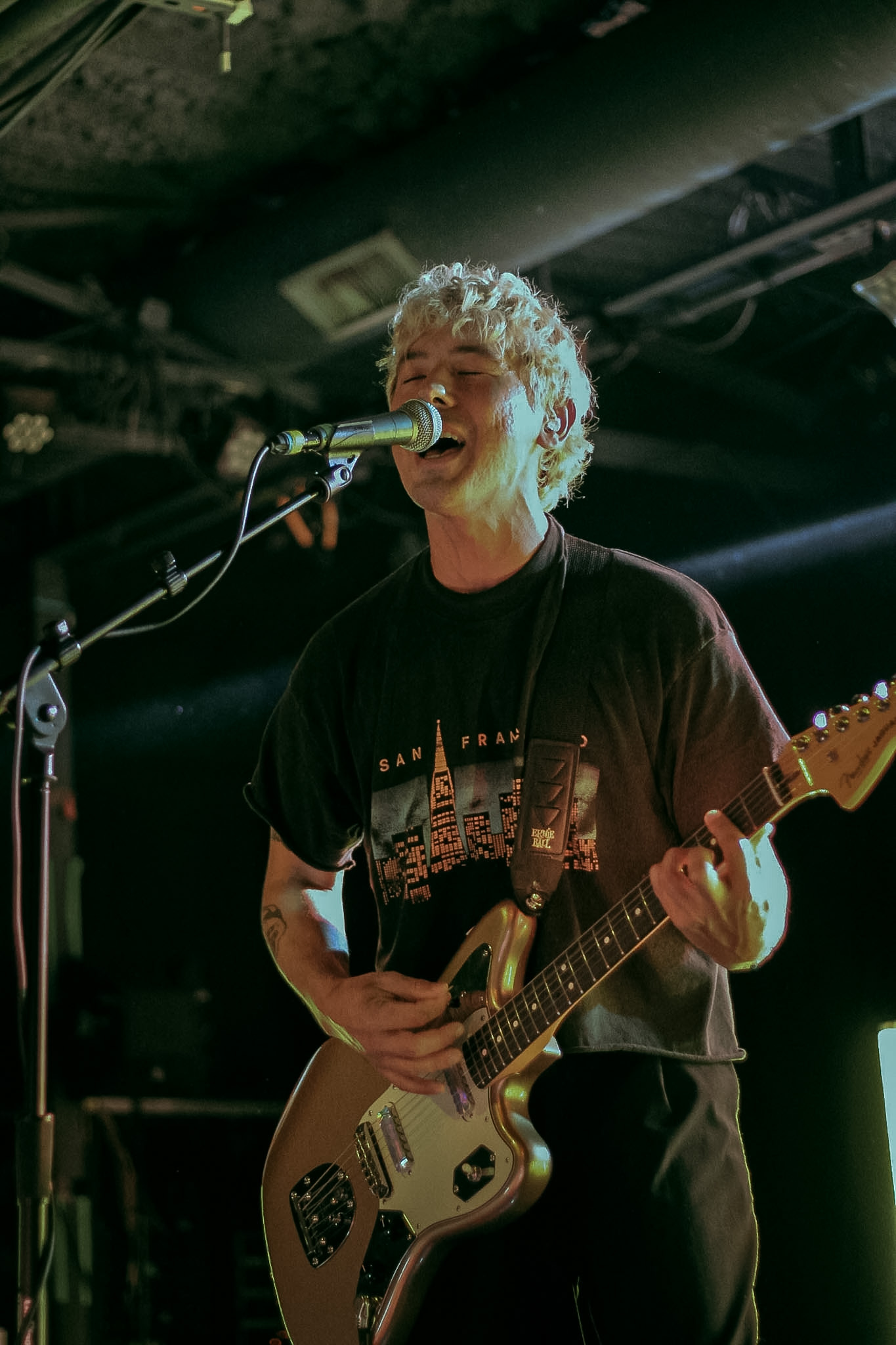
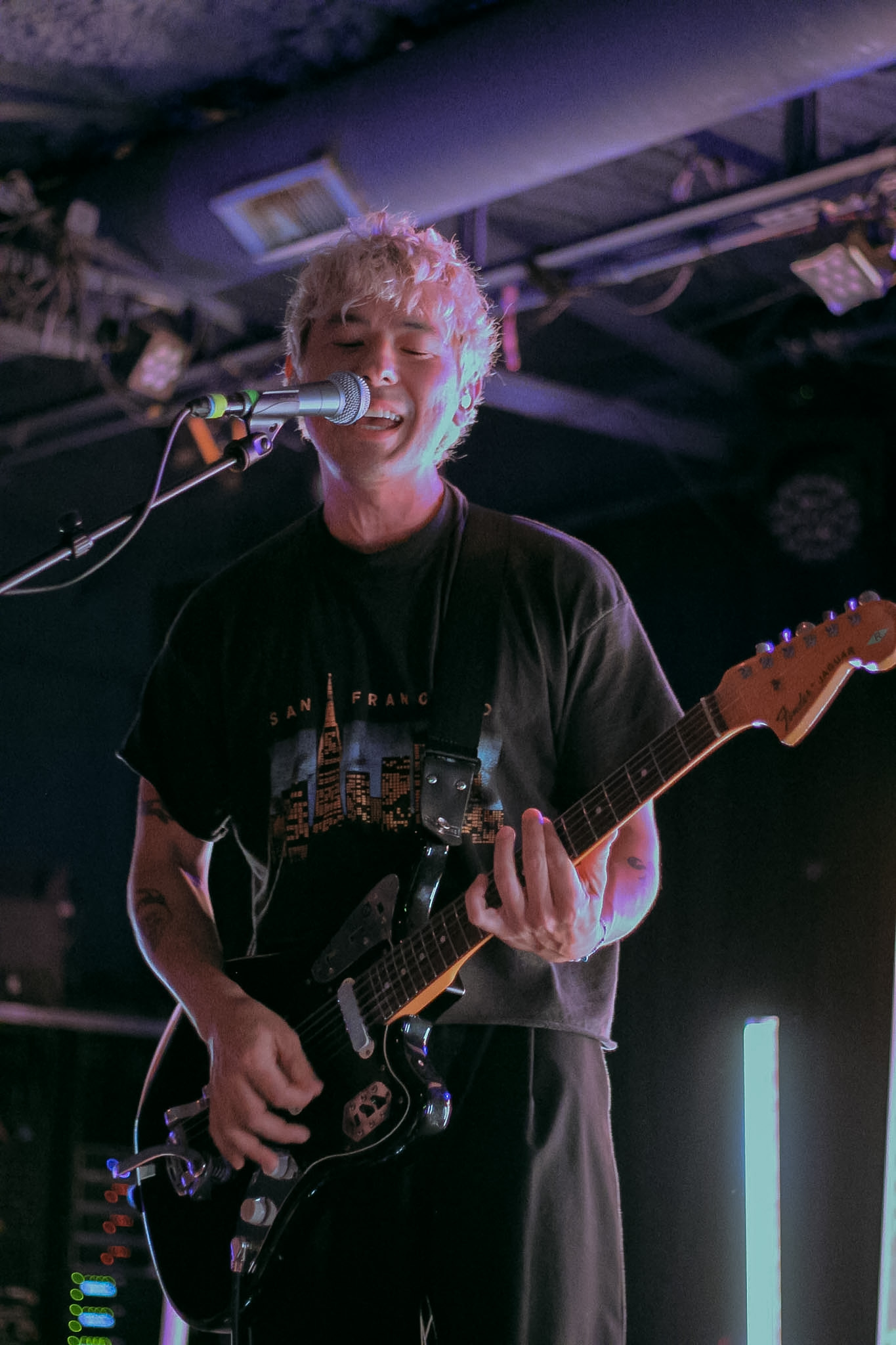
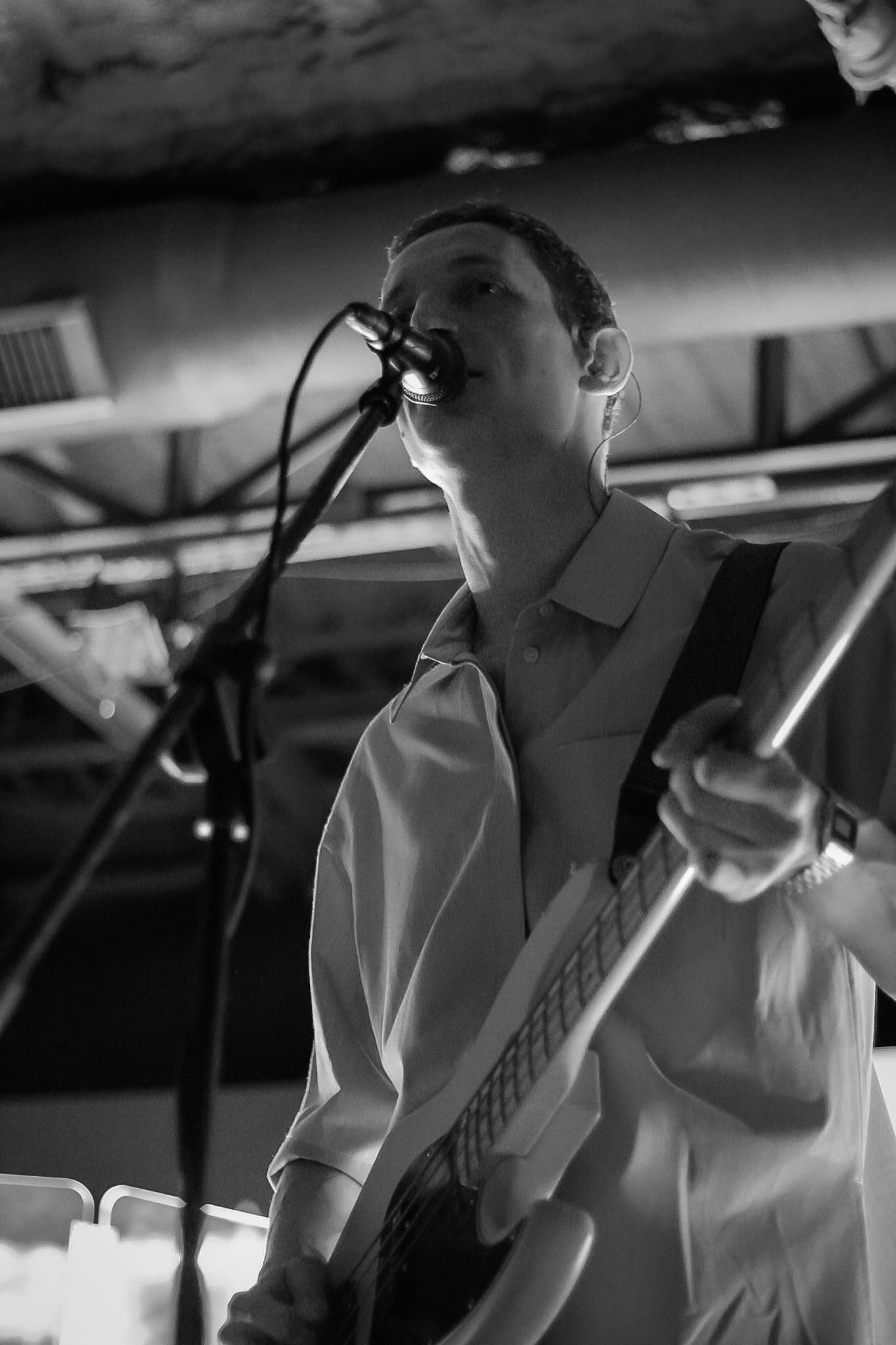
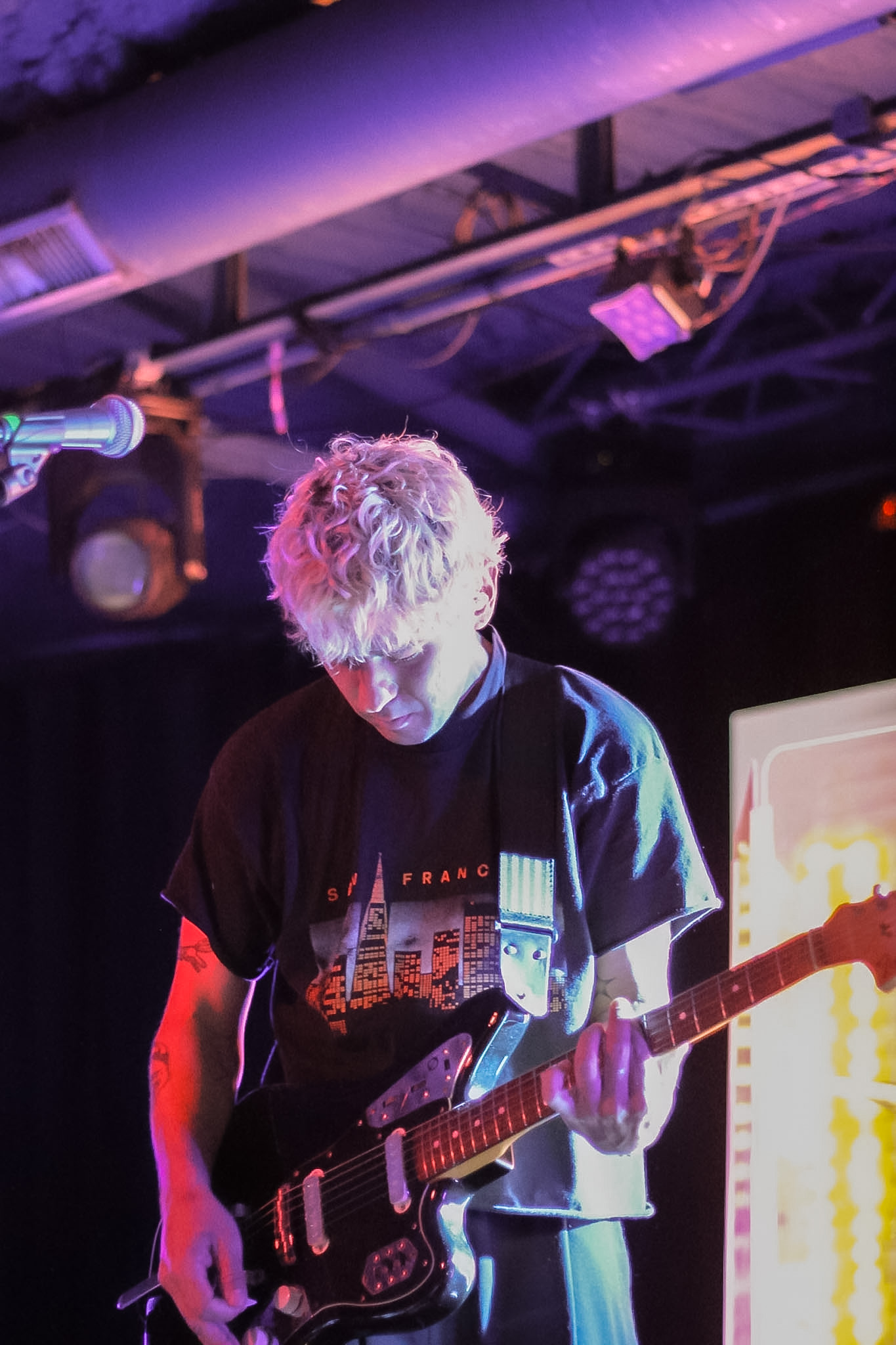
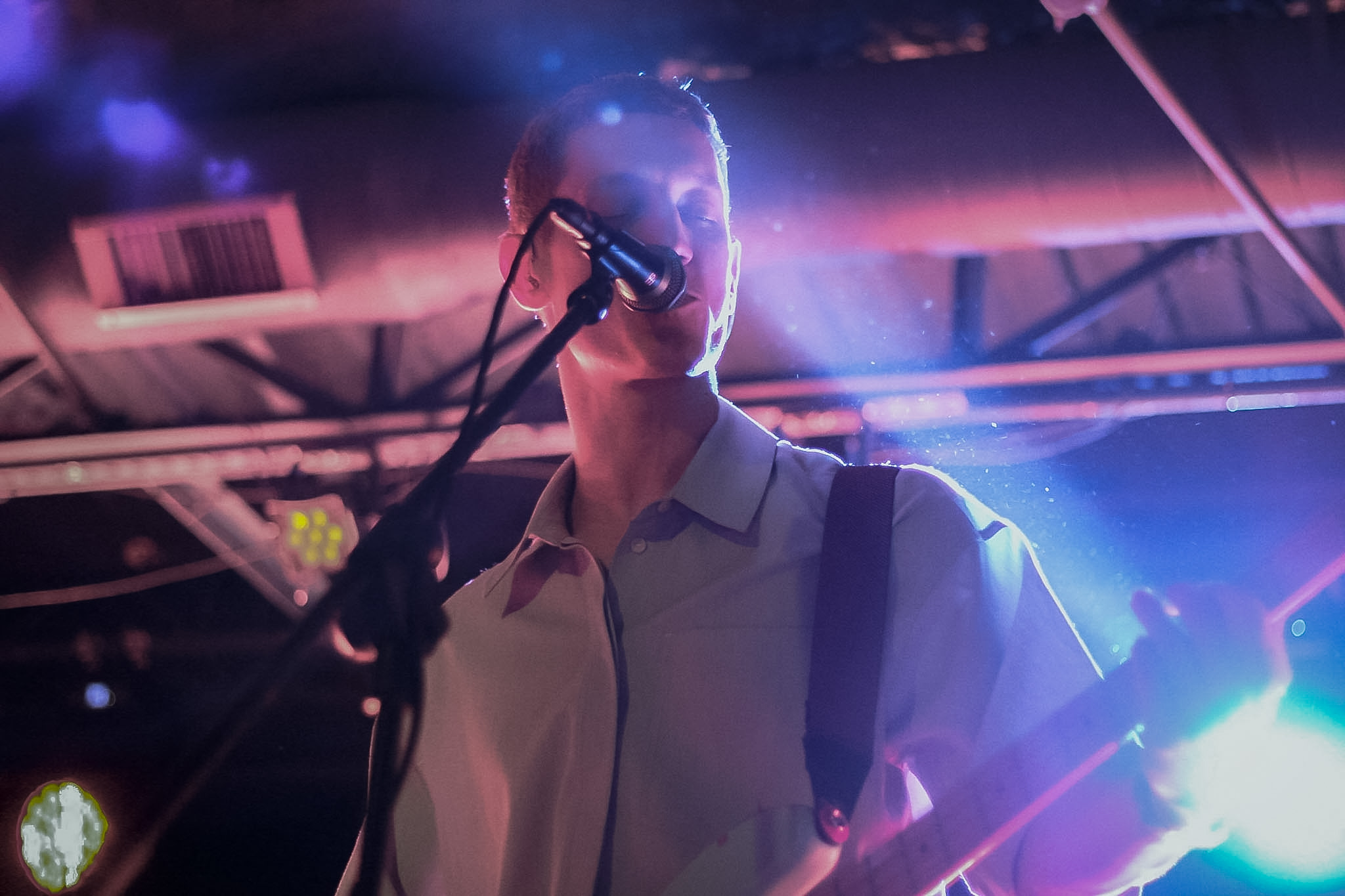
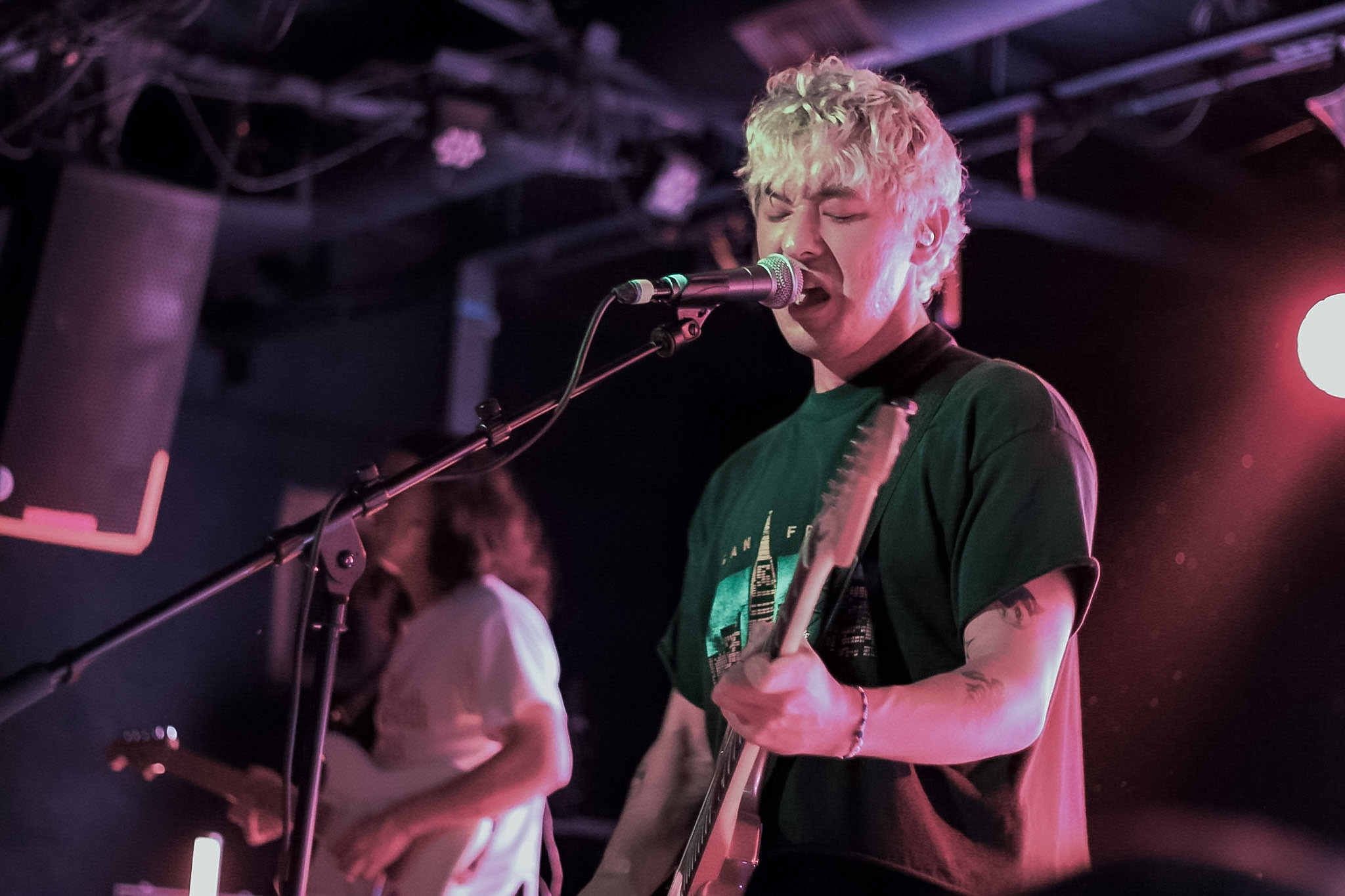
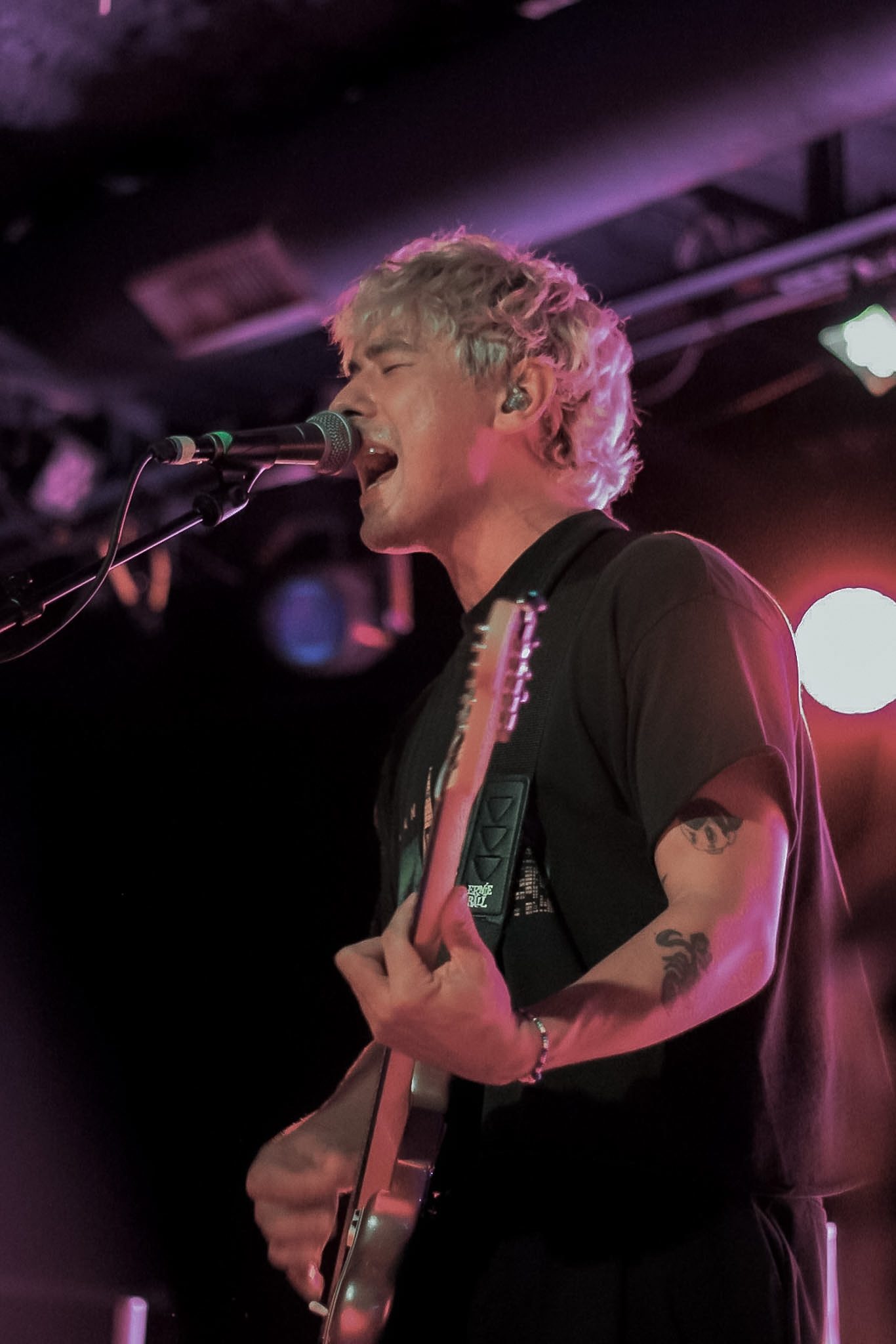
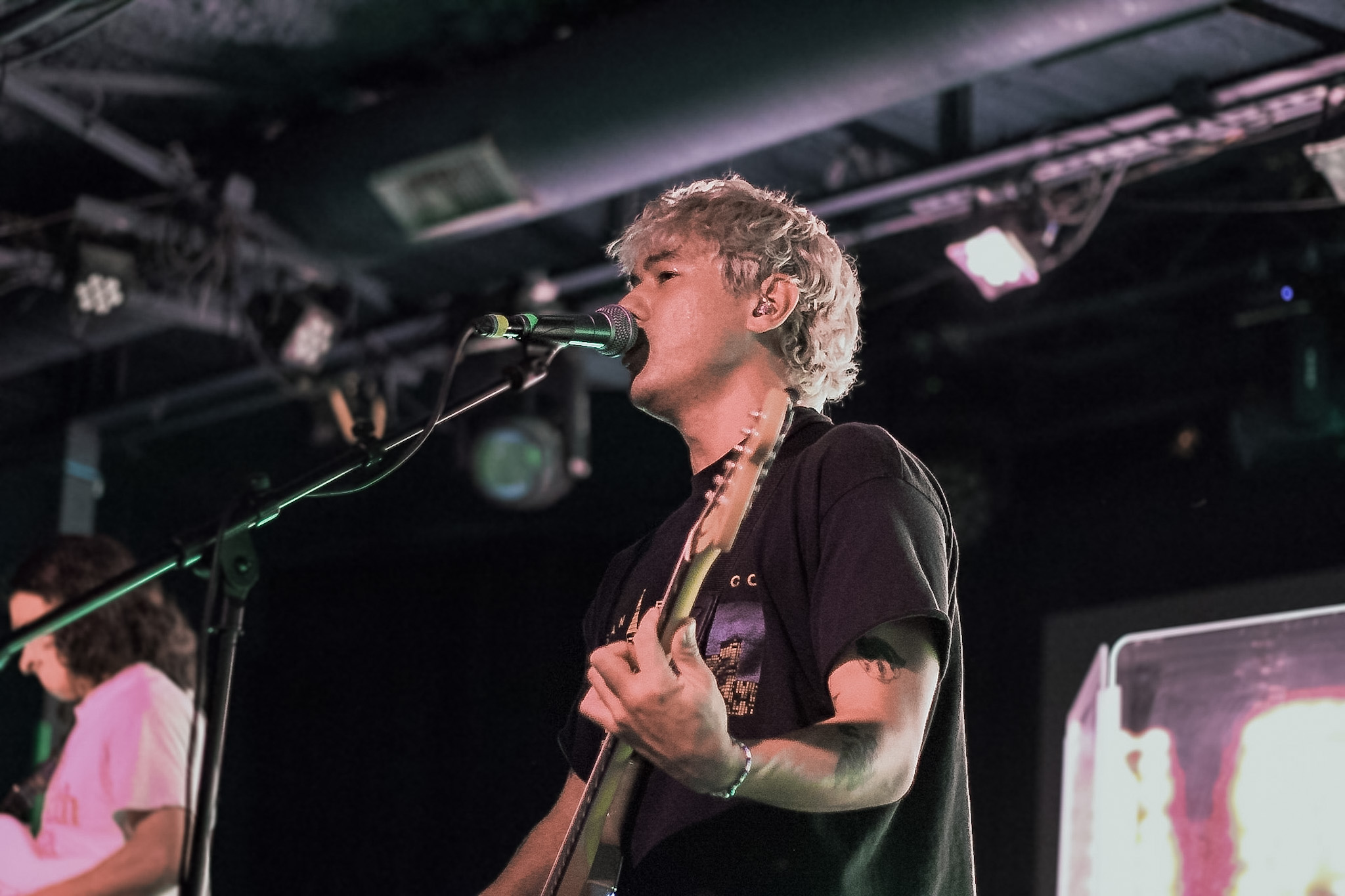
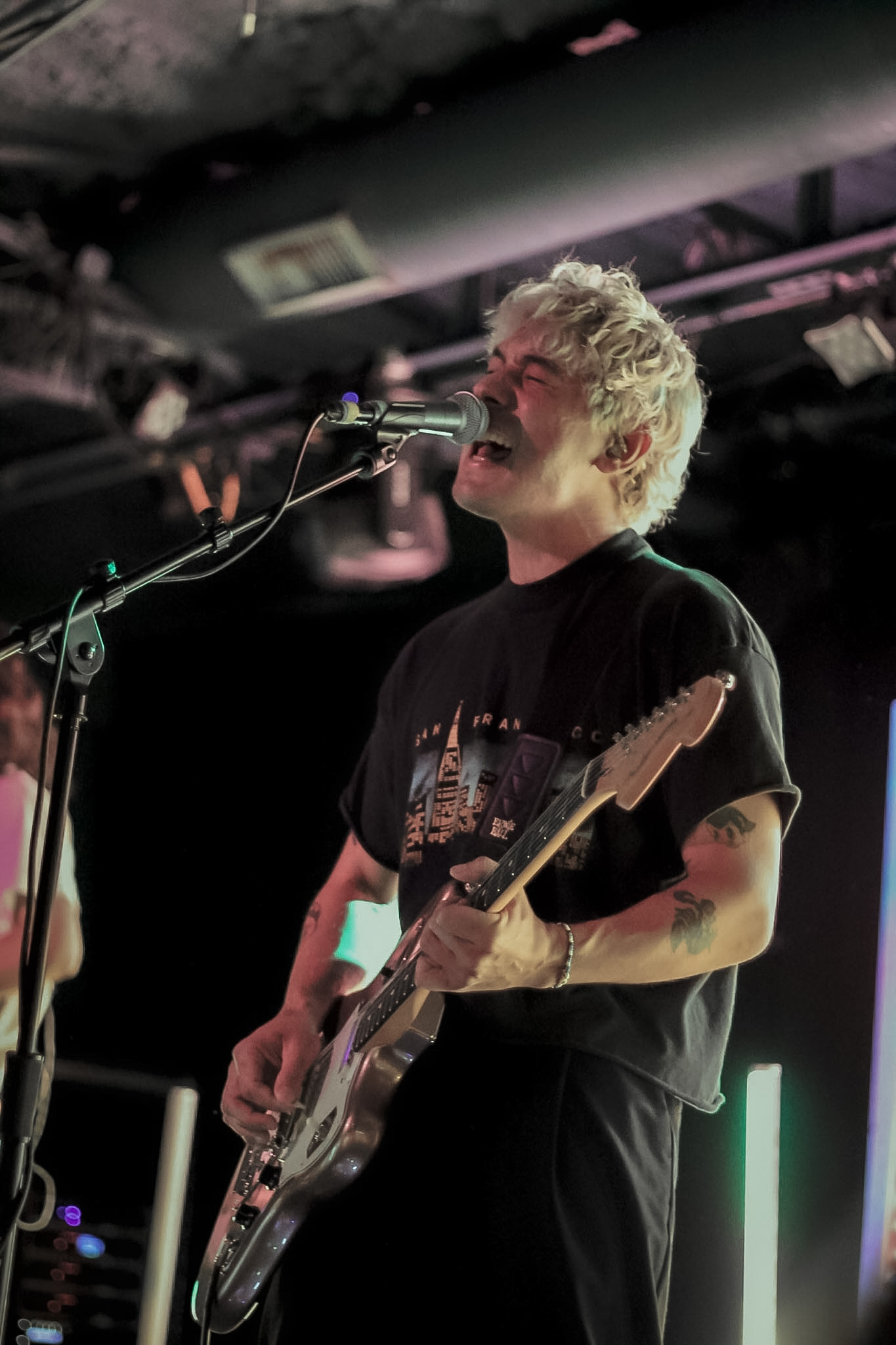
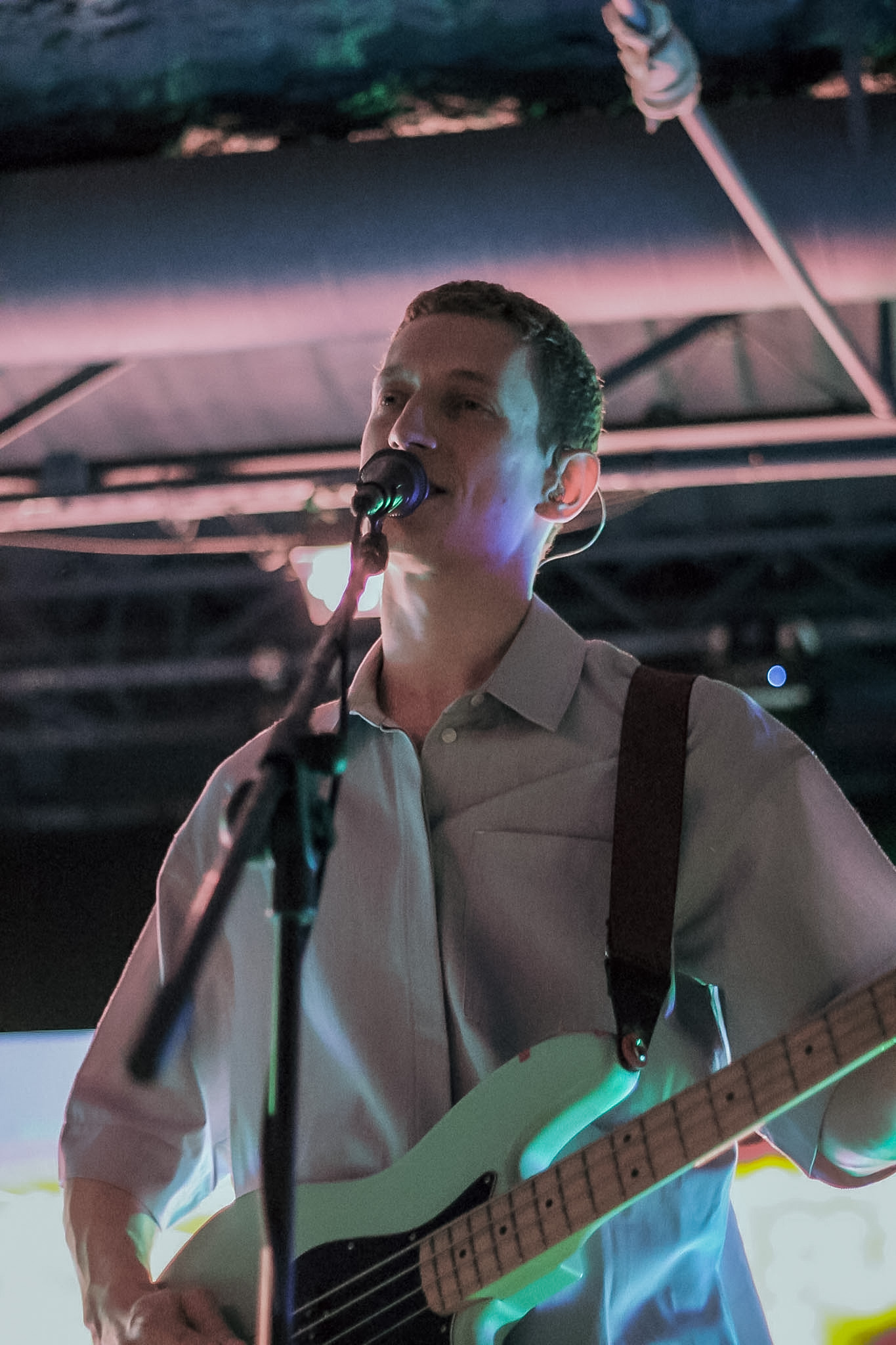
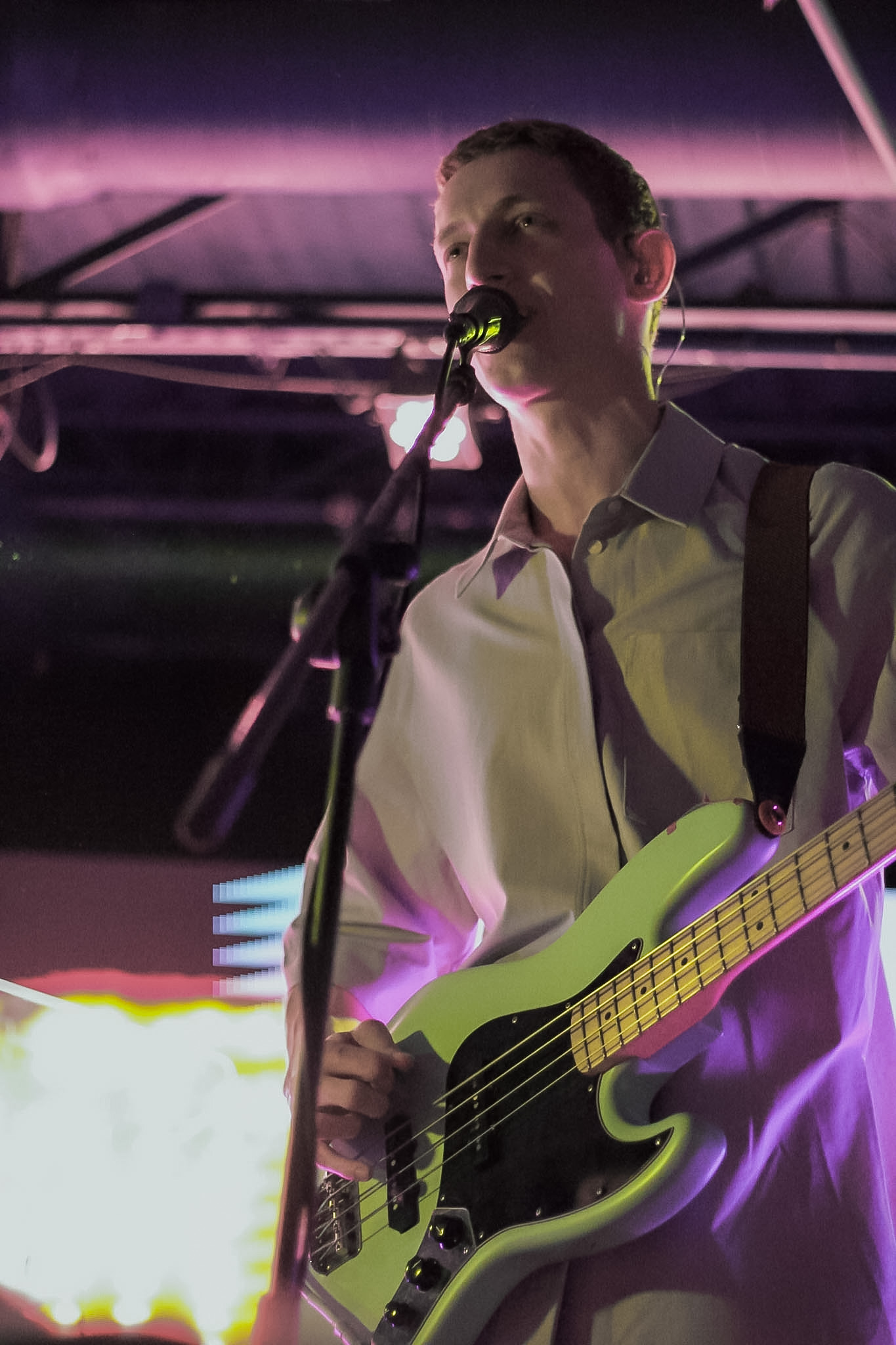
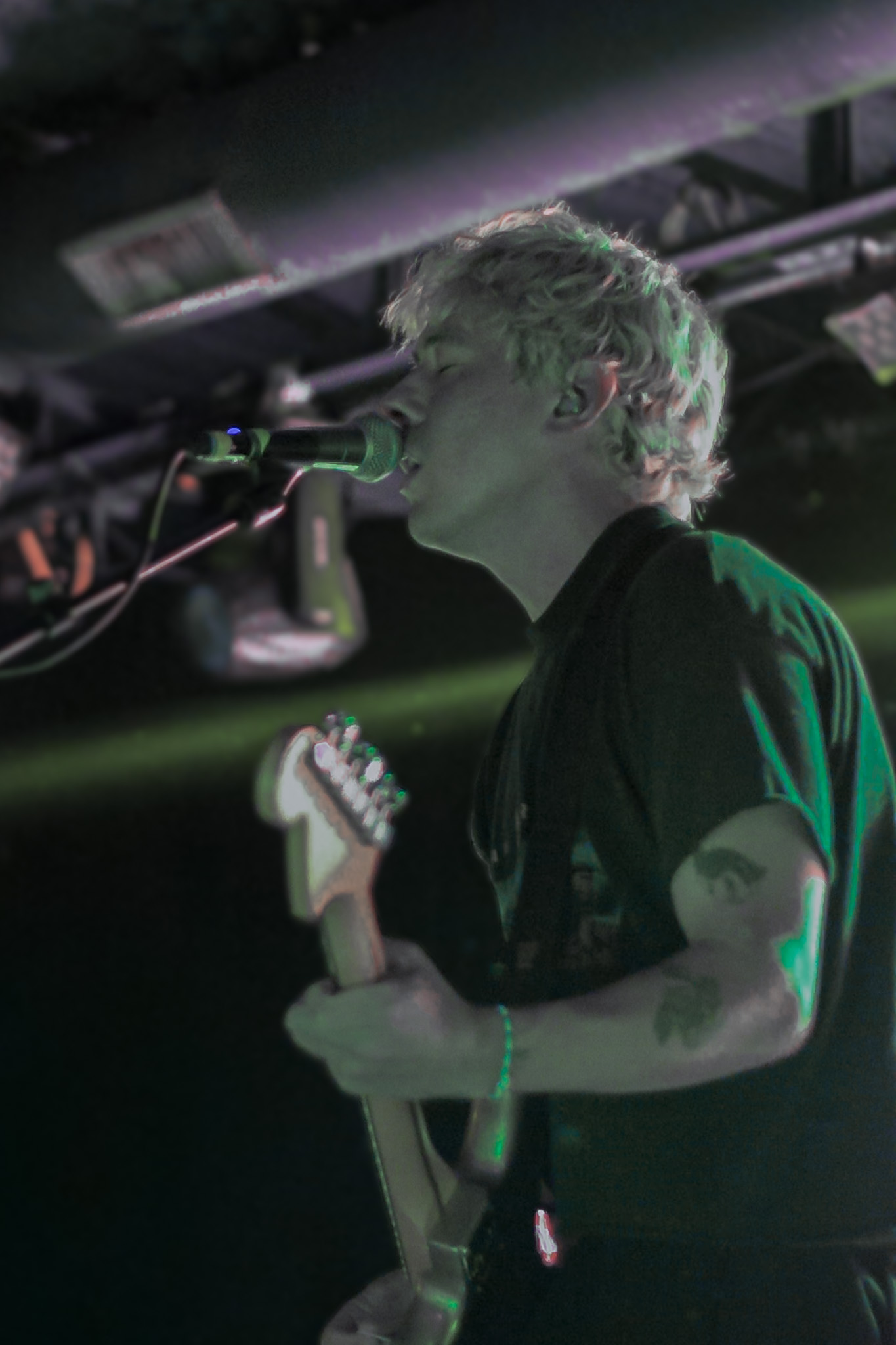
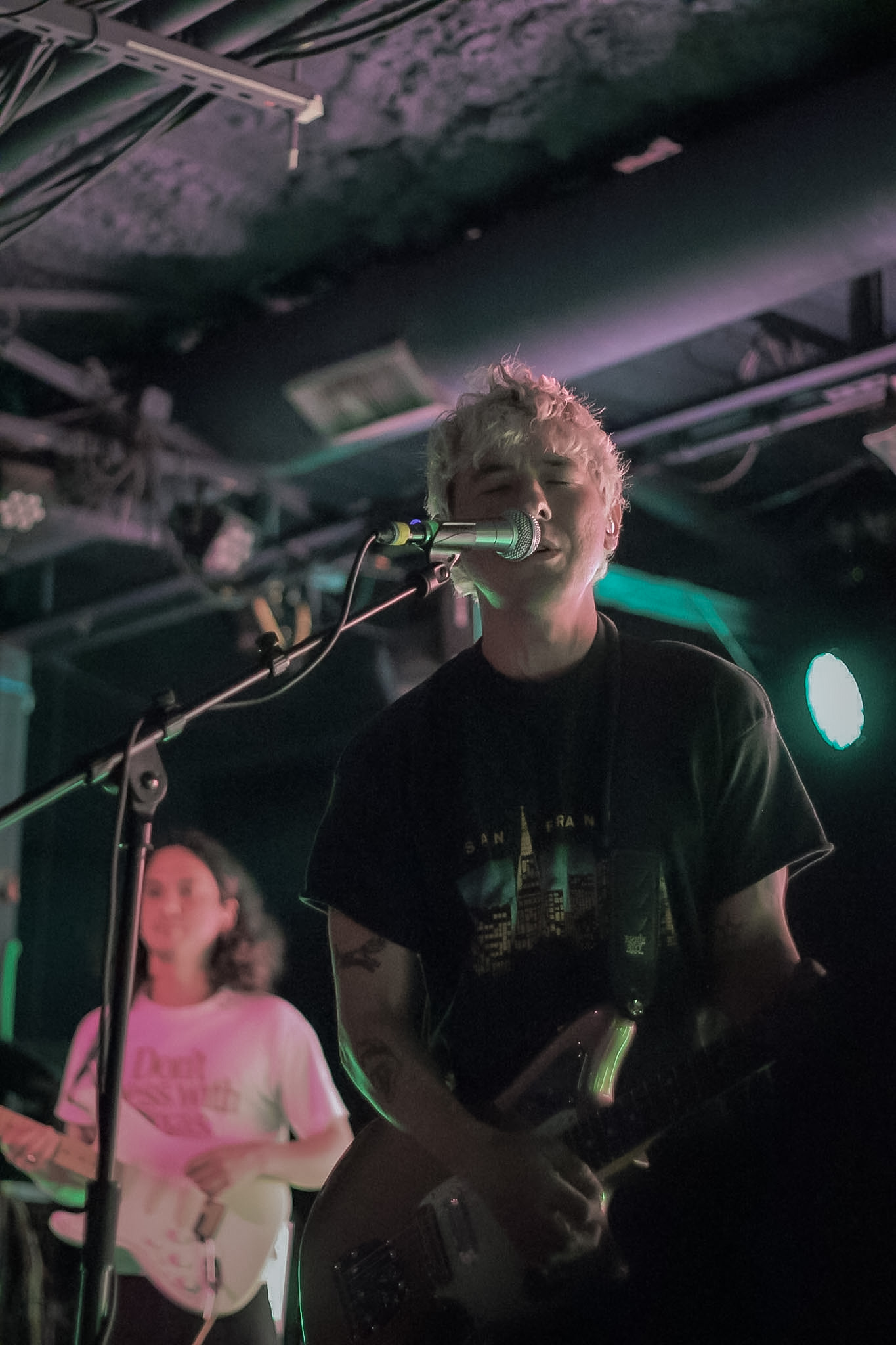
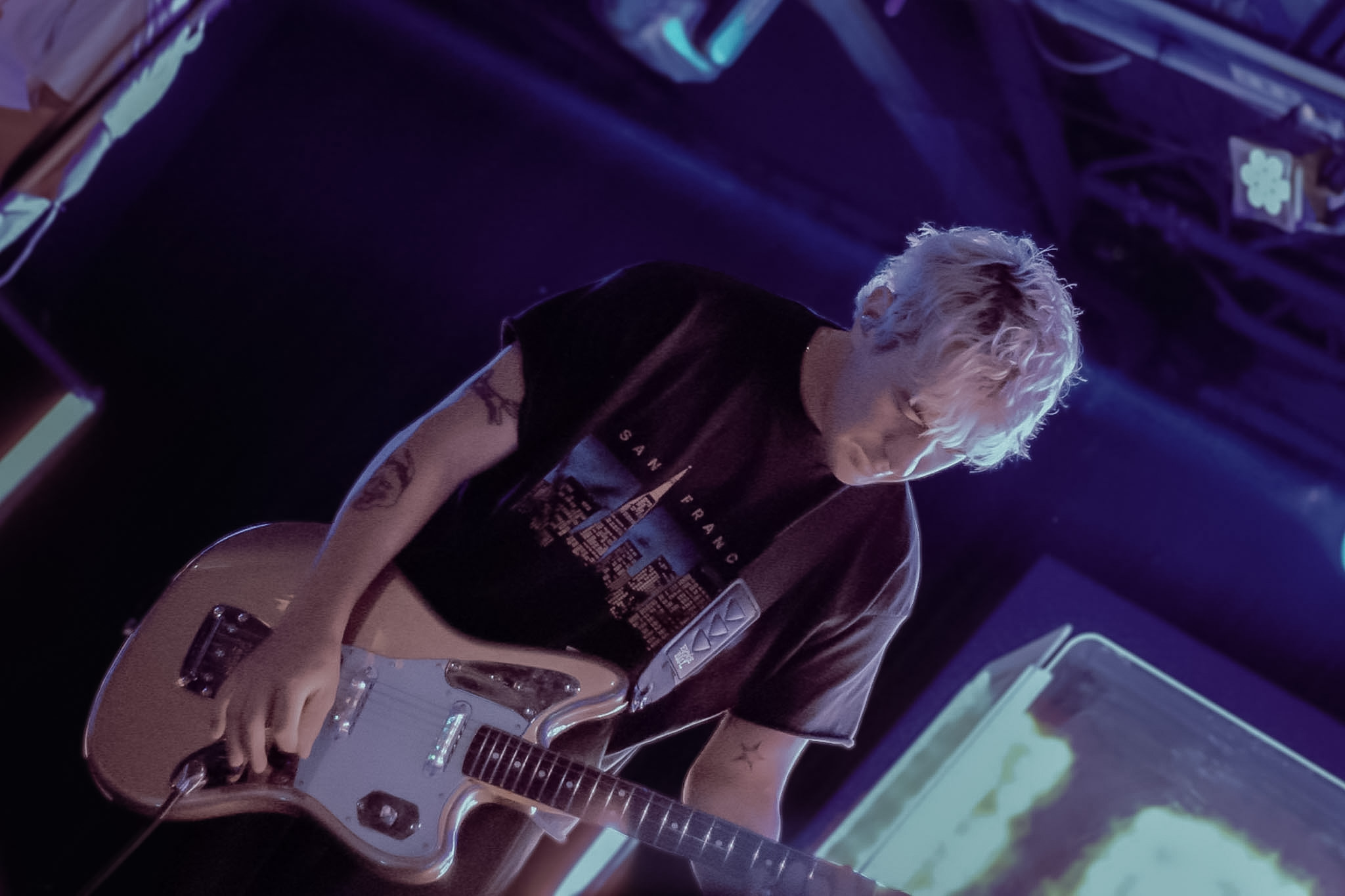
The music video for Frost Children’s “Flatline” is a sea of 80s-style high contrast, saturated visuals. The fisheye lens is used for most of the video, and we see siblings Angel and Lulu Prost strutting around what we can only assume is New York City. The song, used in the video game FIFA in 2024, was released on their 2023 album “SPEED RUN,” and uses energetic, club-ready beats to match their footsteps. Angel’s voice cuts through the beat, as he holds a single note across a full bar, simulating the sound of the familiar medical sound. Their newest album, “SISTER”, released almost two years later, is a similar mix of electronic, abrasive sounds. Frost Children has maintained this emo, harsh electronic sound throughout these two albums, begging their audience to cut the lovey-dovey crap and dance with them, making songs with electro-pop icons like Kim Petras.
In an interview with Welcome Editorial, Lulu talked about the intention with the album:
This project is something that we’ve wanted to put out for a while. To us, it doesn’t feel like a 180. We’re just turning to this thing we were doing individually before we started this project, but now it’s more refined. It has just a sprinkle of intention. We’ve always wanted to have songs where we can just pick up a guitar and play it. I don’t think we’ve ever had that until now, which is sick.
When listening to the band, you wonder where they fit in the sphere of genre. If you try and pigeon-hole the duo into a specific genre, you’ll be wrong the next time they release something. They find themselves situated between punk bands like Skrillex and soft alternative artists like Alex G. “Stare At The Sun,” the third track on the album, includes a scream-sing element towards the end that calls back directly to the duo’s emo roots in their first band together: One. They described the music as a “spiritual” experience, leaving the lyrics behind and instead, using monotone screaming instead.
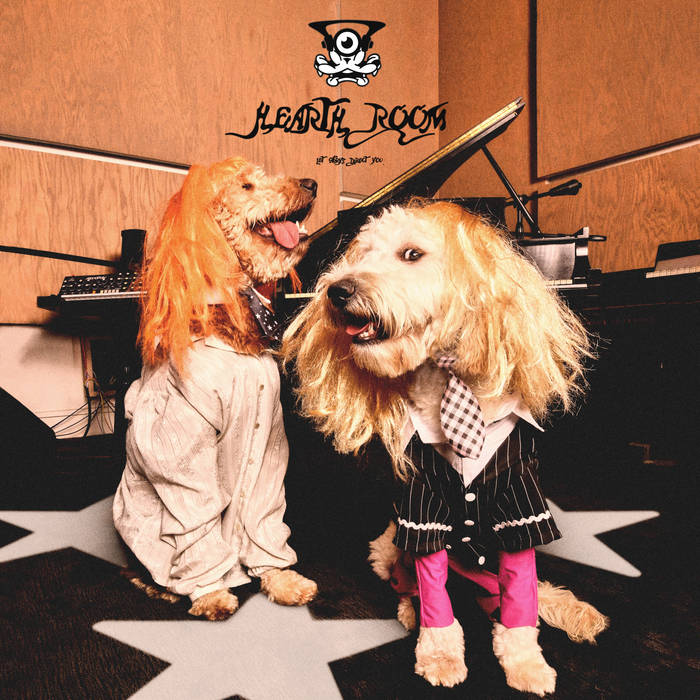
In their music videos, and their publicity, they hit on something particularly prominent with electro-pop artists: aesthetic. “Hearth Room” was less than publicized compared to their other releases. When listening, I wonder where these angelic vocals are coming from and how they contrast so differently from their visuals of other releases. In fact, the only video we received following this album was an 18-minute youtube home video “documentary,” showing the duo traveling and recording the album. They play with balloon animals, sit on the floor of their small home studio, carelessly strum guitars by campfires–which make a starkly more apparent appearance in this album–and put phasers on audio clips, toying with what sounds best.
In the video, the duo appears alone in the songwriting and producing process. However, this sound was brought to life partly from the help of Al Carlson, who mixed and mastered the album. Carlson, through a laptop screen window into his studio in Brooklyn, New York, said:
“Maybe it was a reaction to Speed Run, like ‘We’re also this.’ At the time they were saying they had a lot of inspirations and wanted to do different things—they weren’t just one thing. It felt like a snapshot for them, taking it easy in the Poconos, writing something more organic from the ground up instead of in the box.”
The duo, originally from St. Louis, Missouri, sang as children in their church. They have spoken about the prize they feel in vocal synchronization and their gratitude for growing up in the church. Angel in particular has addressed that, despite the fact that they didn’t particularly jump for joy when going to church, they valued having something to rebel against, perhaps urging them in the direction of the highly experimental genre of glitchcore and electropop. Because of this desire for rebellion, Frost desires to rebel even against what their listeners expect from them now.
There are songs on the album which showcase the higher level of saturation in instruments that they used prior, though. “Not My Fault” is arguably the most produced track on the list, using more synthesizers to create an unworldly experience. Despite even their highly reverbed and distorted elements in their music, the voices of the pair are never lost. Their lyrics and vocals are most prominently important to the duo,.
While the other albums may resemble artists that have come before the duo, adding elements of Green Day and Evanescence, “Hearth Room” slows us down from the noise and pulls us away from the wall of sound. Here, we are floating in a sea of alternative love. The opening thirty seconds of the album are a series of harmonizing vocals without any backing music. We are immediately set up to be relaxed.
When I asked about his work on “SISTER,” and how that process differed, Carlson said, “[It] was more dialed-in for them, especially for Lulu, who did all the mixing. It wasn’t ‘help us get this,’ it was ‘this is exactly what it should sound like.’ I worked on more than the vocals, but ultimately, they only used the vocal mixes. Those basically became the a cappella tracks.”
Frost Children consistently checks their alternative and emo boxes, always returning to their electronic sounds, but, in 2023, they took a detour into something more whimsical. The album shows us that, despite the hardened feelings we may have for softer music and softer feelings, there is room to love, and room to love loudly. We aren’t raging over a FIFA game, or in the middle of a club with a strobe light; we are sitting by the campfire with them, listening to the soft strumming of their guitar.
“Everything exists in a constellation of binary switches,” Angel said in the same Welcome interview, “Every song, every project, are these microcosms of nuggets of focused material, and presented altogether, those micronuggets of focus make a larger portrait. So the idea was these two vibes that are pretty different from each other, that you can switch in and out of. One compliments the other, and you get this double record that’s larger than the sum of its parts.”

Andrew J. Brady Music Center – Cincinnati, OH
Photos by Ava Reynolds
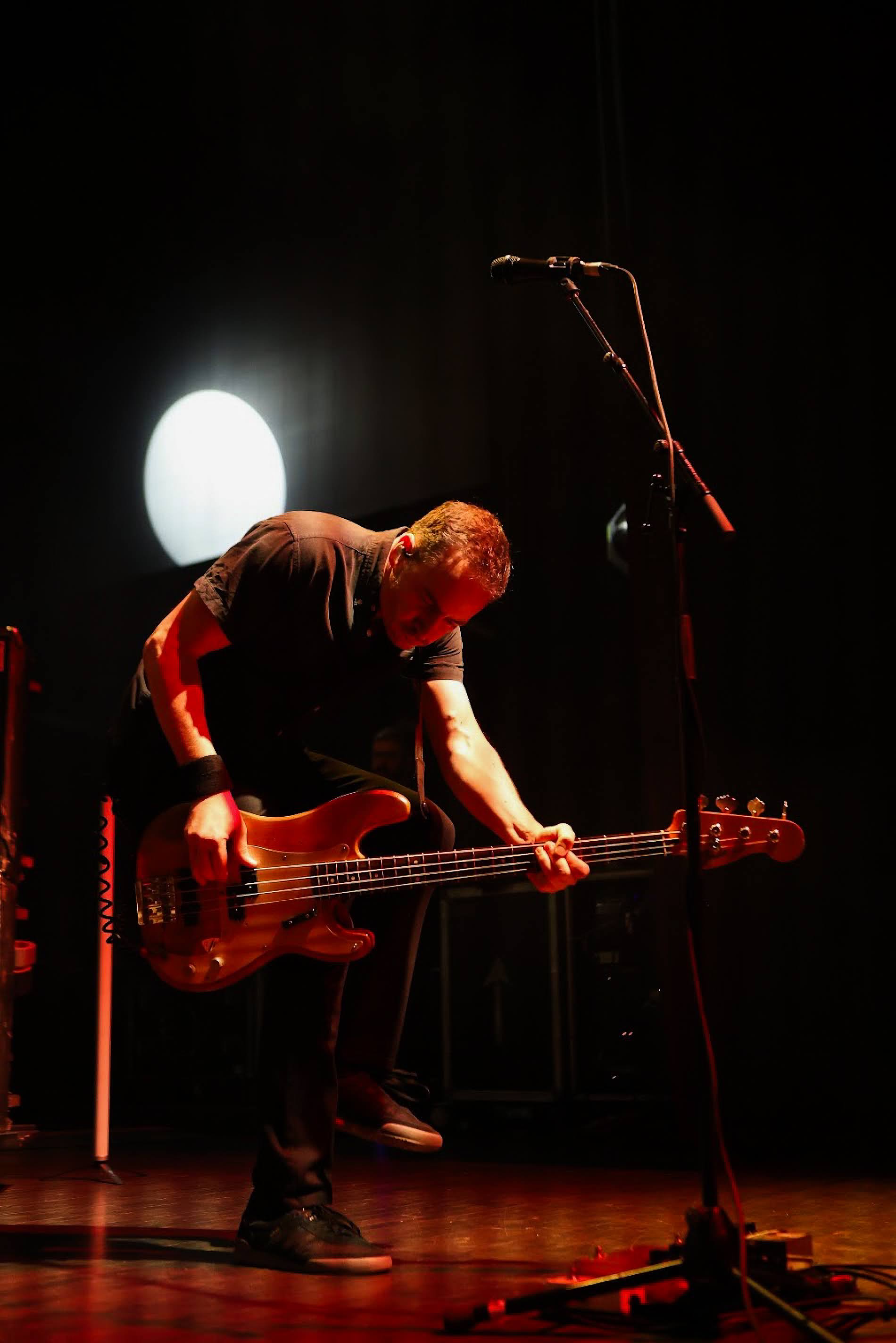
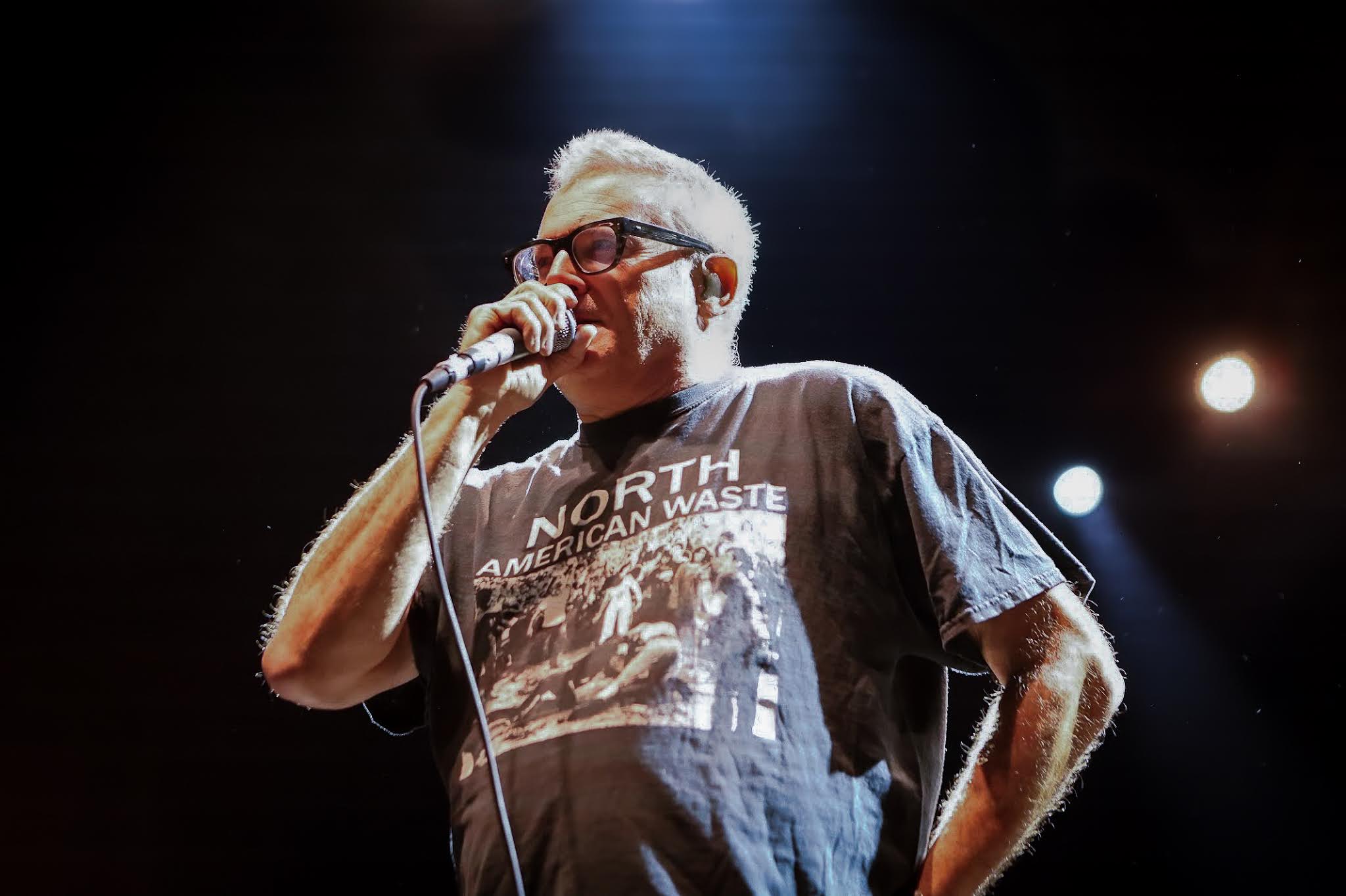
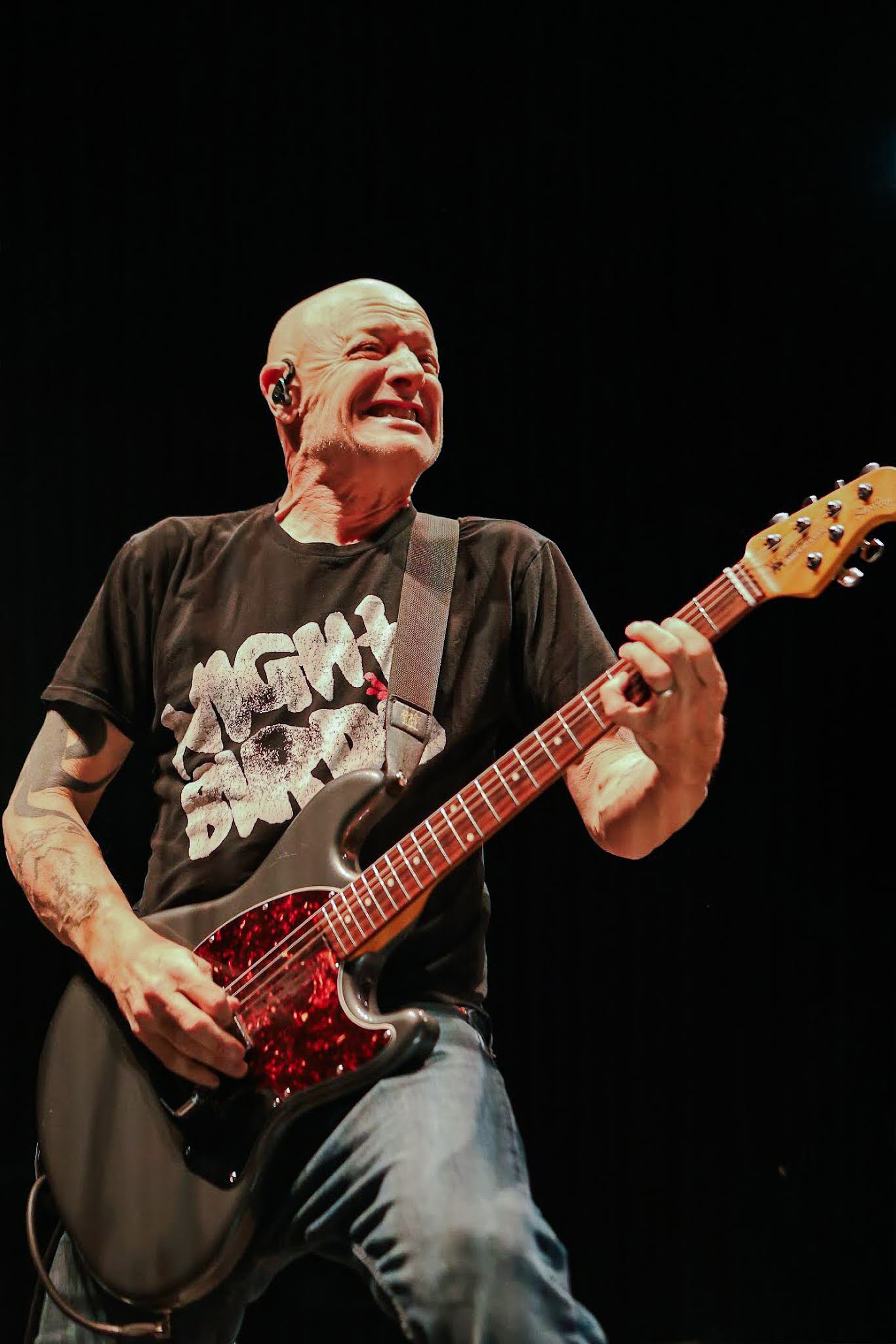
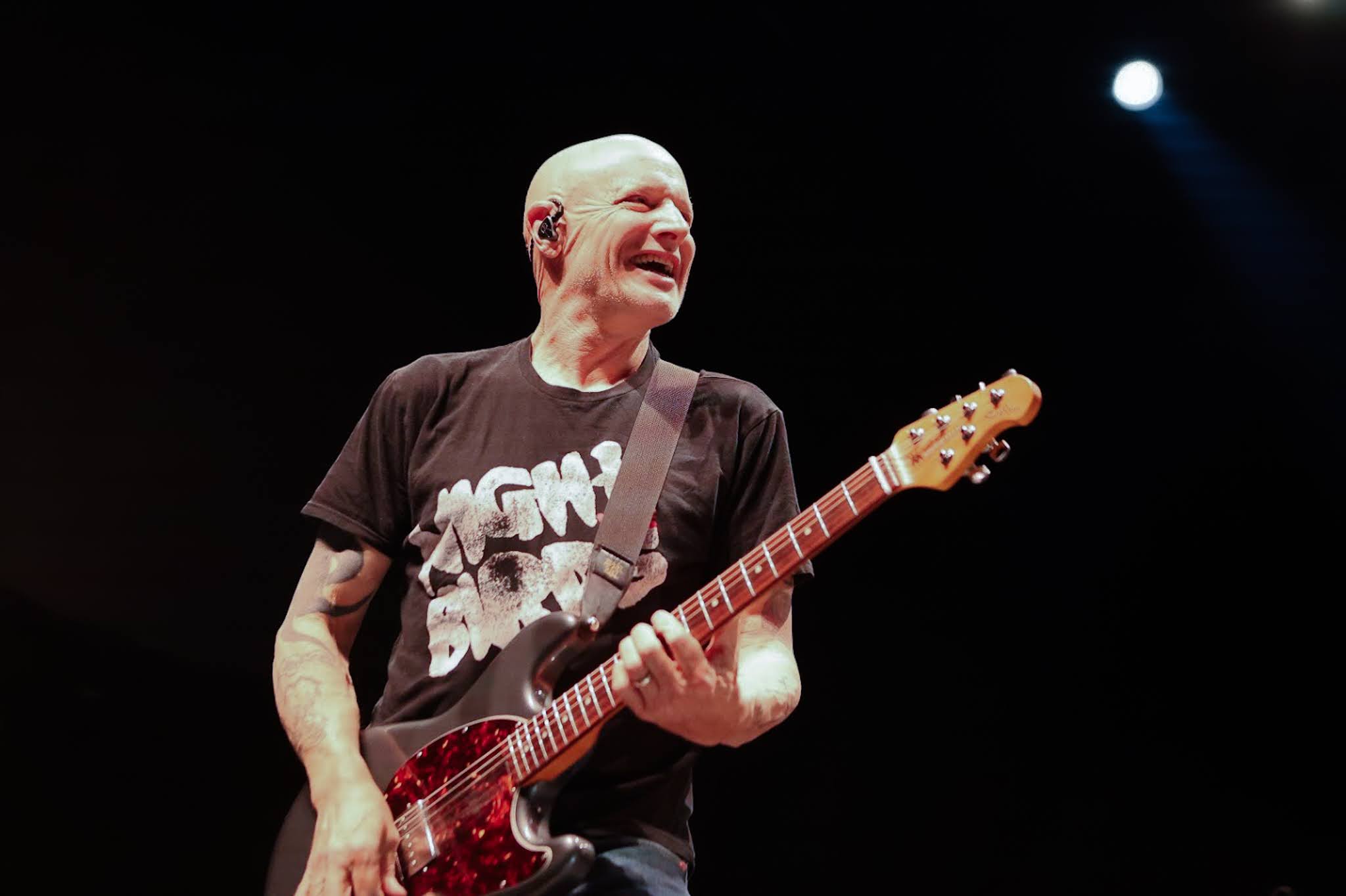
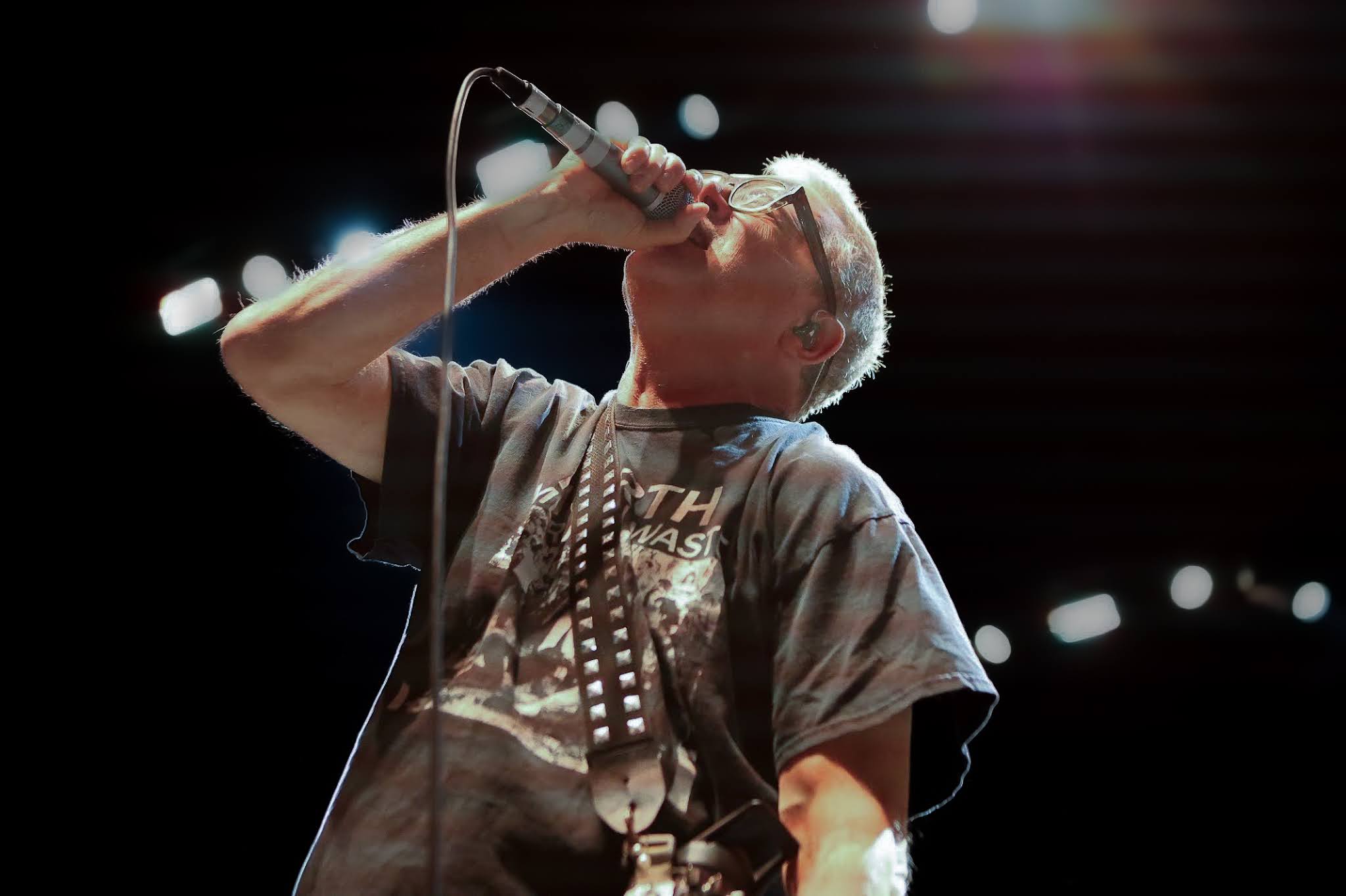
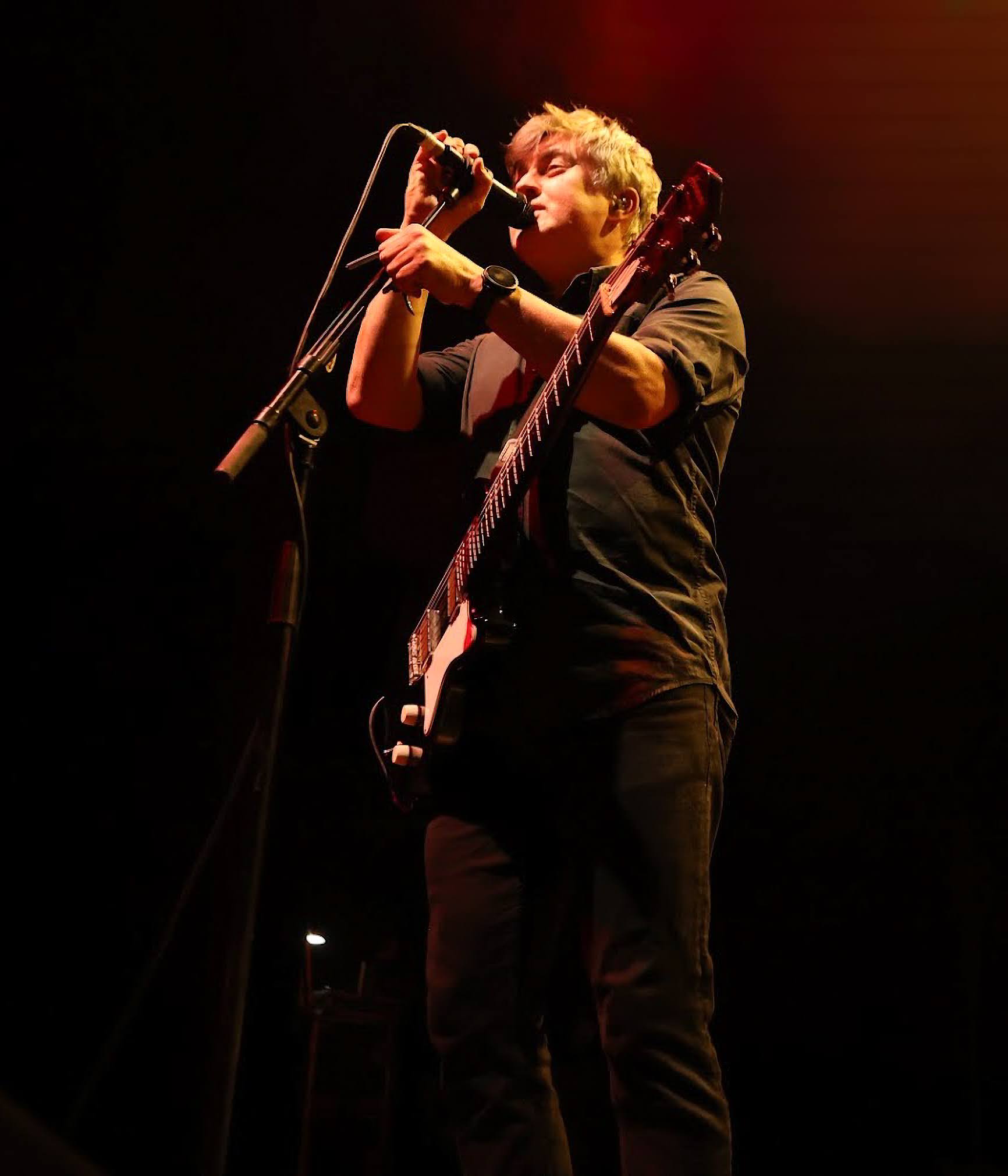
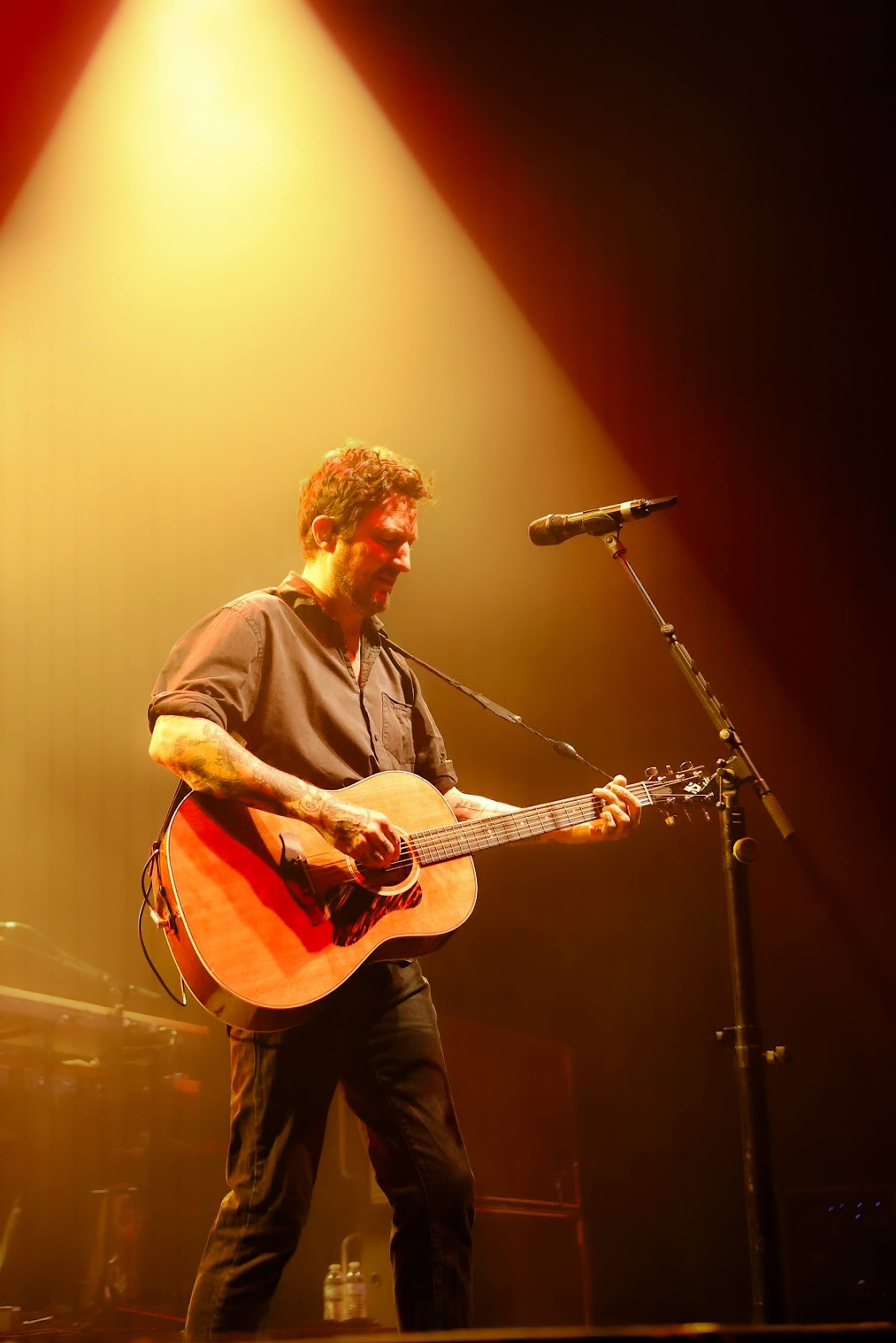
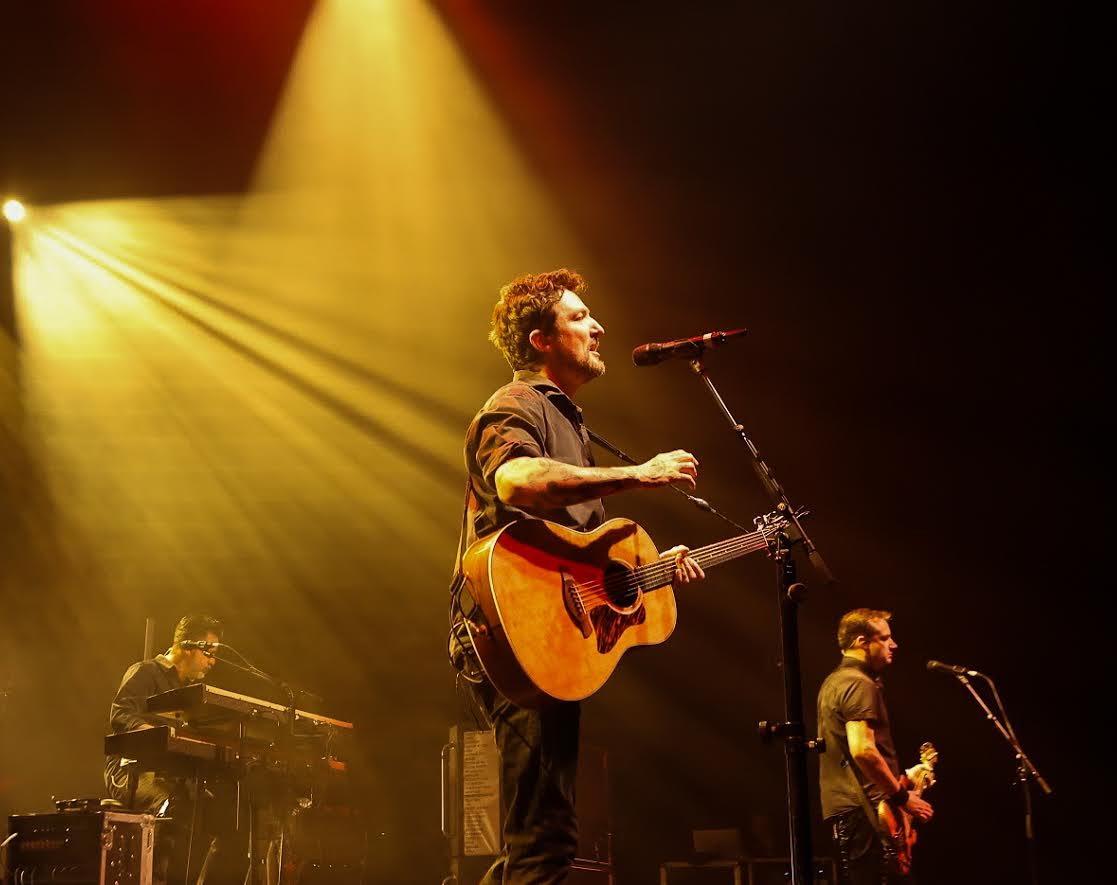
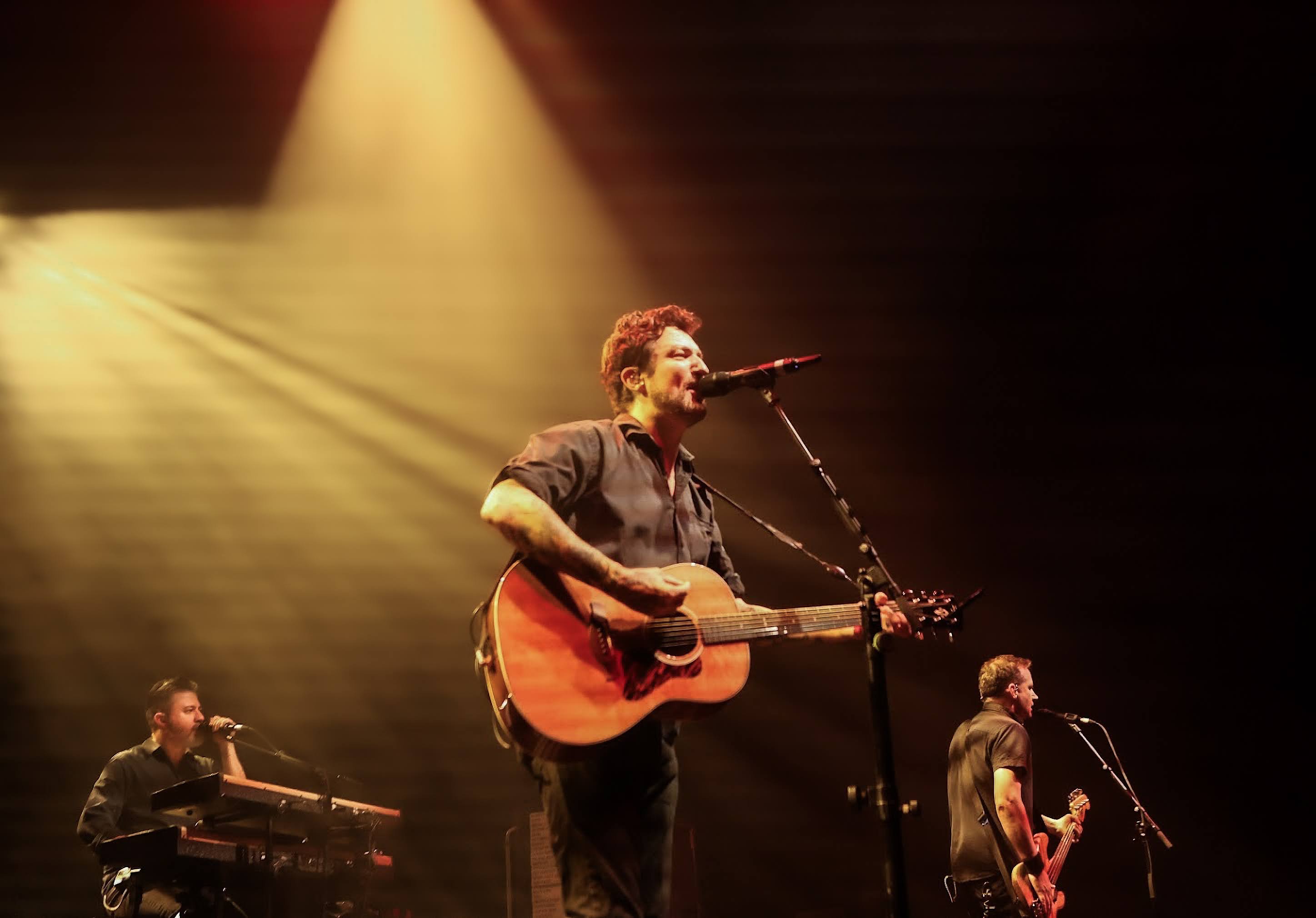
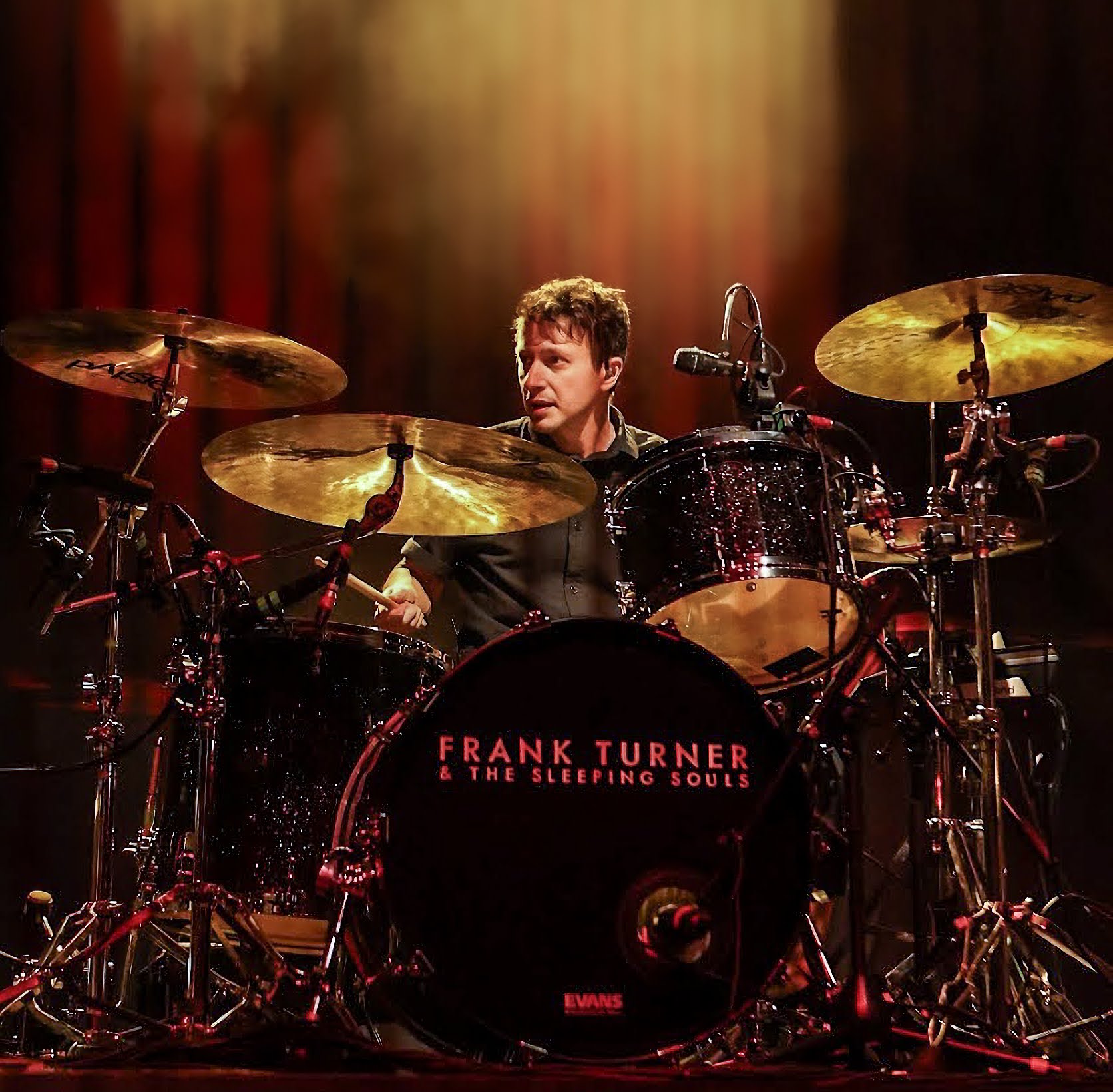
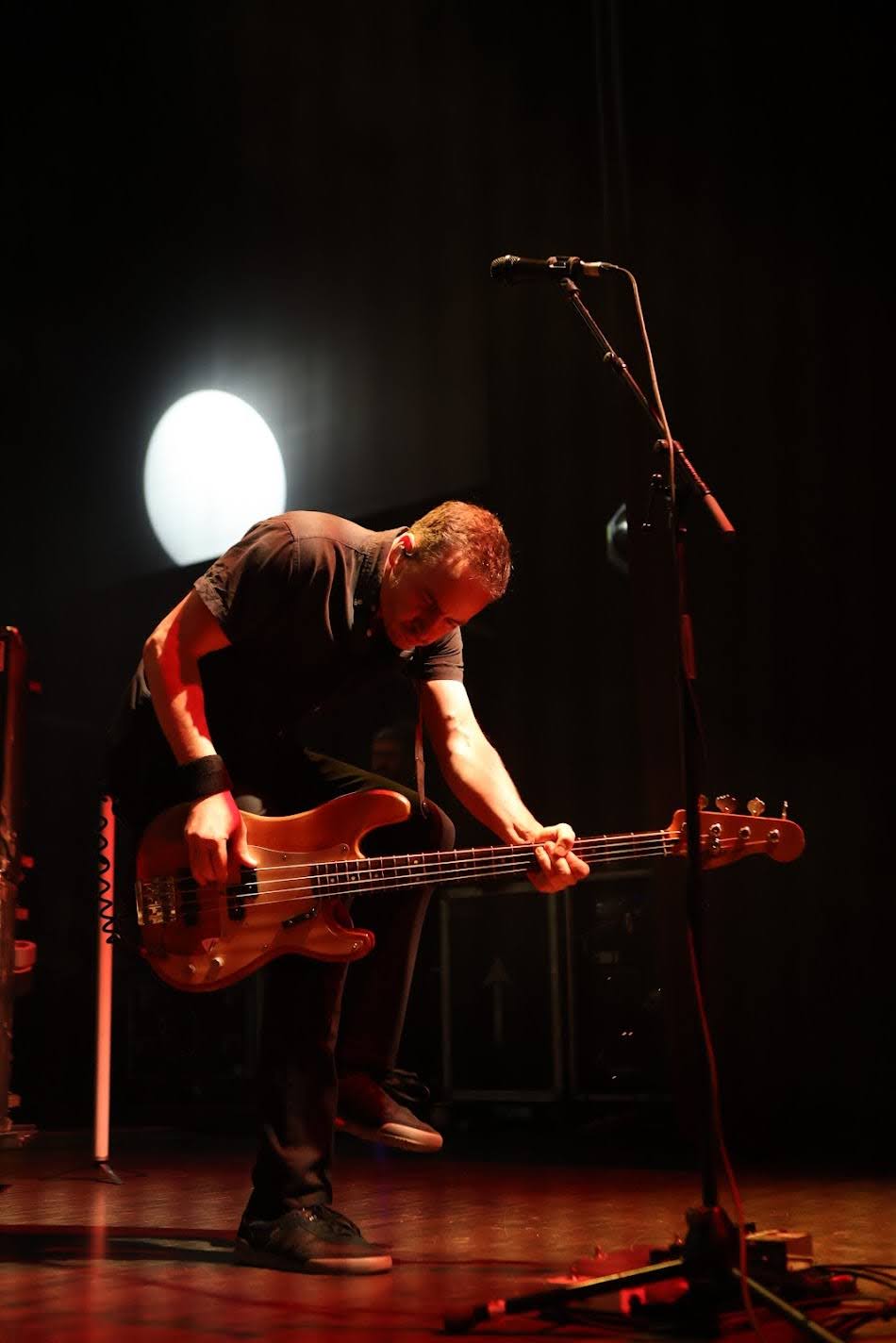
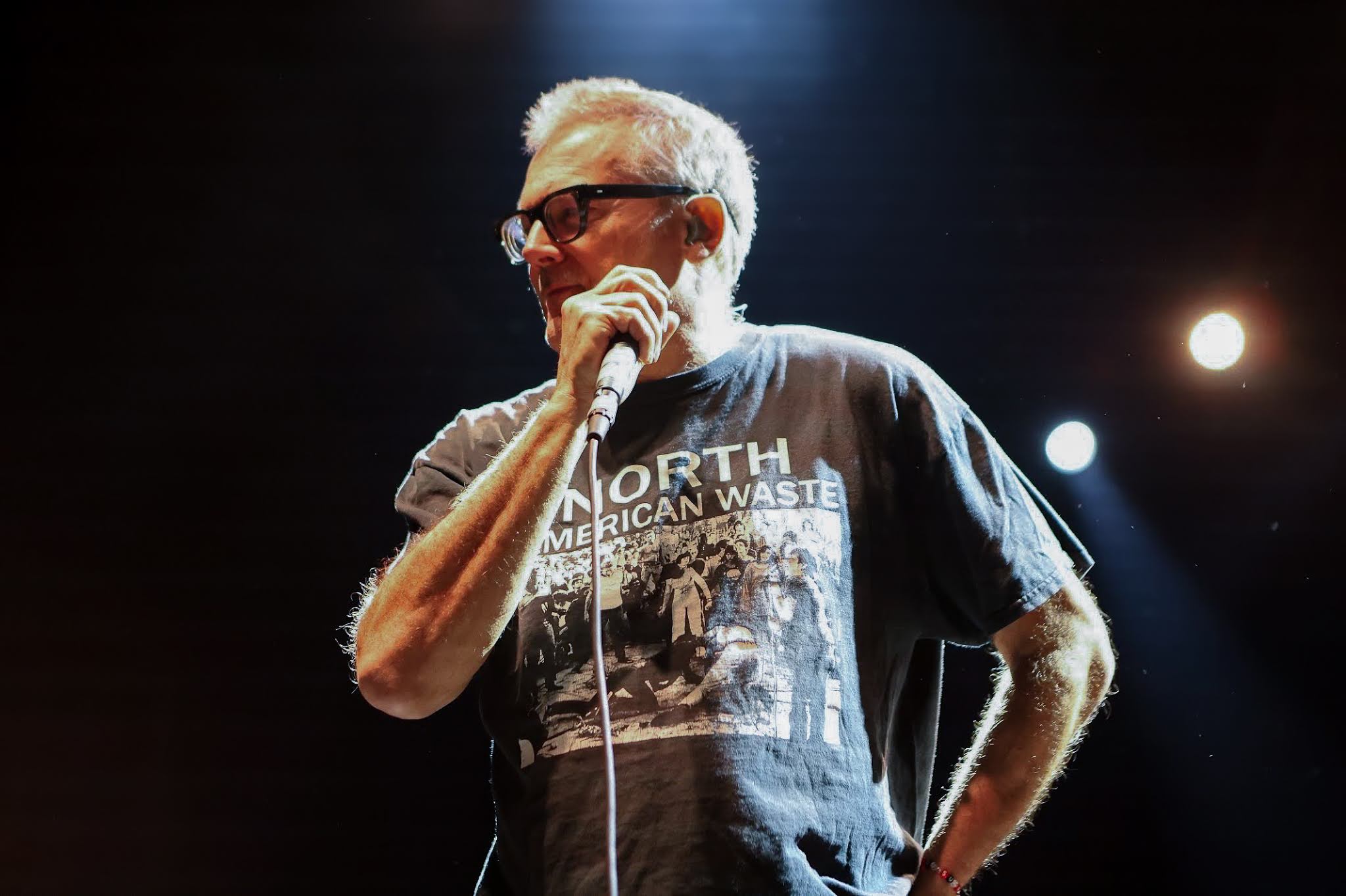
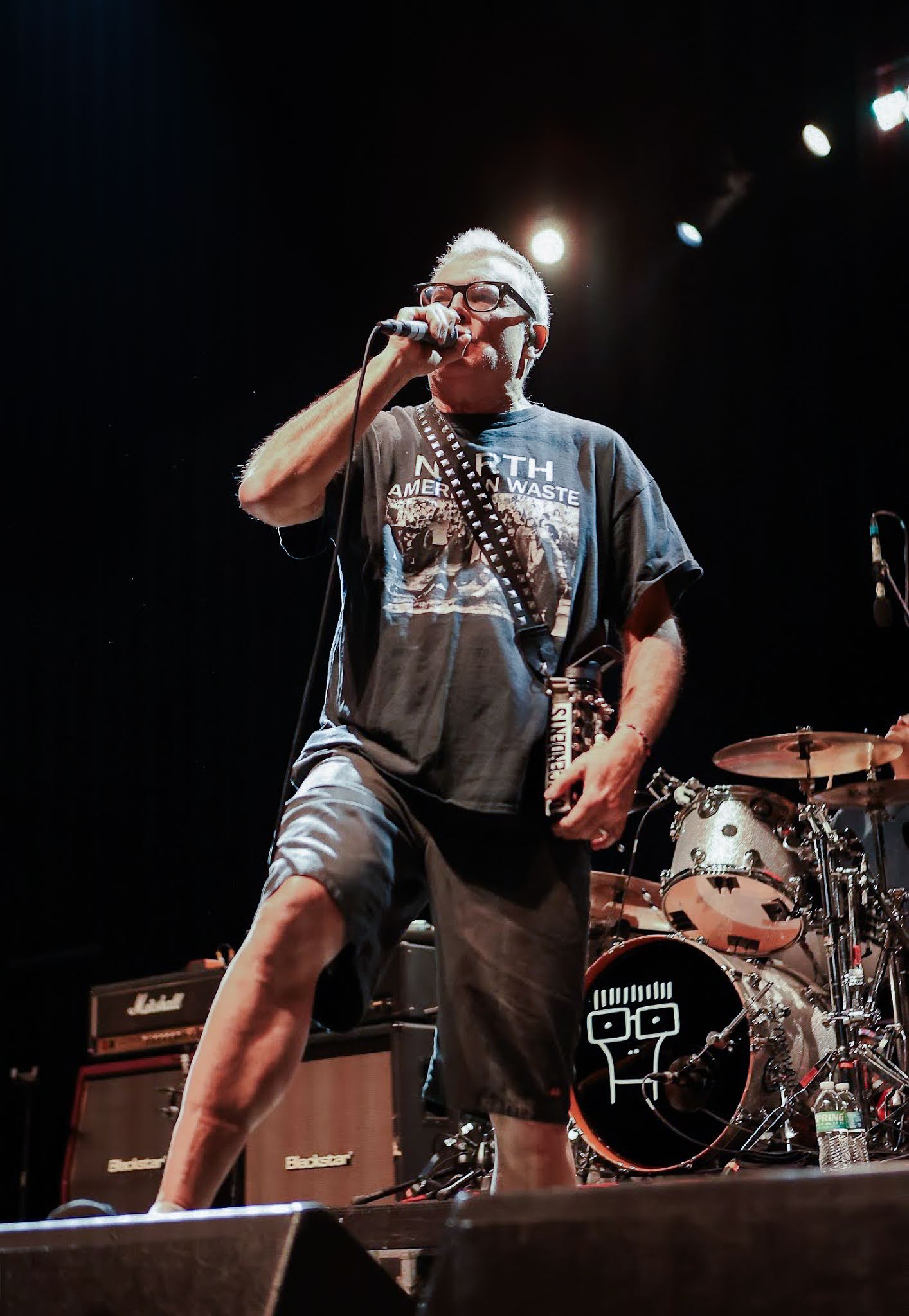
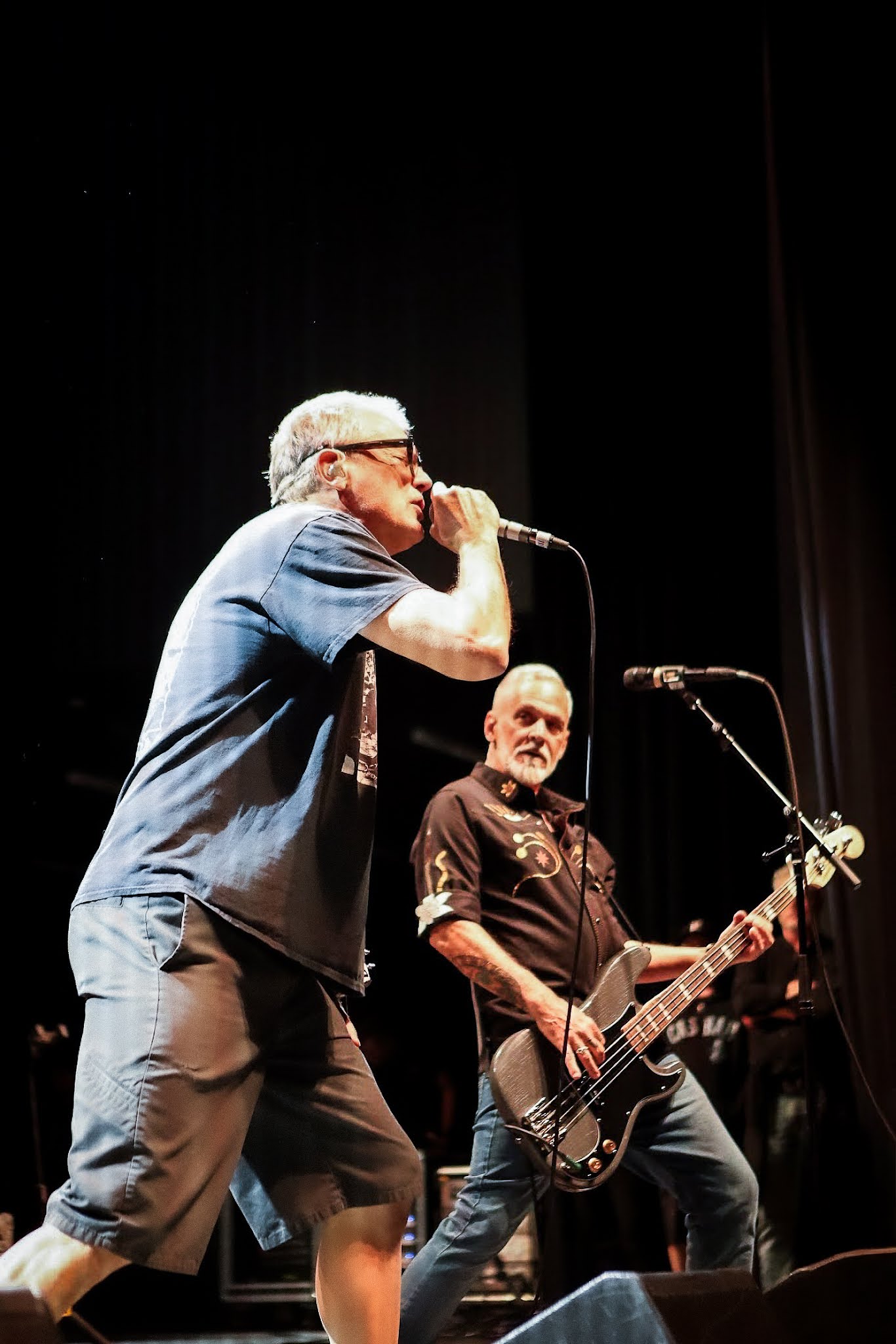
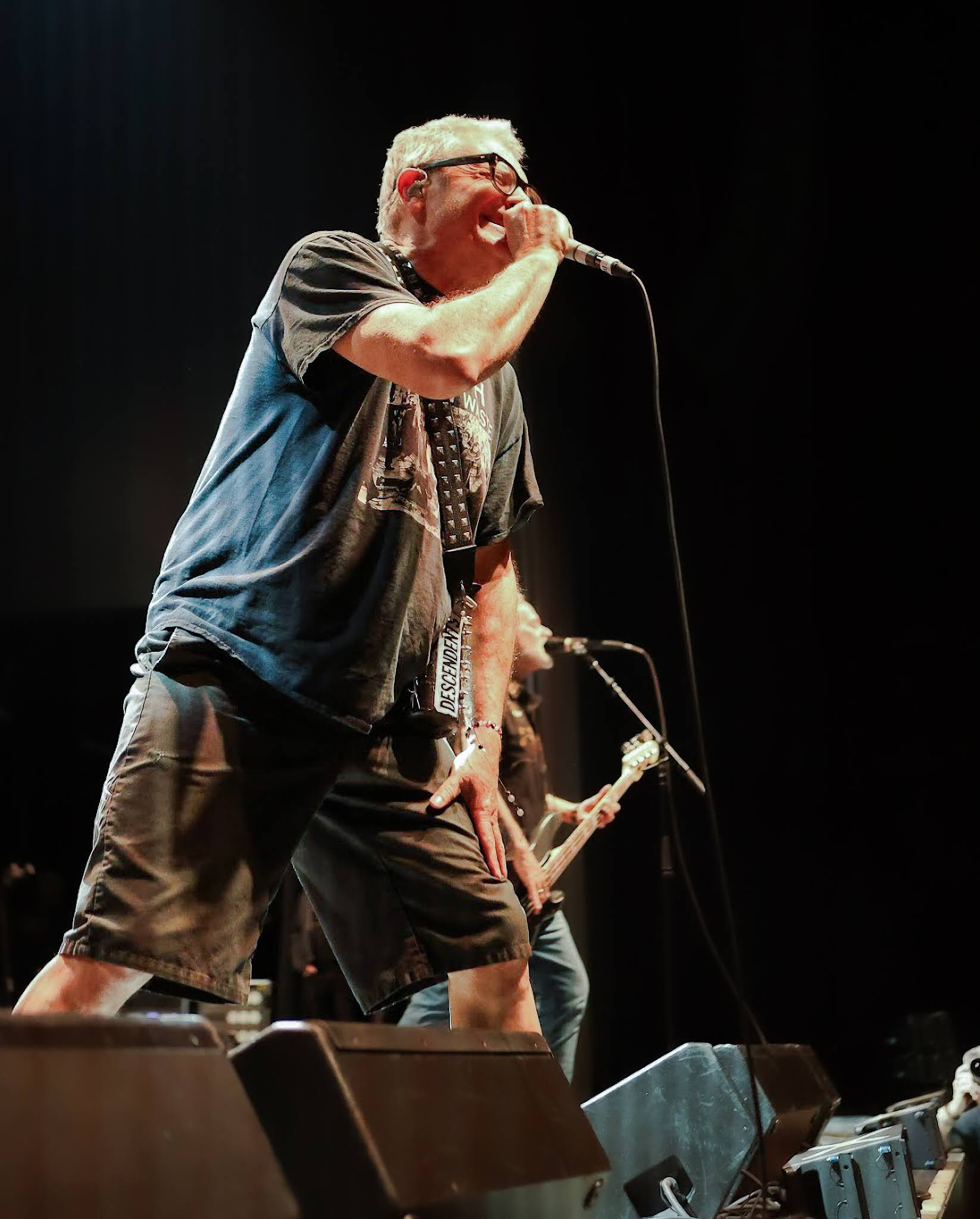
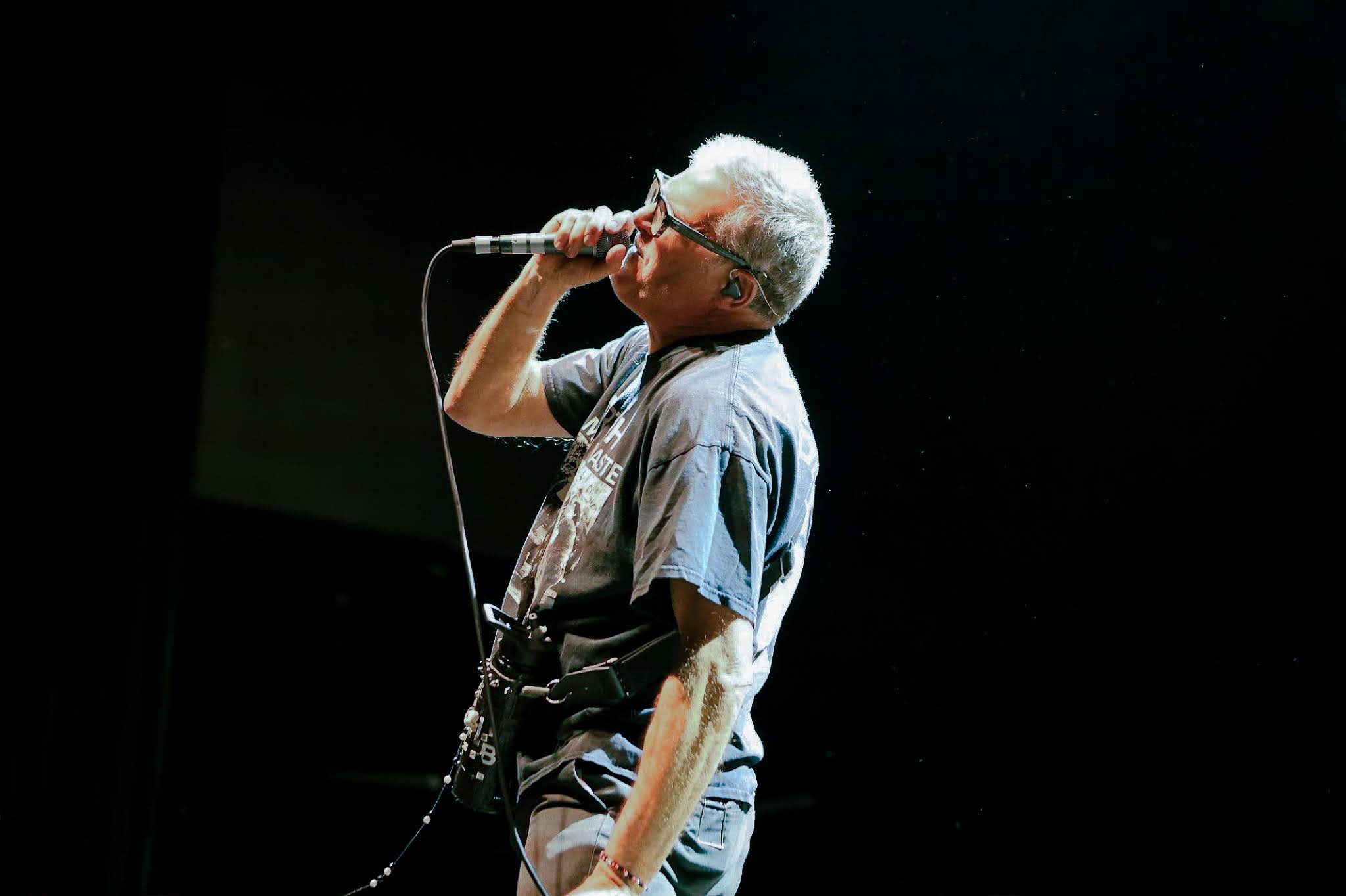


Words by Finora Reilly
The term “emo” encompasses a wide range of sounds within the music world. Emo was born from punk and hardcore. Emo shares intense lyricism and melody with the genre, but from a different perspective. While punk is often politically and physically charged, emo is emotionally charged. Themes of heartbreak, loss, yearning, and not fitting in are common and maybe even essential to the genre.
While many of us who grew up in the 2000’s think of emo music as bands like My Chemical Romance, Panic! At the Disco, Fallout Boy, and Taking Back Sunday, the genre holds much more. The internet has also popularized other subgenres in the emo scene, such as Midwest emo, skramz, screamo, math rock, and emoviolence.
Emo can be split into four or five different waves, at least, as of 2025.
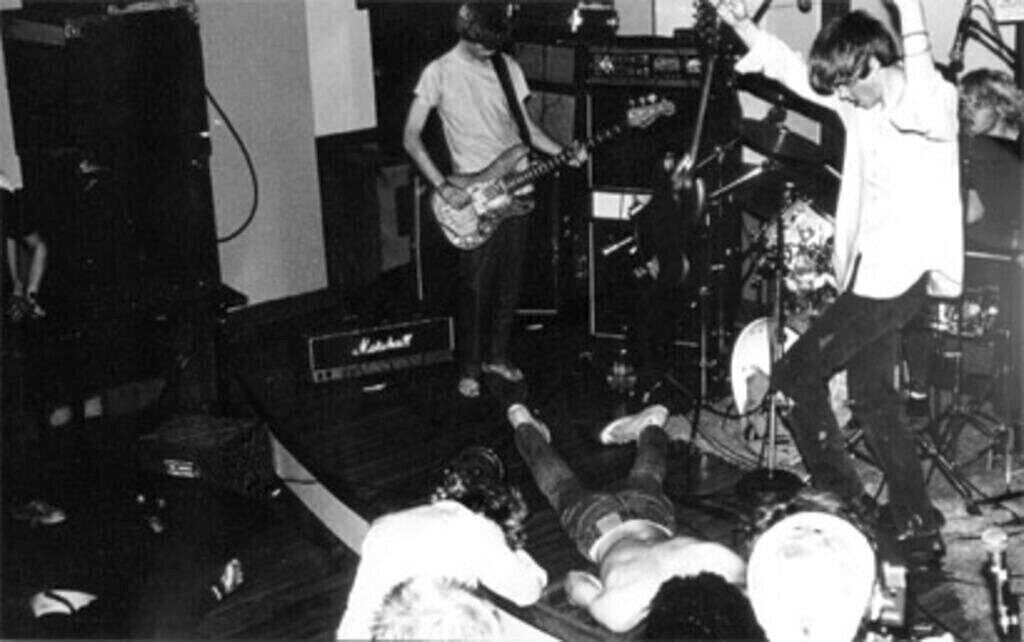
Emo music really started in the mid-1980’s in Washington D.C. with the band Rites of Spring, which focused on lyrics surrounding feelings rather than society. Moving away from the harder lyrics of the punk scene at the time, lead vocalist Guy Picciotto was more interested in delving into human connection. Some other bands pioneering the emo sound included Dag Nasty and Embrace.
Early emo music was supported heavily by Dischord Records. The label was founded and co-owned by Ian MacKaye and Jeff Nelson, the former frontman and drummer of Minor Threat. The label released punk music and intended to make the genre a more welcoming scene.
In the summer of 1985, Dischord Records launched what was known as “Revolution Summer” in their home base of Washington D.C. This was in response to the loss of interest in punk and hardcore music as members started to age out of the scene. “There was a situation where the shows were becoming increasingly, moronically violent,” MacKaye said in an interview. “A lot of people were like: ‘fuck it, I’ll drop out, I don’t want to be a part of this anymore.’” Rites of Spring was a heavy hitter for this crowd, as it had the emotional appeal, rather than just the physical. This lyrical and ideological focus chased away the growing presence of hate and unwarranted violence in hardcore at the time.
One of the most notable things about first wave emo is that it remains the most true to its punk and hardcore roots. The style was dubbed “emo-core” by Thrasher Magazine at the time, which abbreviated “emotional” and “hardcore”. The core was dropped almost as quickly as it was added, as bands rejected the label for being “too limiting.”
The first wave of emo stayed a relatively underground genre through the rest of the 1980’s and into the early 1990’s. Limited access to the genre was a big cause for this, with most bands being released DIY or by small record labels.
The second wave of emo music followed soon after the first, where emo began to move more inland. This is where we saw the start of what we now know to be “Midwest emo” gaining notoriety. Sunny Day Real Estate, American Football, Cap’n Jazz, and The Promise Ring are all early staples of Midwest emo.
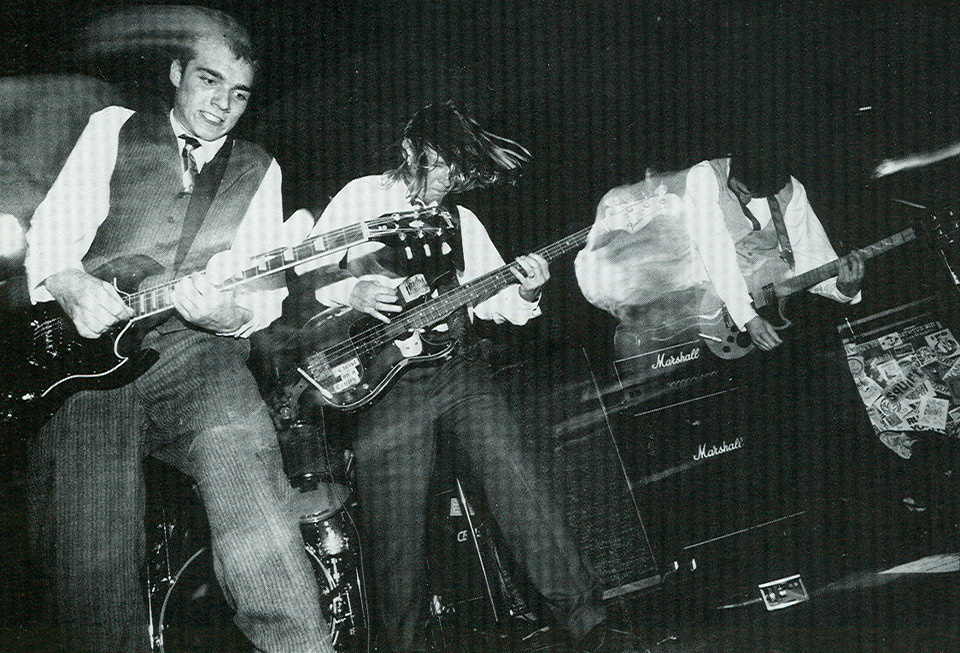
Although elements of punk and hardcore were still present, we started to see twinkly melodies backing those introspective lyrics. Formative cities for this sound were, of course, in the Midwest: Chicago, Urbana, Milwaukee, etc. Sunny Day Real Estate was one of the major outliers of this time, coming from Seattle.
Midwest emo lost the original hardcore sound of emo-core, favoring the emotional roots.
We also saw bands branch out into screamo music from the original emo-core. This was a more direct evolution of what emo started from, featuring more elements of hardcore than its midwestern counterpart.
Much of what we were seeing from screamo was coming from the coasts, with bands in San Diego and Washington D.C. in the earlier part of the decade. As the years passed and the sound evolved, bands began to emerge in the cities and suburbs of Boston, New York City, and Tampa.
Many of the notable screamo bands from this time were formed in the latter half of the wave, including Orchid and P. 99. That isn’t to discredit the pioneers of the evolution though, with Heroin being one of the earliest inspirations for 90’s screamo.
Although these subgenres became more popular as time went on, labels had issues signing bands. Even with the decline of the grunge scene, Midwest emo and screamo weren’t palatable to mainstream listening. Locally and regionally recognized labels like Polyvinyl did sign artists and produce albums, but household names steered clear. Cleaner and poppier bands were favored and these sounds faded back into obscurity.
The 2000’s brought forth the emo music many digital nomads grew up with and think of when hearing about the genre. This was mall-emo, emo-pop… what have you. The 2000’s emo subculture is usually characterized by heavy black makeup, dark swooping hair, and black skinny jeans. This was emo music at its most commercial and advertised.
In my opinion, the commercial third wave can be split into two main categories: emo-pop and pop-punk. Bands like My Chemical Romance set the tone for all the kids who didn’t feel like they fit in. Pop punk of the late 1990’s and early 2000’s paved some of the way for emo-pop as well. Bands like Blink 182 and Jimmy Eat World took from similar punk influences and had that “just-radio-friendly-enough-to-make-it-on-the-air” sound that skyrocketed them to stardom.
My Chemical Romance, Fall Out Boy, and Panic! At the Disco were dubbed the emo “Holy trinity” during their Tumblr peak. Fall Out Boy “Take This to Your Grave” changed the idea of a boy band for many, as the lyrics hit on a deeper and more emotional level than their boy band predecessors.
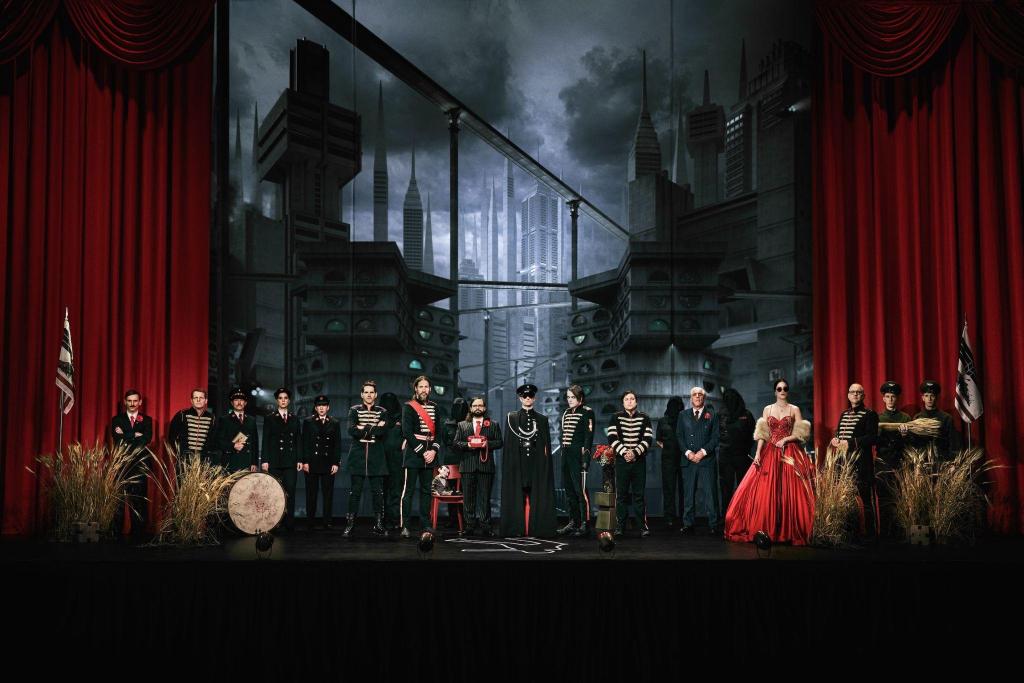
Alongside these nationally famed and idolized bands, there was still a strong scene that was more in line with the roots of the emo genre. Bands in the indie and hardcore spaces started gaining notoriety; such as At the Drive In and Death Cab for Cutie. While they may not have been as in everyone’s face as emo-pop was, there was a strong fanbase behind them. Their sound was a bit more reminiscent of their second wave predecessors than their emo-pop counterparts.
The third wave was nostalgic for much of Gen Z, and just as quickly as it appeared early on in the decade, it dissipated around 2008.
In the 2010’s, emo took a turn back towards the bands like American Football and Cap’n Jazz, rejecting what the new definition of emo that had come through the aforementioned commercial bands. This is dubbed the “emo revival.”
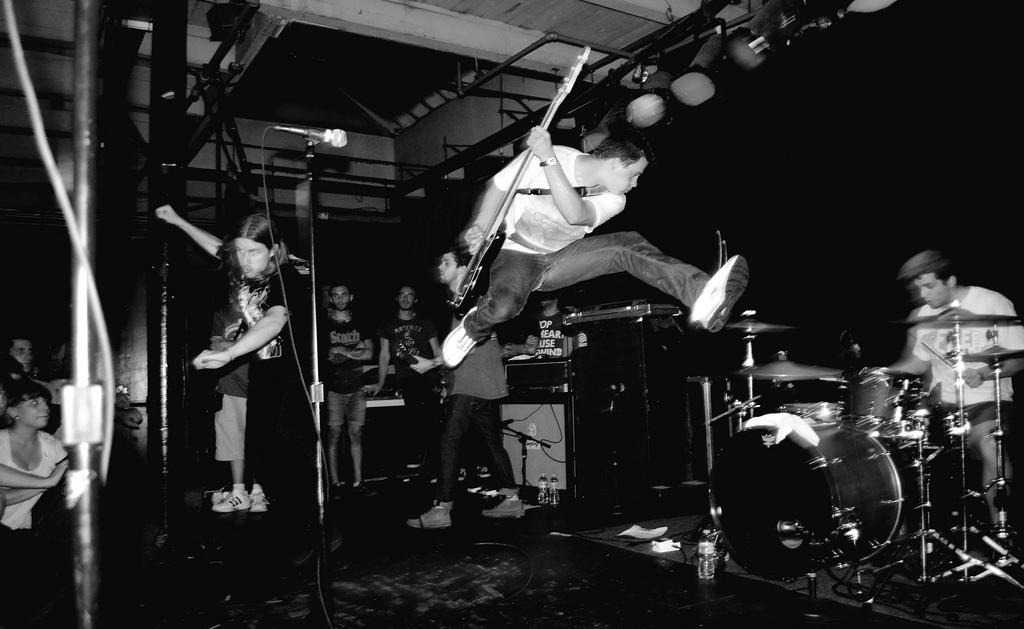
In the second wave, the preface of “Midwest” was almost entirely a geographic indicator. In the 2010’s, the genre became known more as a sound rather than a region. That Midwest sound spread to the coasts, with bands like Joyce Manor coming from the west coast and The Hotelier and Modern Baseball from the east. They adopted the same common tropes laid out by their predecessors. We still saw this sound coming from landlocked regions though, as both Tigers Jaw and Title Fight came out of Scranton, PA during the 2010’s.
The bands of the Midwest revival era took secondary influence from pop punk, math rock, post-rock, and indie. Common themes across the board still remained unified; suburban life, friendships, drugs, alcohol, and failed relationships. This is also where I truly noticed the stereotype of ridiculous and strung out song titles starting to be used, such as Pet Symmetry’s “Please Don’t Tell My Father That I Used His 1996 Honda Accord To Destroy The Town Of Willow Grove Pennsylvania In 2002.”
On the other side of the genre, emo rap was seeing a major increase in popularity. Many fans of emo in the third wave shifted towards this genre, as it was a continuation of that riff of popular culture. In the way rock was at the center of music in the 2000’s, hip hop and rap took the stage throughout the 2010’s – the popularization of emo and punk rock shifted into emo hip hop and rap.
Now, whether or not we are still in the fourth wave or have moved onto a fifth is up for debate. With the speed trends move at, I think it’s safe to say the sound of the genre has evolved enough to constitute a fifth wave. Some time in the late-2010’s to the early-2020’s, there was a slight shift in the genre.
While it isn’t as copycat to the 90’s as the fourth wave, it still takes major inspiration. The most notable difference many online will point out is the adoption of updated technologies, such as synths and drum machines. The evolution of sound from Modern Baseball to Slaughter Beach, Dog serves as evidence of this shift in sound.
Overall, things became more experimental. Your Arms Are My Coccoon, Thoughts on Bowling, Computer, and Origami Angel are some notable bands in the emo space today.
Another medium that has really pushed emo music into the limelight is Tik Tok; where bands that may have only been known locally can be reached at a national, or even international, level. Tik Tok, specifically, has also served as a means of reminiscing on bands from the second and fourth waves, with Title Fight becoming a viral band. This virality has also led some artists to reunite or come back from hiatus, either to release new music or tour old albums; like My Chemical Romance, Bay Faction, or sports.
There is a distinct form of yearning and nostalgia in the fifth wave, whether that is due the sheer accessibility of memories and footage from recent years or another sign of the times. When the sixth wave is to come is up for debate, but until then we remain in the fifth wave.
Words by Cora Lynn Hernandez
“I’m creepin’ myself out again, I had to call all of your friends”
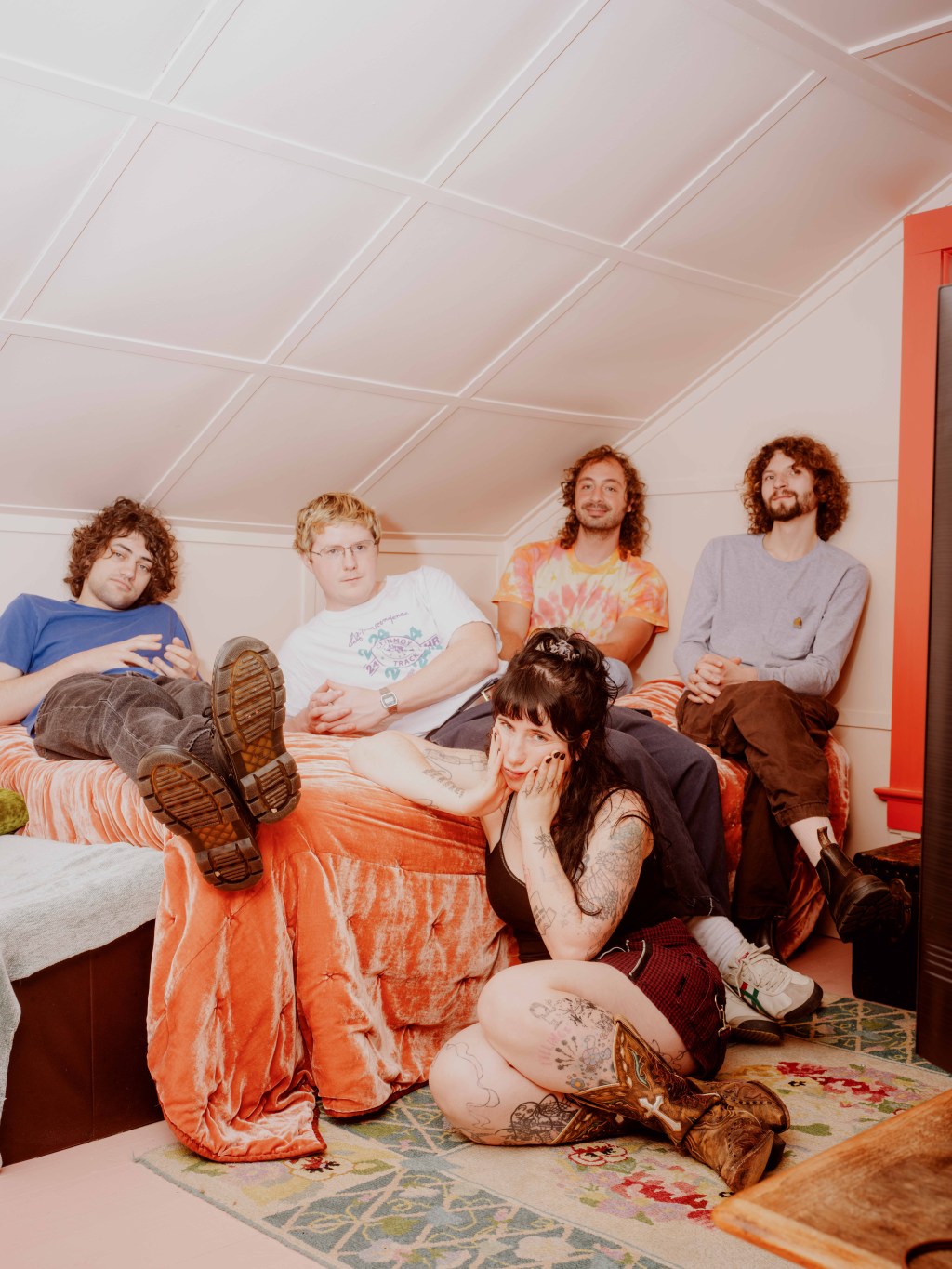
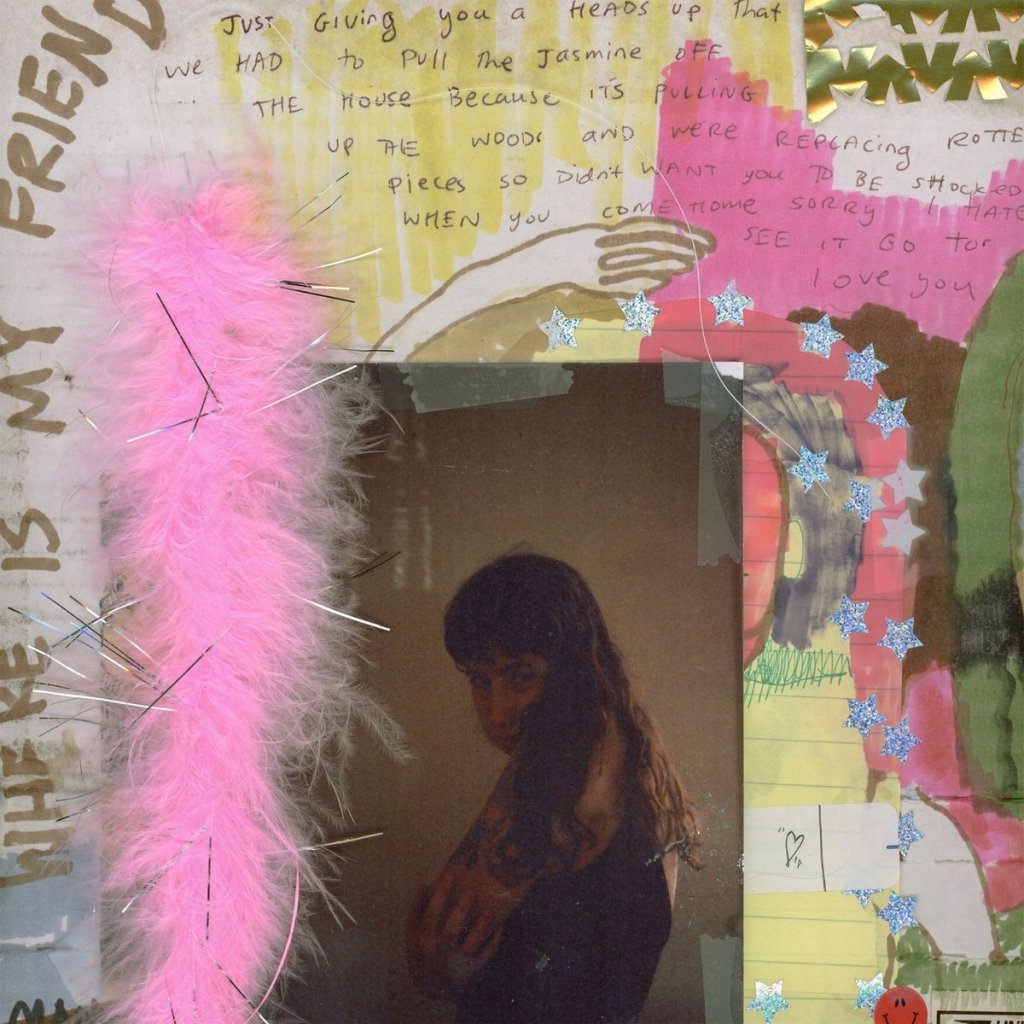
I Was Trying To Describe You To Someone is a daunting shoegaze album full of haunting lyrics, screeching guitar sounds, and past memories of mine I find to be too close and personal. Some of my personal favorites from the album are “Billboard,” “November,” “Maura,” and “Coyote.” Here’s why I like each song individually.
“Billboard” starts off with a comforting yet haunting guitar riff for the intro of the song. Karly Hartzman, frontwoman and main lyricist for the band, soft yet dominant and tantalizing, starts with the lyrics “I’m creepin’ myself out again…” and the rest of the band comes in right after. The shoegaze track moves like a well-oiled machine, with the different instrumental parts of the song moving together in sync. The song ends with the lyric “Billboard made me change my mind again,” a lyric I always interpreted as a reference to religion and seeing one of the many religiously ominous billboards that can be found in the midwestern and southern parts of the United States. (see the infamous “HELL IS REAL” billboard located not too far out of Columbus) This track is a certified banger.
“November,” the 5th track on the record, starts with angelic vocals from Hartzman and deeply toned guitar chords. The first verse is filled with beautiful, sparkling lyrics and visuals in reference to someone.
The evening hydroplanes, the streetlights, they start screaming
The air is thick enough to hold, your nose starts bleeding
You kindly, slowly walk around your empty house
The smallest sight of you is shimmering on the ground
The only words in the chorus are “November”. Hartzman sings them with a deep, dark yearning, unlike anything I have heard before. Her voice is backed by MJ “Jake” Lenderman, who delivers rich harmonies. The pair work together musically like the best combo you’ve ever seen. Bread and butter. Cheese and crackers. I am not sure why I’m using food analogies, but they pair together like a nice meal and a glass of deep red, bitter wine.
My favorite lyric on this track is “There’s nothing like the way you loiter in my heart.” I have remembered this lyric; it has loitered in my heart in a way that no other lyric ever has. I find myself reminiscing on every relationship and breakup I’ve ever had, all the times it didn’t go well and I wondered why, all the times I was yearning for something I didn’t even realize I wanted. It all comes flooding back to me when I hear this song. It’s a good one.
“Maura,” the sixth track, is more of a fun one. The song is about Hartzman’s older sister, and what I am assuming their relationship has been like growing up together. This track gets me amped up.
Maura’s yelling over music playing at the party
She knows options make me nauseous
She knows I’m annoyed and cautious
She knows stupid things can stop this
I am looking up pink coffins
This track is sprinkled with pop culture references, and is lyrically my favorite Wednesday track (all of them are good; this one rises above). There are references to Ari Aster’s directorial debut, Hereditary, which came out in 2018. There are references to The Addams Family and quotes from Morticia Addams, one of my favorite characters in the Addams family.
Instrumentally, this track offers a bit more hope and exhilaration. I often use this track as a hype-up song for myself. The intro begins with a build-up, and when the track gets going, you just can’t stop it. The chorus is simple, only two lines, but the instrumentals drive the lyrics, and they work together like a pair of hardcore kids learning how to two-step in their mom’s basement. This track is GOLDEN
Coyote is my last favorite on the album. It reminds me of one of my favorite Columbus bands, Starling (RIPPPPP miss you :/) and their song “colors only birds can see” can draw a lineage between the two songs, as I interpret them taking the same form and movement throughout each (the Starling one is so great, you should check it out. They’re on spotify as “starling.”).
This one is my favorite because it’s creepy as fuck. I literally cannot listen to it late at night because it disturbs me. Of course, there are so many lyrics here I can parallels to.
“Don’t wash your hair
The socks and shoes and underwear
The attic light left on all night
My back against your chair”
These lyrics remind me of when I was growing up and experiencing depressive episodes. I was only 13 or 14, and I wasn’t taking care of myself properly. I would spend way too long in my attic making music or watching music videos on my computer. I would leave the attic light on because I was scared to be alone in the dark. Dark times, but good times for sure. I was learning, I was growing, and I was loving the things around me.
This track is an easy one to move through instrumentally, but you have to listen to it to figure that out for yourself. It’s not too hard to digest musically, so I won’t put you through my breakdown of it.
This album is a CERTIFIED BANGER™. I love it with all of my heart. I could go on and on about it, but I believe I have said enough for now.
Listen to it on Soundcloud here.
Words by Jacob Cook
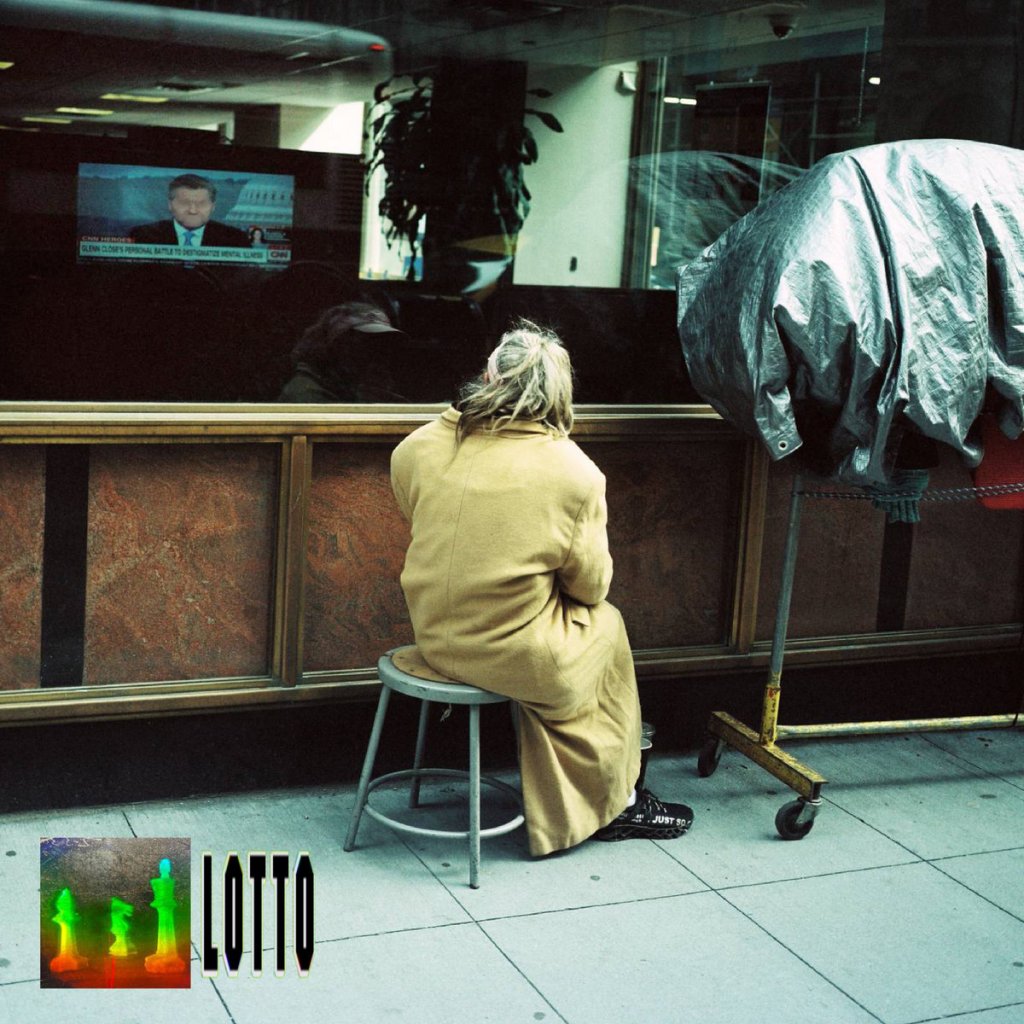
LOTTO is the newest release from the Philly shoegaze outfit “they are gutting a body of water” (henceforth, TAGABOW). Released October 17, this newest project marks their latest since Lucky Styles, released in 2022 (oddly enough, their past 3 projects have been released on October 17th, 3 years apart). Their frontman, Doug Dulgarian, has been quite vocal on the album’s close connection to his daily experiences and how it presents itself as “my attempt to surface through a sea of false muck” (KERRANG).
The project kicks off with “the chase” along with its heavy and atmospheric instrumental. Heavy “walls of sound” are briefly relieved with echoey melodies, only to return to the crushing intensity of shoegaze-y style riffs. The lyrics feel almost haunting with their deadpan delivery while addressing addiction in the context of relationships. Dulgarian’s description of a partner witnessing another’s relapse as “the me she remembers, the promising mirage of water in this cruel desert,” still sticks in my brain like gum on the bottom of my shoe—certainly not the lightest of tracks (both sonically and thematically), but still an incredible opener.
Another favorite of mine off this project has to be “rl stine.” As a shoegaze fanatic, this track is ear candy of the sweetest order. The way that different tones are layered on top of each other gives this track such an interesting texture (especially how they achieve this nice blend of echoey and fuzzy tones during the verses to let the drums and vocals shine through). The heavy “wall of sound” portions feel perfectly executed, bringing incredible intensity without seeming gratuitous. I also love how Dulgarian draws upon frequent encounters with a man whom he always buys cigarettes for, knowing that he’ll likely trade them for drugs for lyrical inspiration (especially in the context of his own addiction). This track has so much depth and personality; it has to be one of my favorites on the project.
Immediately following “rl stine” is my favorite instrumental from the project, “slo crostic.” What I like about this track is that it breaks the traditional mold of a shoegaze track. You still get the signature distorted tones and riffs here, but there’s a notable emphasis given to the drums and bass, letting them all share the limelight. A lot of modern shoegaze seems to put so much emphasis on the guitars to the point that the rest of the instrumentation falls flat, but this track presents a lovely break from this formula. While I don’t think this track is earth-shattering, I think it serves its role well and avoids a common pitfall that irks me in the modern shoegaze scene.
The next track “violence iii” sits up with “rl stine” on my favorite tracks on this project. While I think it can be somewhat reductive that many shoegaze tracks/albums get compared to my bloody valentine, however, this track scratches a similar mbv-shaped itch for me. The sampling combined with the soft vocals during the verses combined with the crushing riffs during the choruses feel like something I would find off projects like Loveless. The transitions between the echoey plucked guitar sections and the distortion-heavy riffs feel so satisfying that I cannot help but stop and bask in them each time. As a shoegaze lover this track delights me to no end and is by far my favorite on the project.
Not every track on this record is a total hit for me, “BAESIDE K” being a perfect example. This track falls into a pitfall that a significant portion of modern “heavy” shoegaze acts fall into, namely, it lacks personality. The riffs just feel super generic and tire themselves out quickly without ever making much of an impact on the listener. TAGABOW does such a great job of layering sounds on previous tracks, but we don’t really see that here and instead just get this constant sound for the whole 3-minute runtime. It’s not the worst song I’ve ever heard, the problem is that it sounds like every other “heavy” shoegaze-revival track made in the past 5-10 years.
To bring this review to a close, TAGABOW is one of the more interesting shoegaze acts of recent years for their level of depth both lyrically and instrumentally. The vast perspectives and anecdotes that Dulgarian draws on for his vocals are harrowing and masterful. I love his ability to string together euphemisms and metaphors to relay some of the darkest parts of human experience. I loved how the group situated different tones and effects in their instrumentals to give each track a unique texture and flavor. A lot of recent shoegaze acts seem to neglect this point leading to a 40-minute album where all the tracks blend together, lacking any firm distinction between them. TAGABOW does well to avoid this pitfall (mostly), which sets this project apart from the current oversaturated shoegaze landscape.
RATING: 8/10

Photos and words by Alexandra Snyder
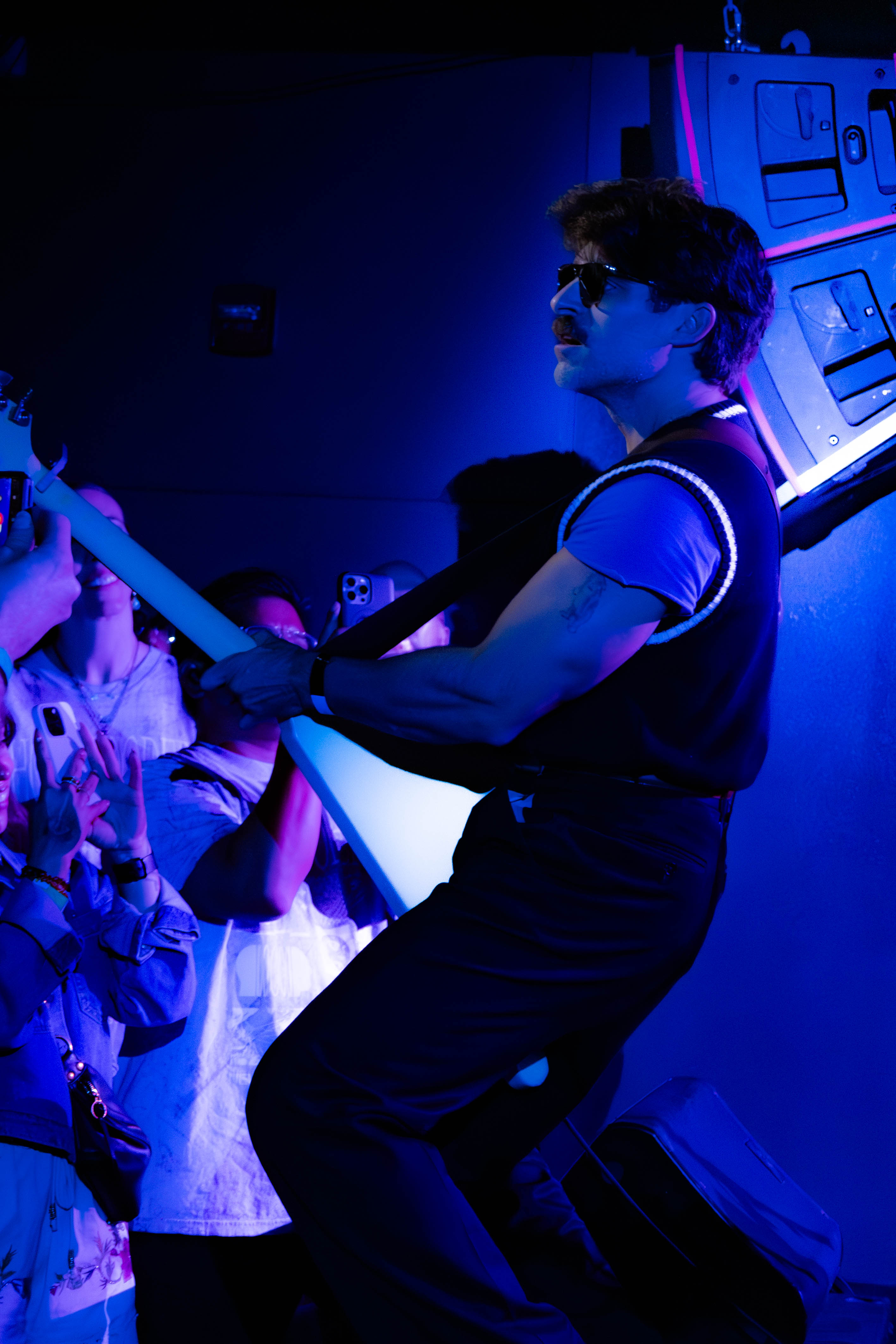
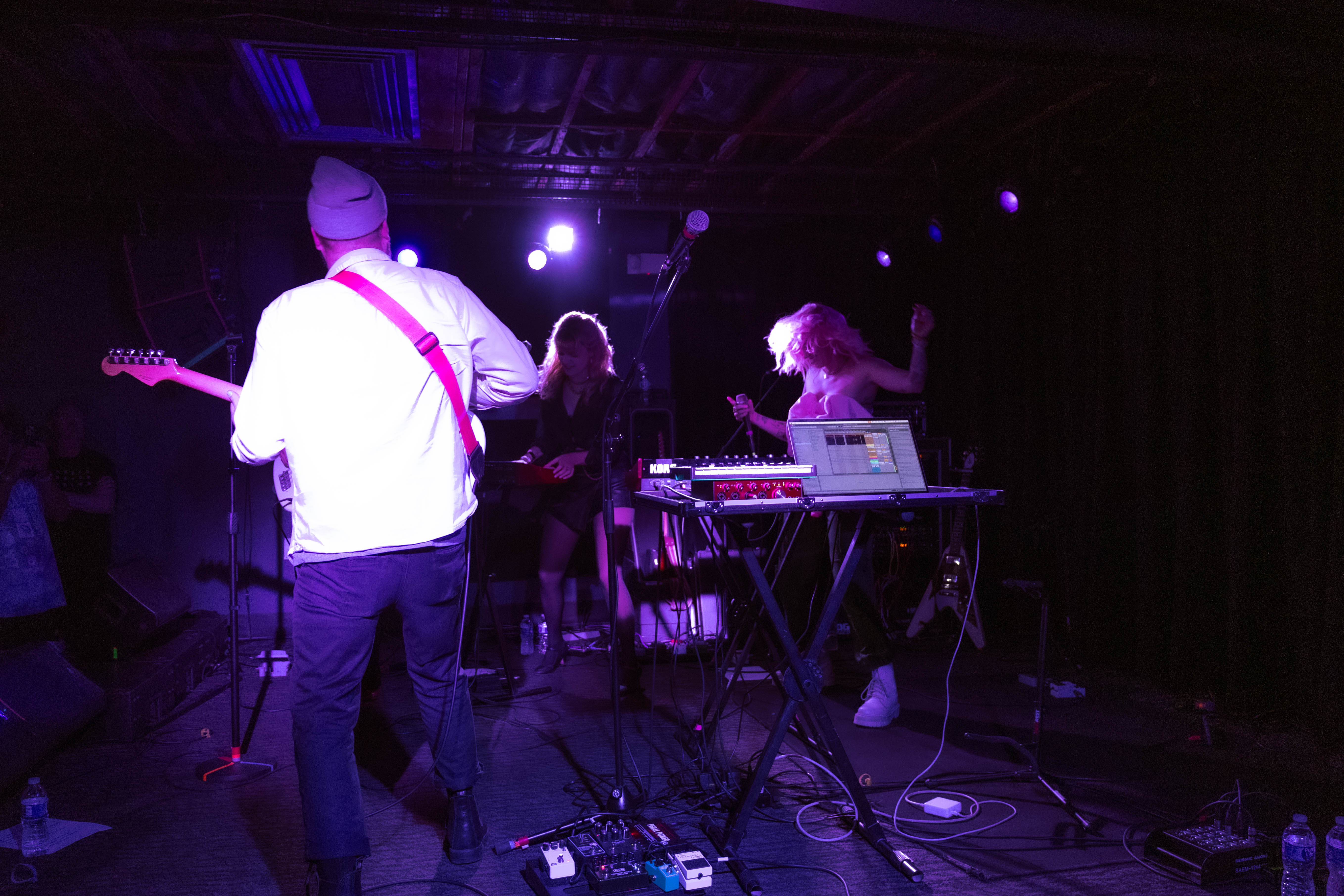
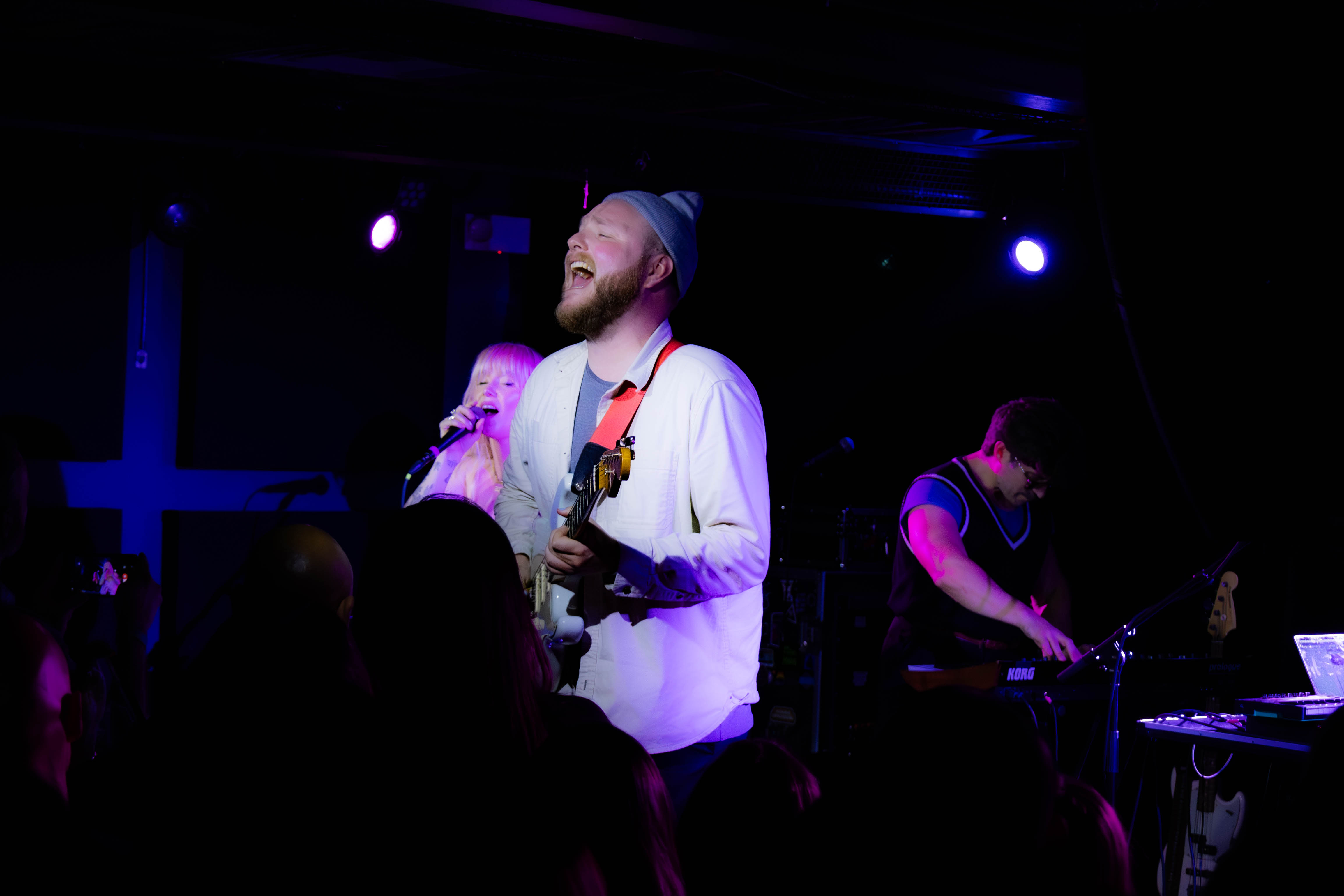
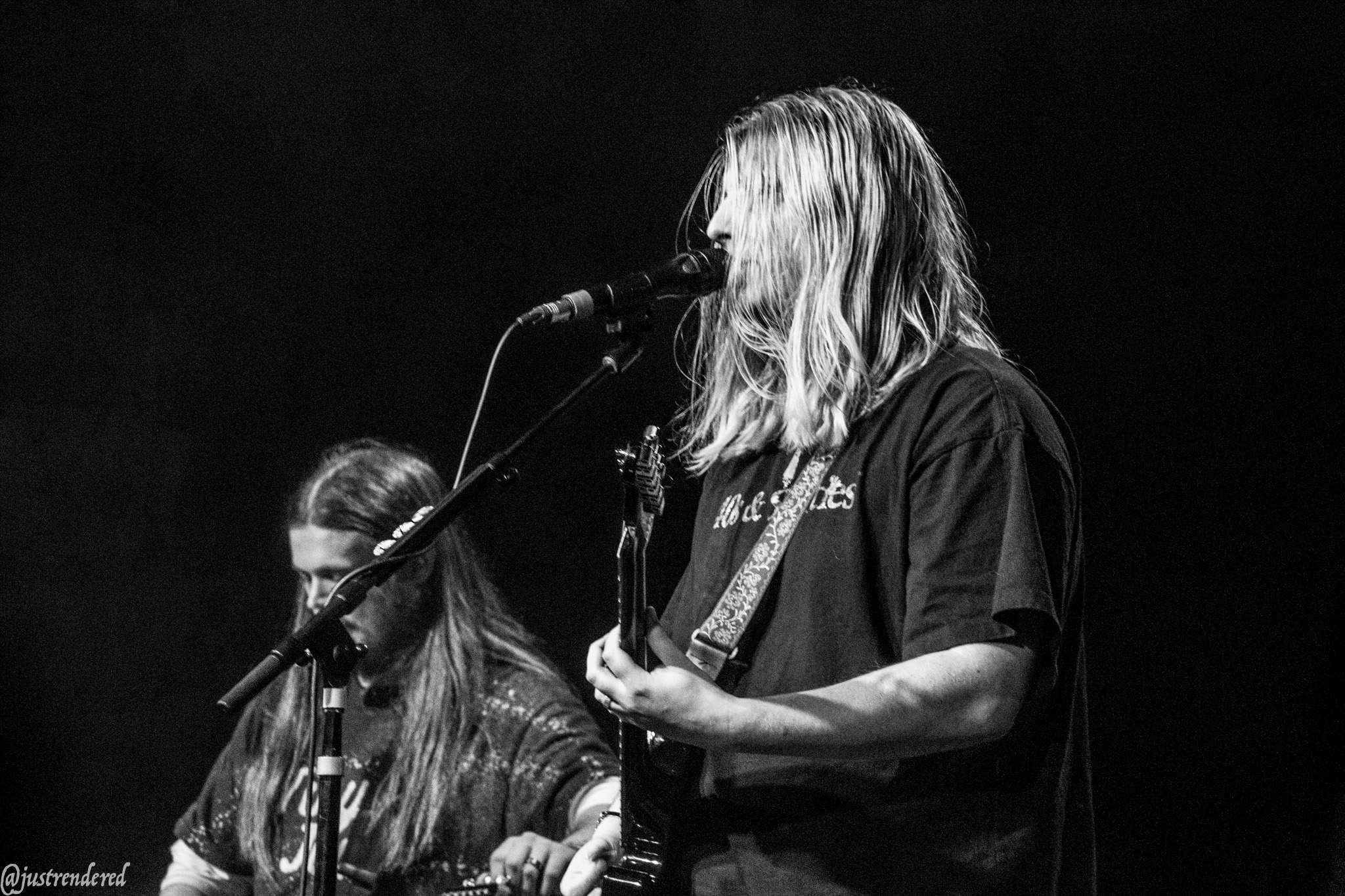
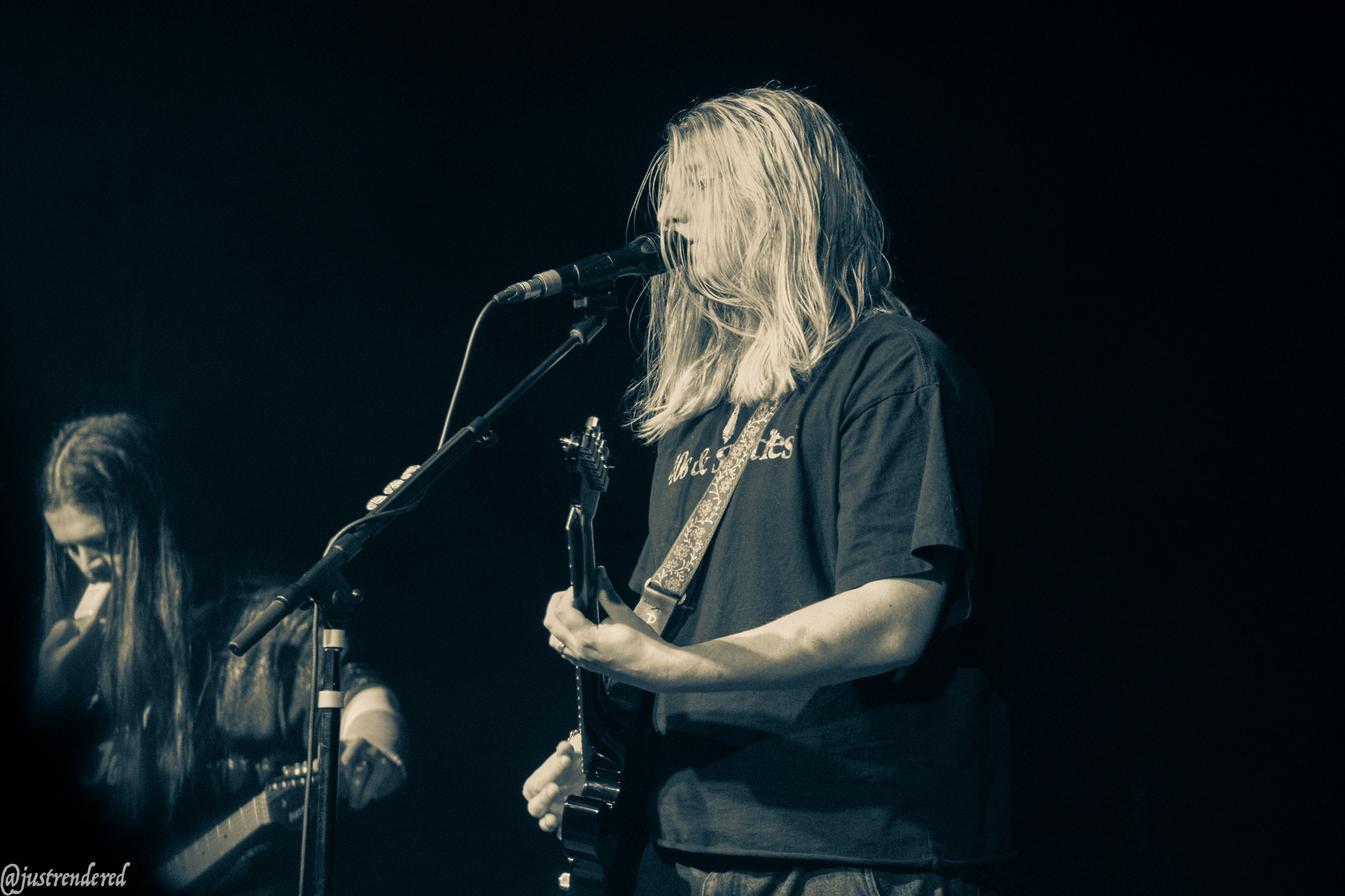
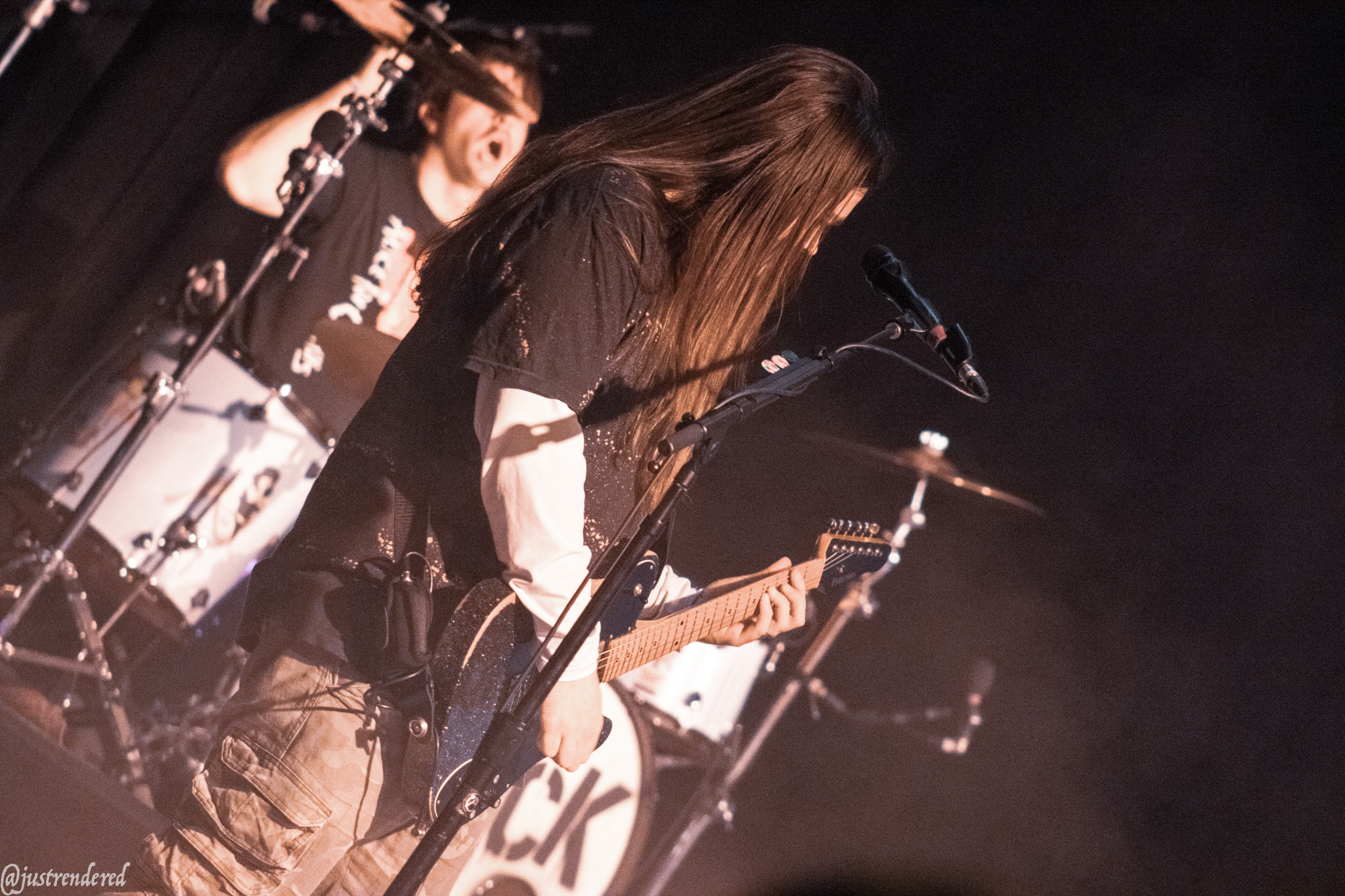
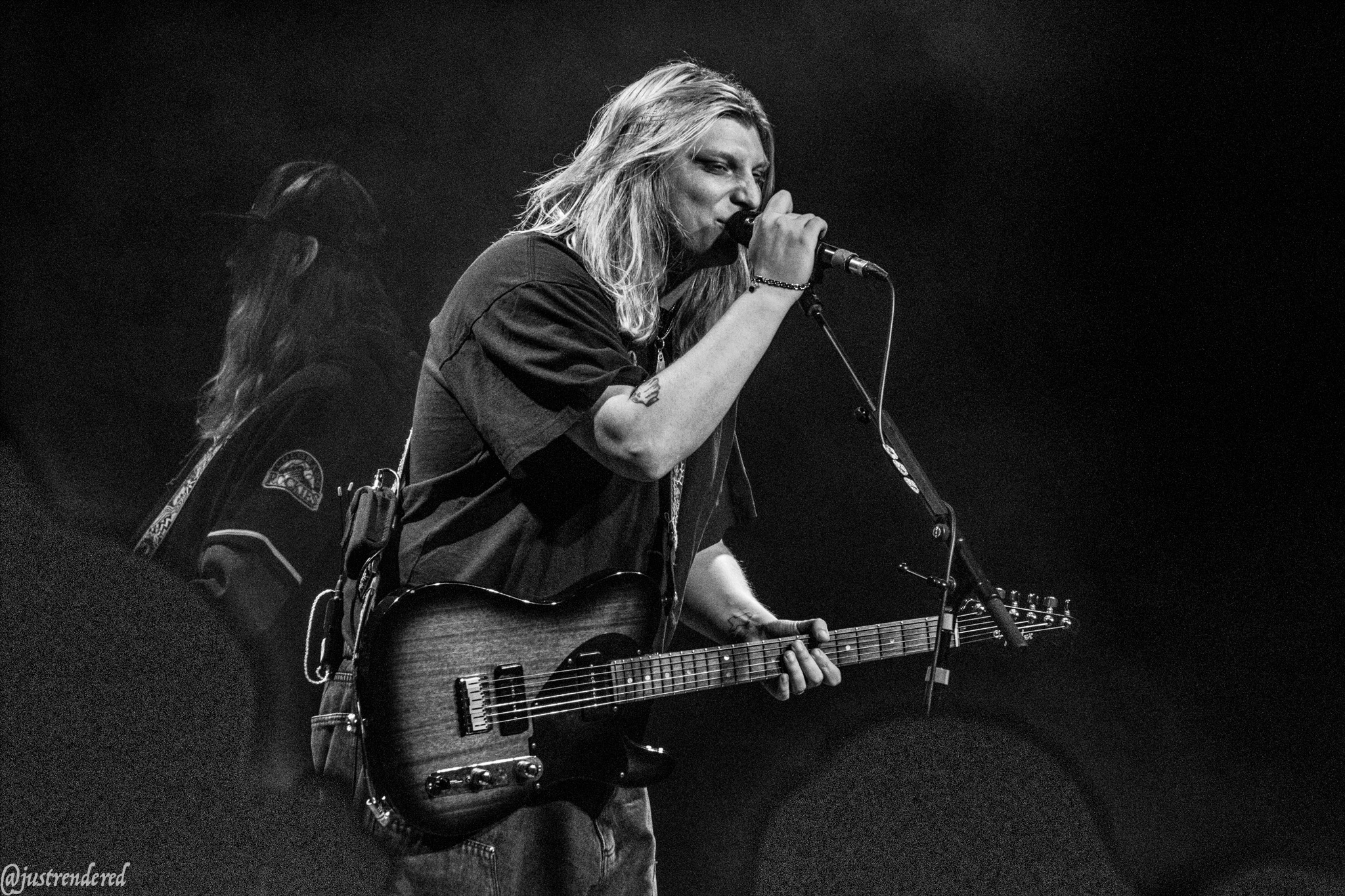
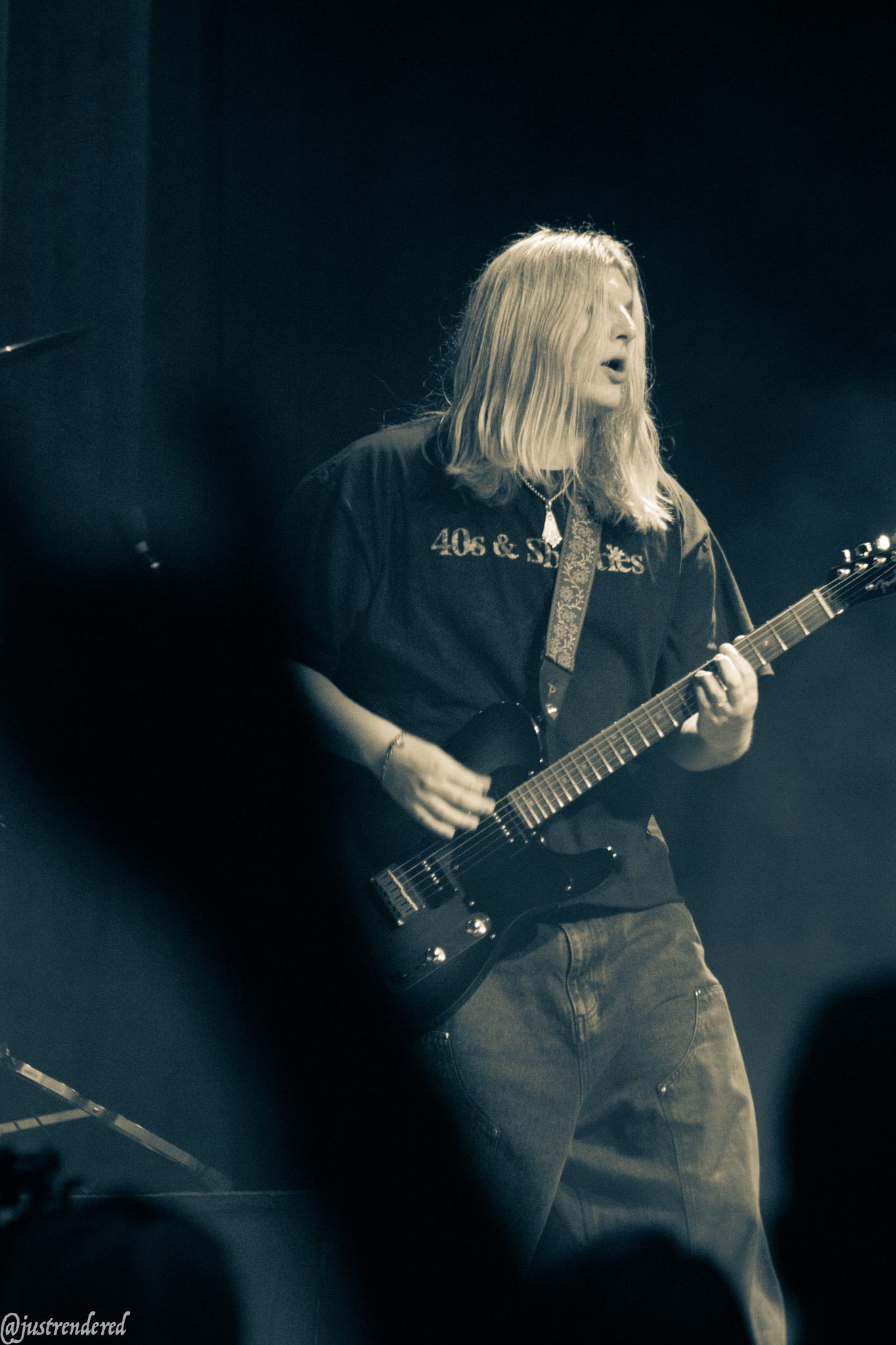
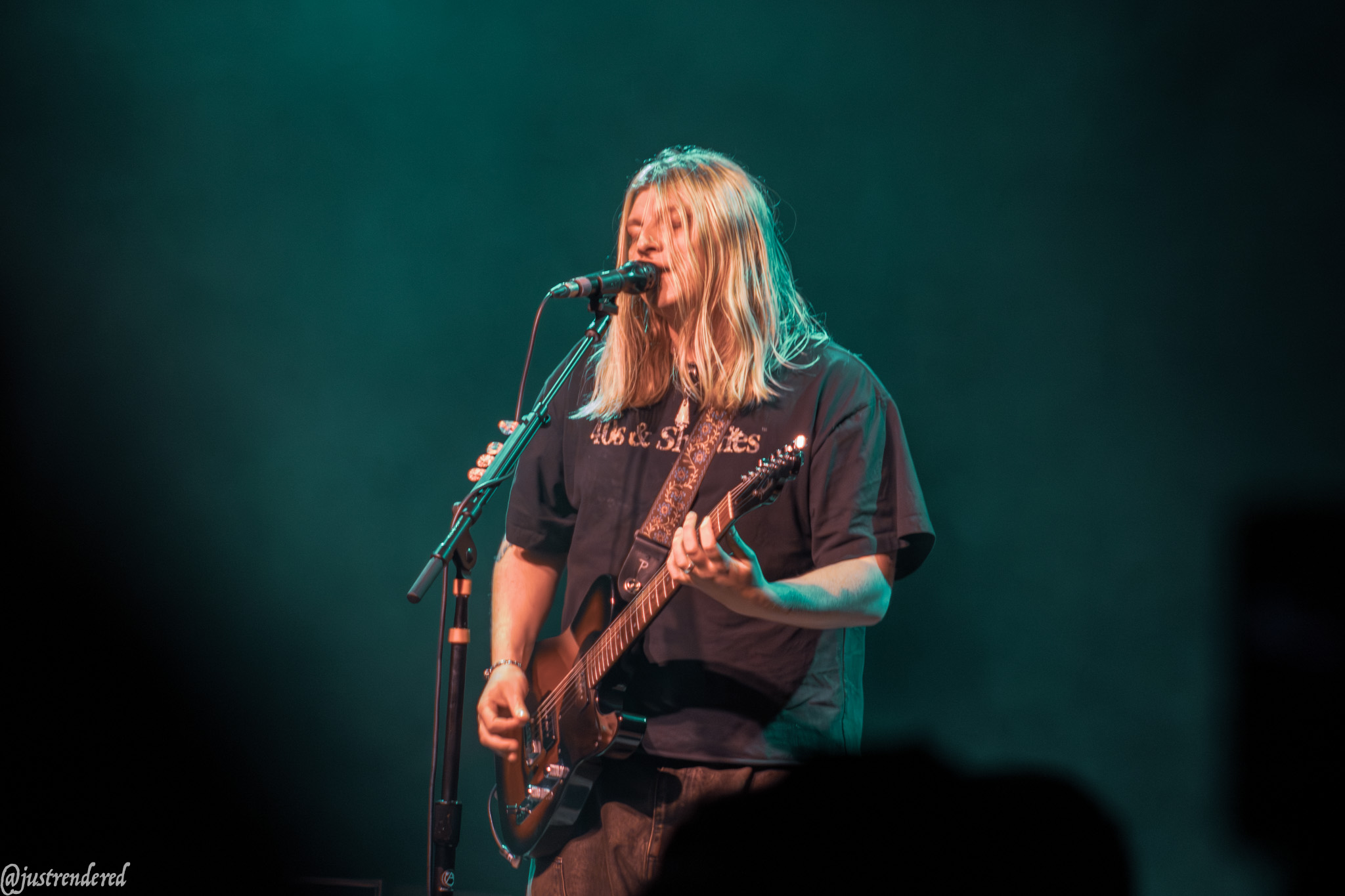
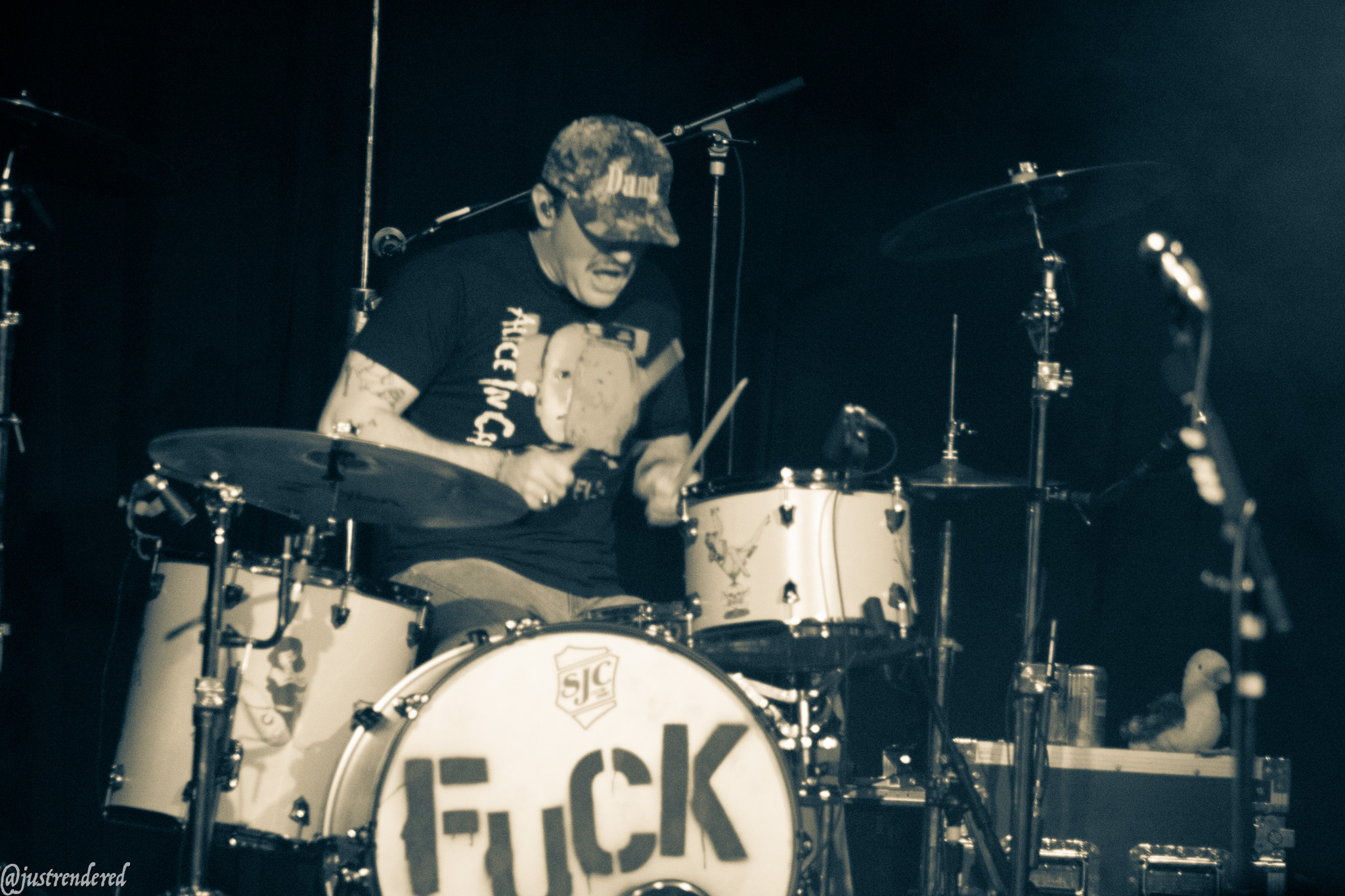
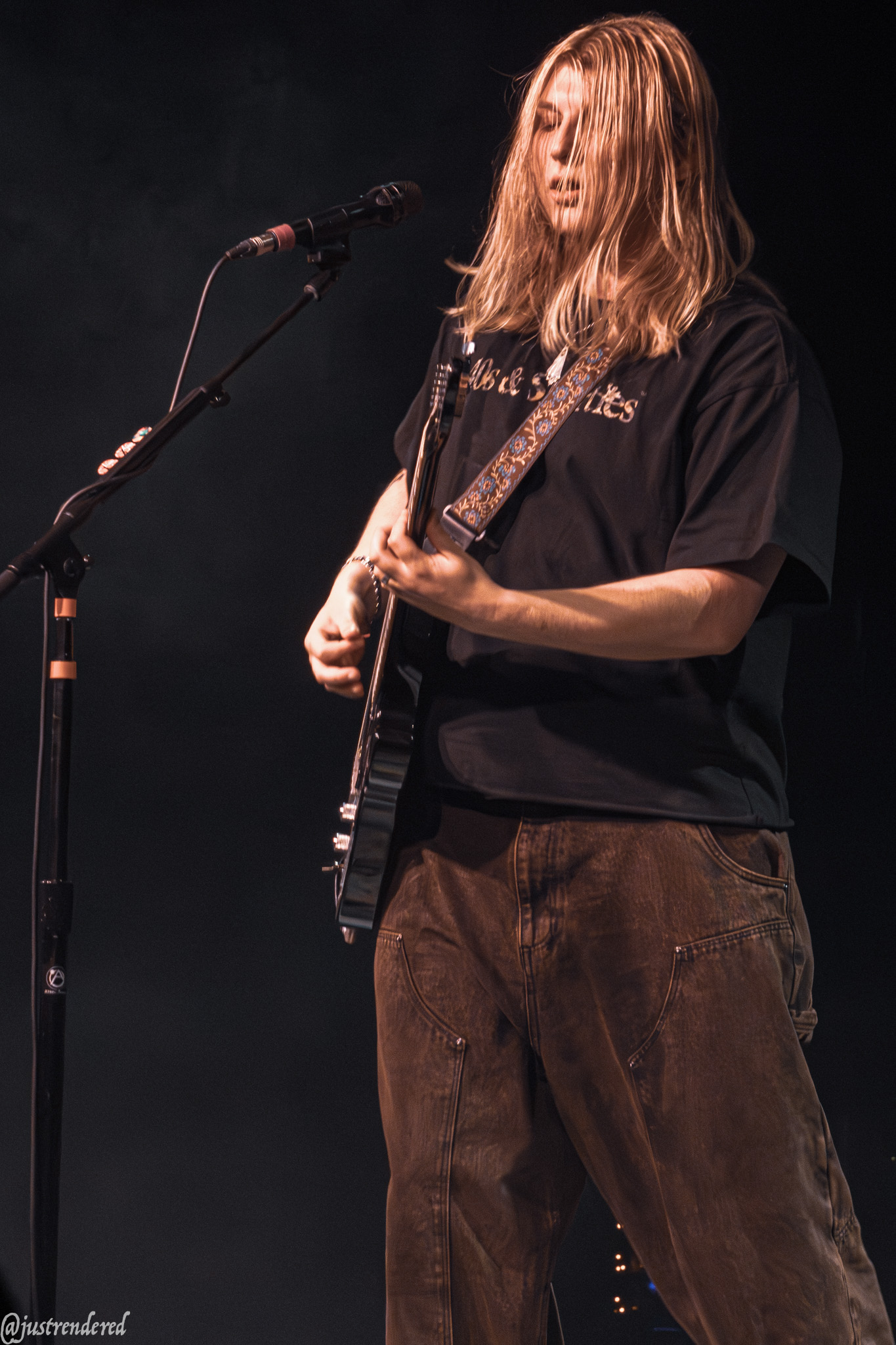
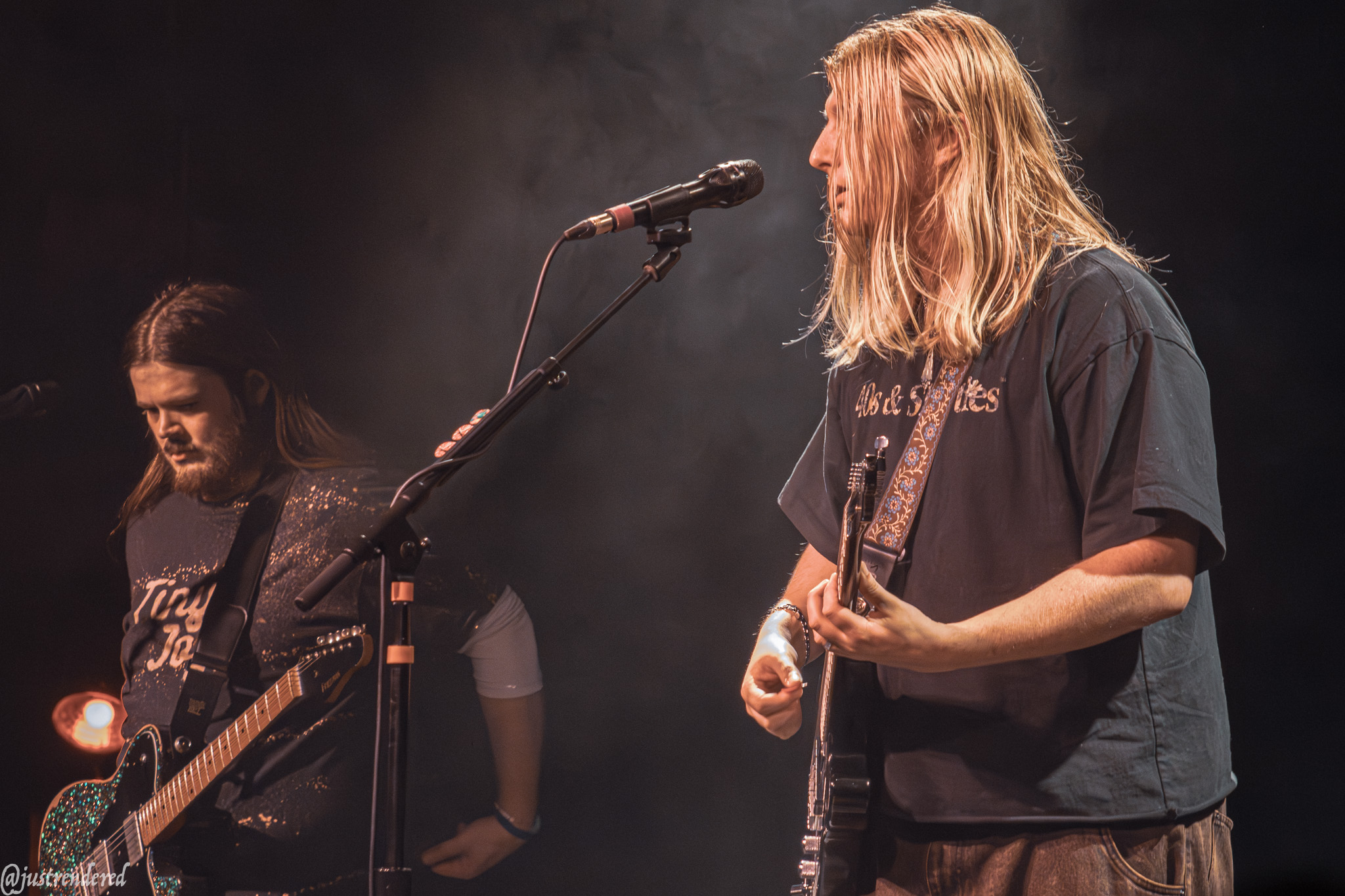
At their Phoenix stop this week hosted by The Rebel Lounge, New Constellations delivered a performance that felt less like a concert and more like a reunion of old friends. From the moment Harlee Case and Josh Smith stepped on stage, their gratitude was unmistakable, smiling between songs, thanking the crowd, and taking in every cheer with visible awe.
The night began with their tour opener, Jane Leo and husband and wife duo, who also plays in the band this run; a seamless transition that made the whole show feel like one cohesive story. It set the tone for a night built on connection, collaboration, and genuine joy.
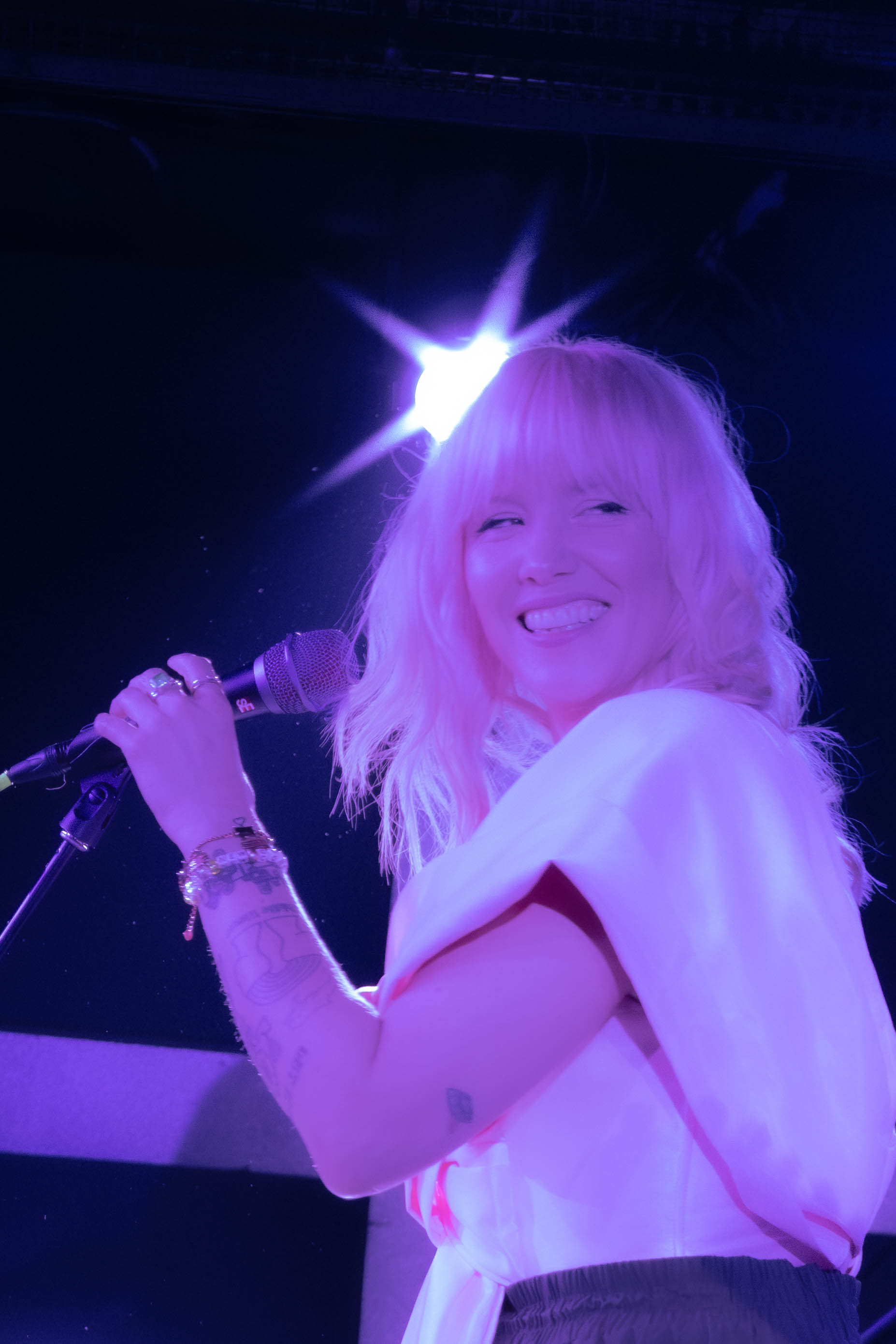
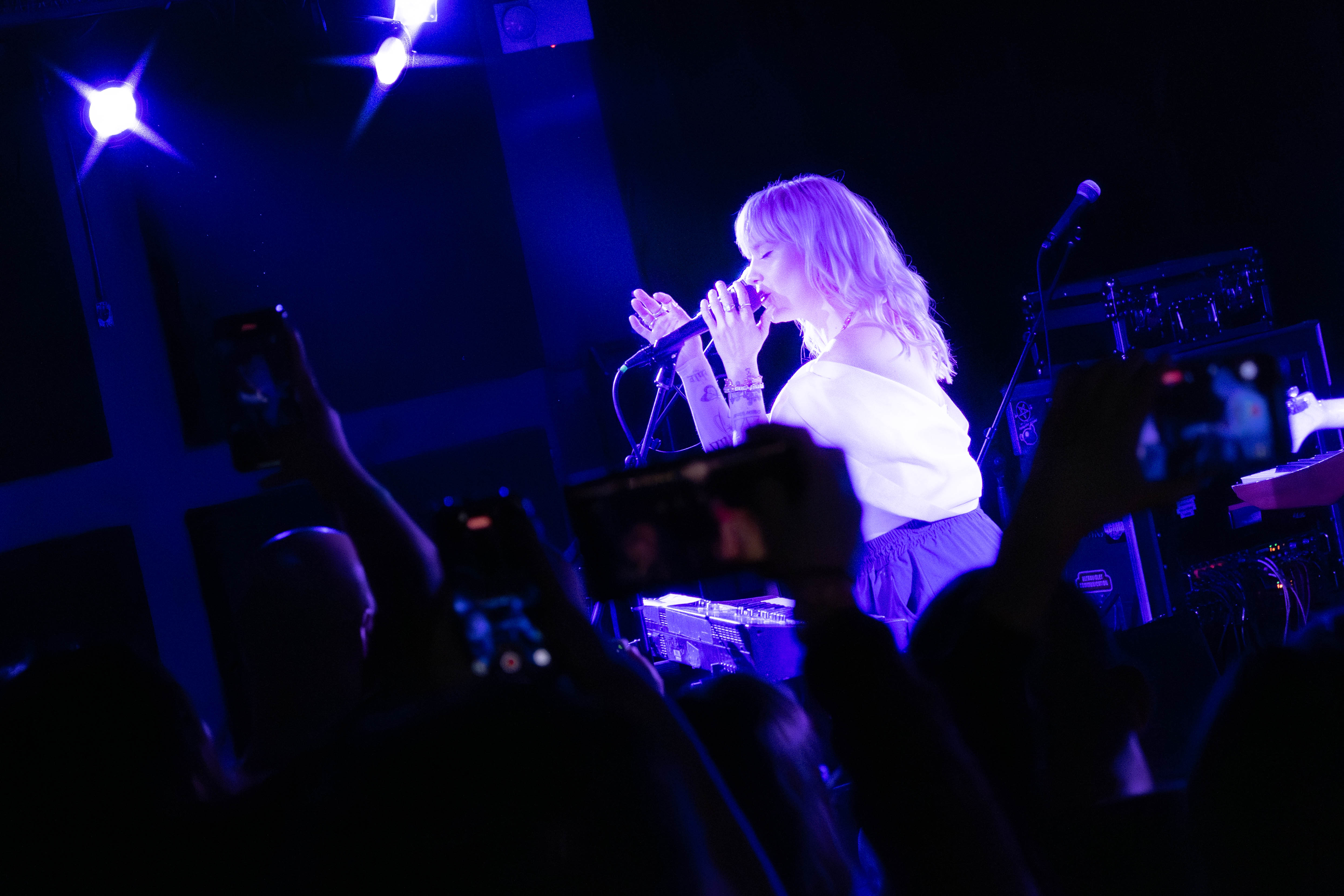
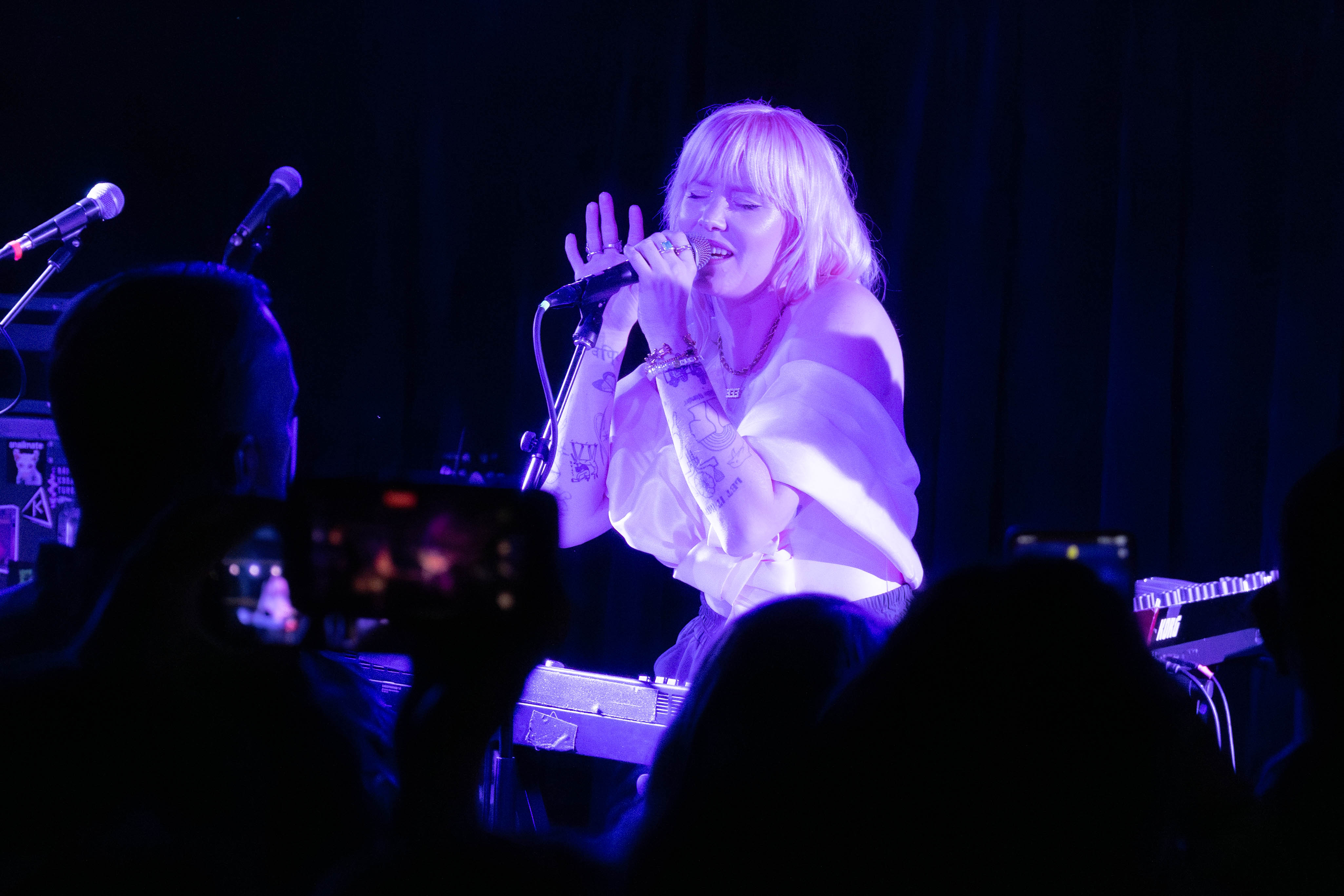
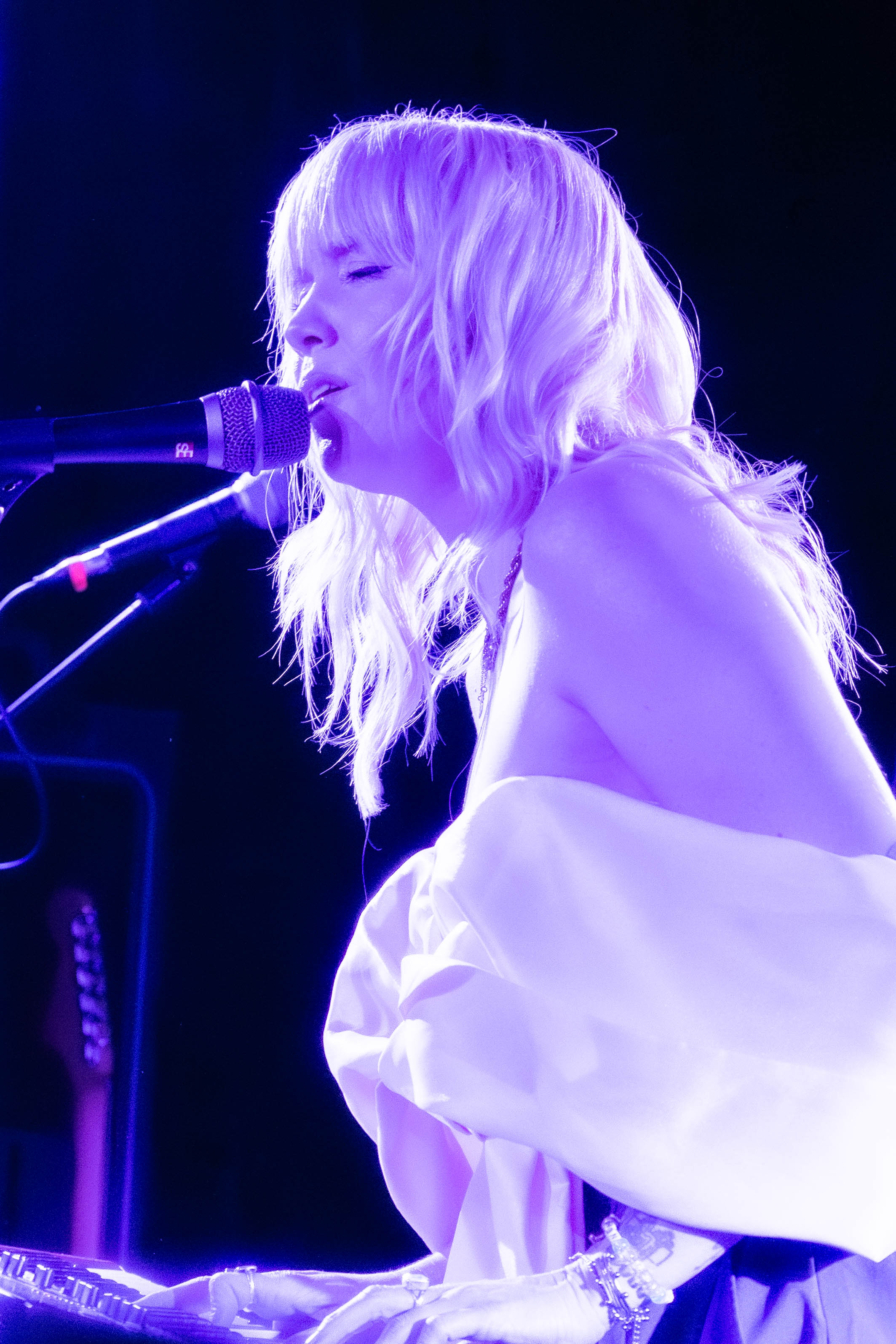
Case and Smith’s chemistry was undeniable. The two have been best friends for twenty-two years, growing up together and bonding over music long before forming New Constellations. That shared history showed in the way they performed—finishing each other’s lines, exchanging grins between choruses, and radiating the kind of trust that only decades of friendship can build.
Their set was lush and cinematic, filled with sweeping harmonies and an emotional pulse that seemed to expand through the crowd. During the final song, the audience swayed in sync, a reflection of the deep sense of unity the band cultivates so naturally.
In a music landscape often driven by image and polish, New Constellations’ Phoenix show was a reminder of what happens when authenticity leads the way: gratitude, connection, and a room full of people who don’t want the night to end.



 Polyvox Magazine