Author: Polyvox Magazine

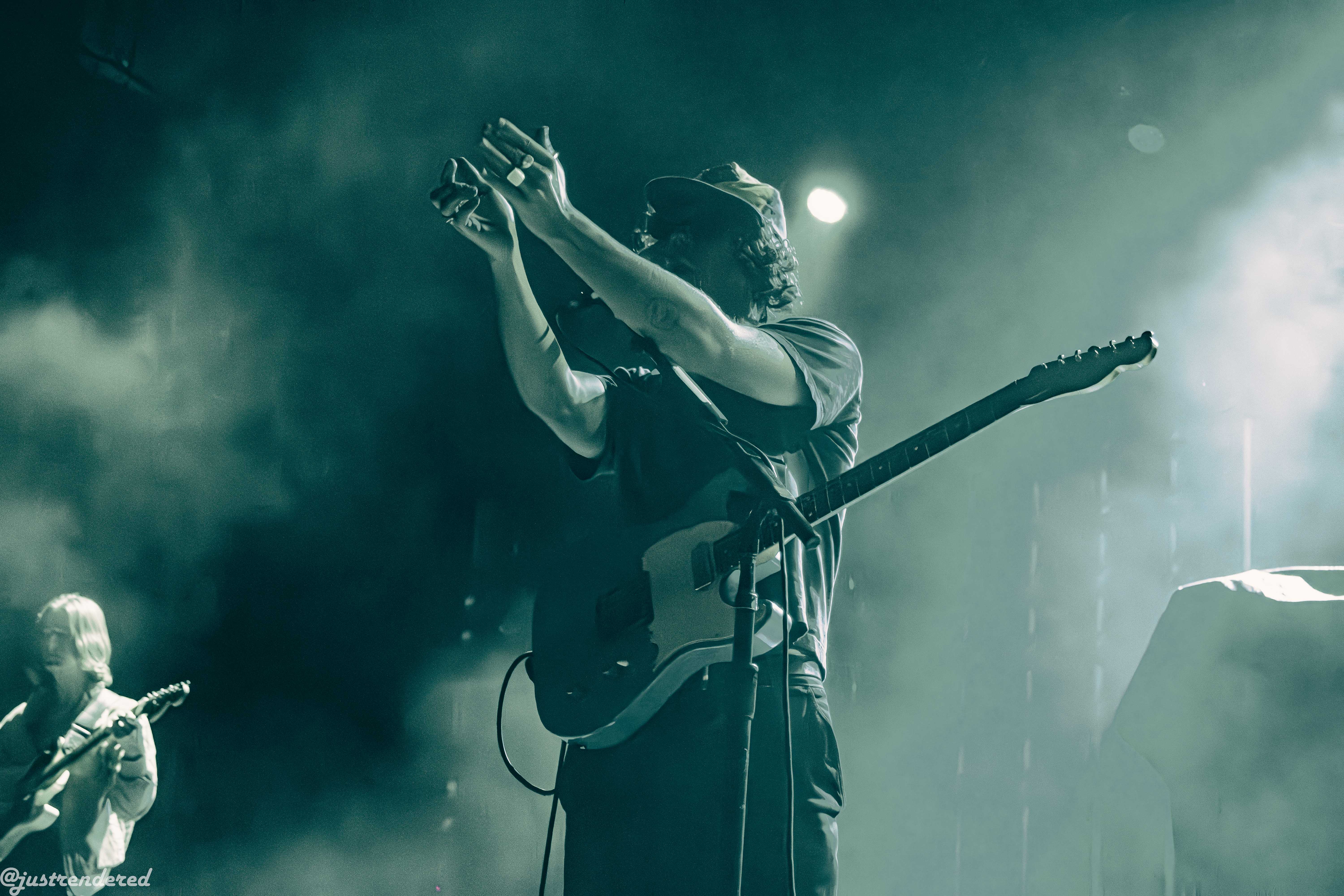
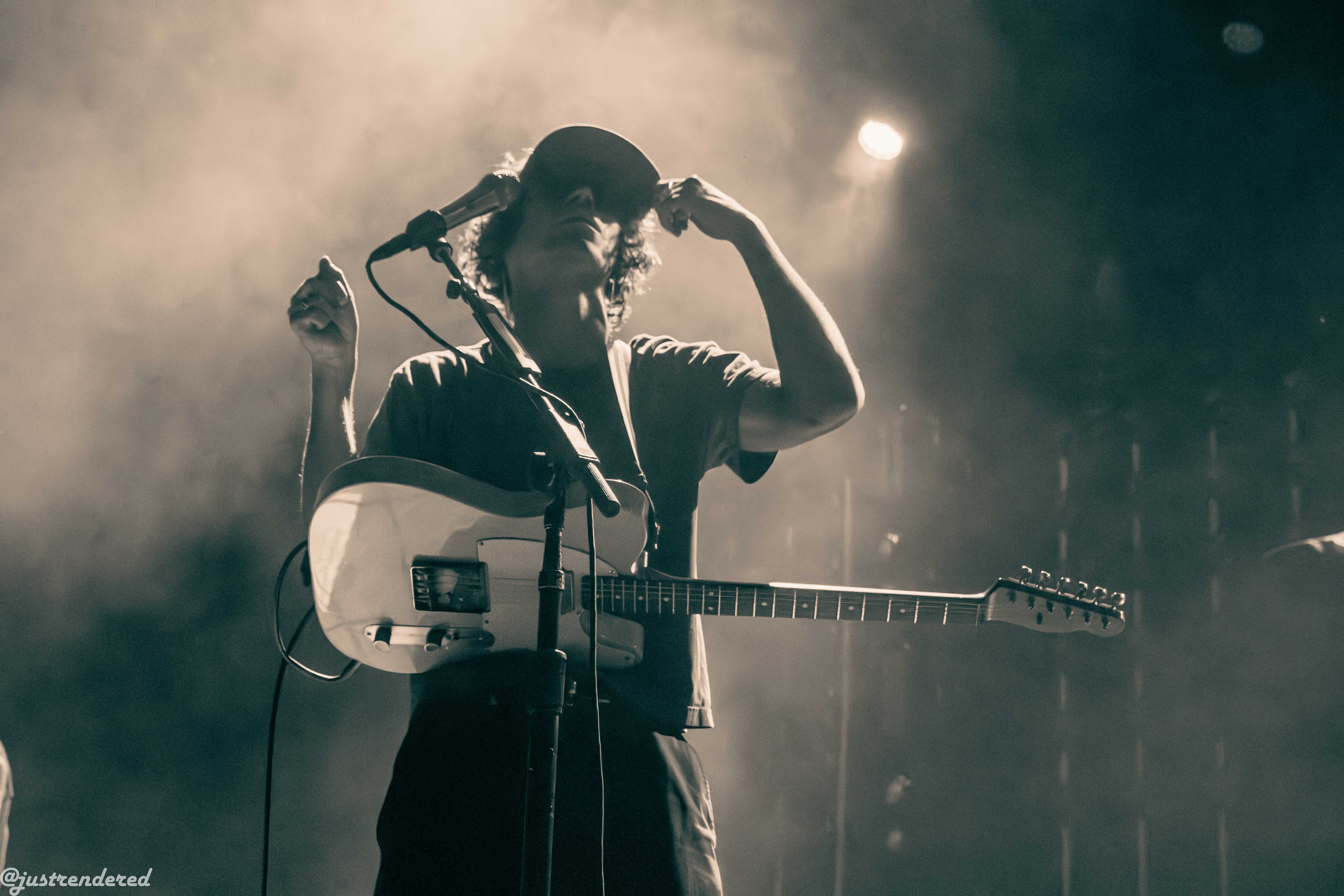
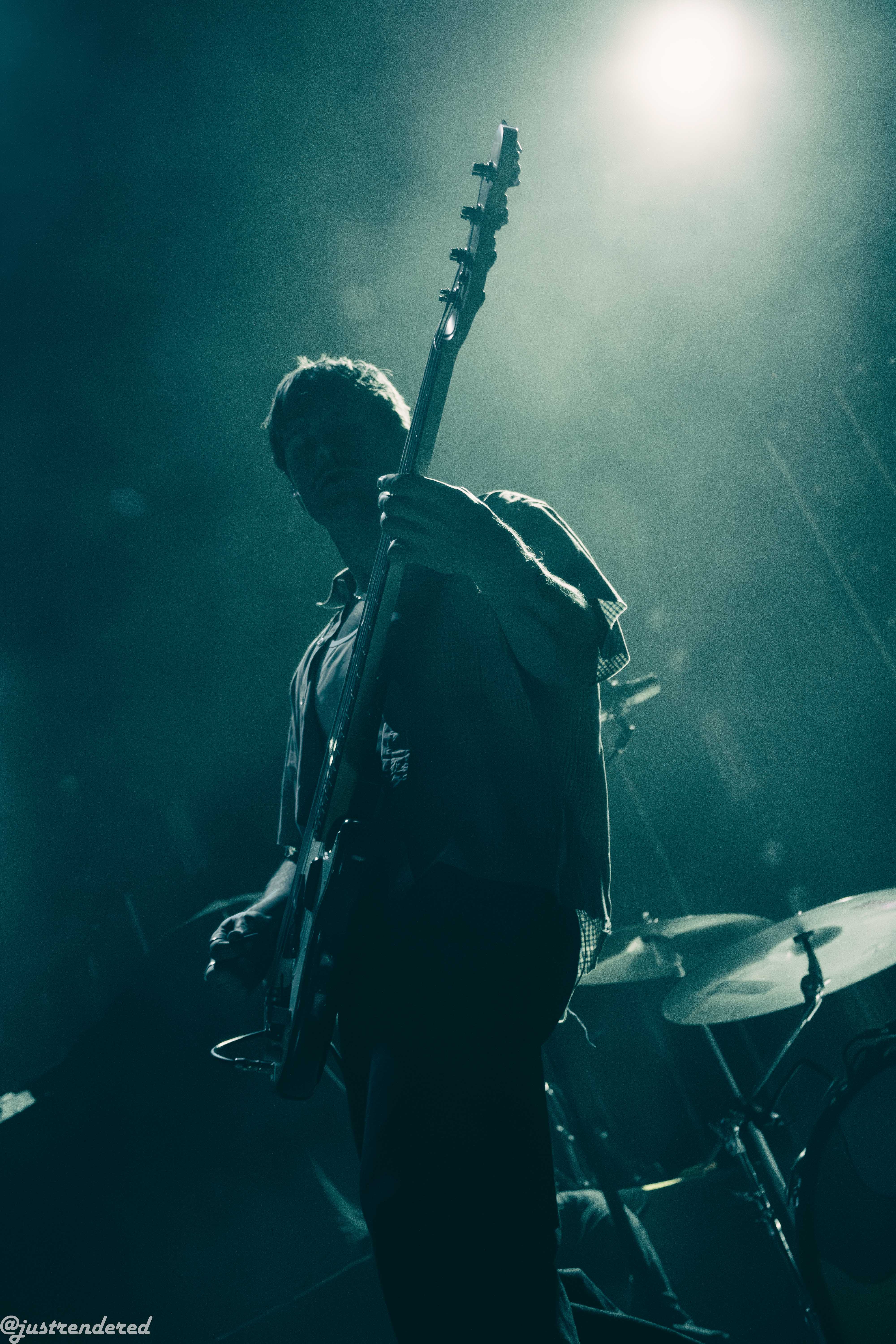
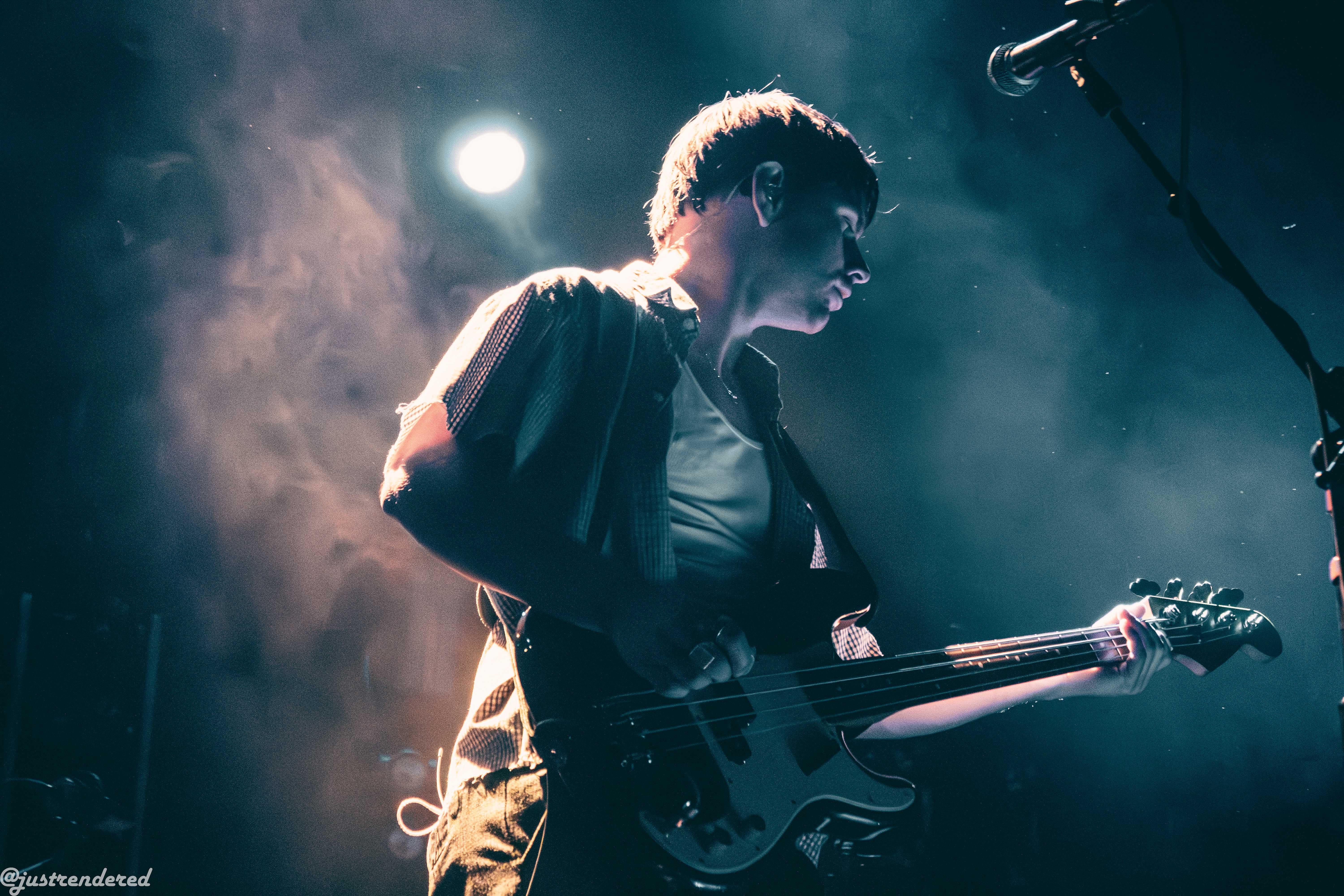
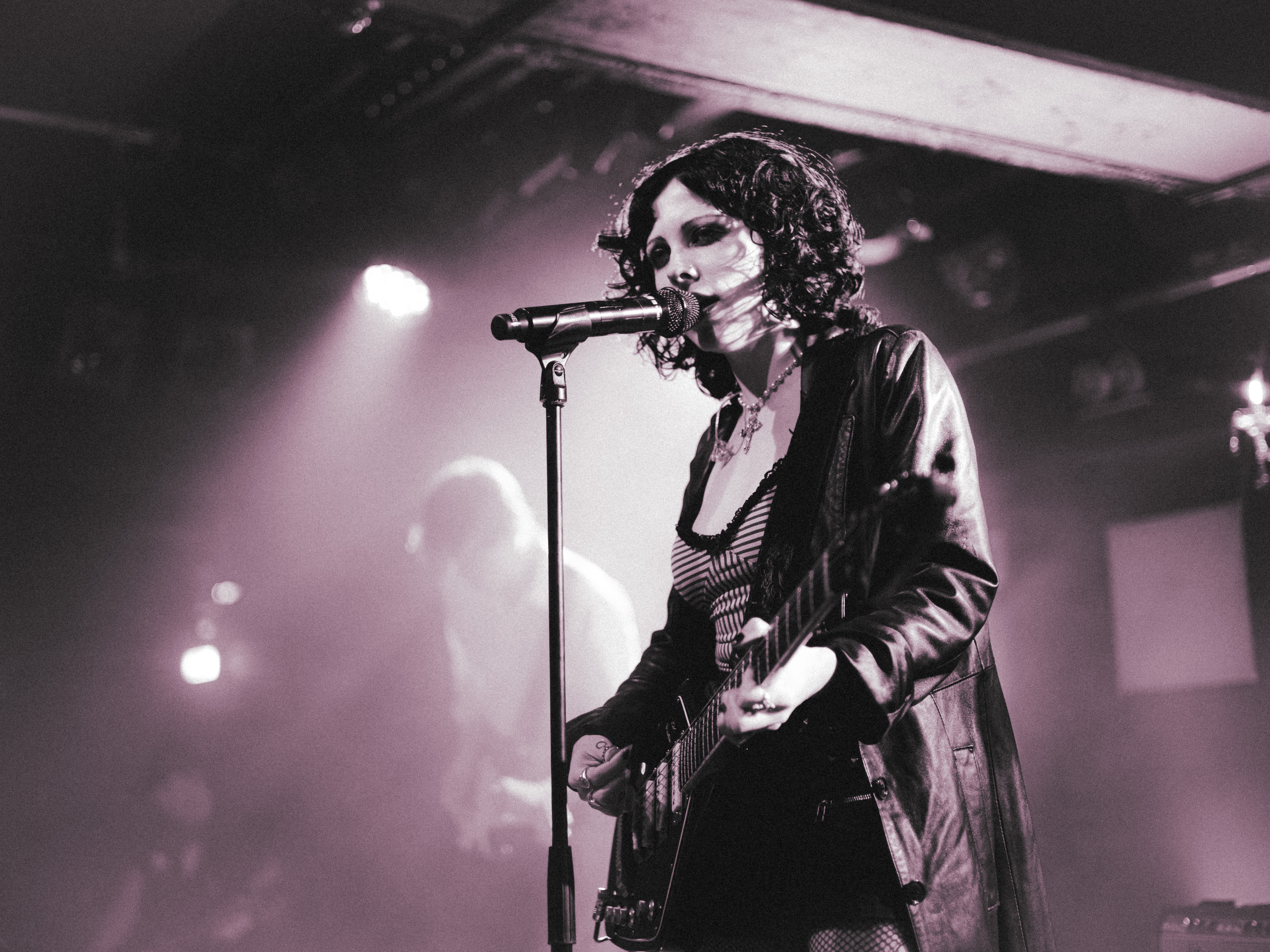
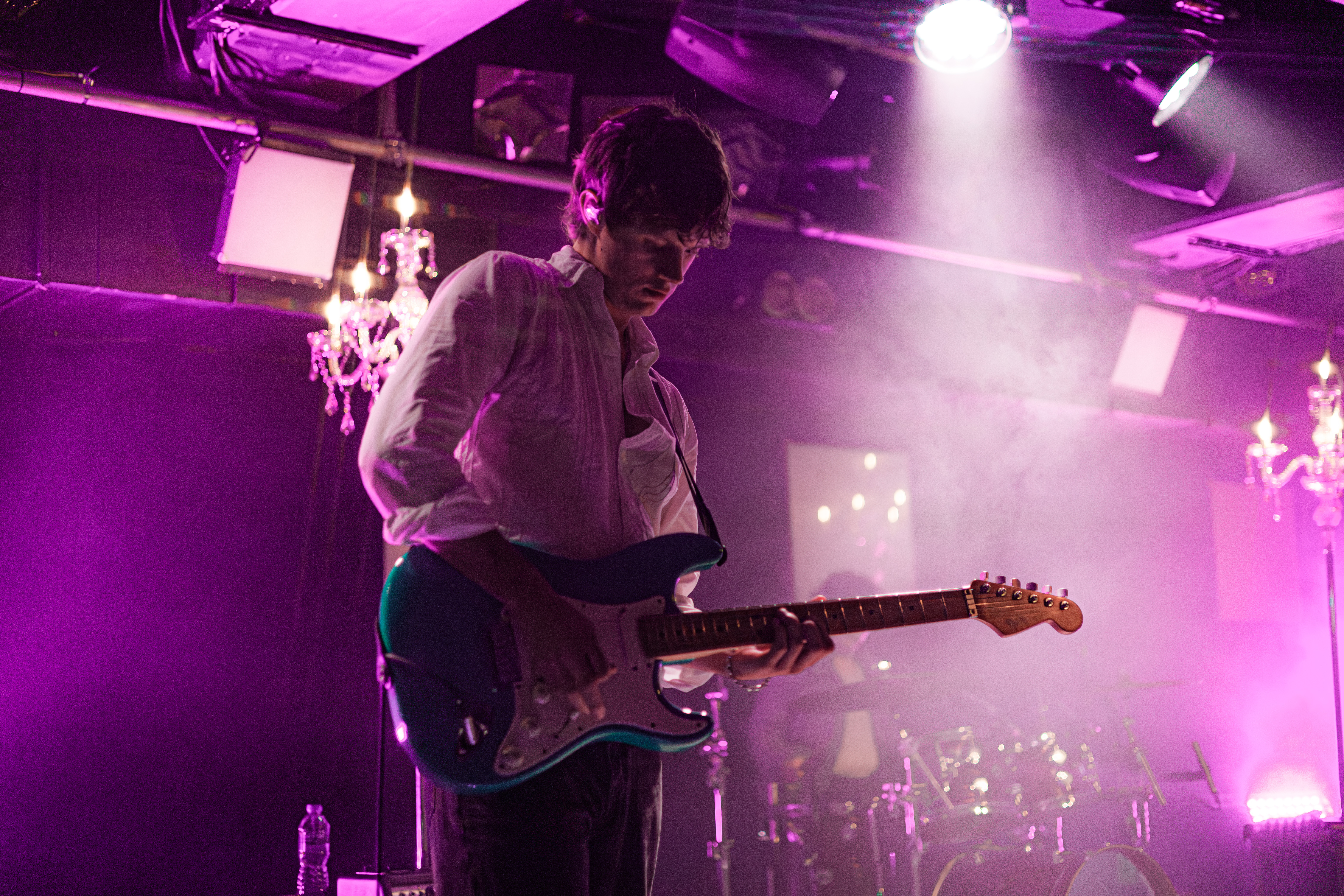
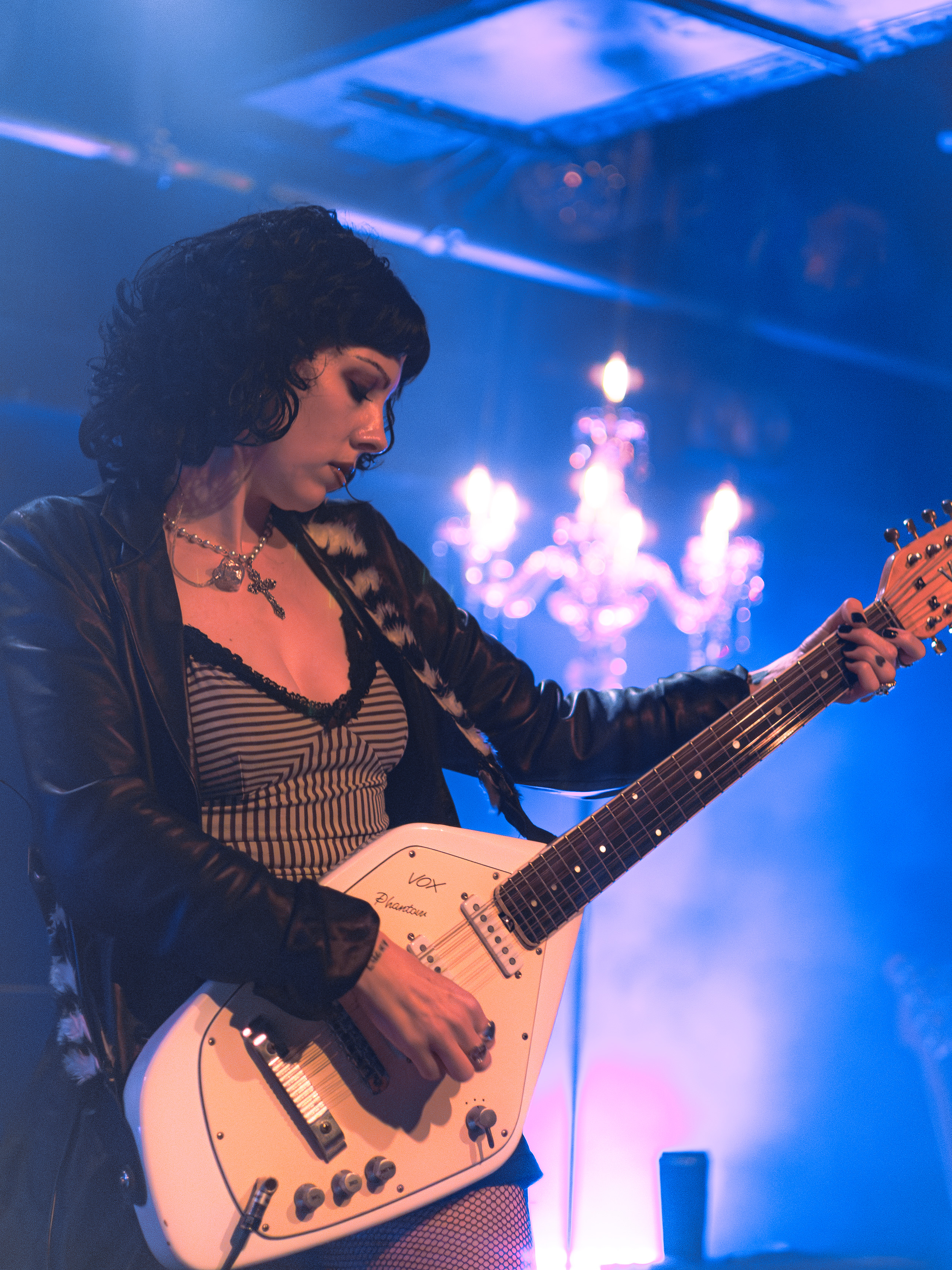
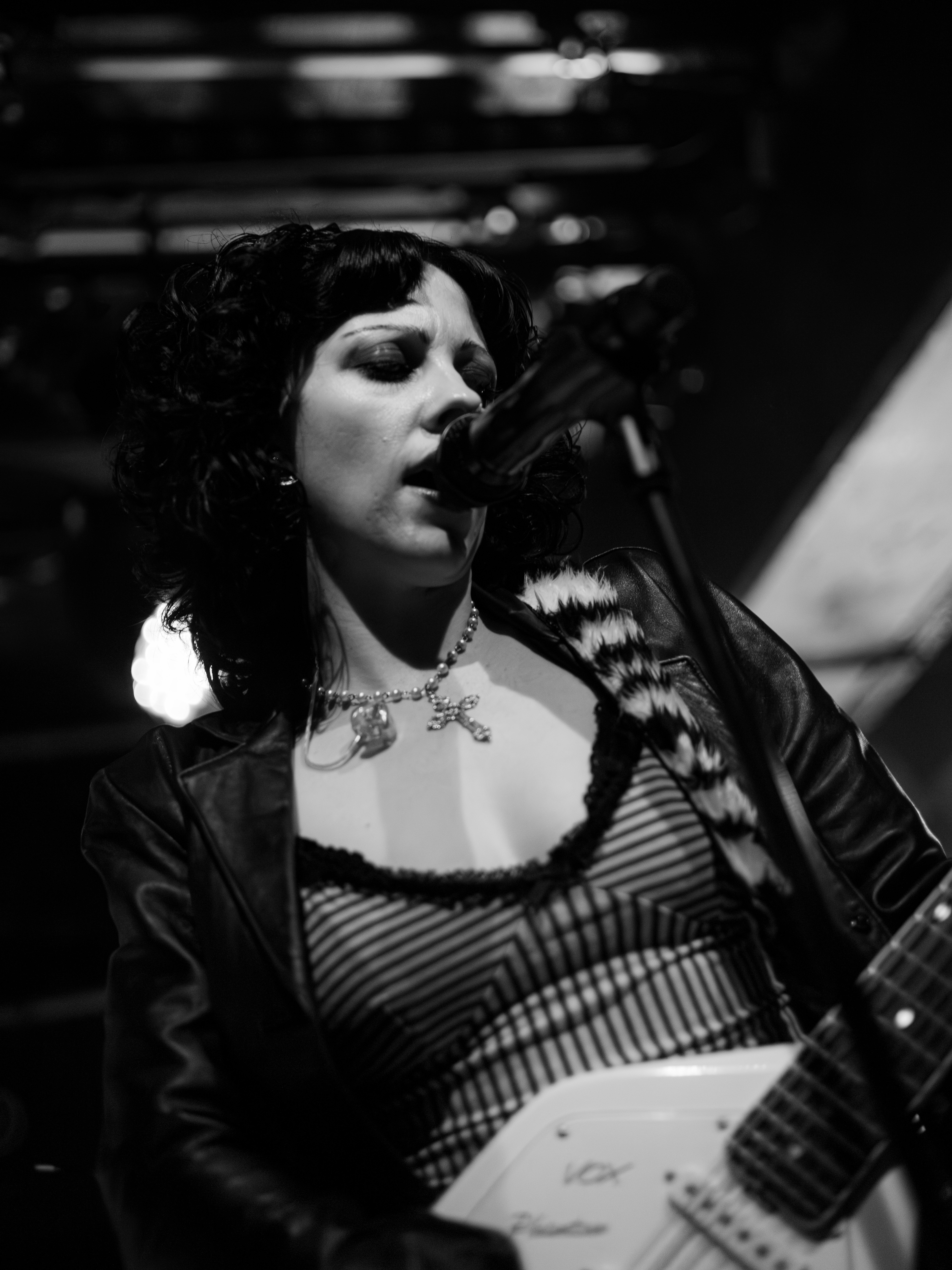
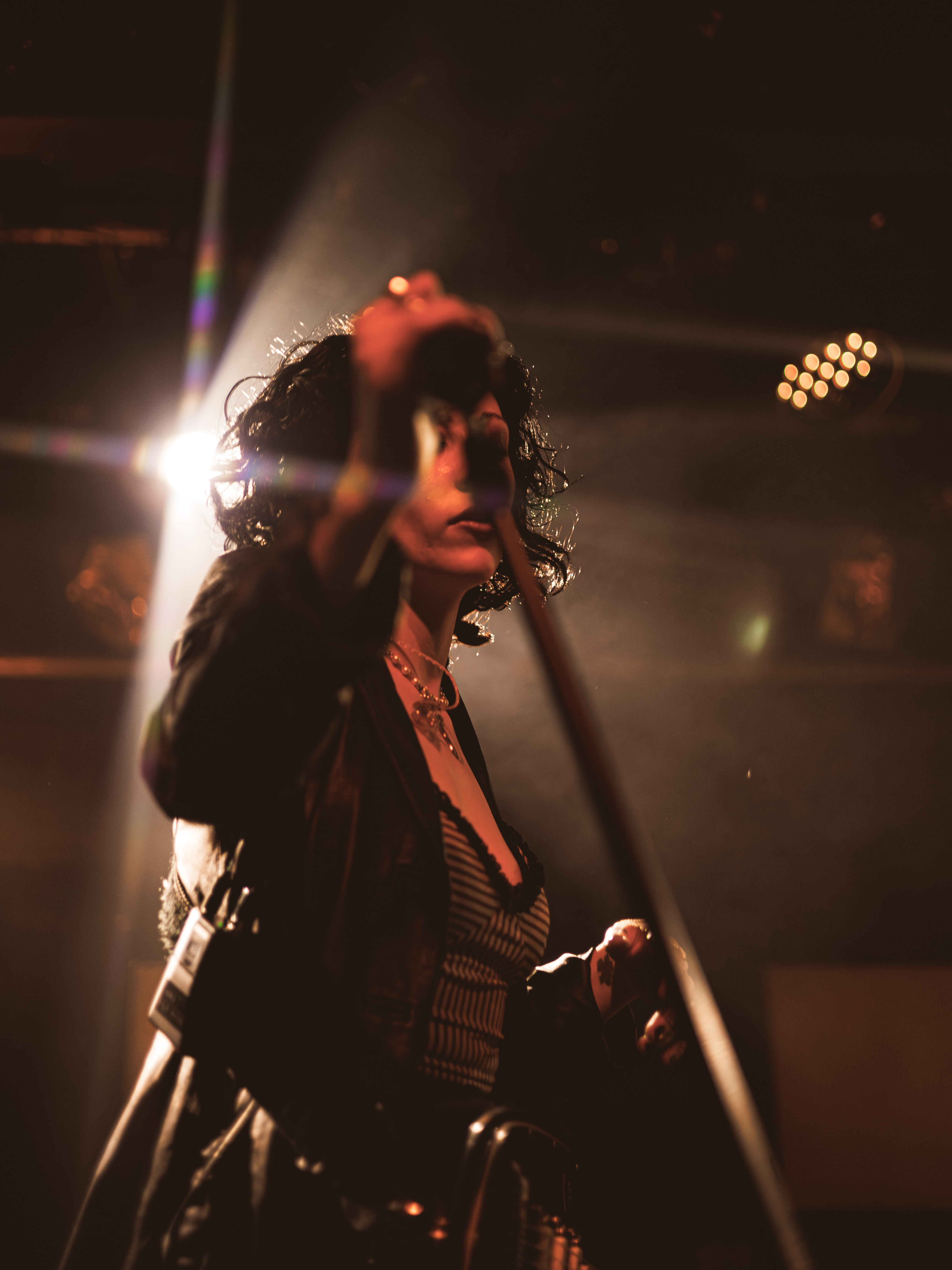
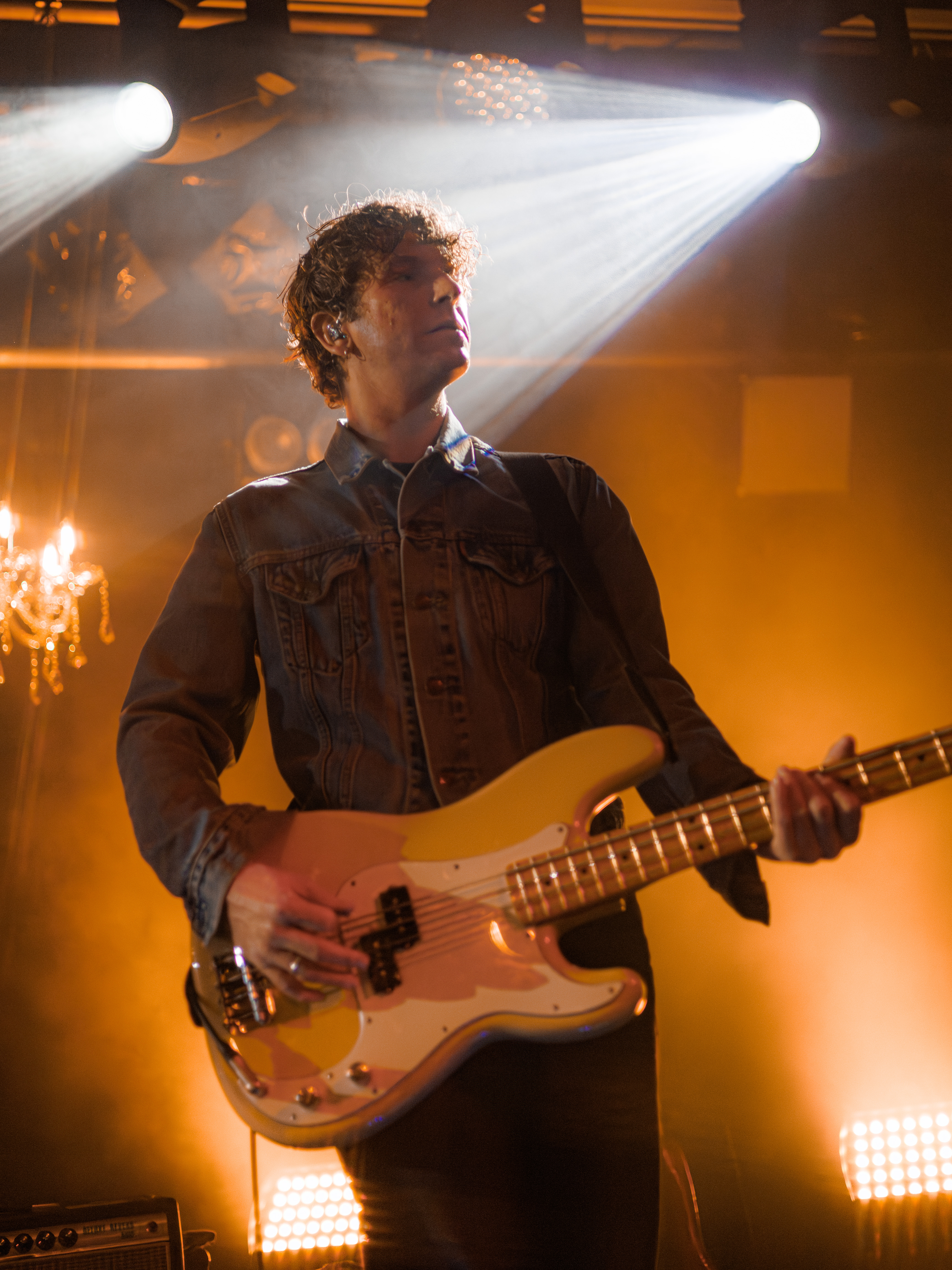
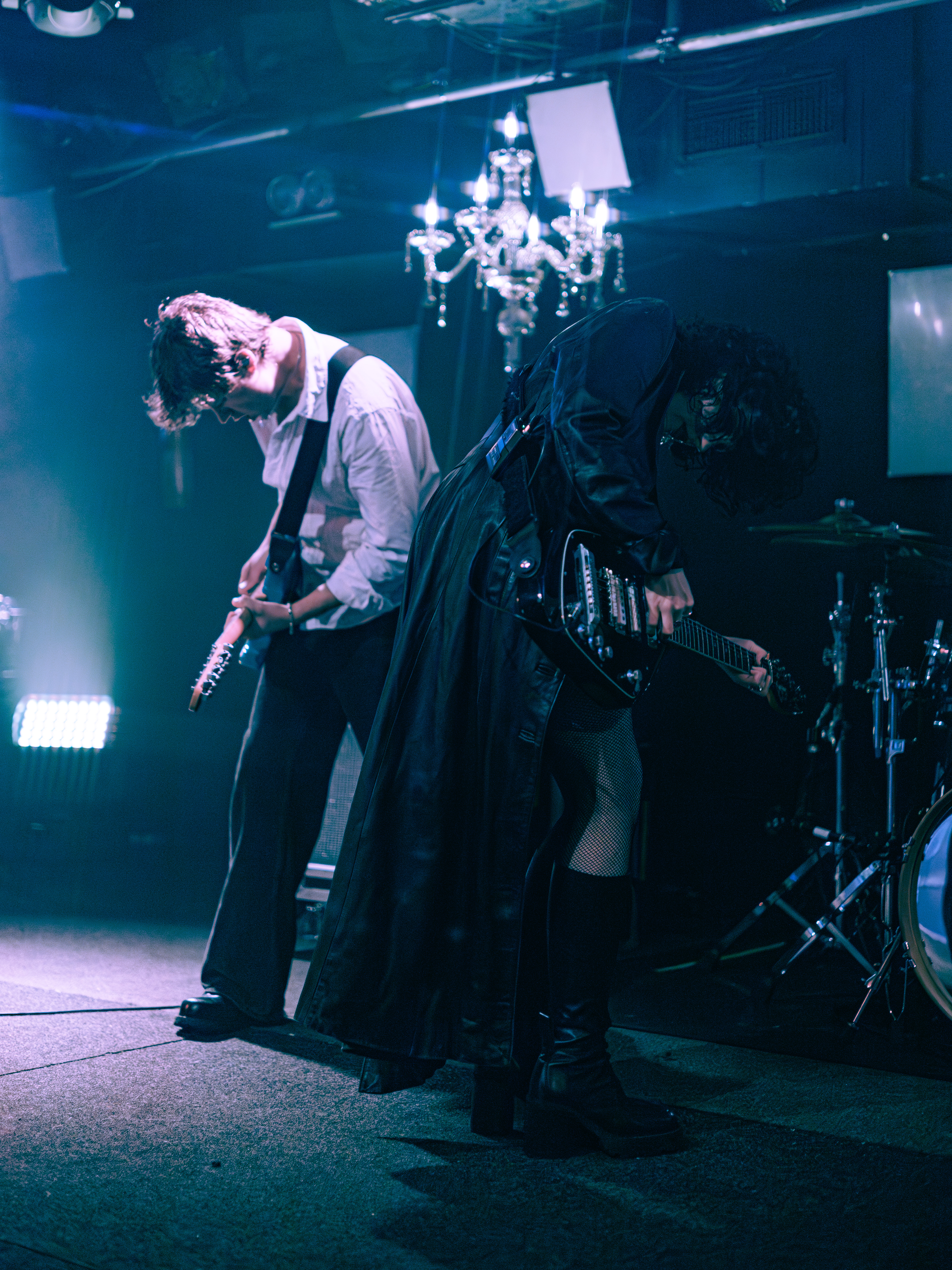
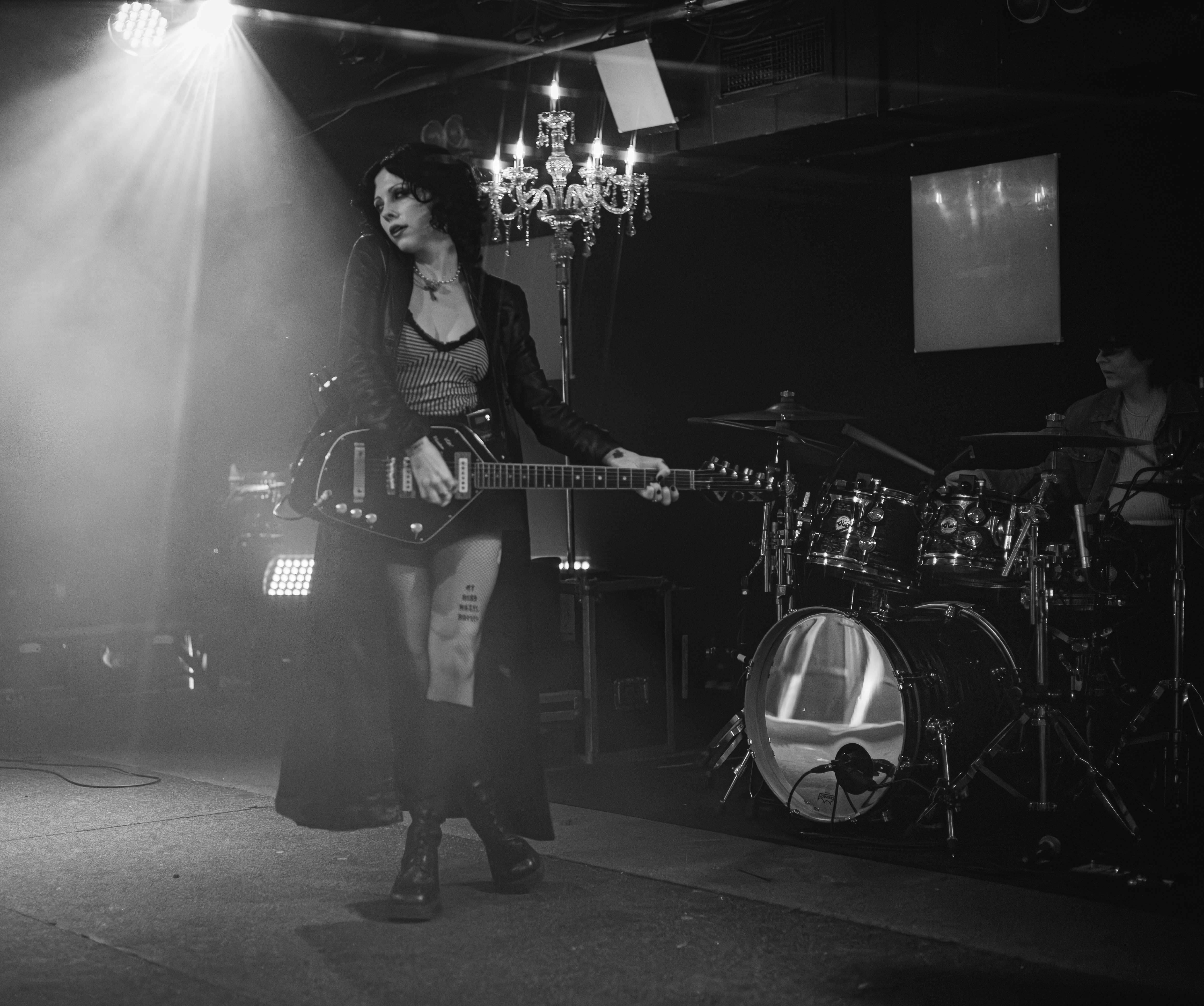
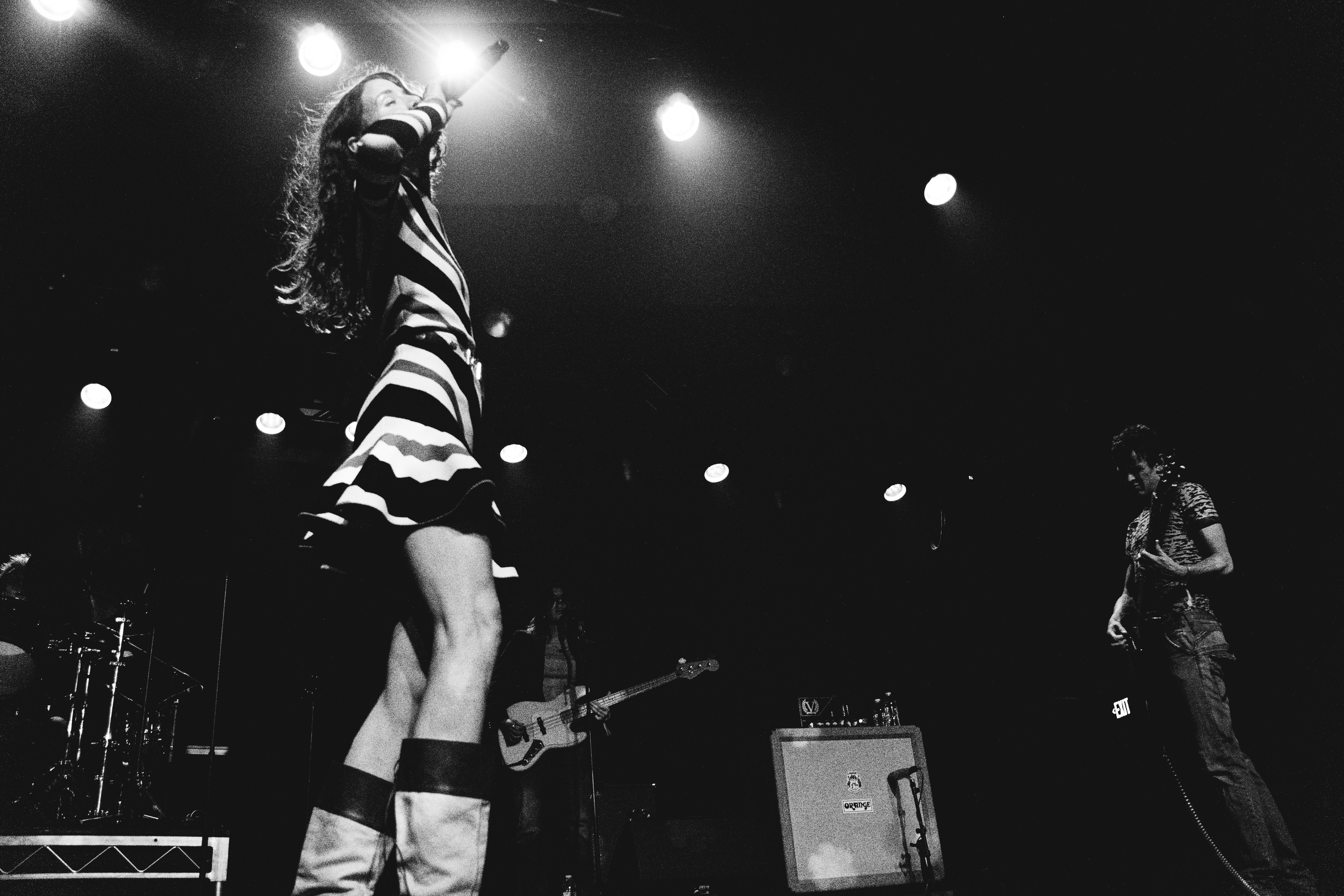
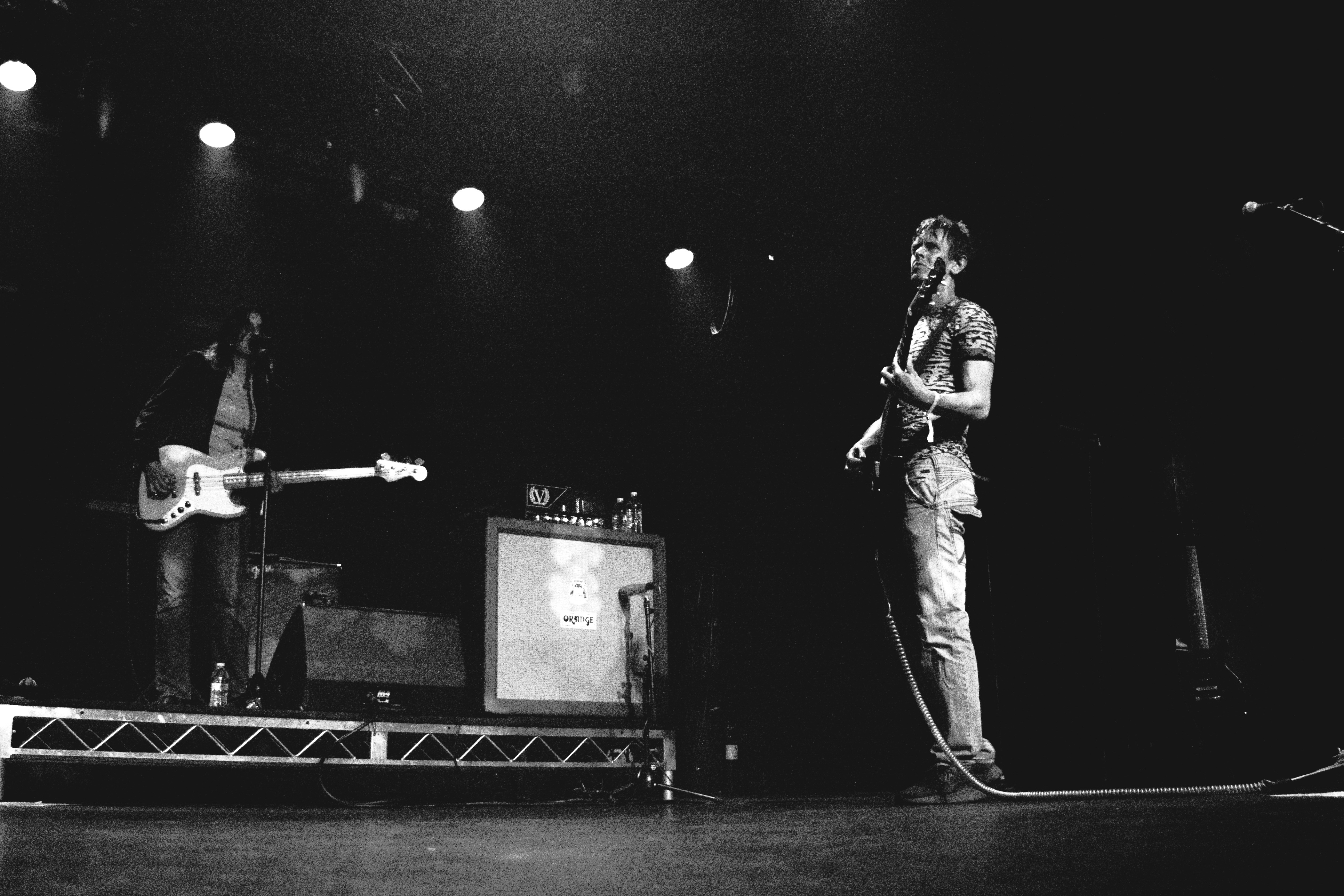
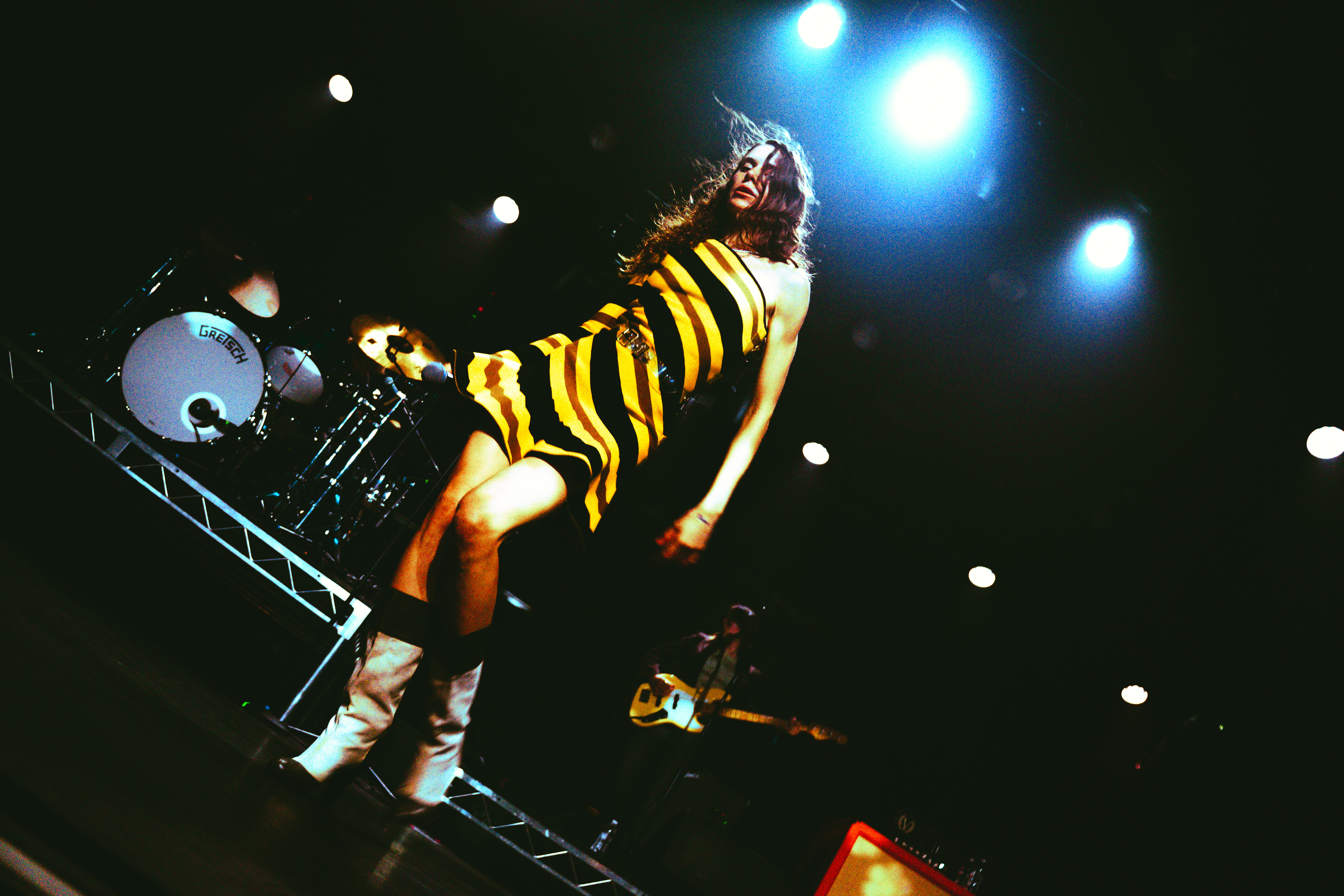
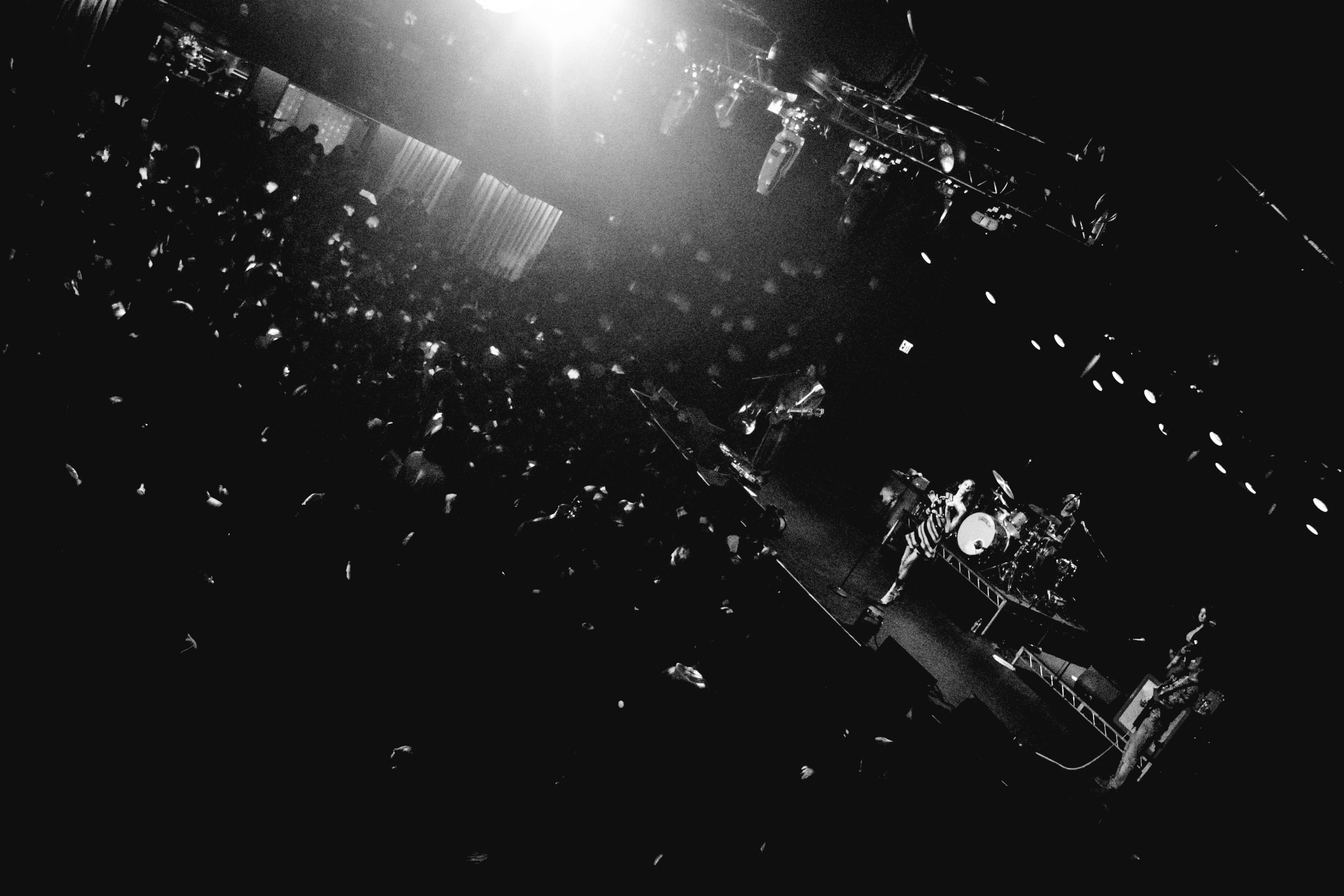
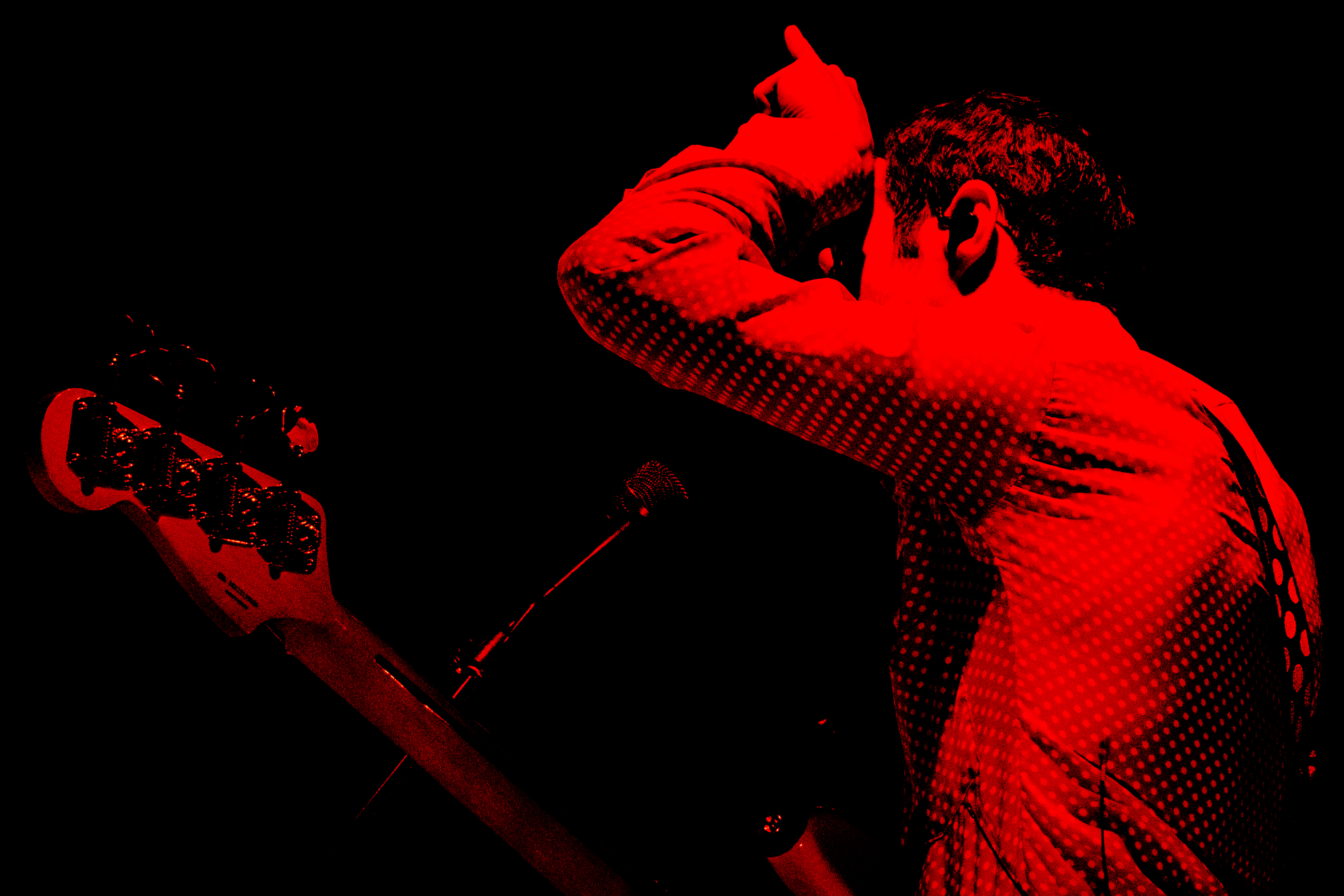
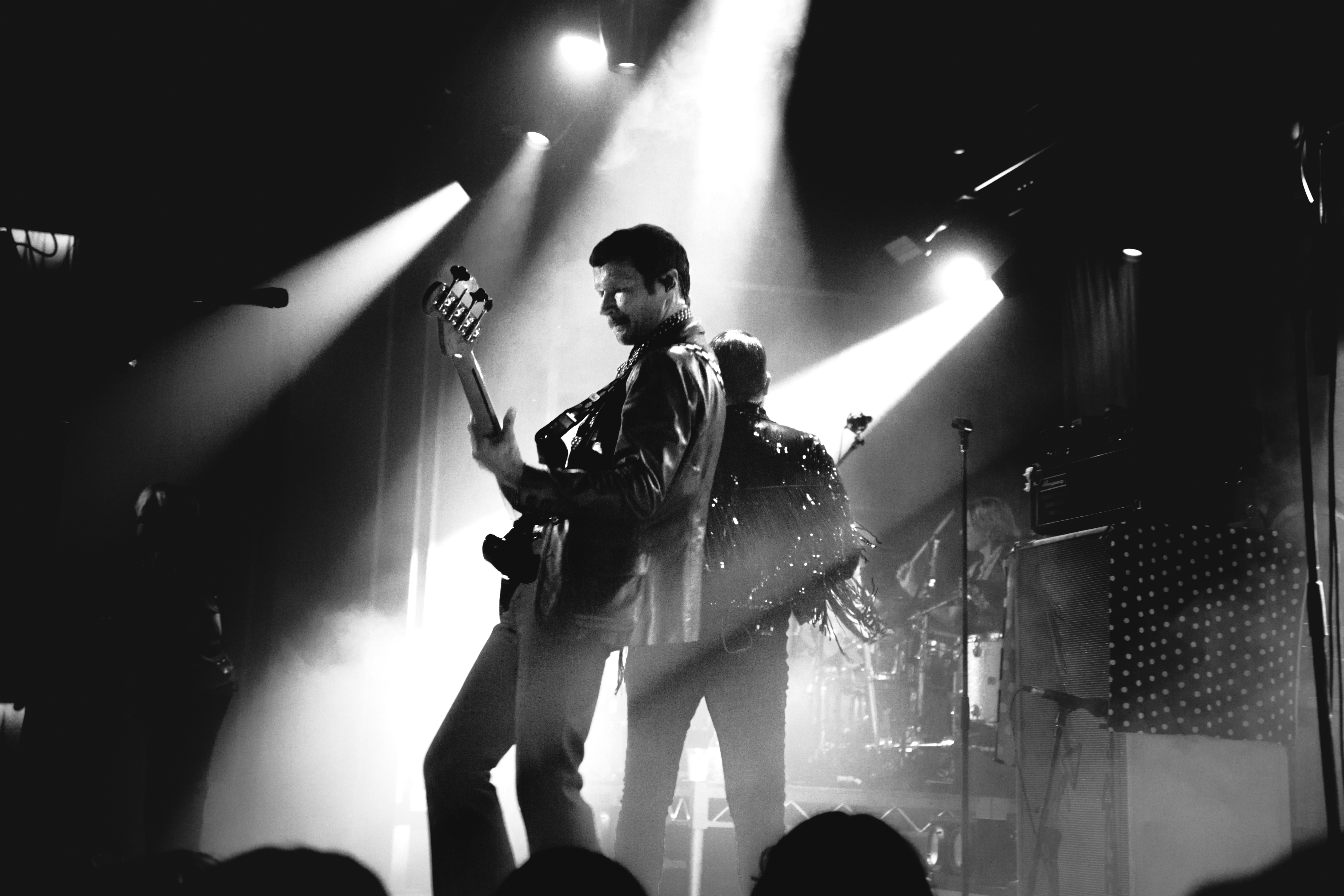
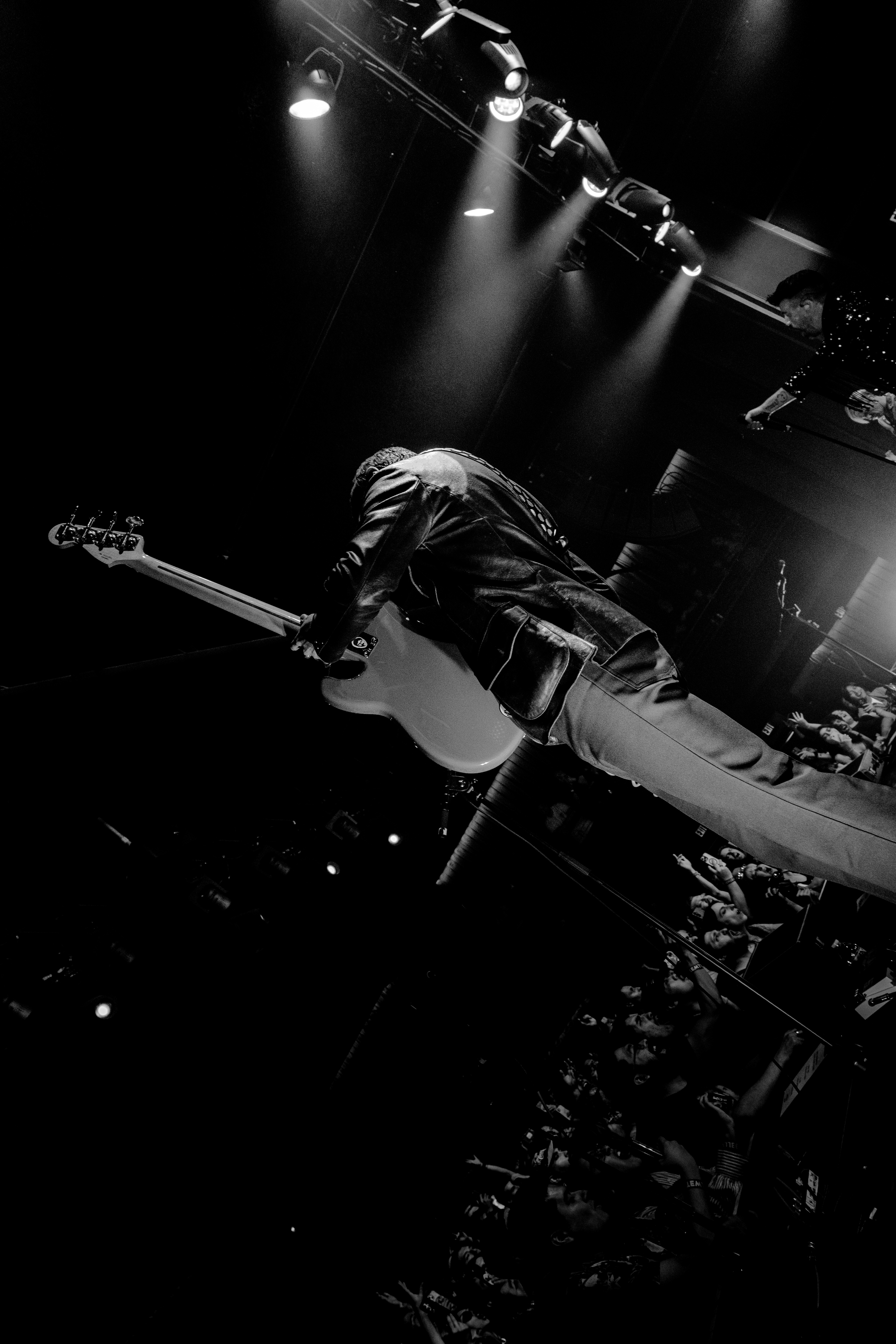
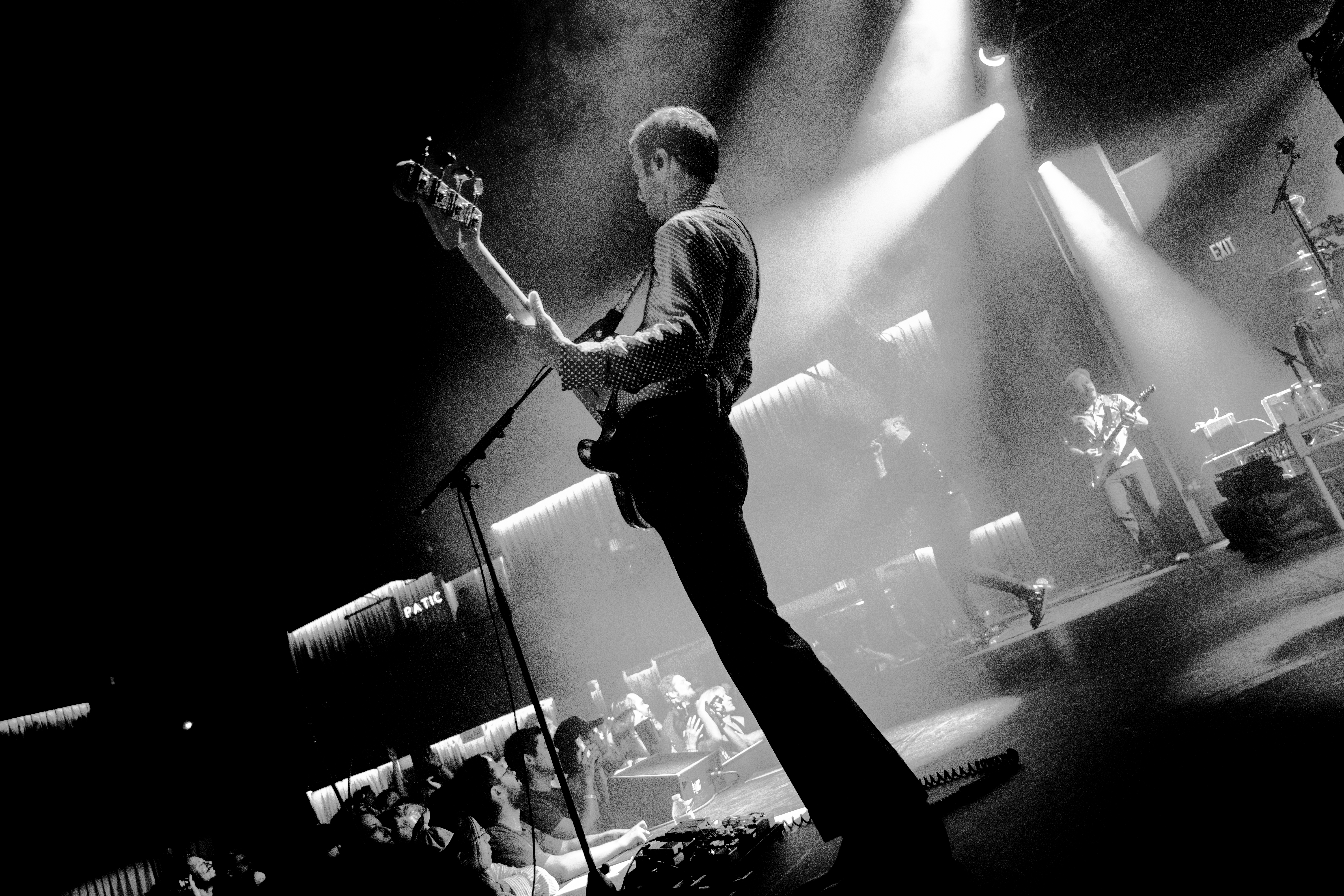
  • INTERVIEW & GALLERY: An Evening With The Laughing Chimes

    INTERVIEW & GALLERY: An Evening With The Laughing Chimes

    Interview and photos by Jack Foley

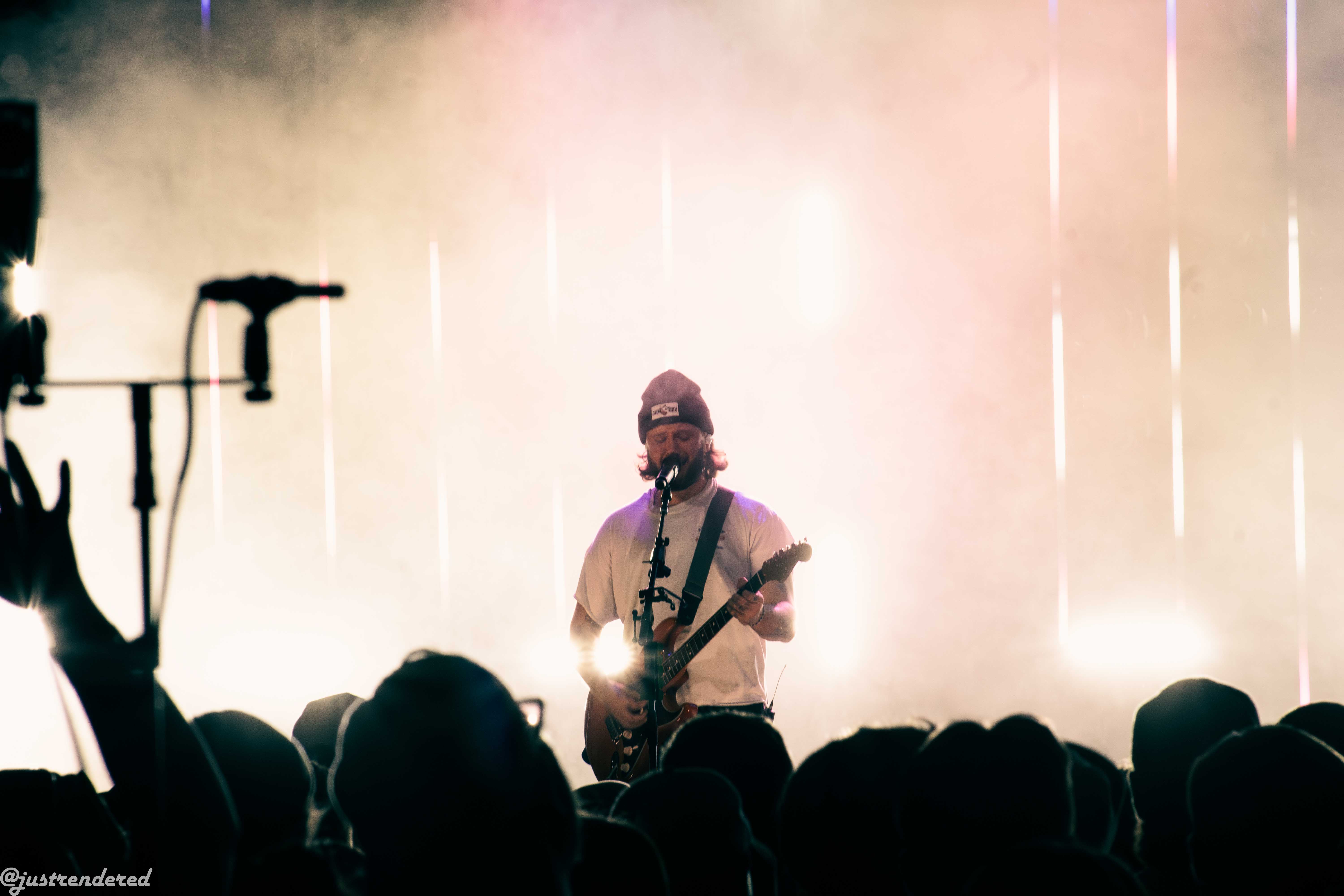
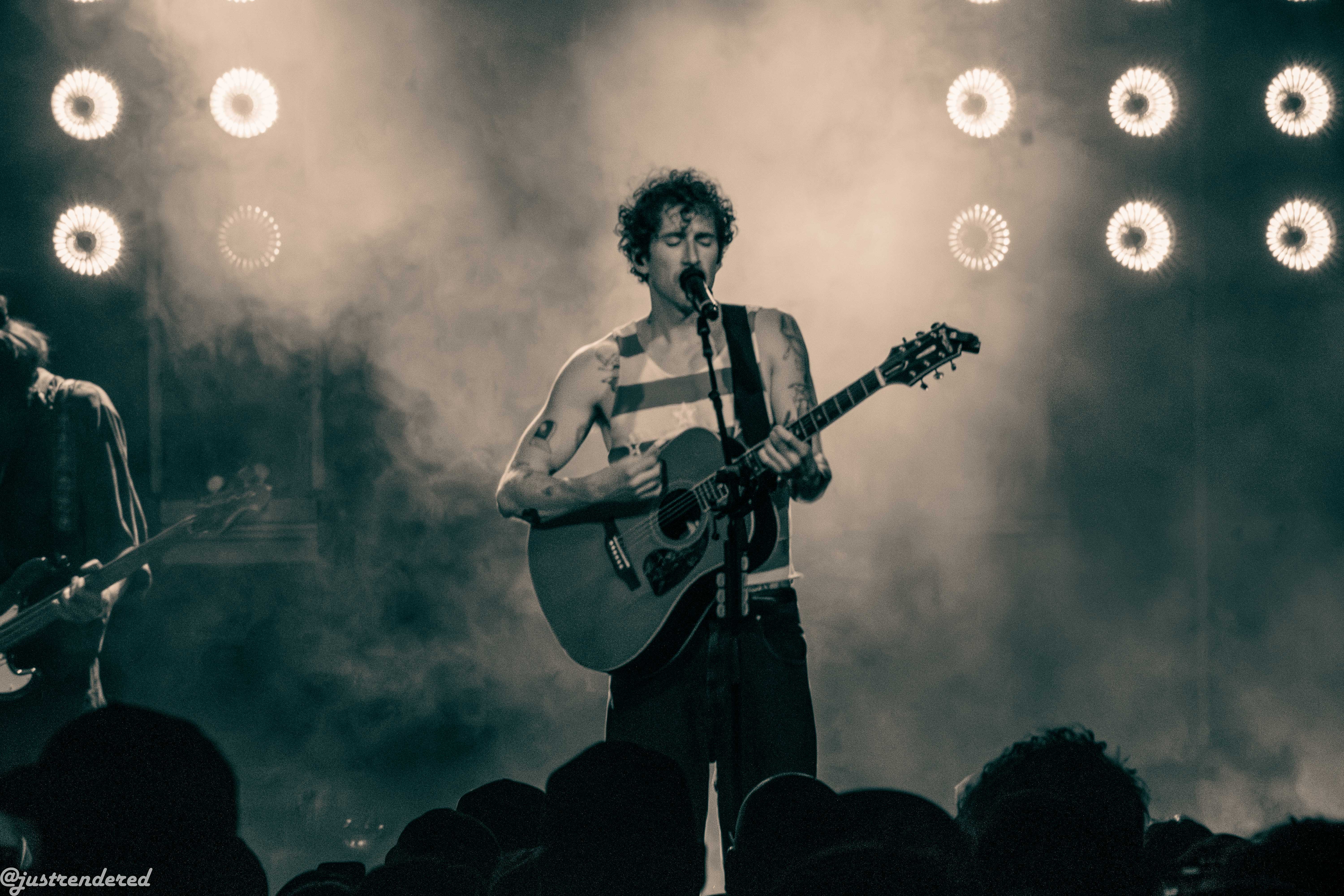
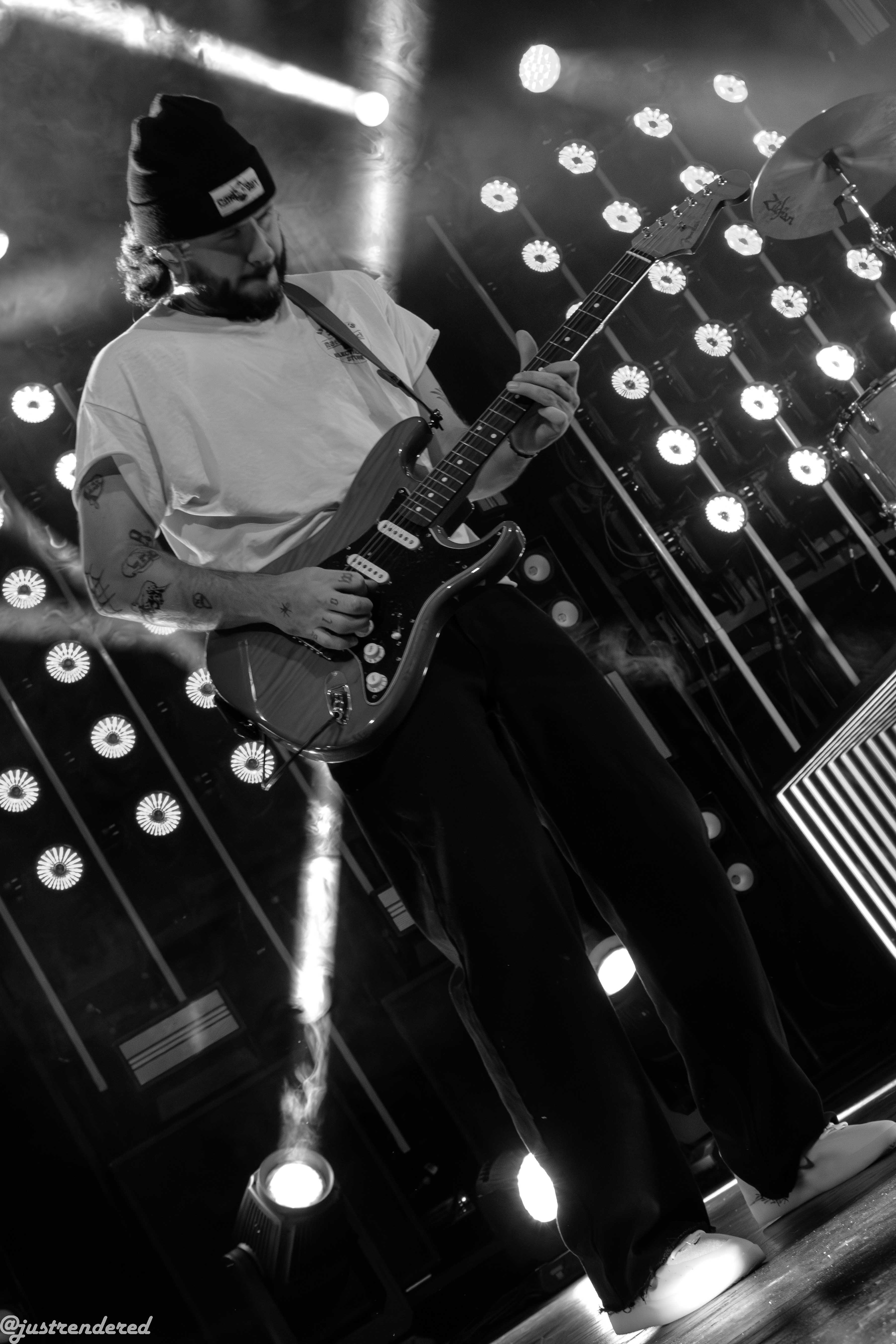
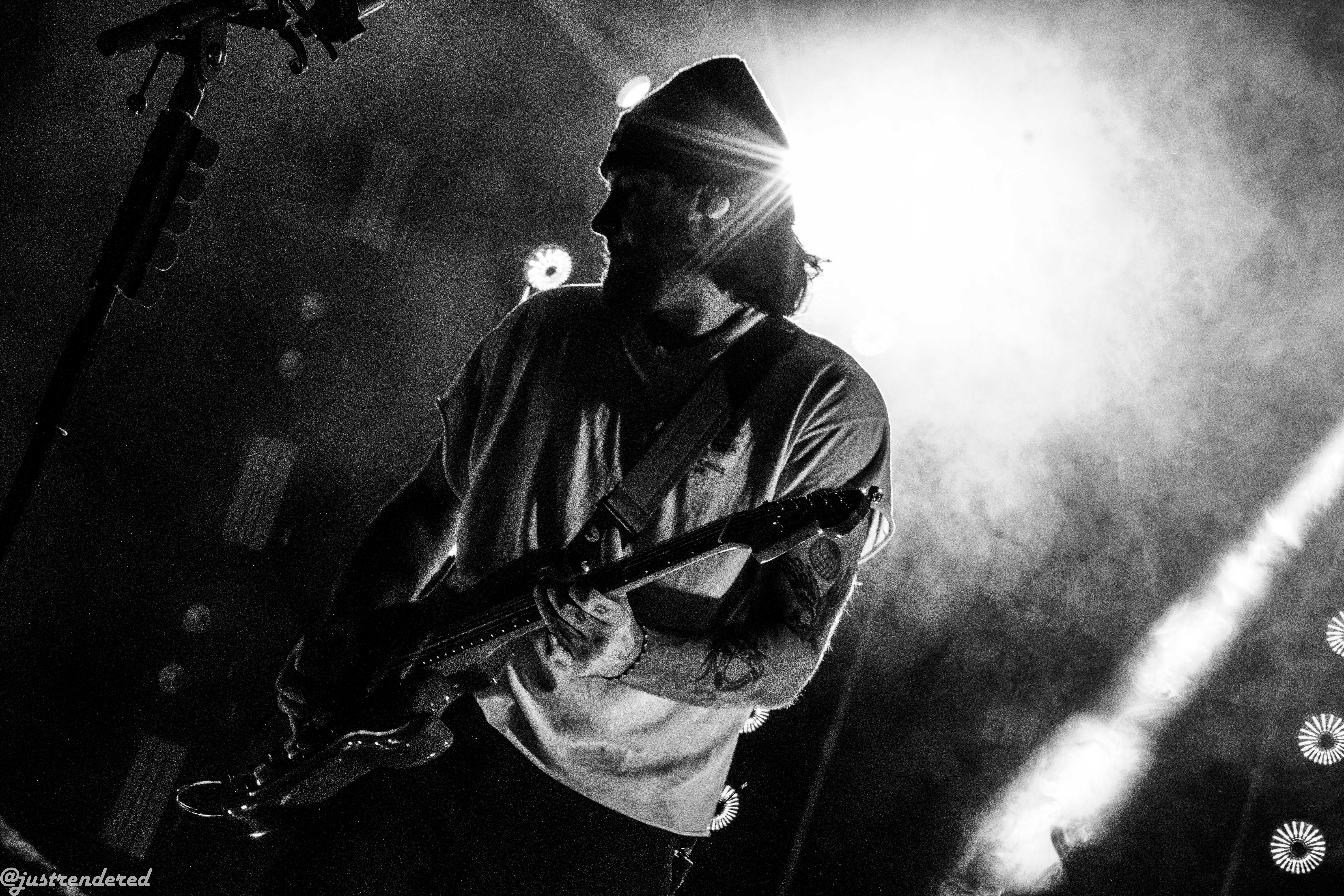
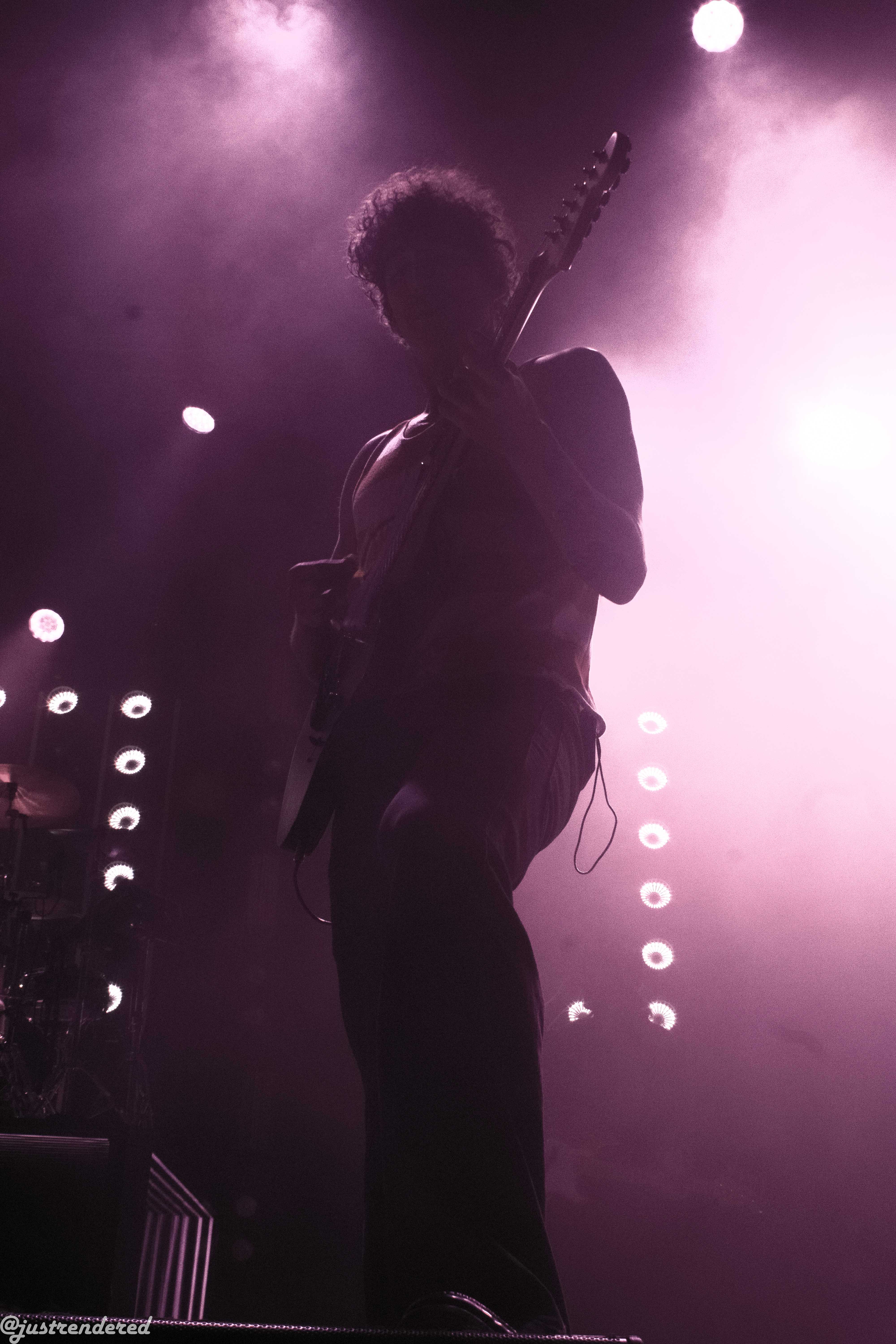
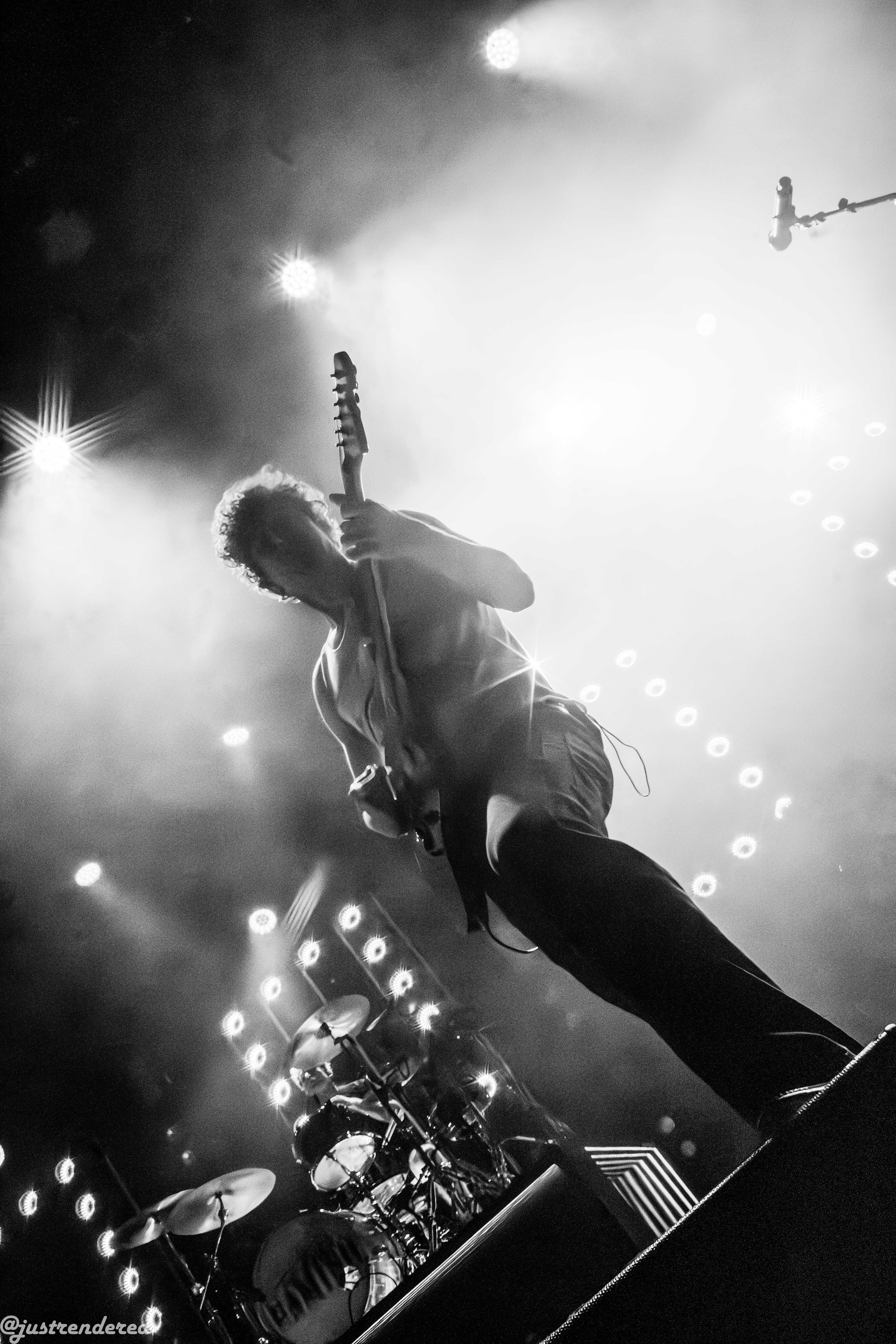
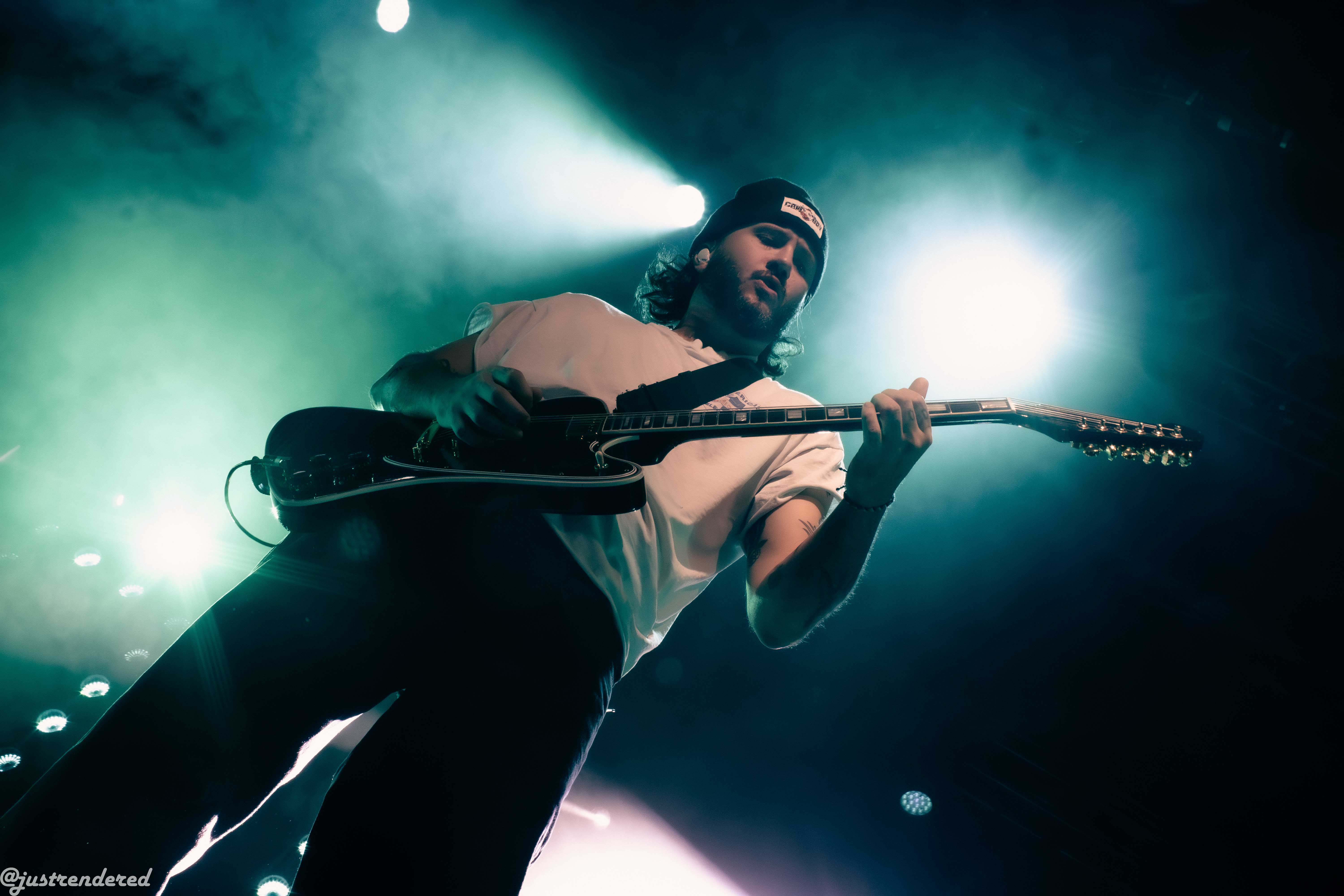
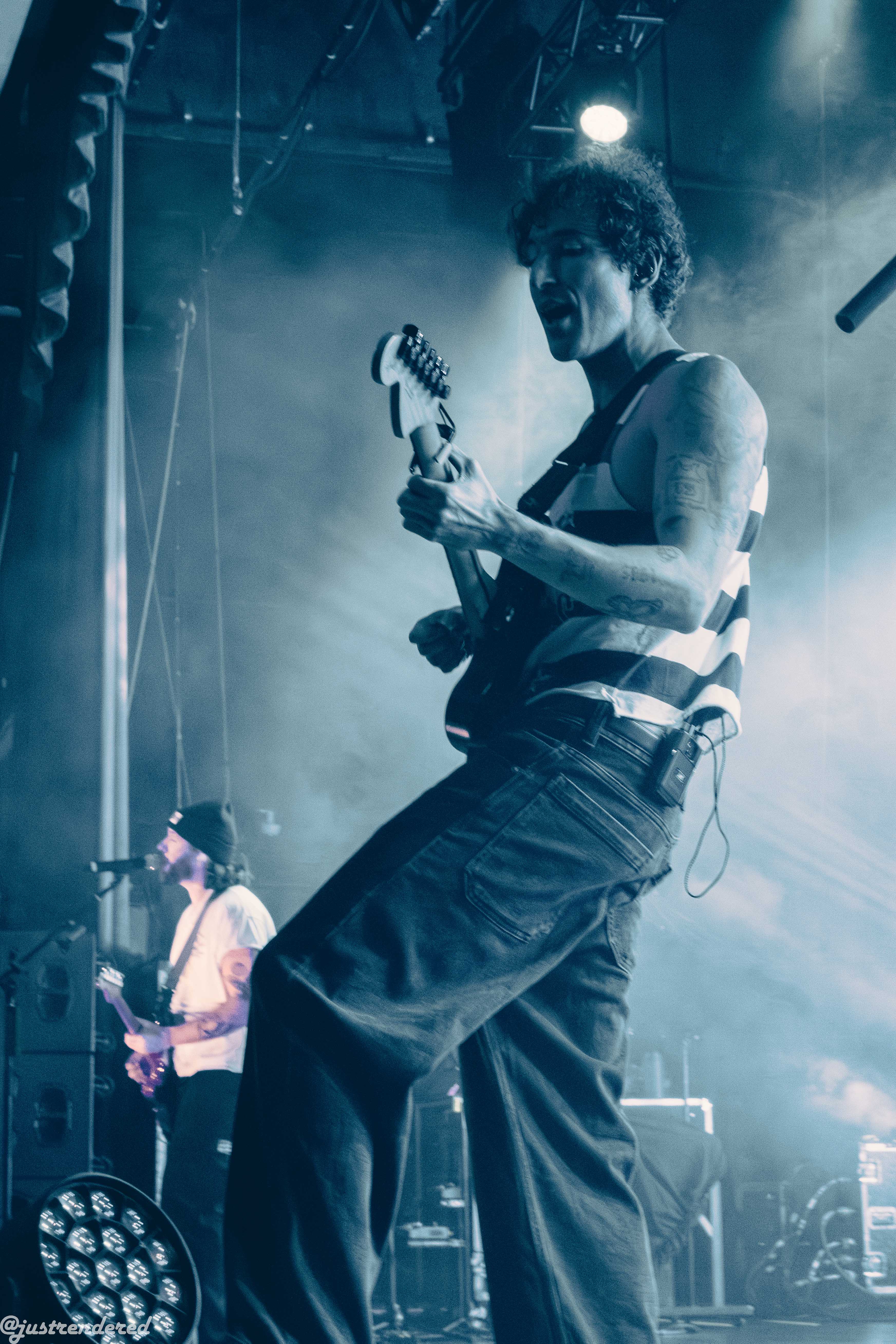
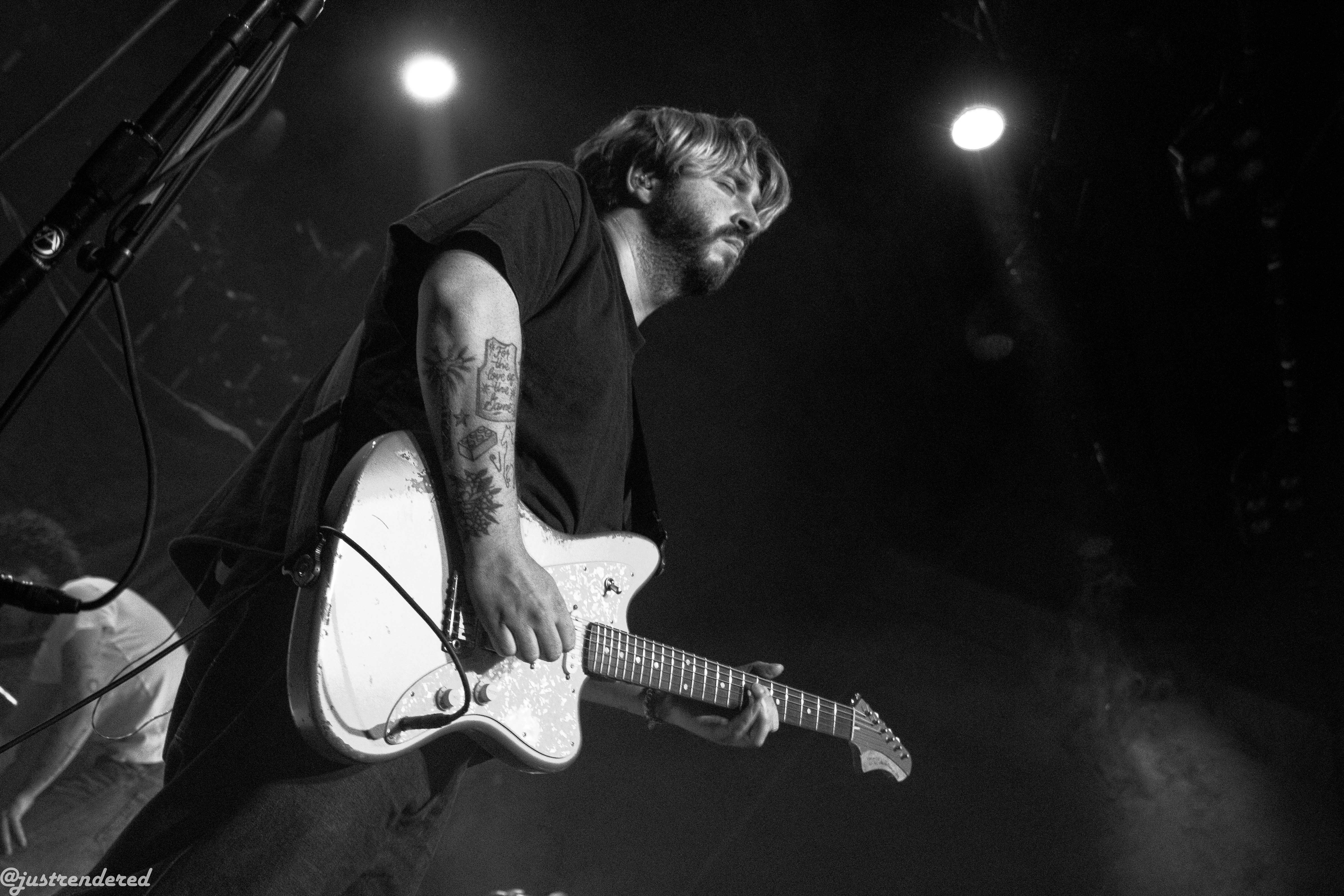
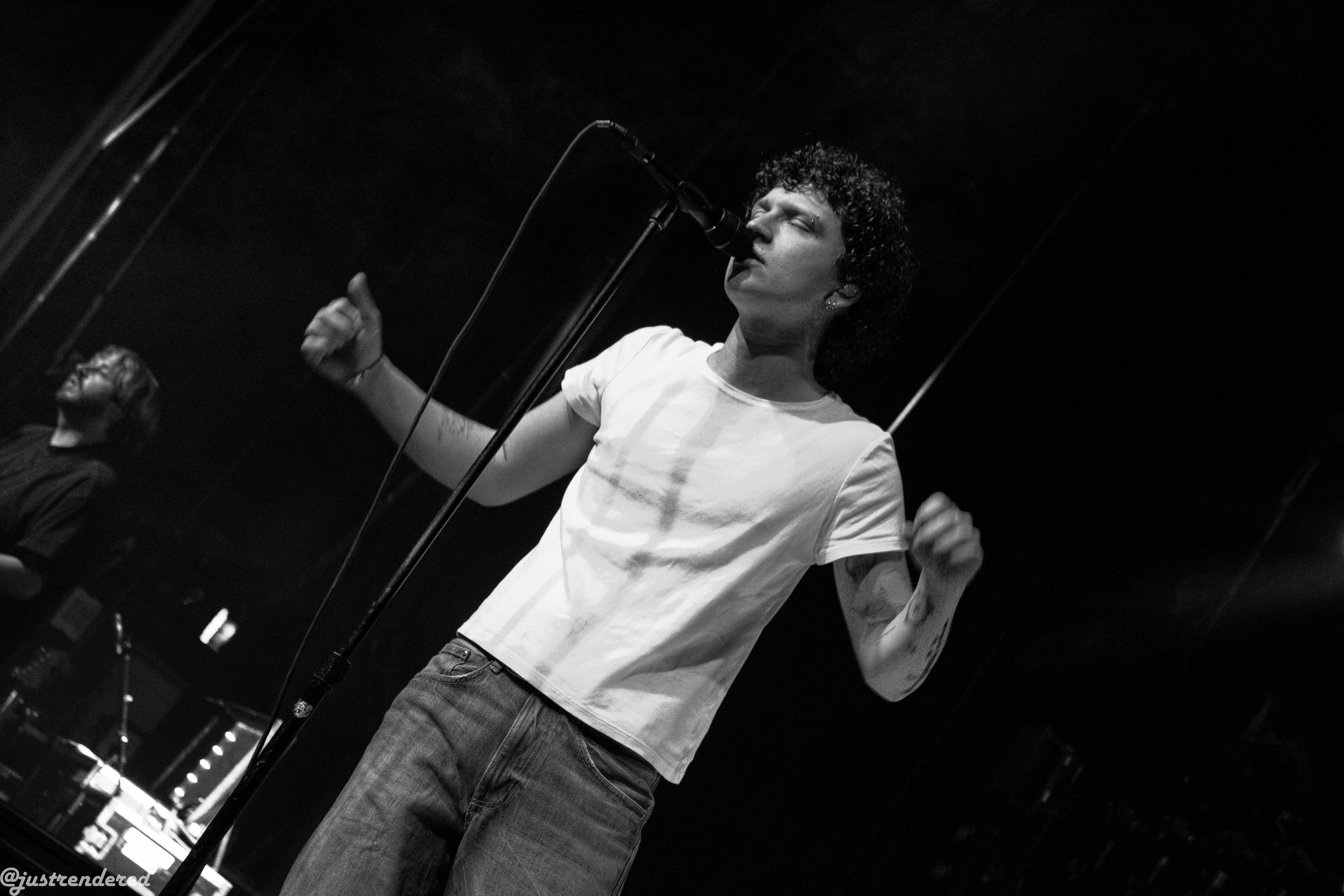
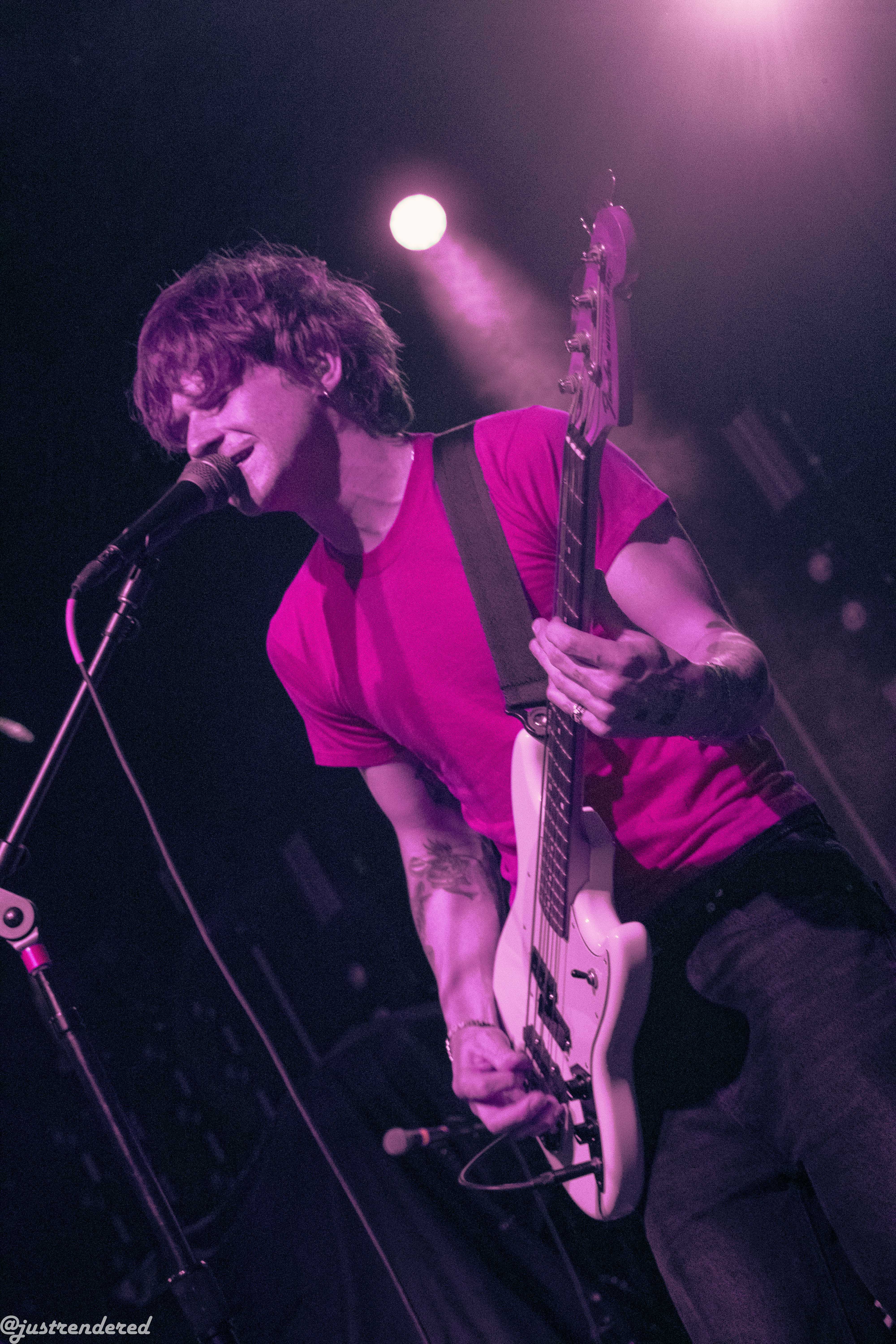
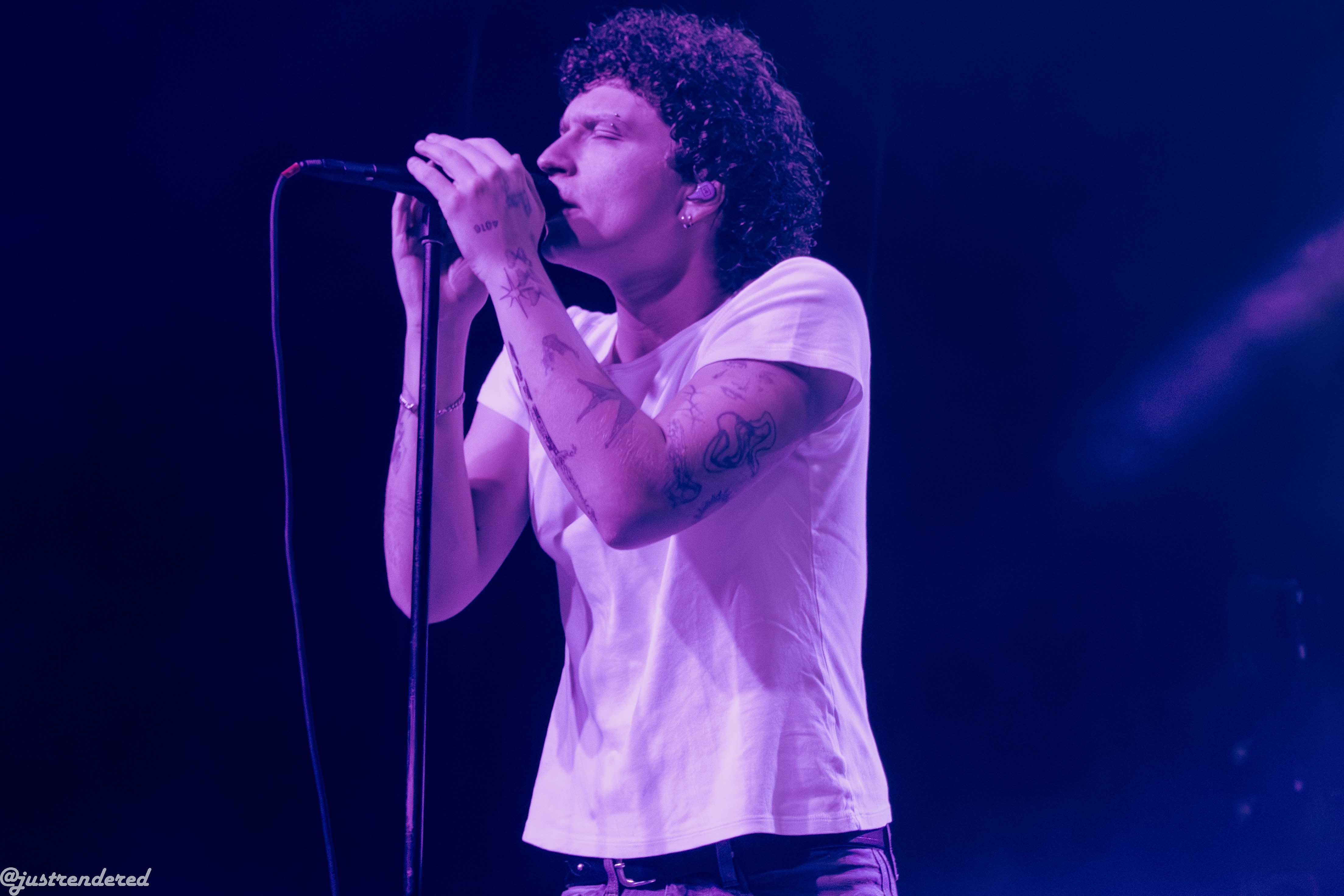
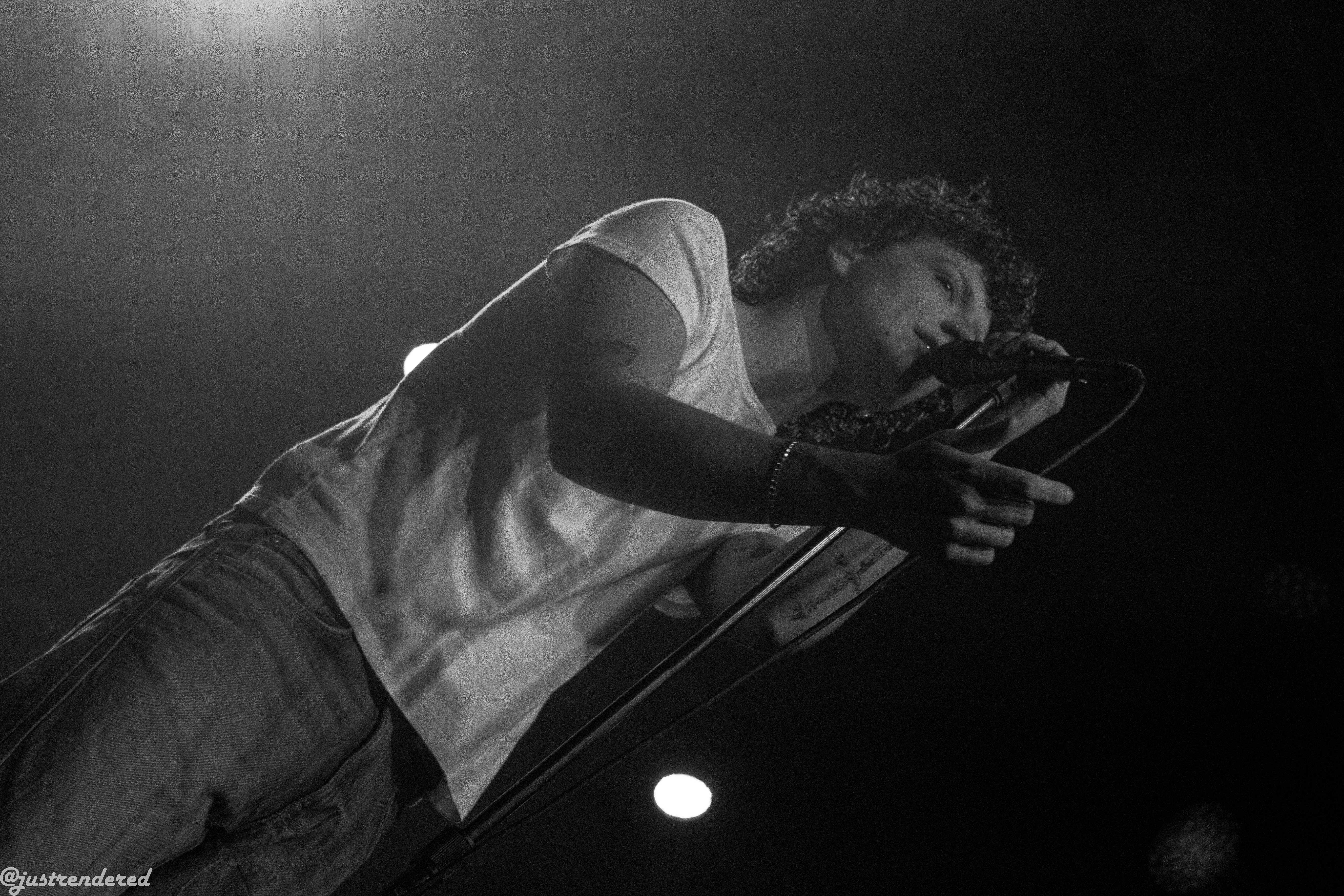
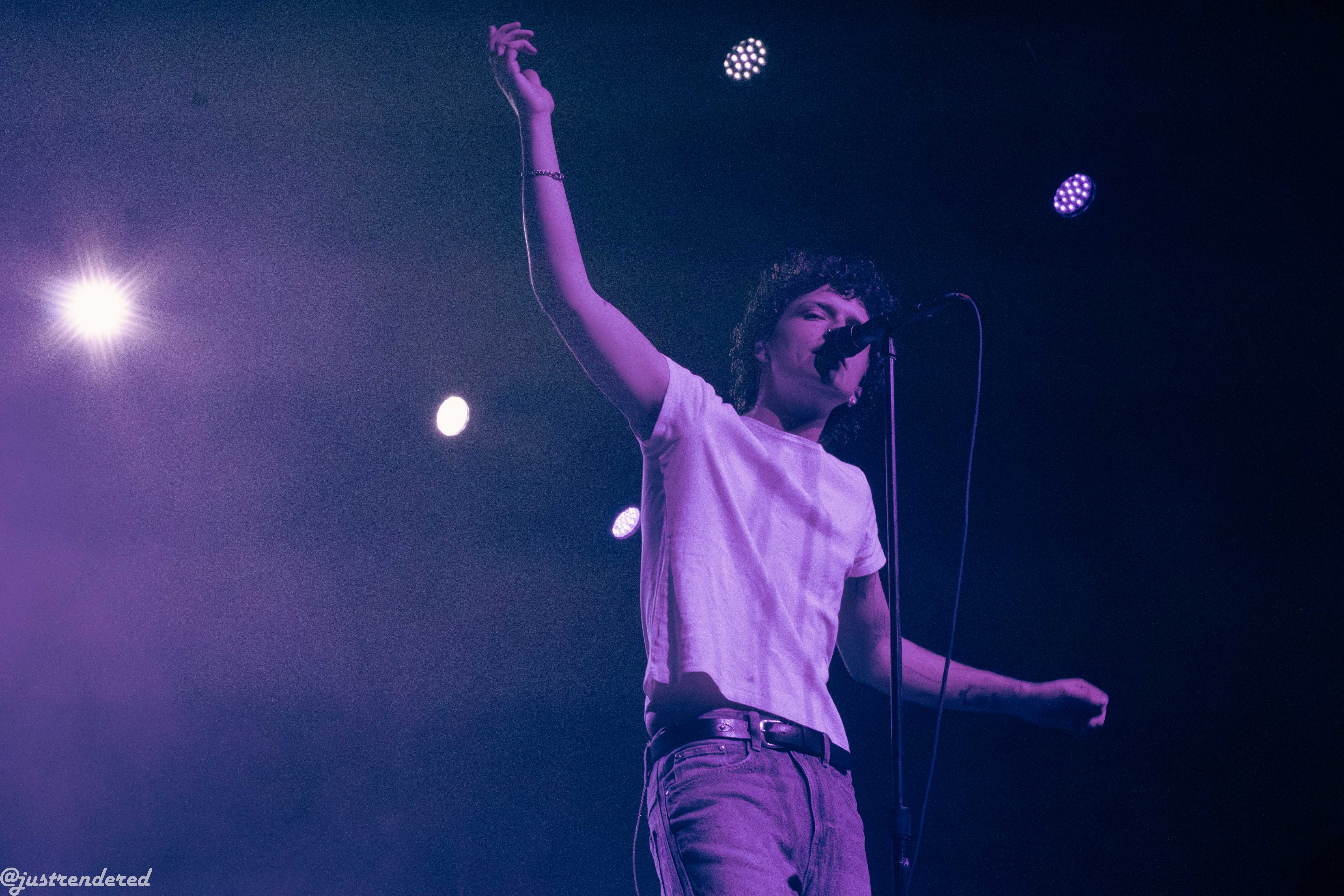
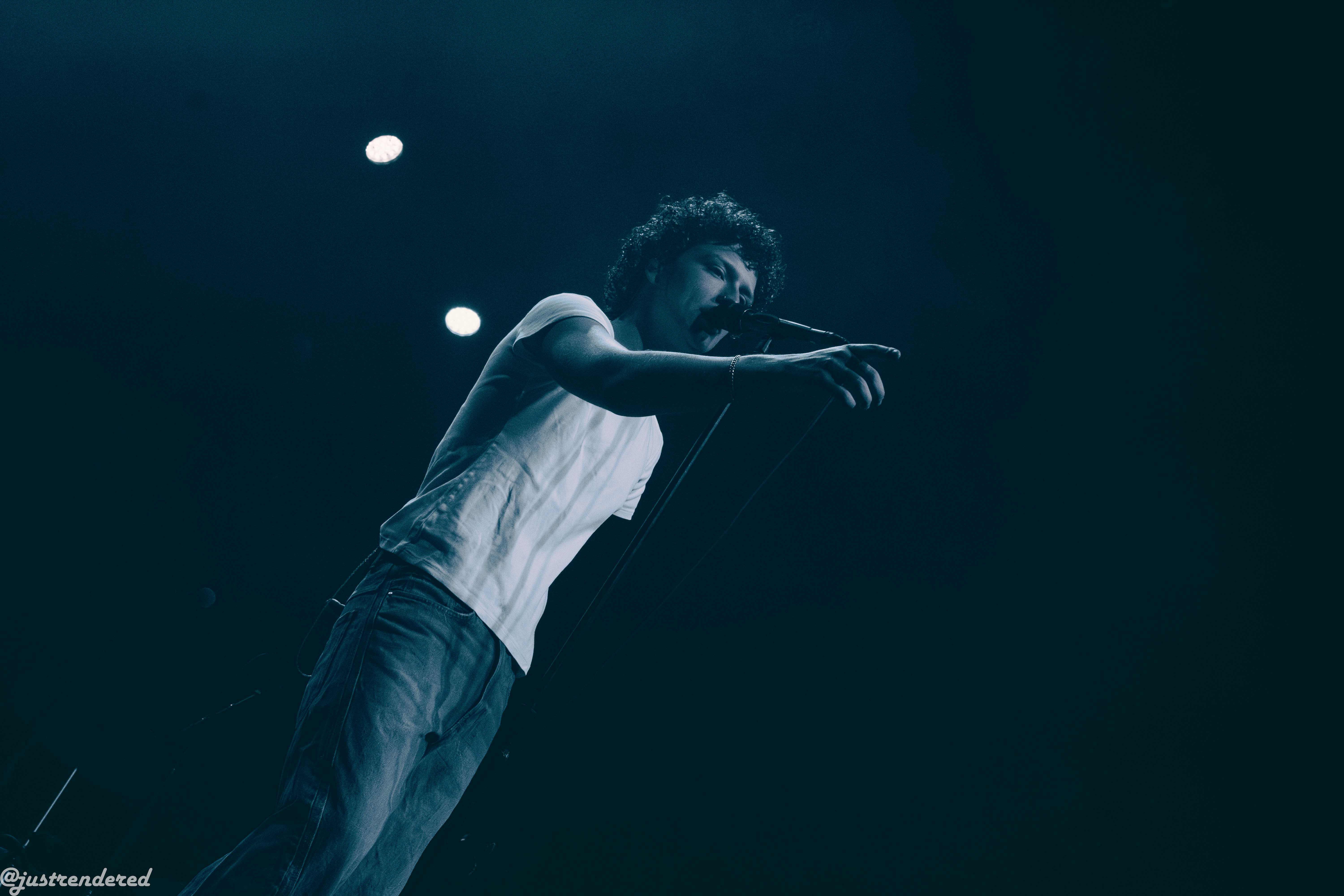
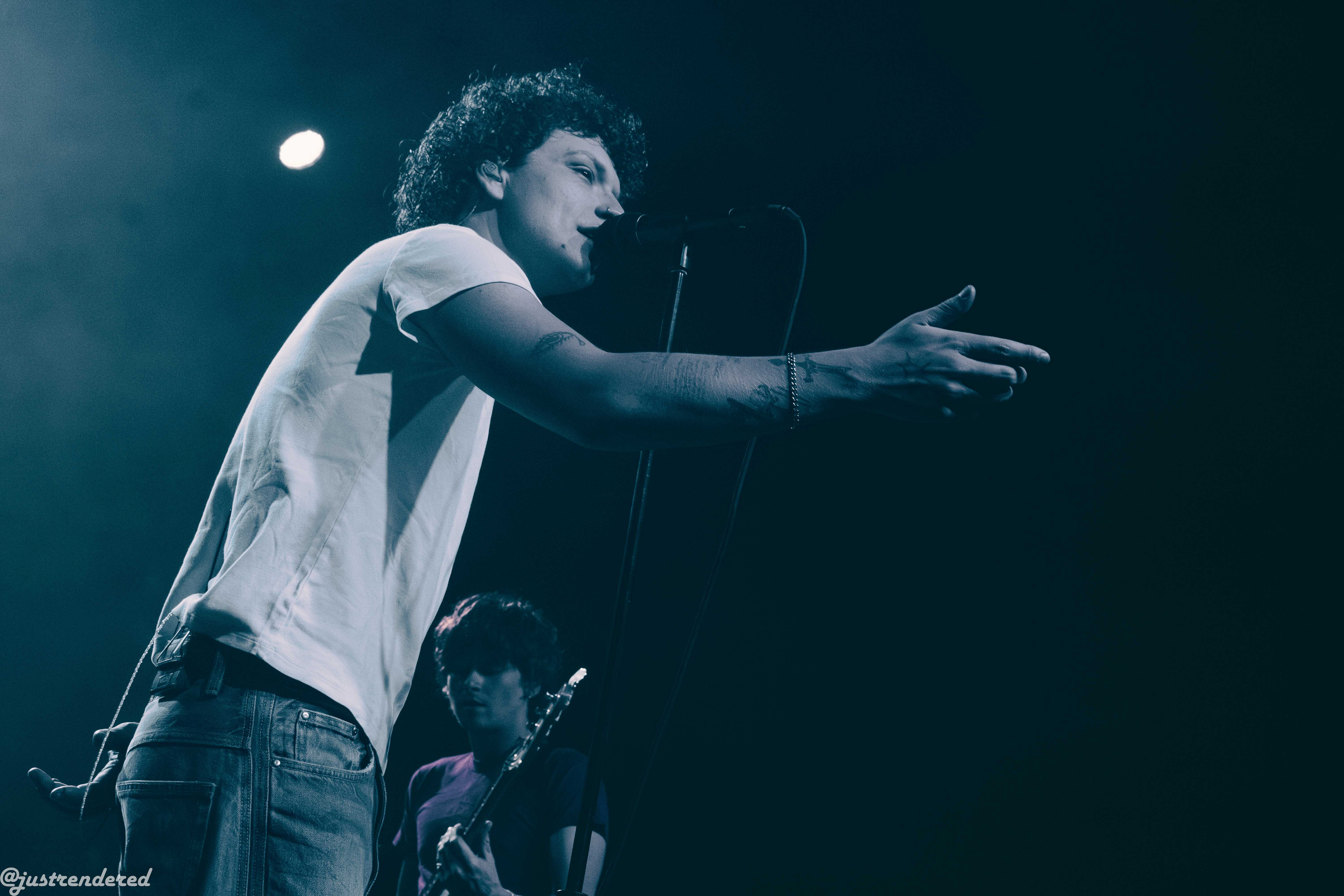
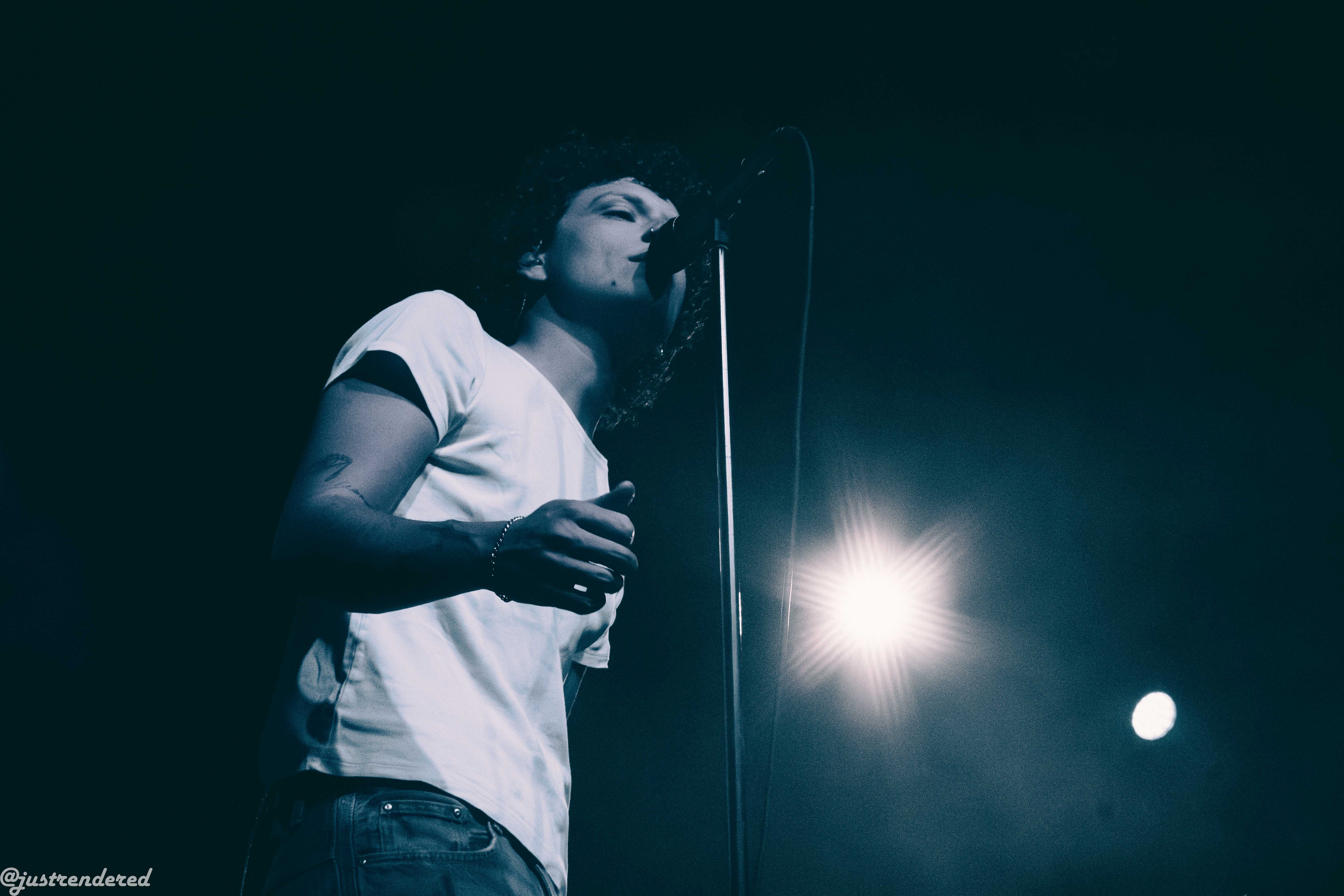
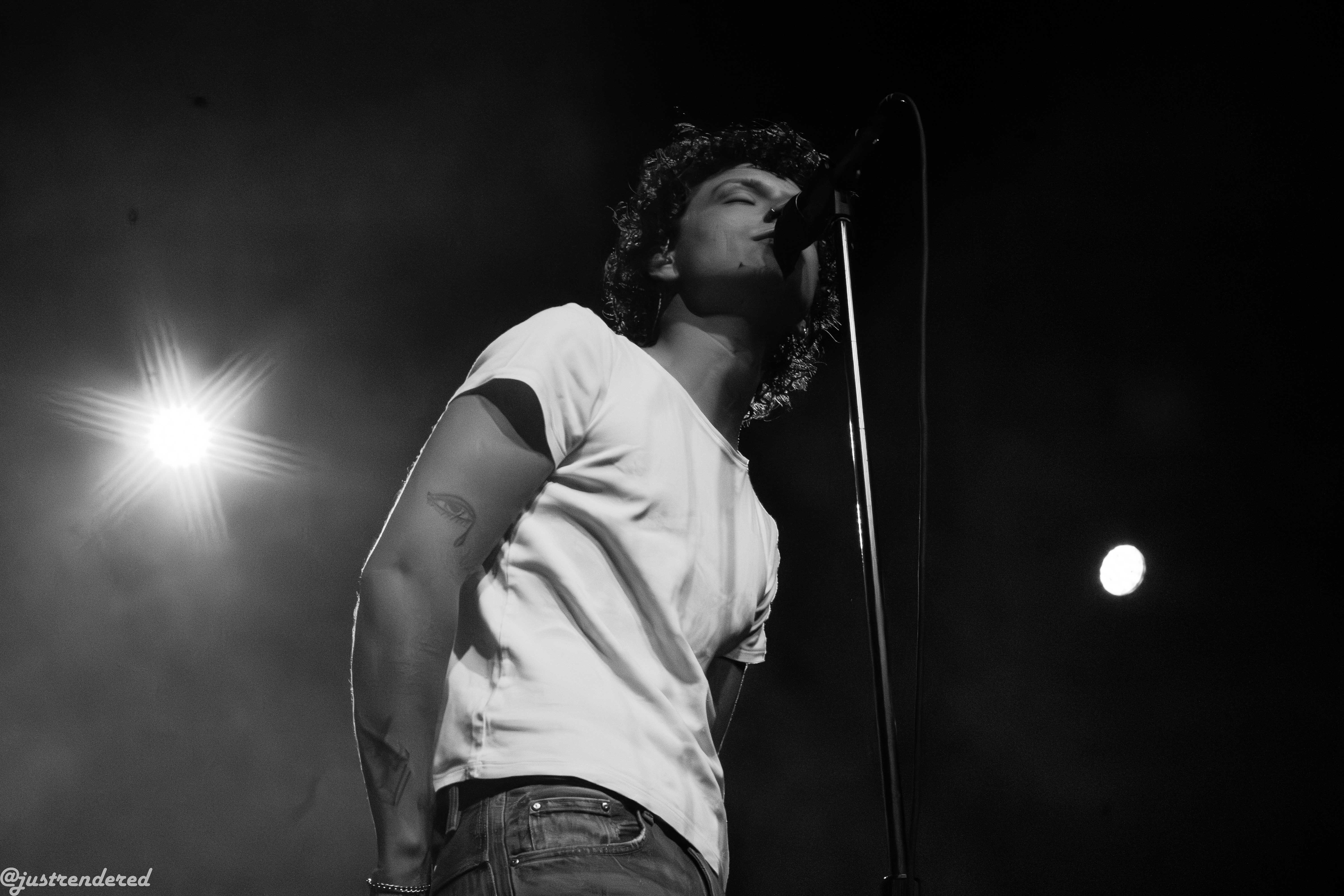
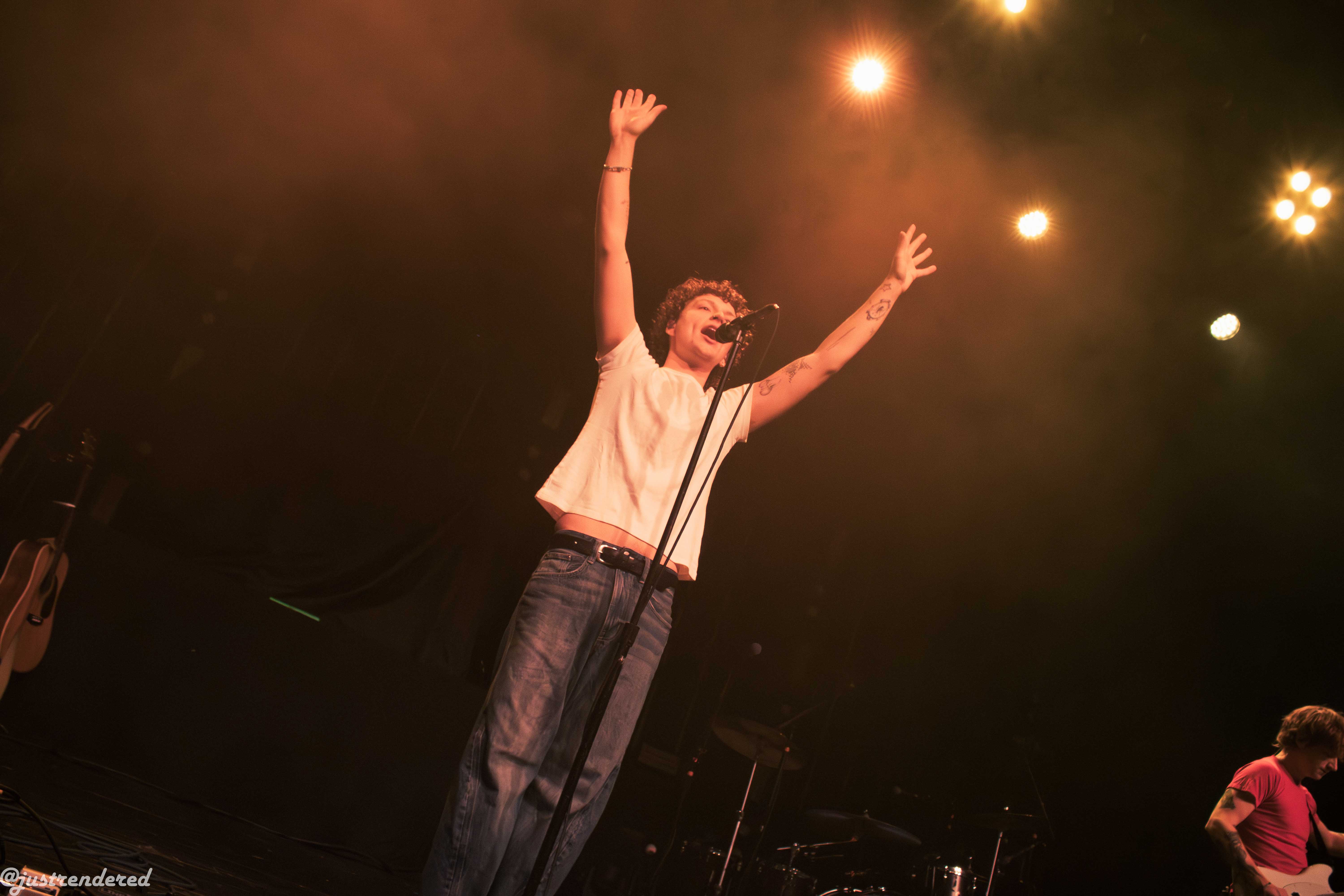
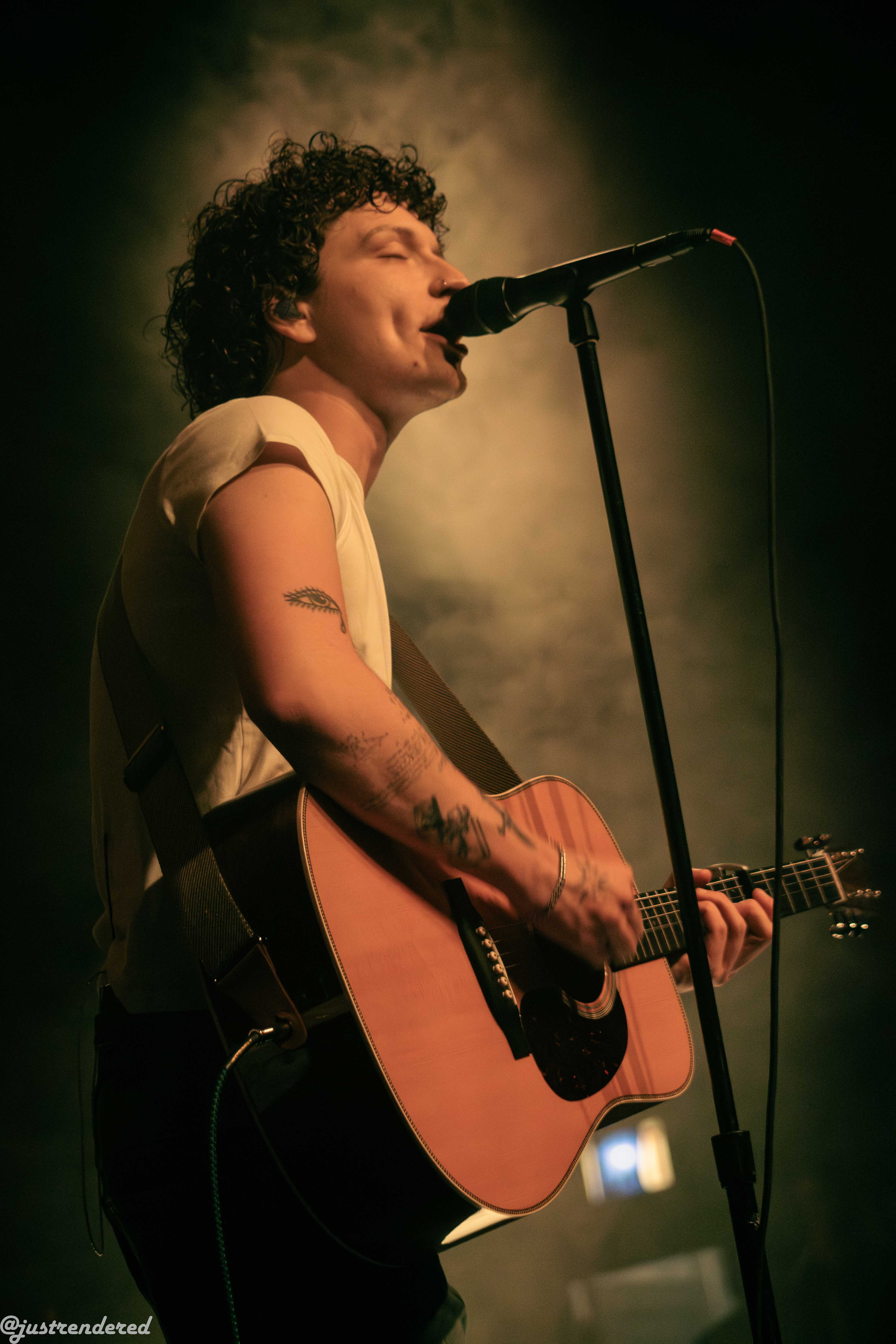
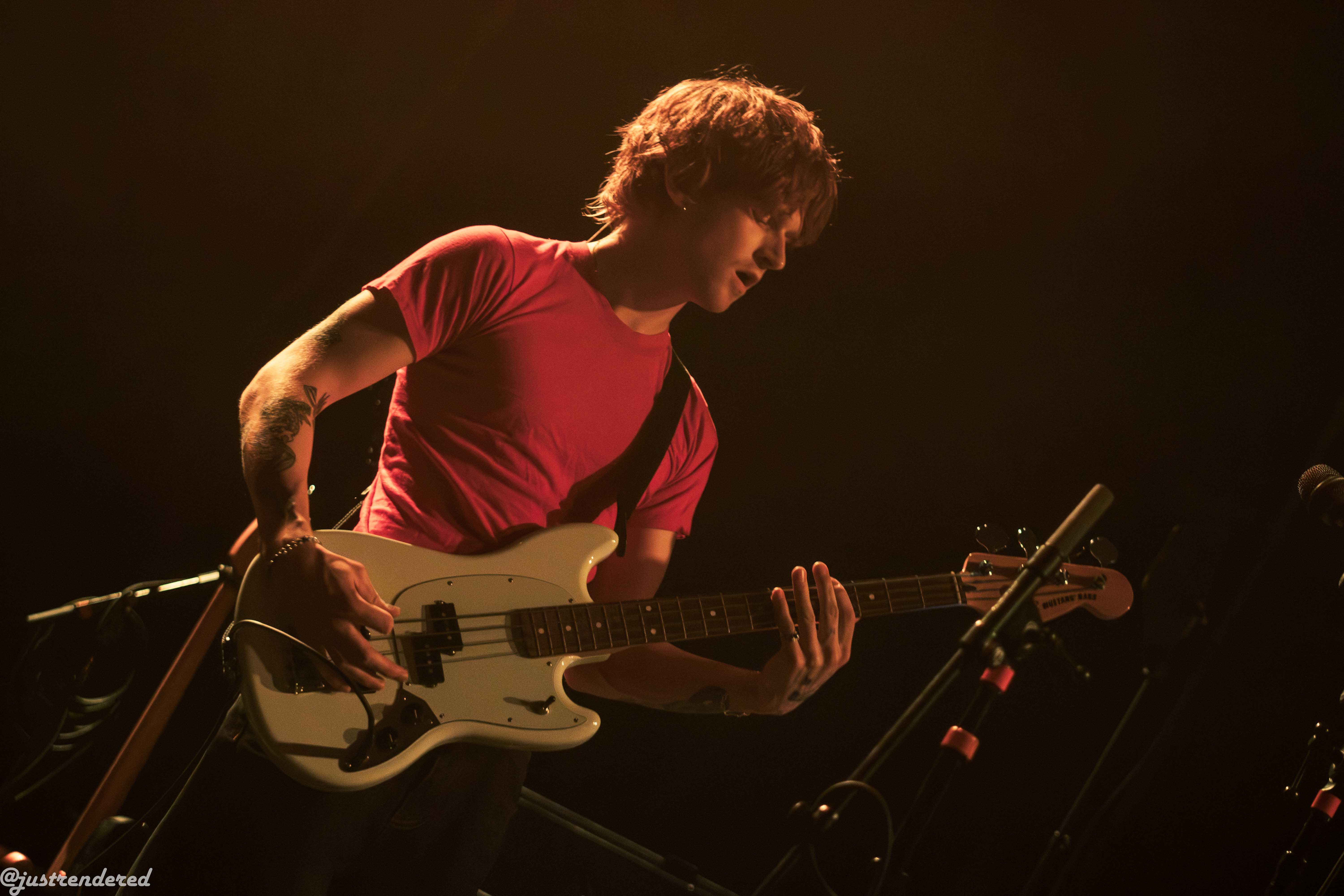
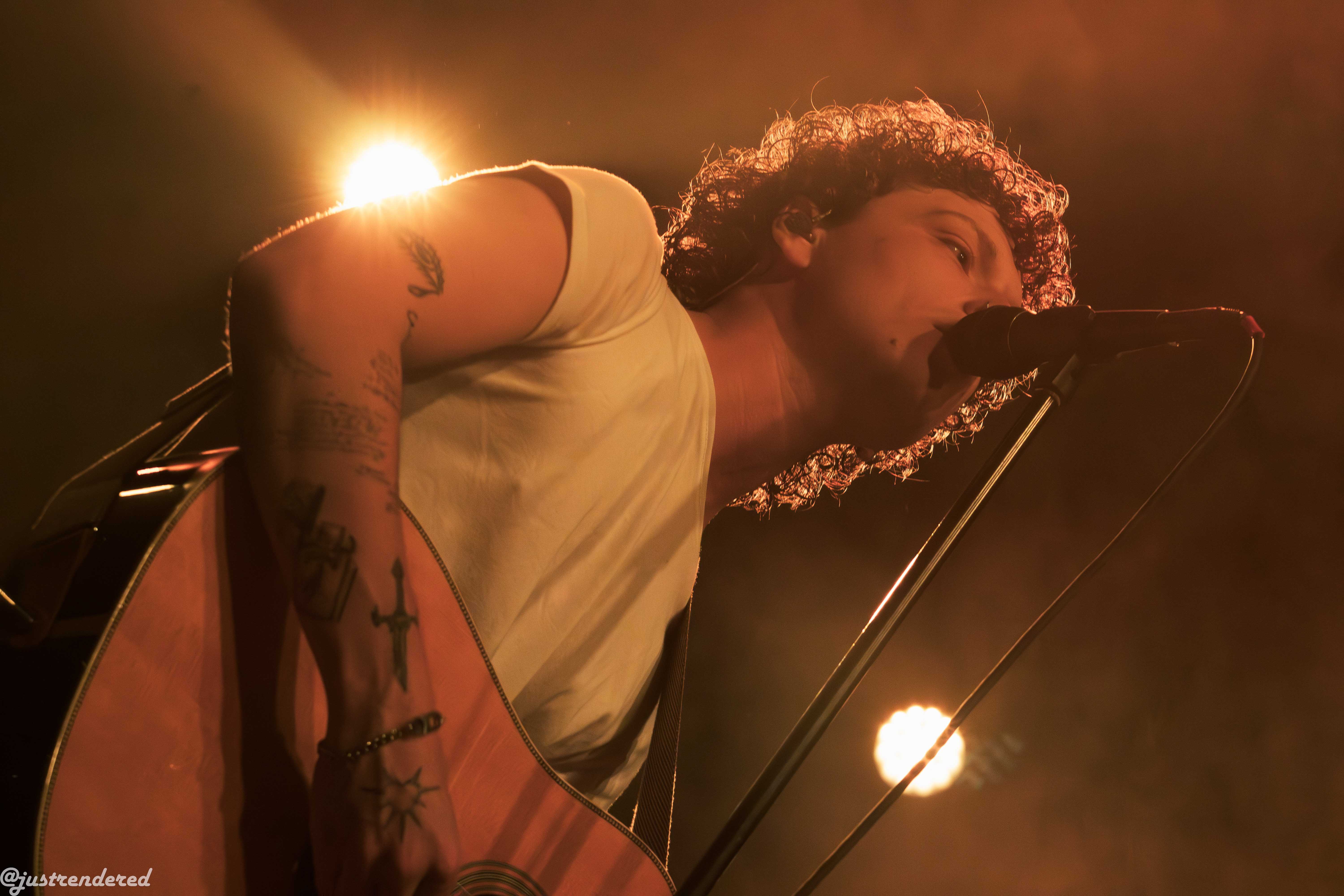
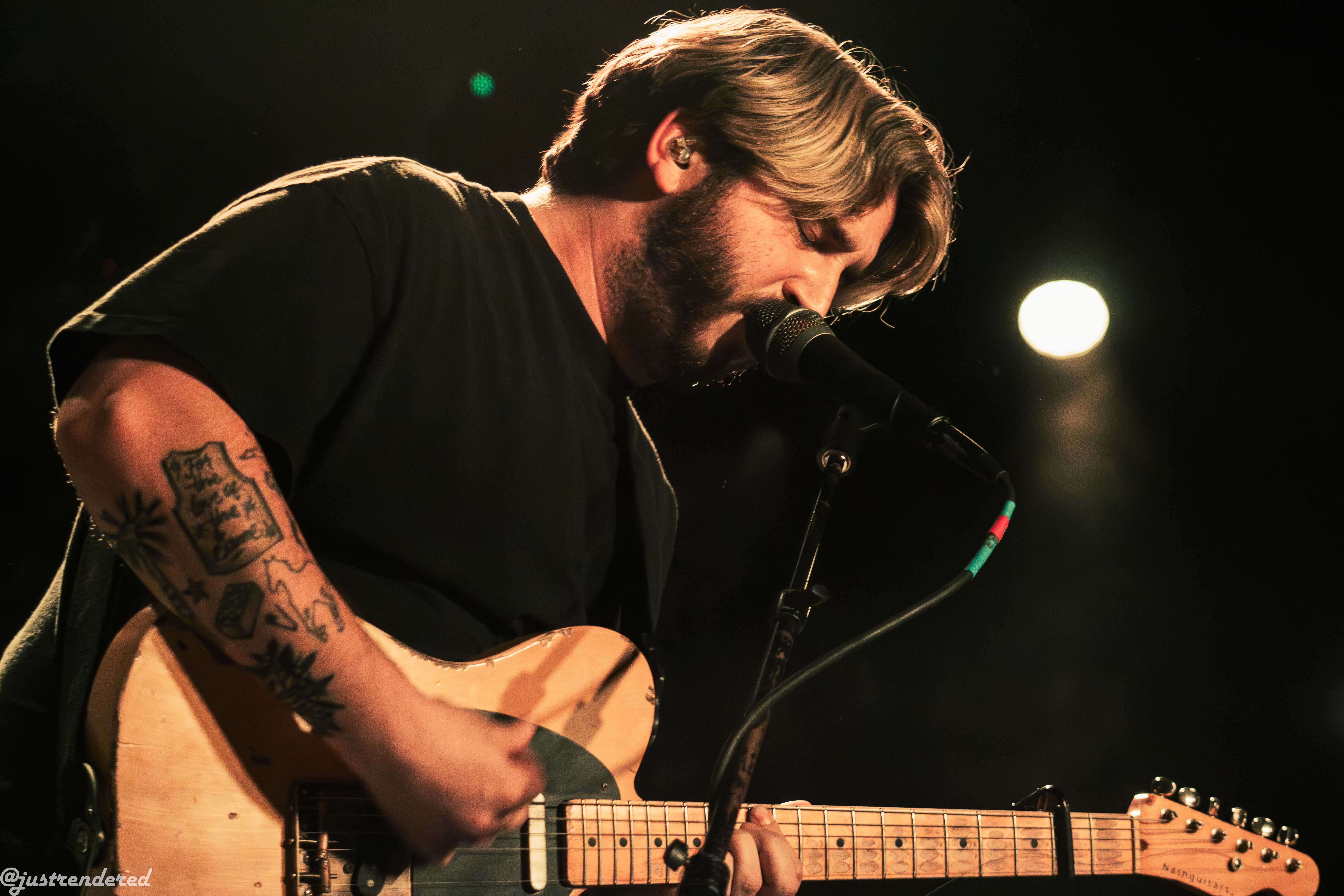
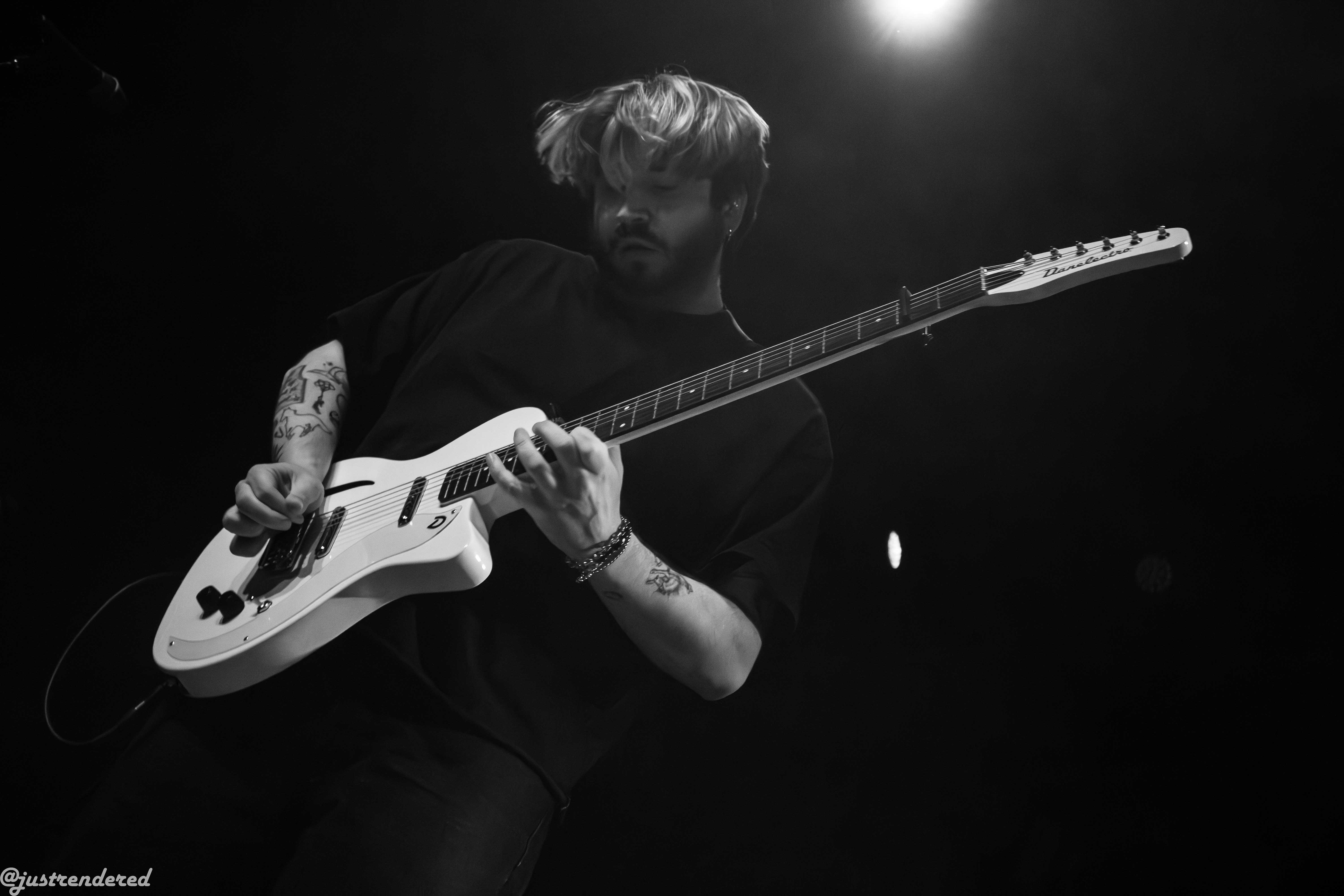
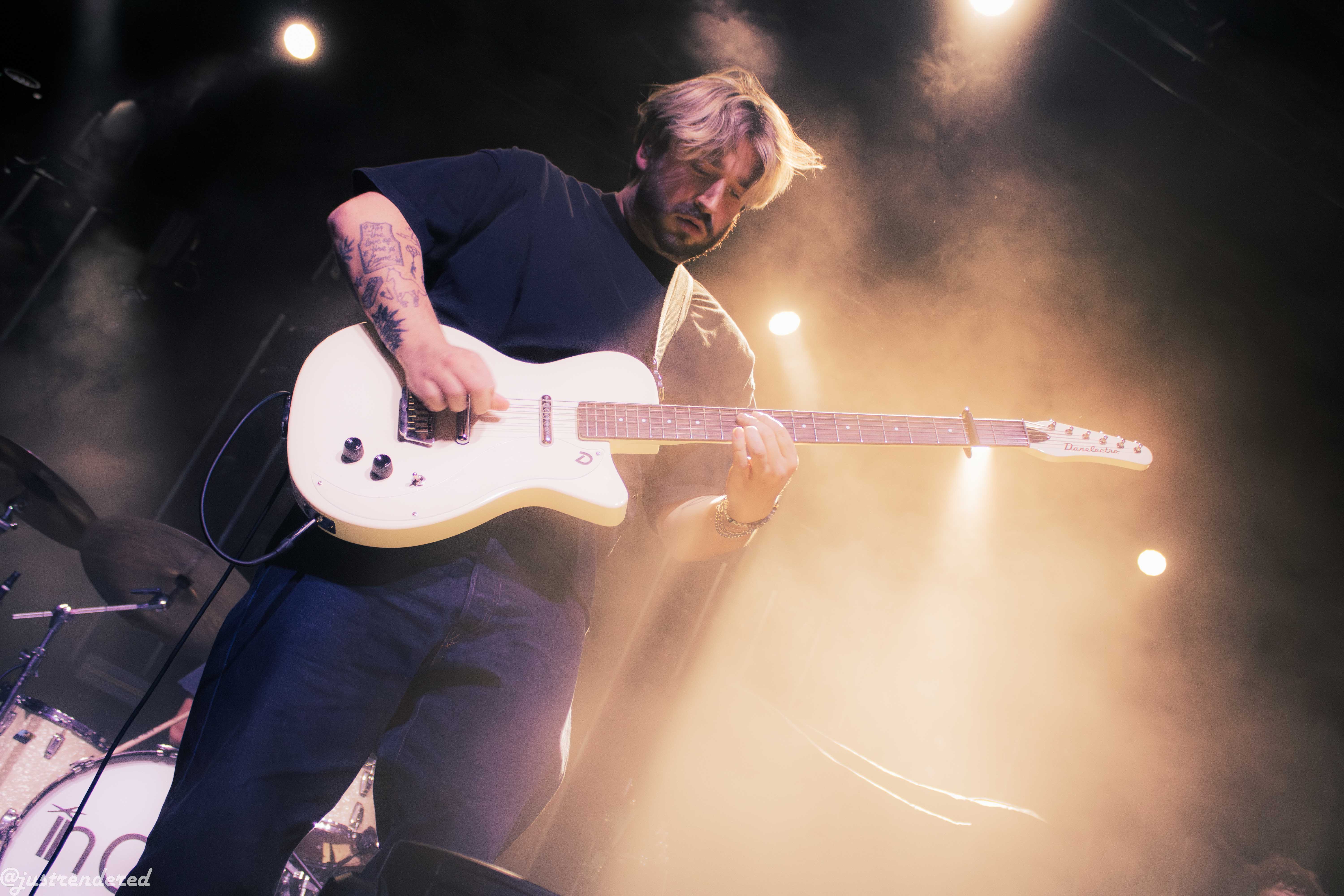
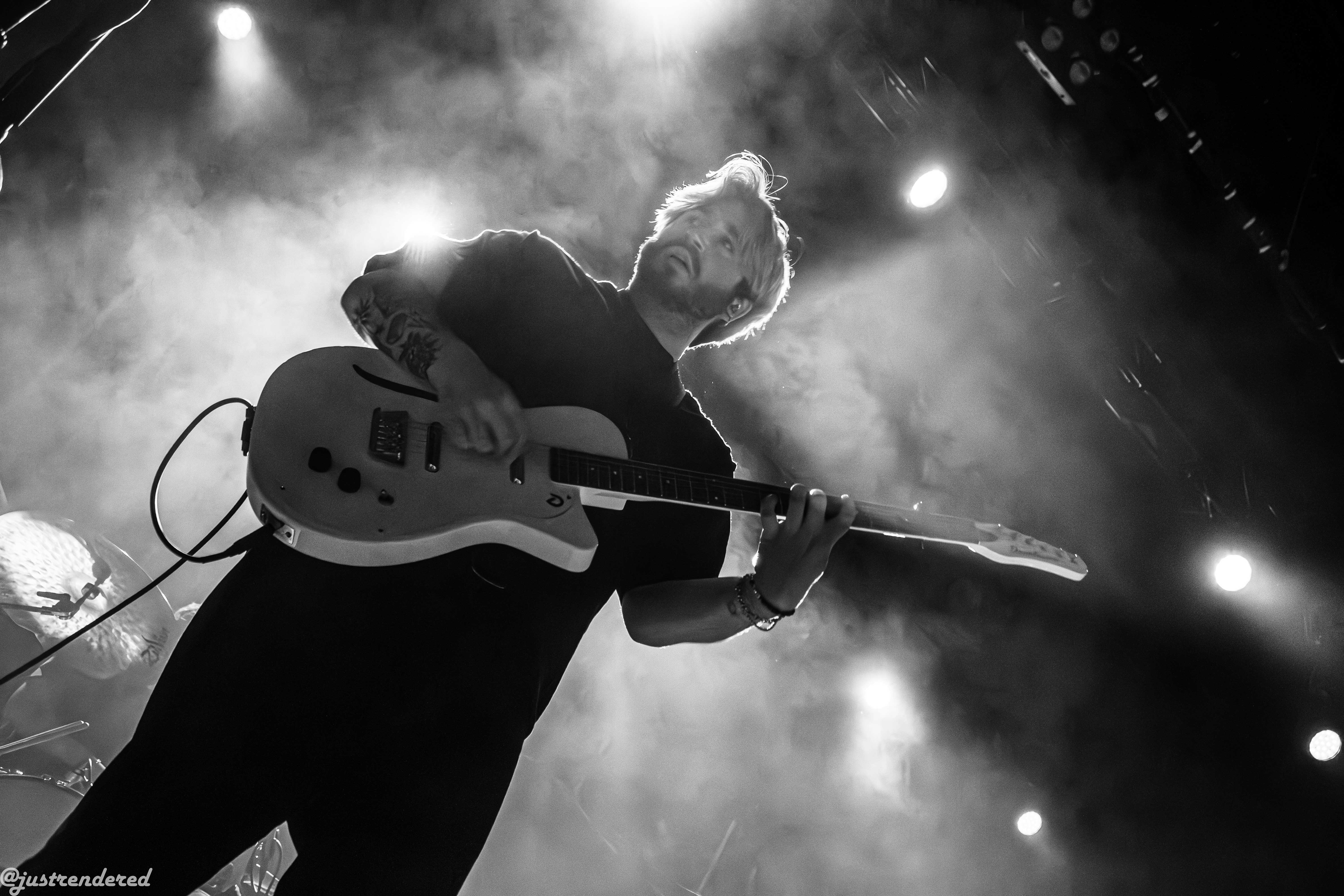
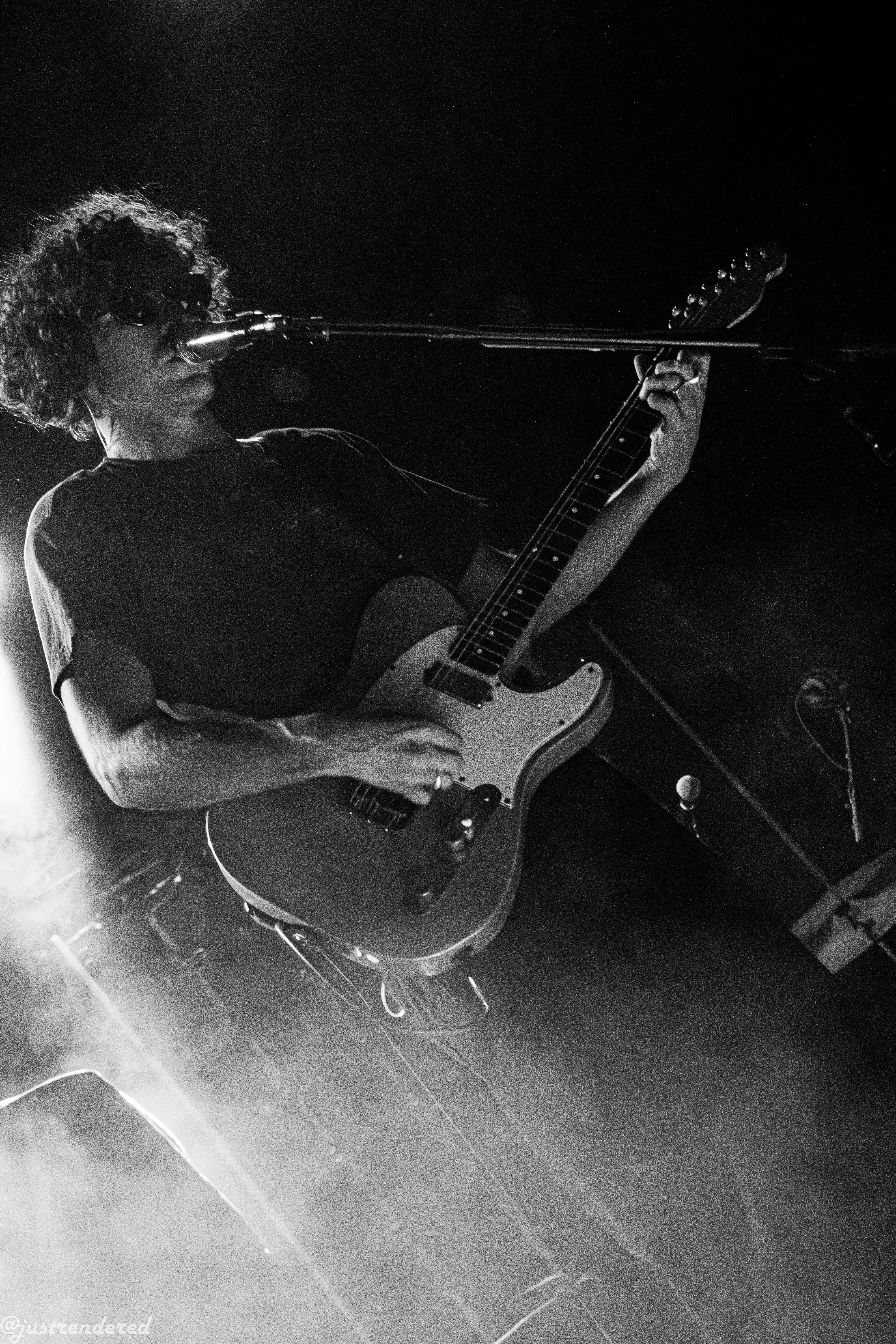
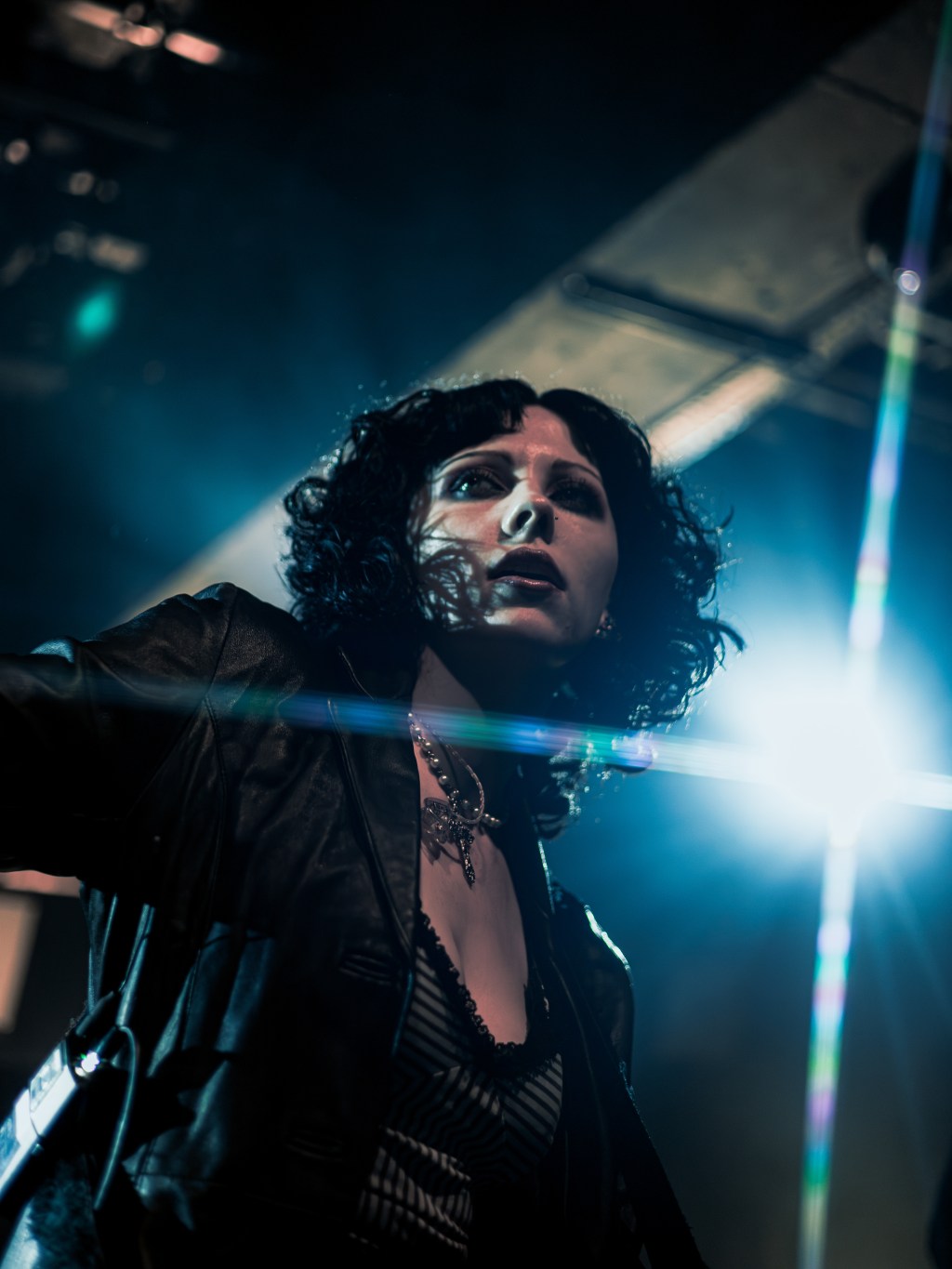
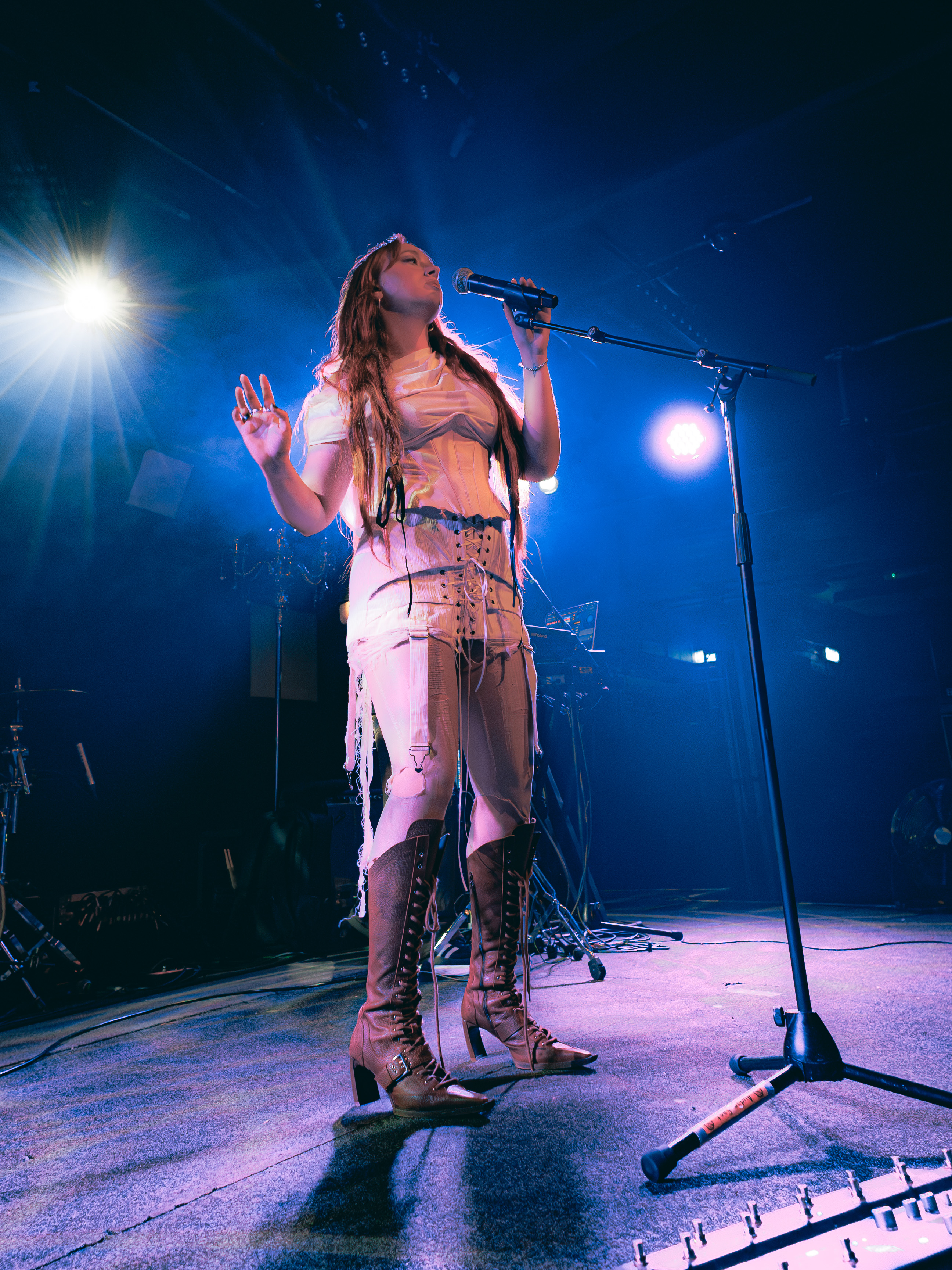
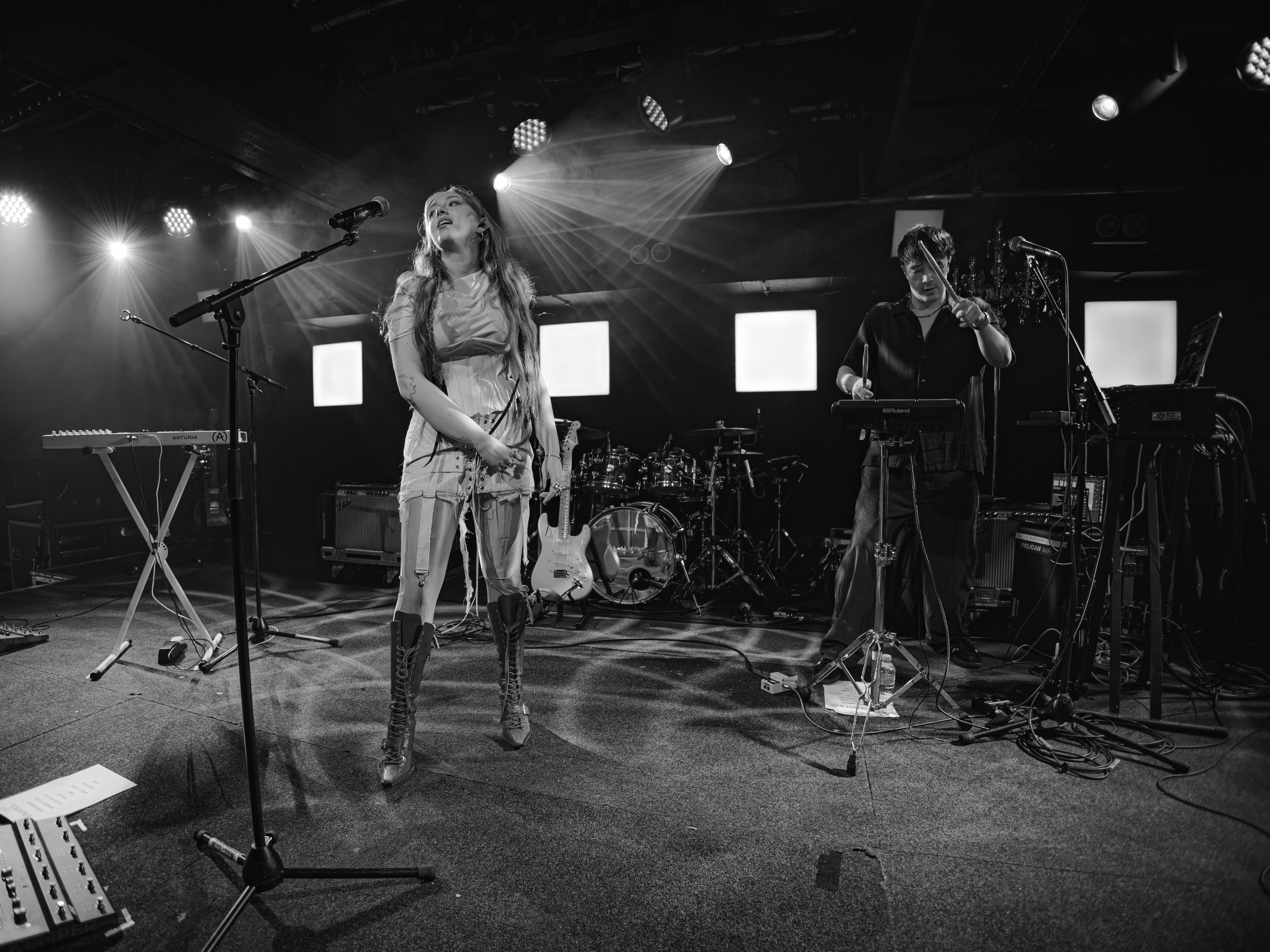
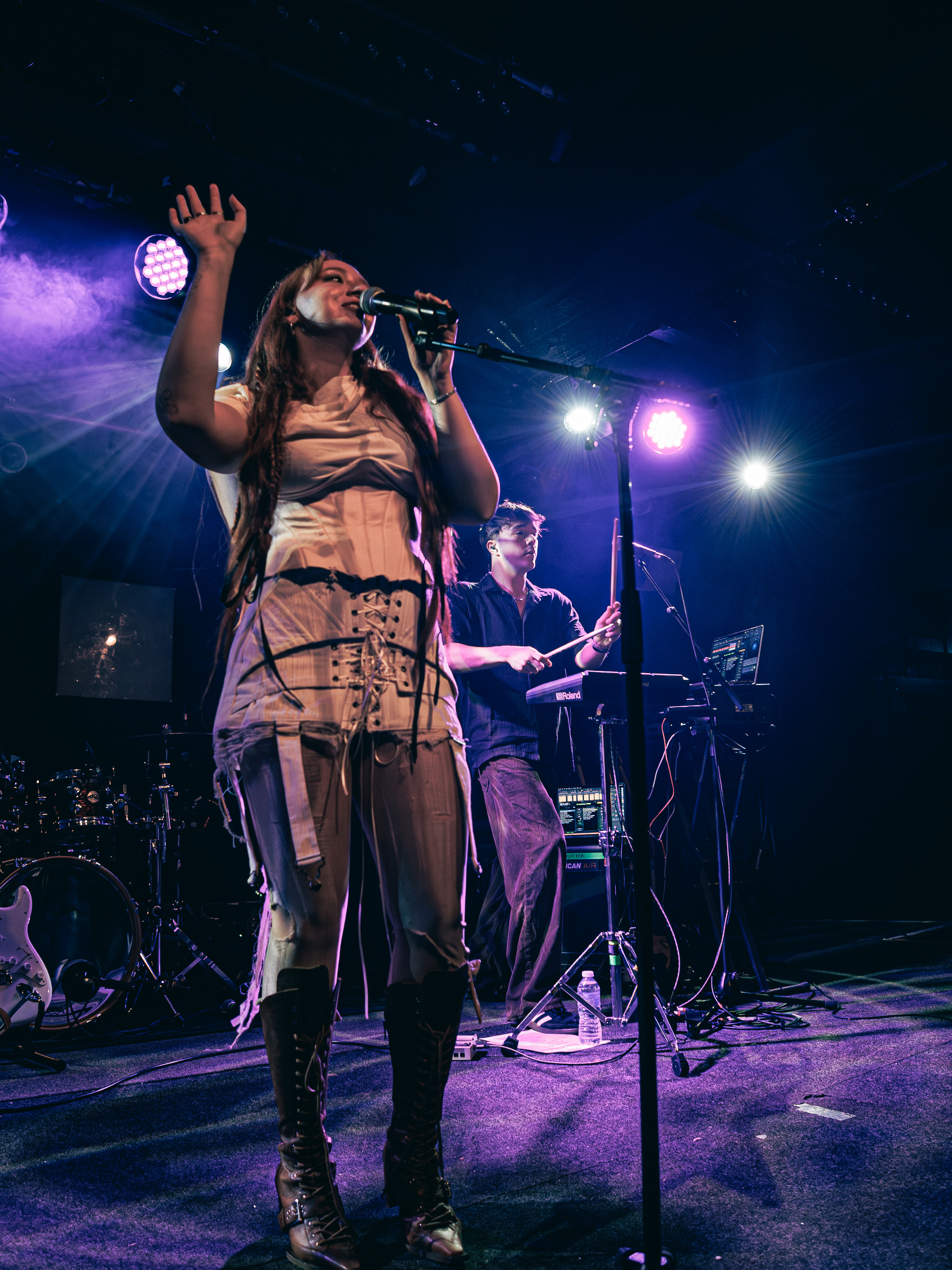
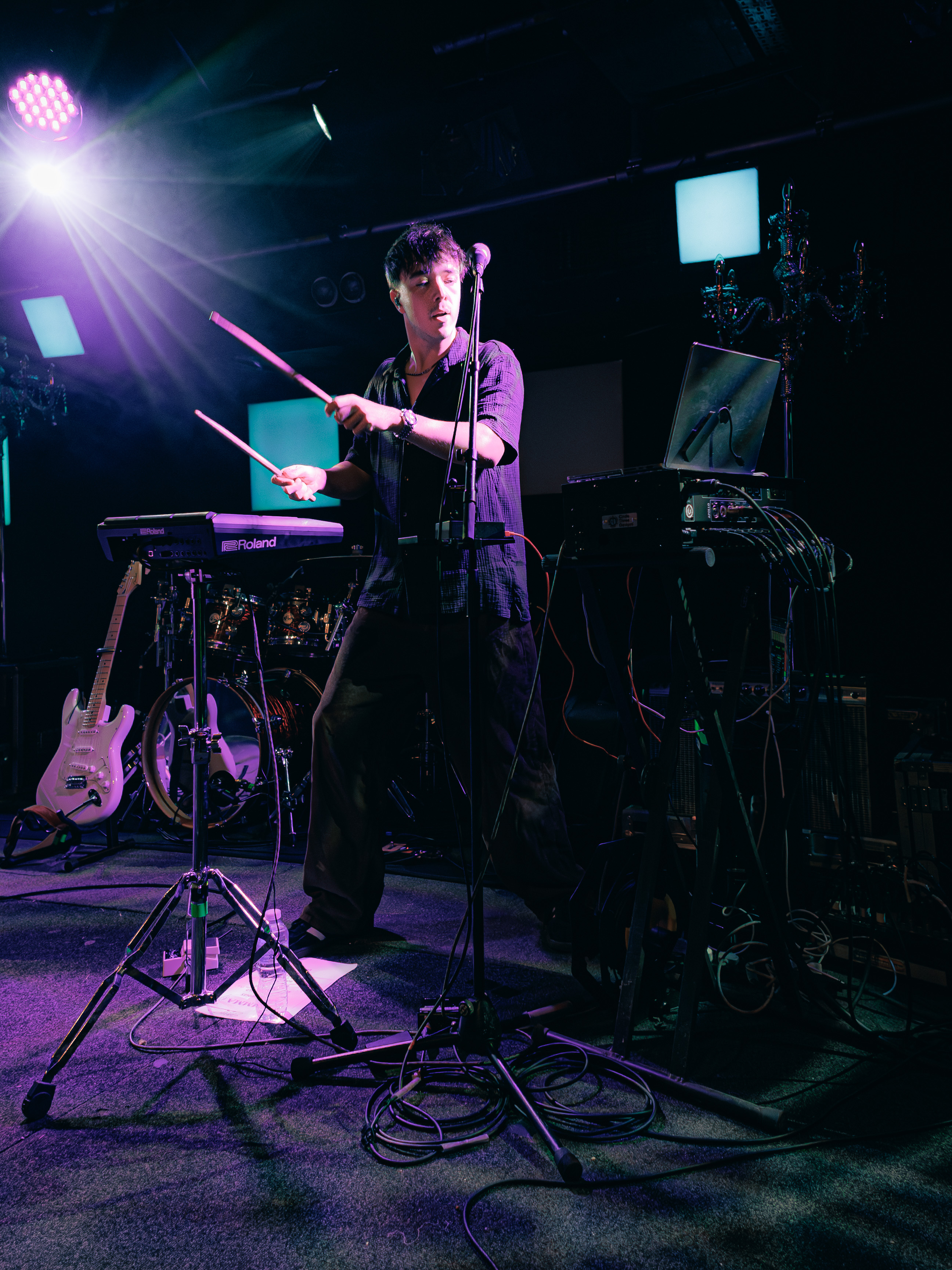
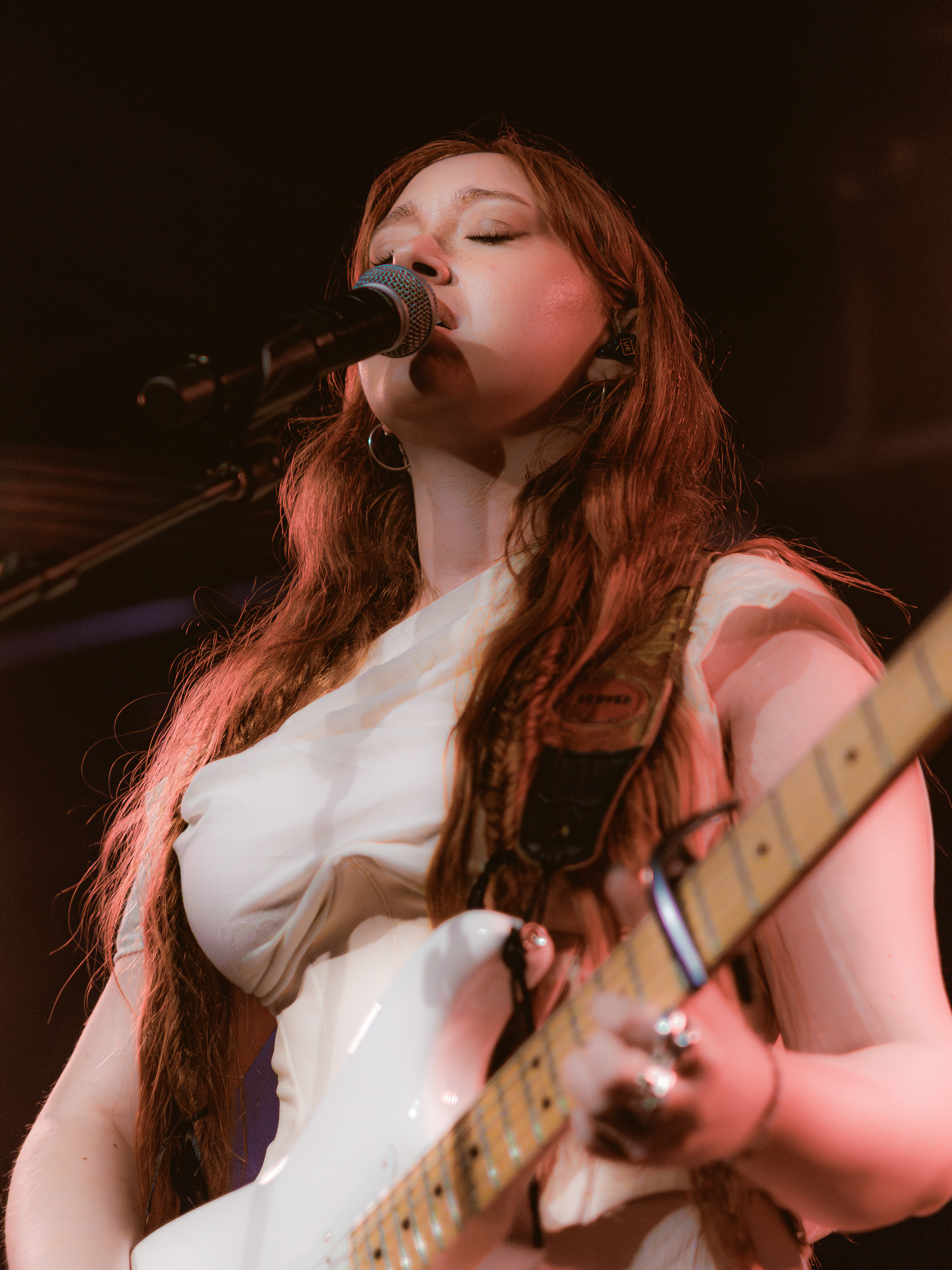
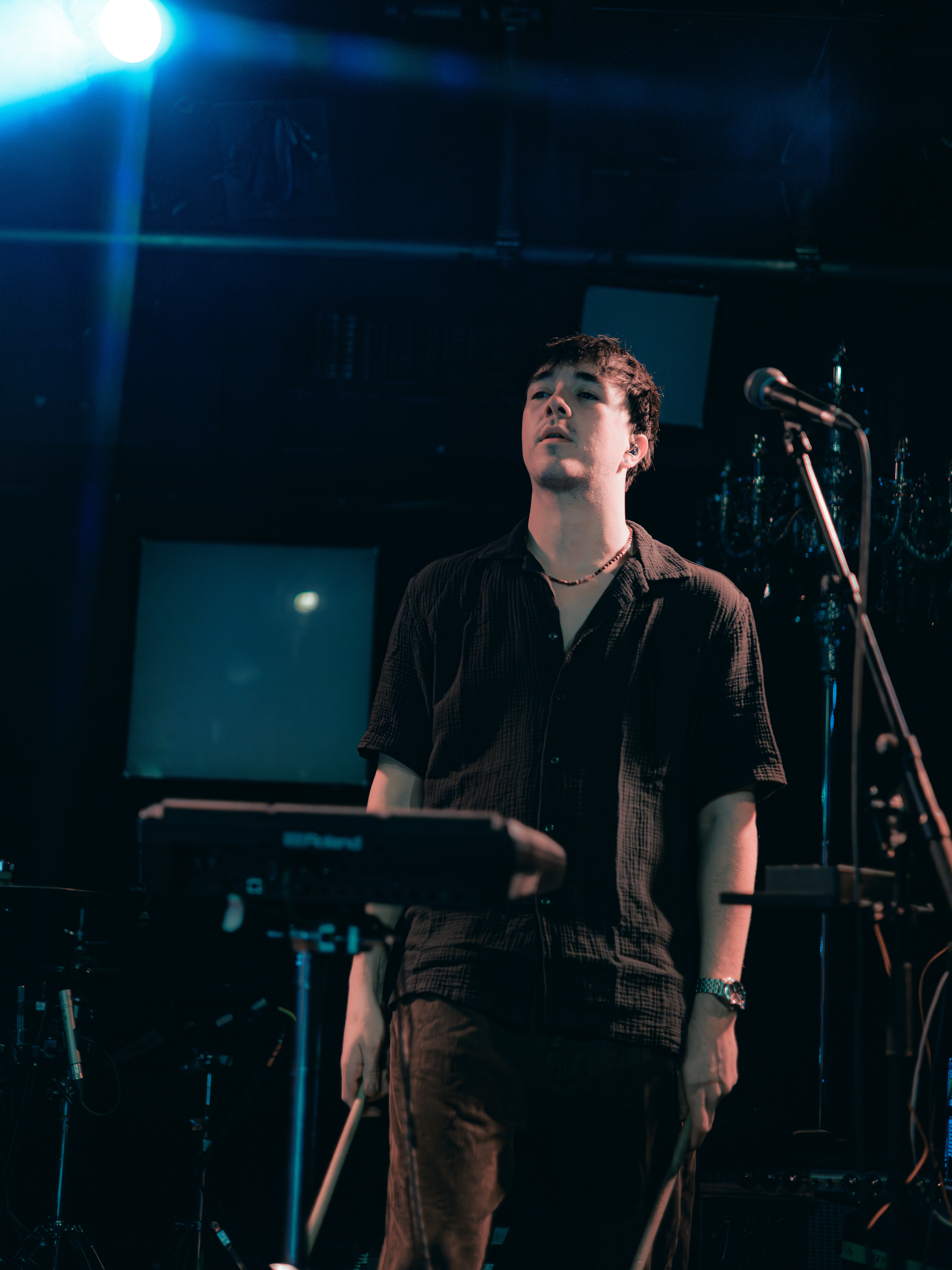
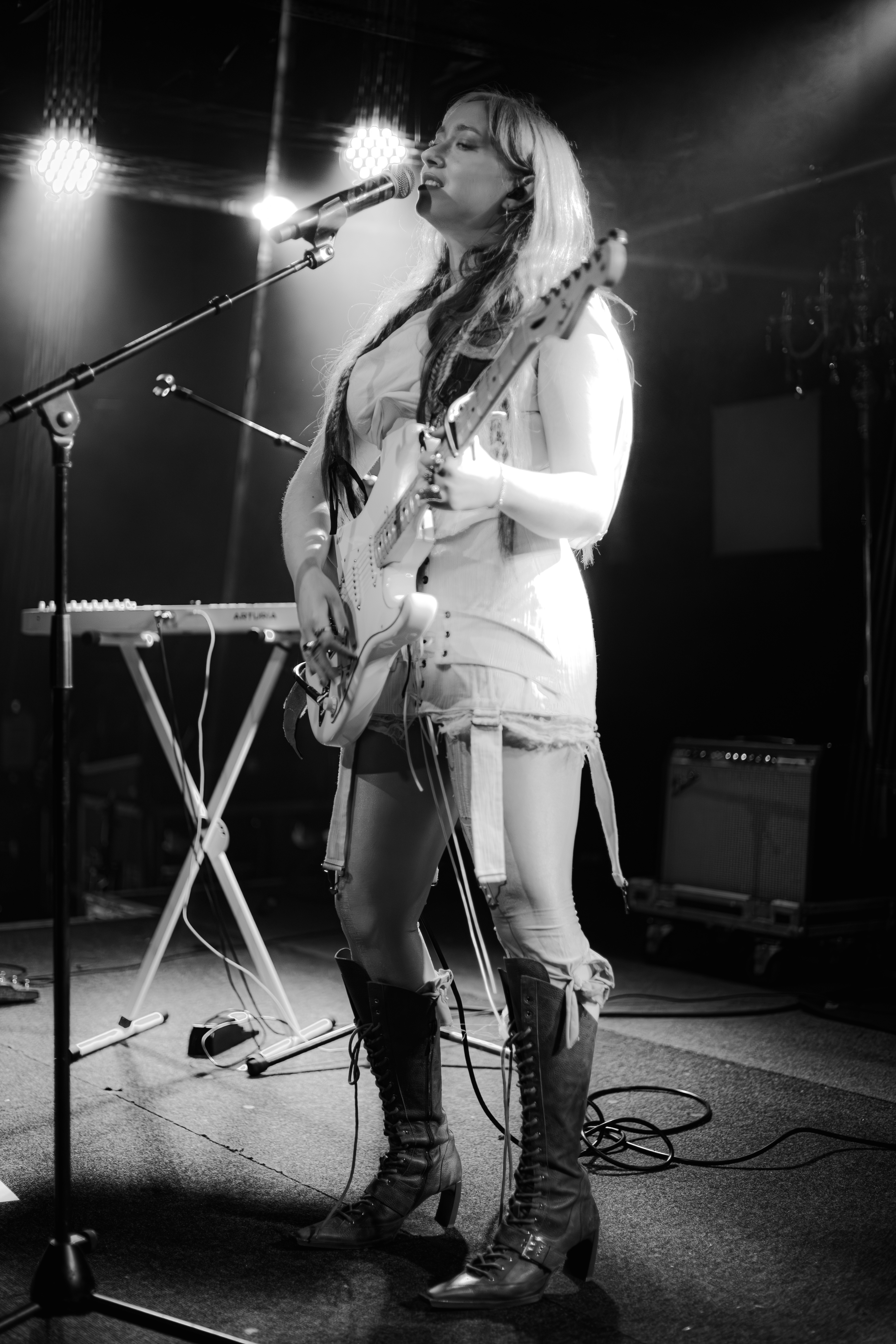
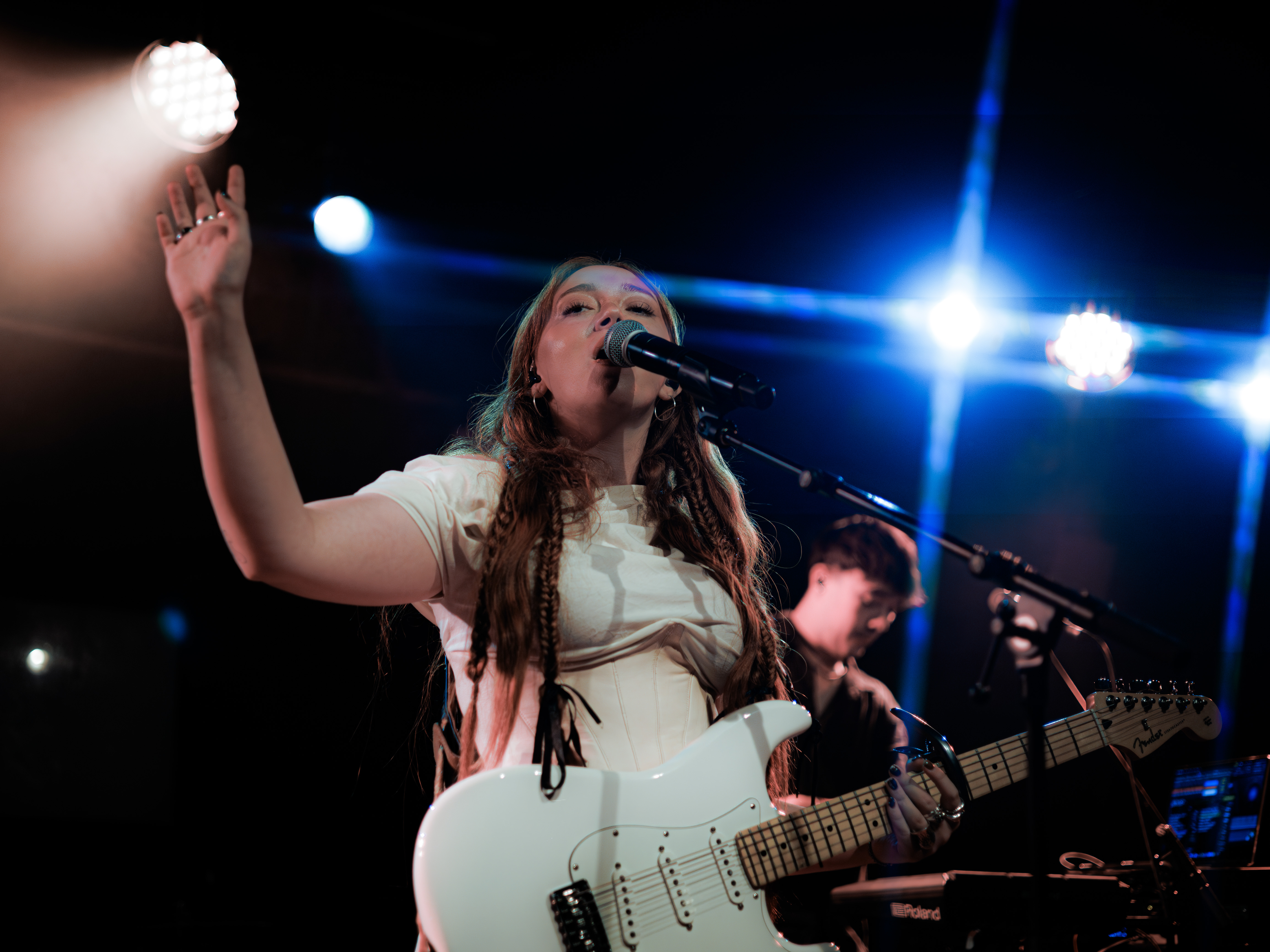
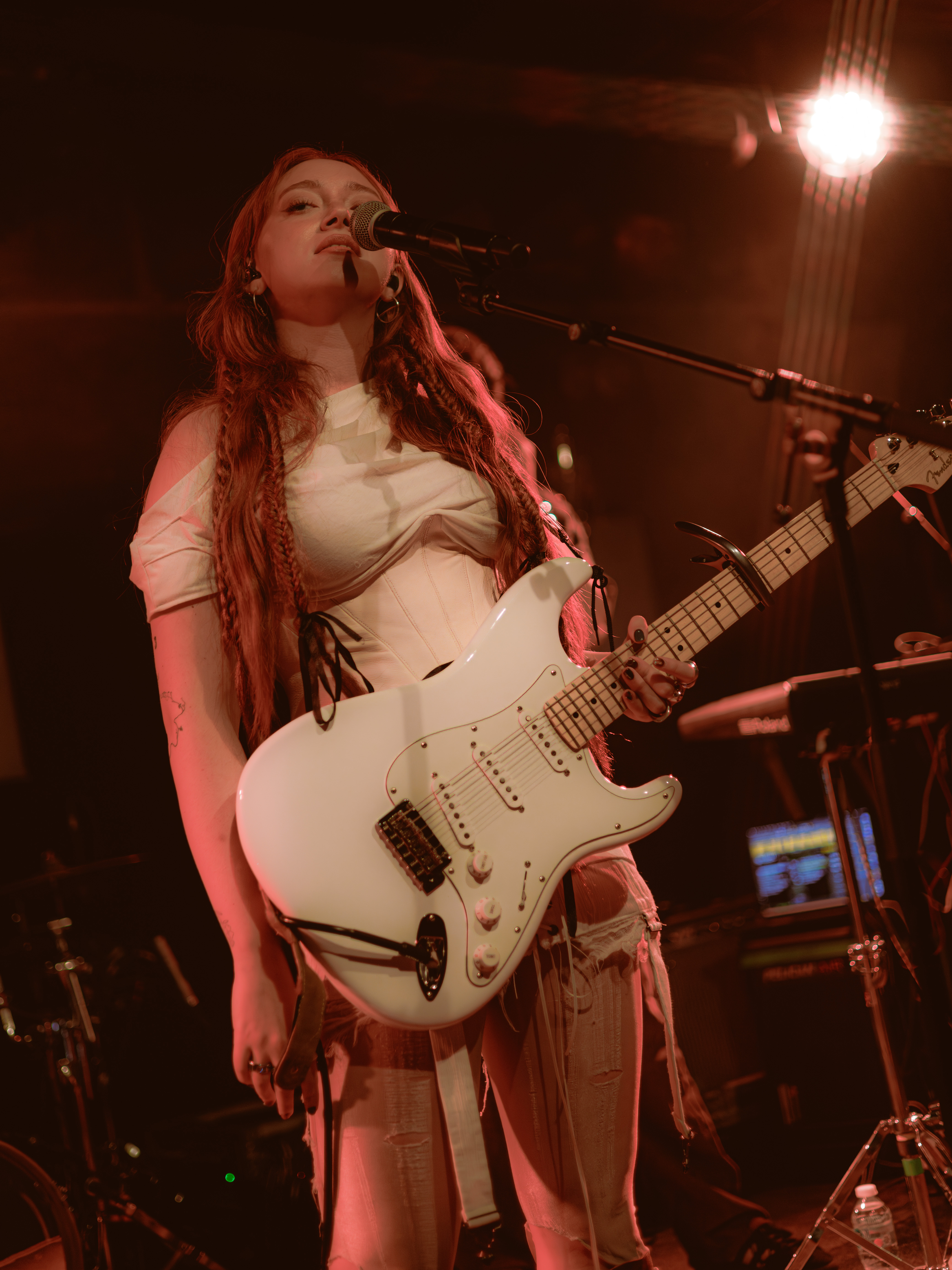
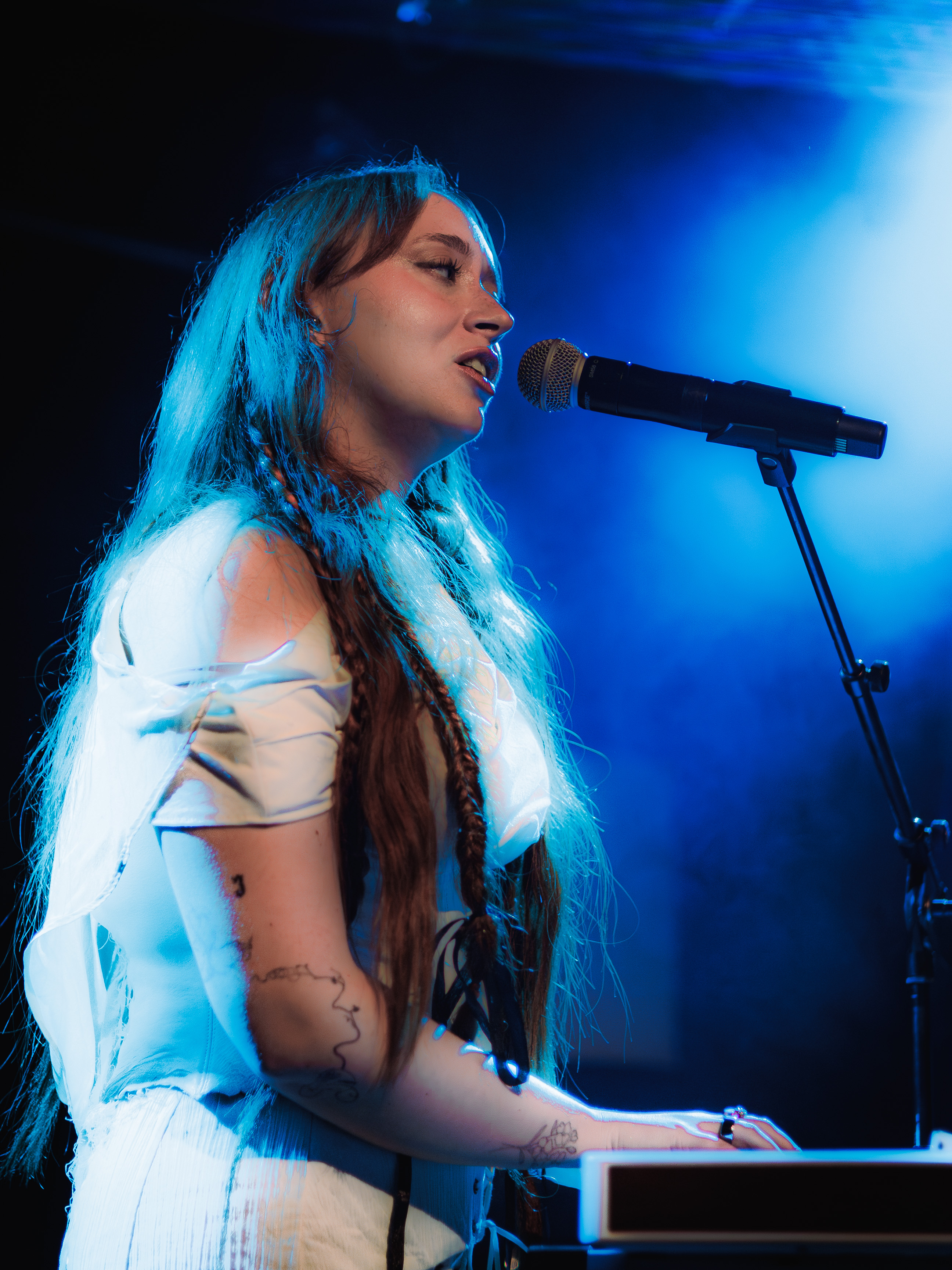
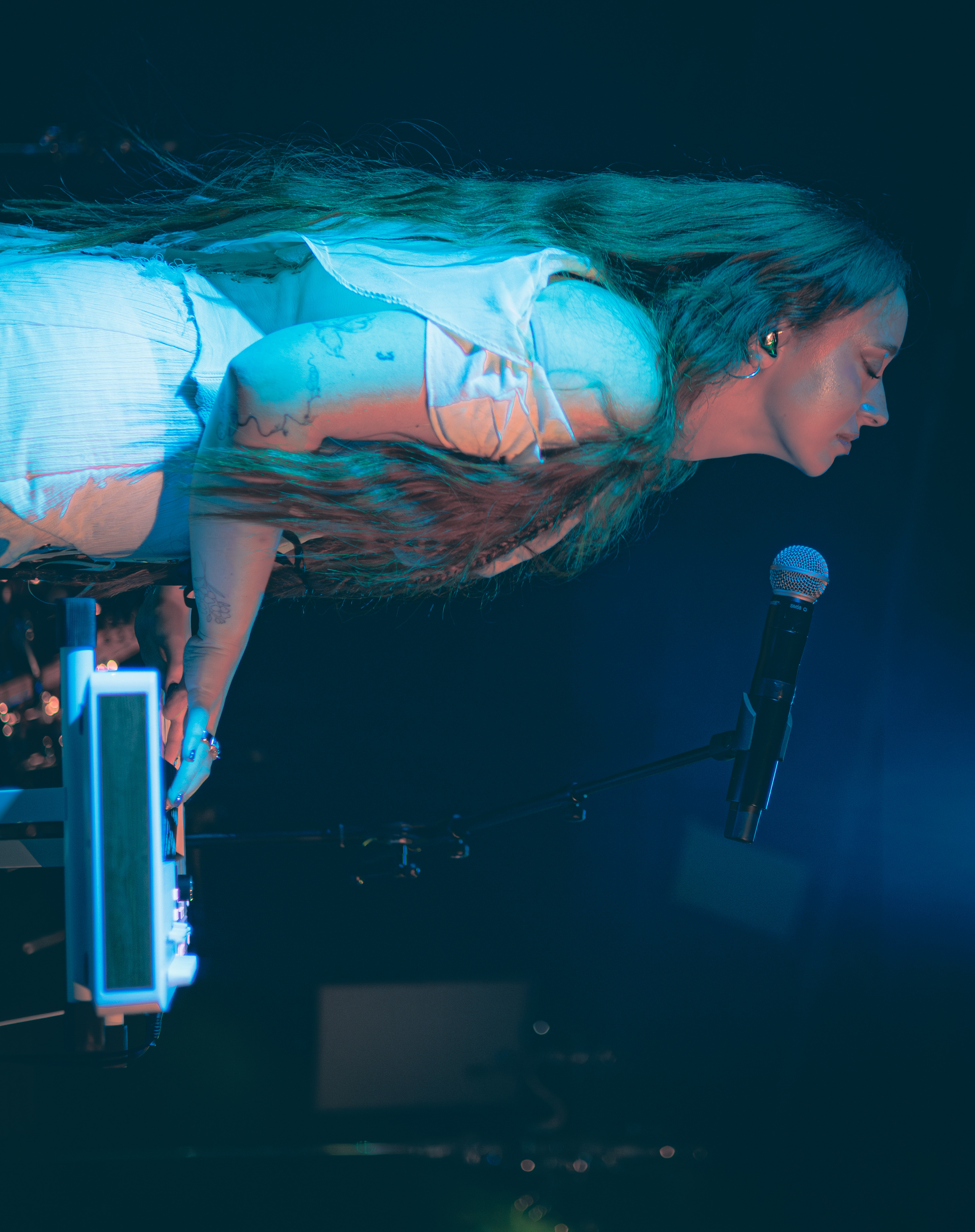
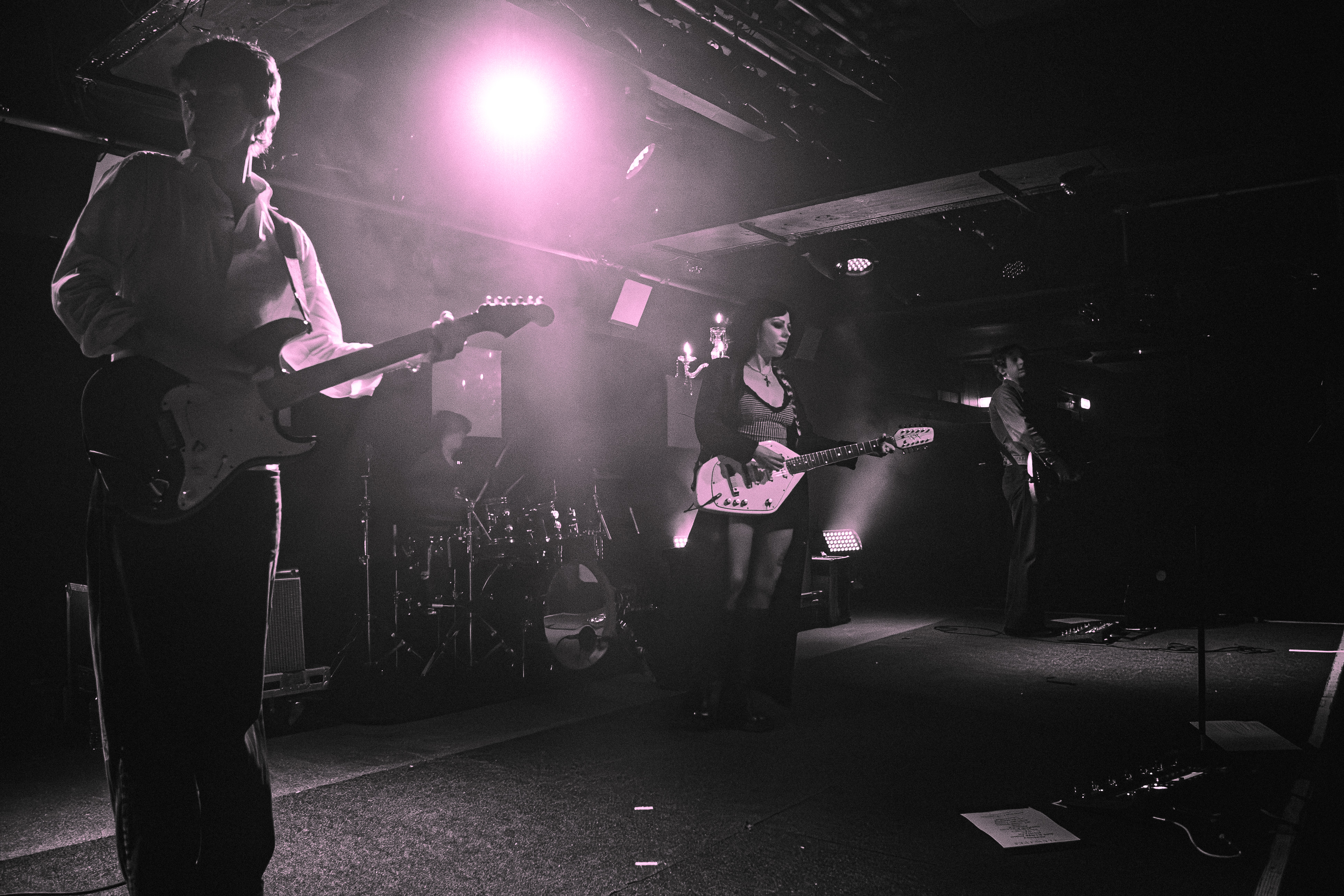
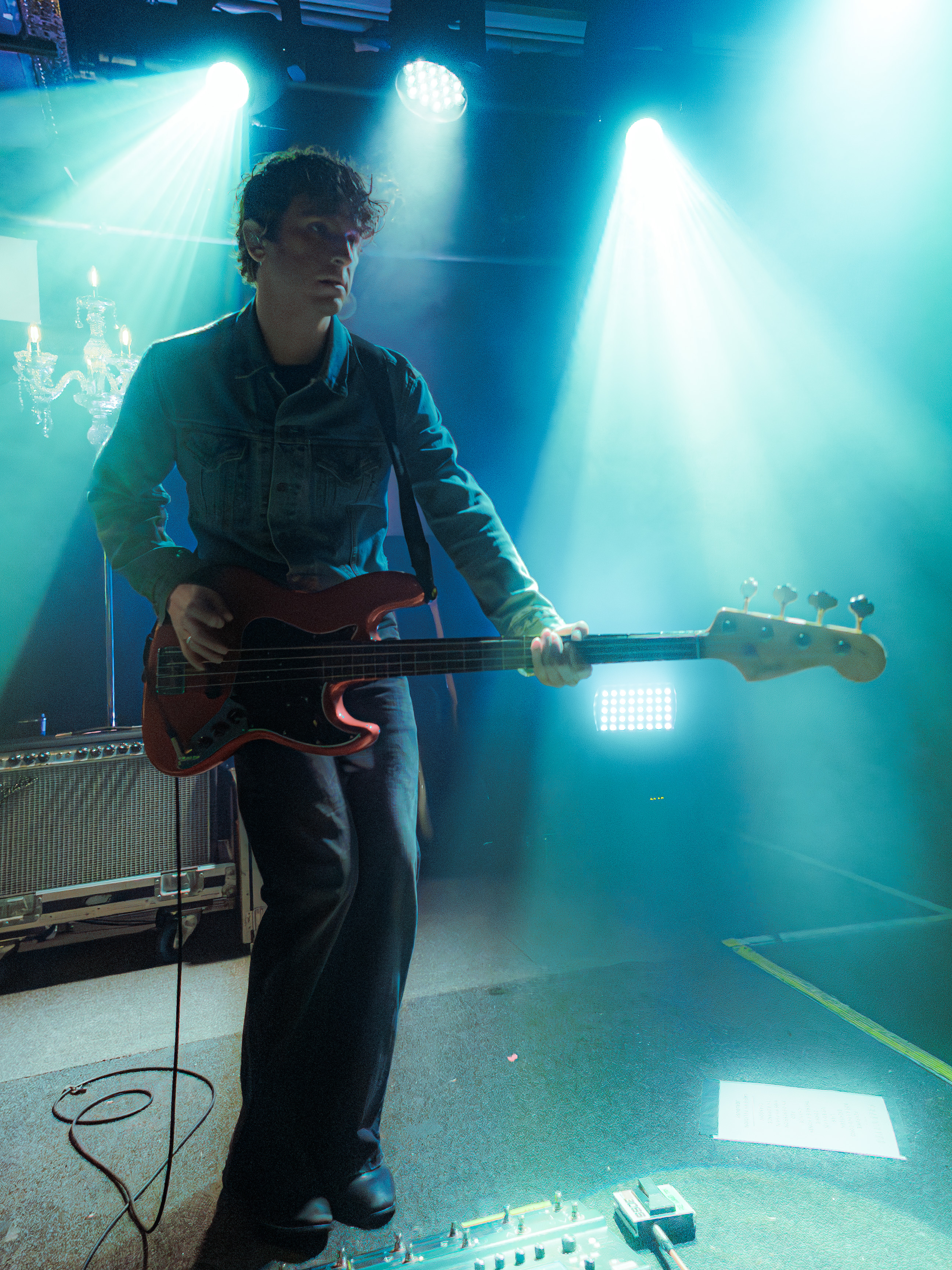
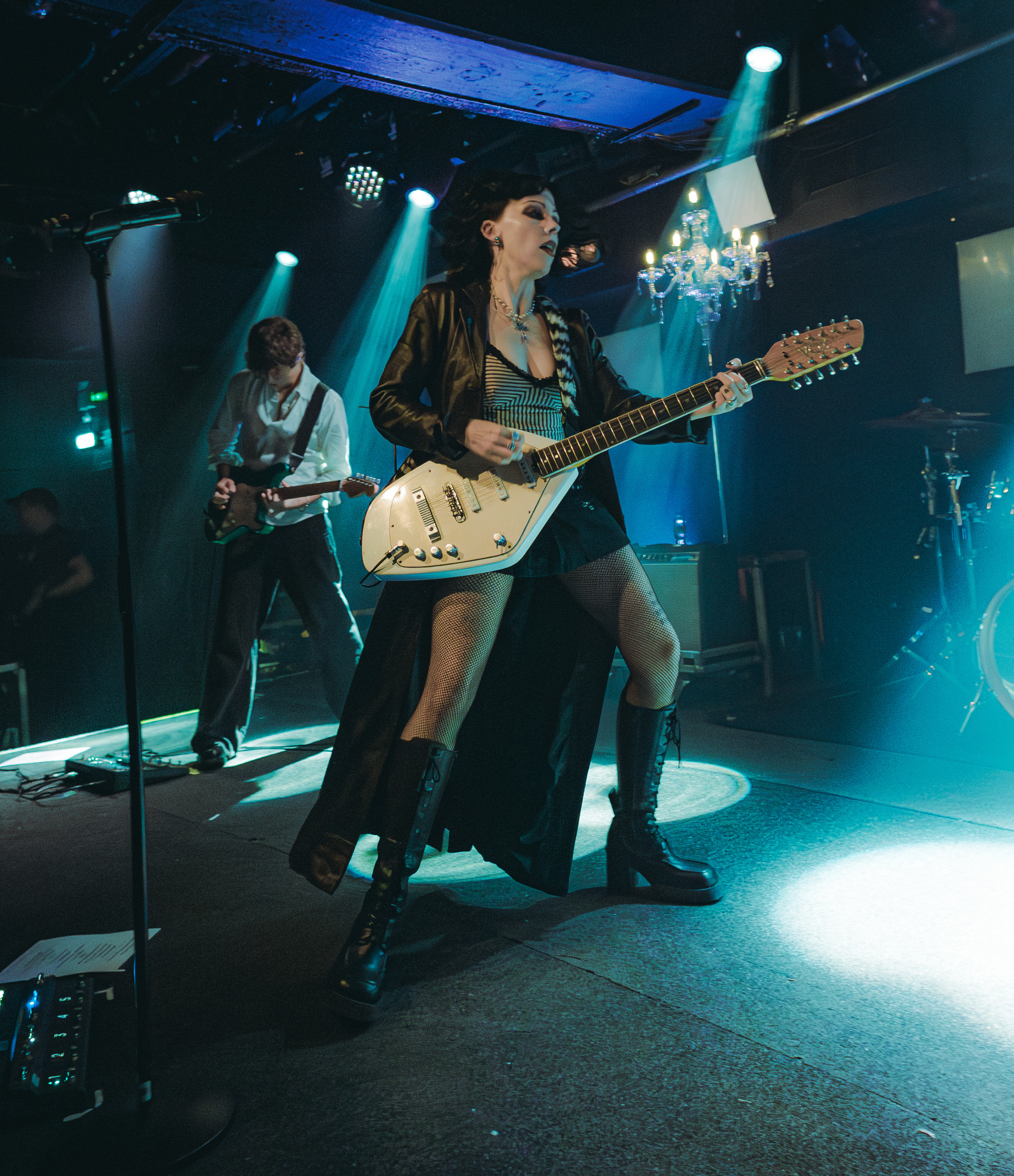
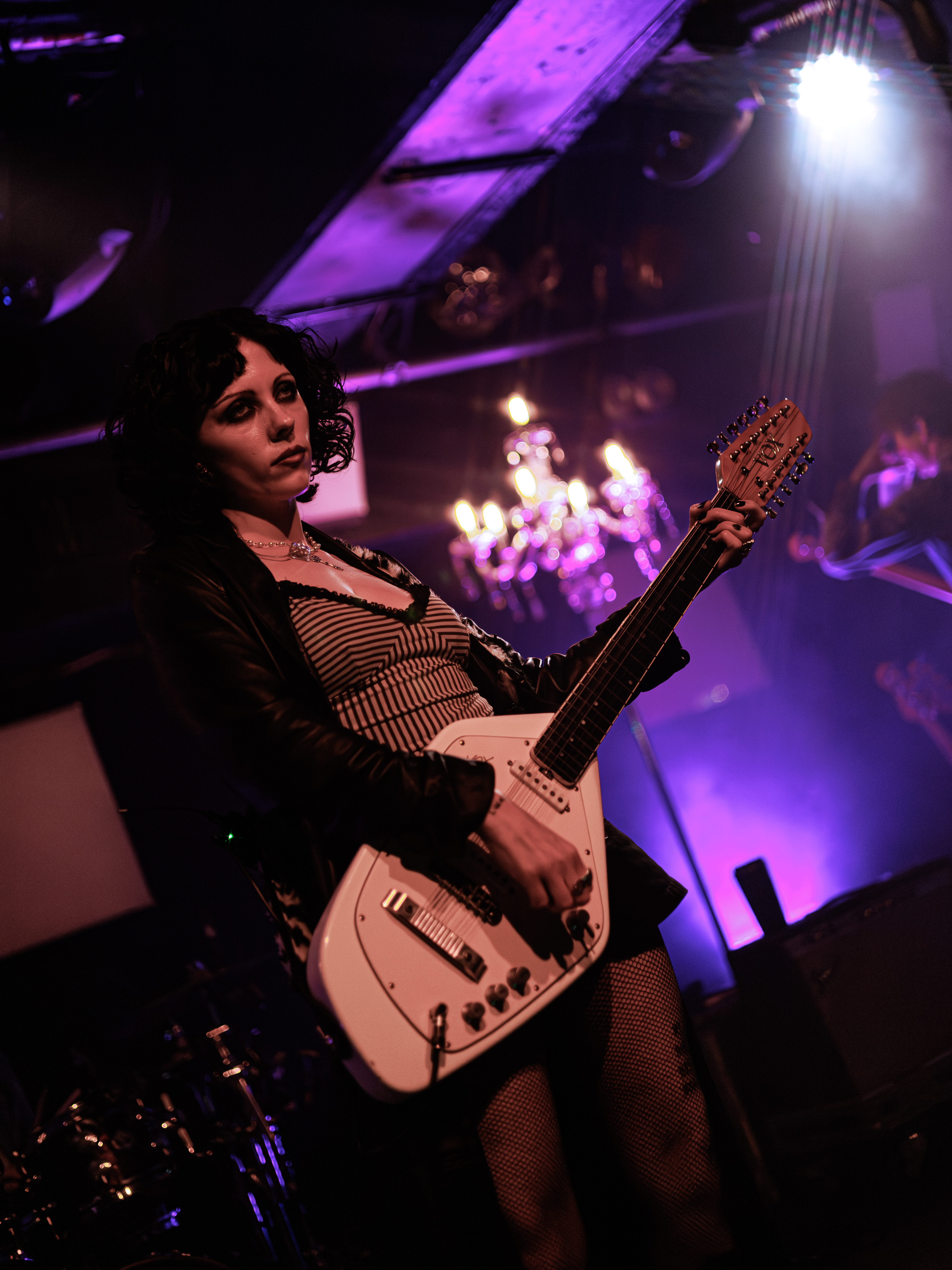
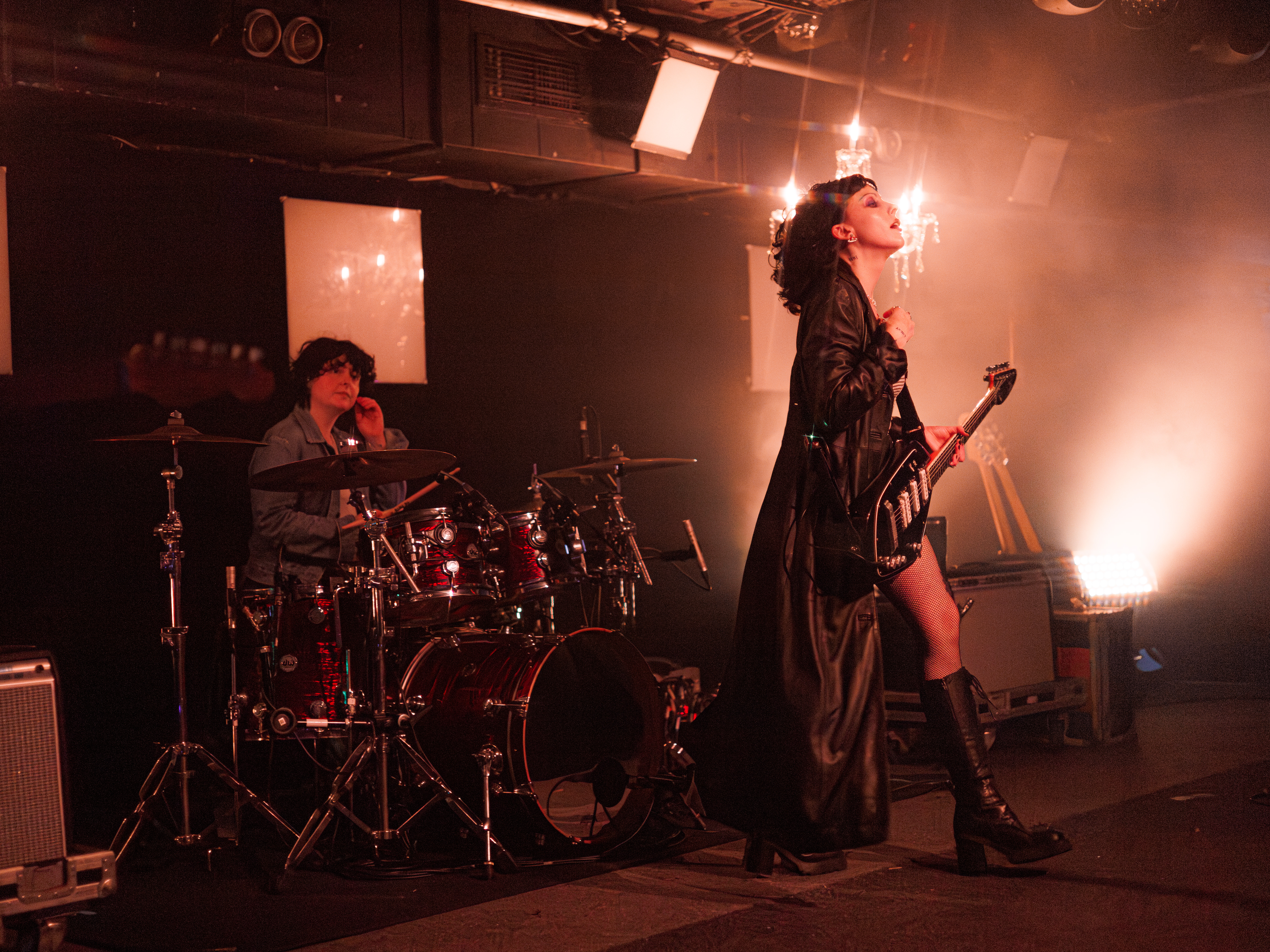
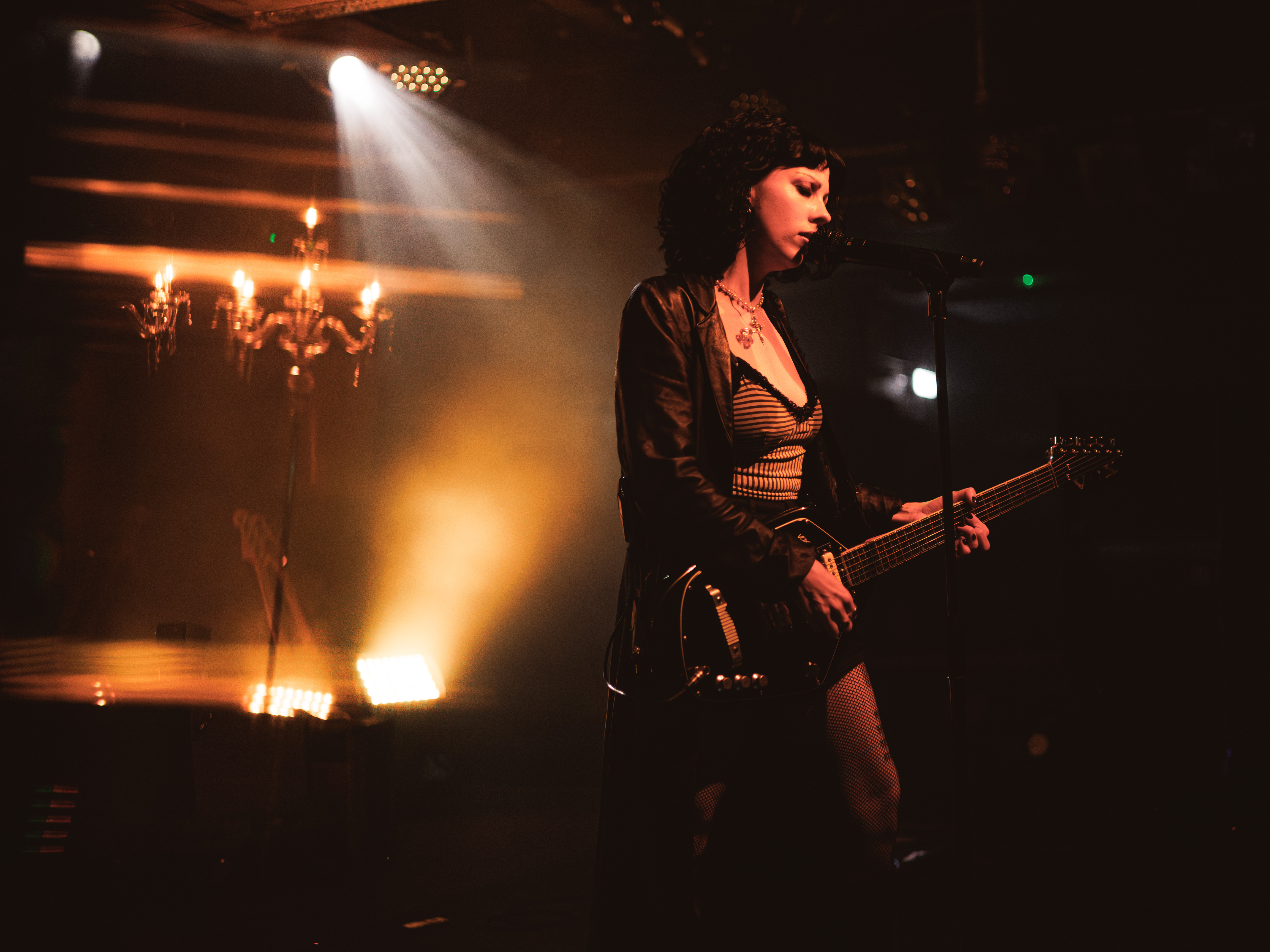
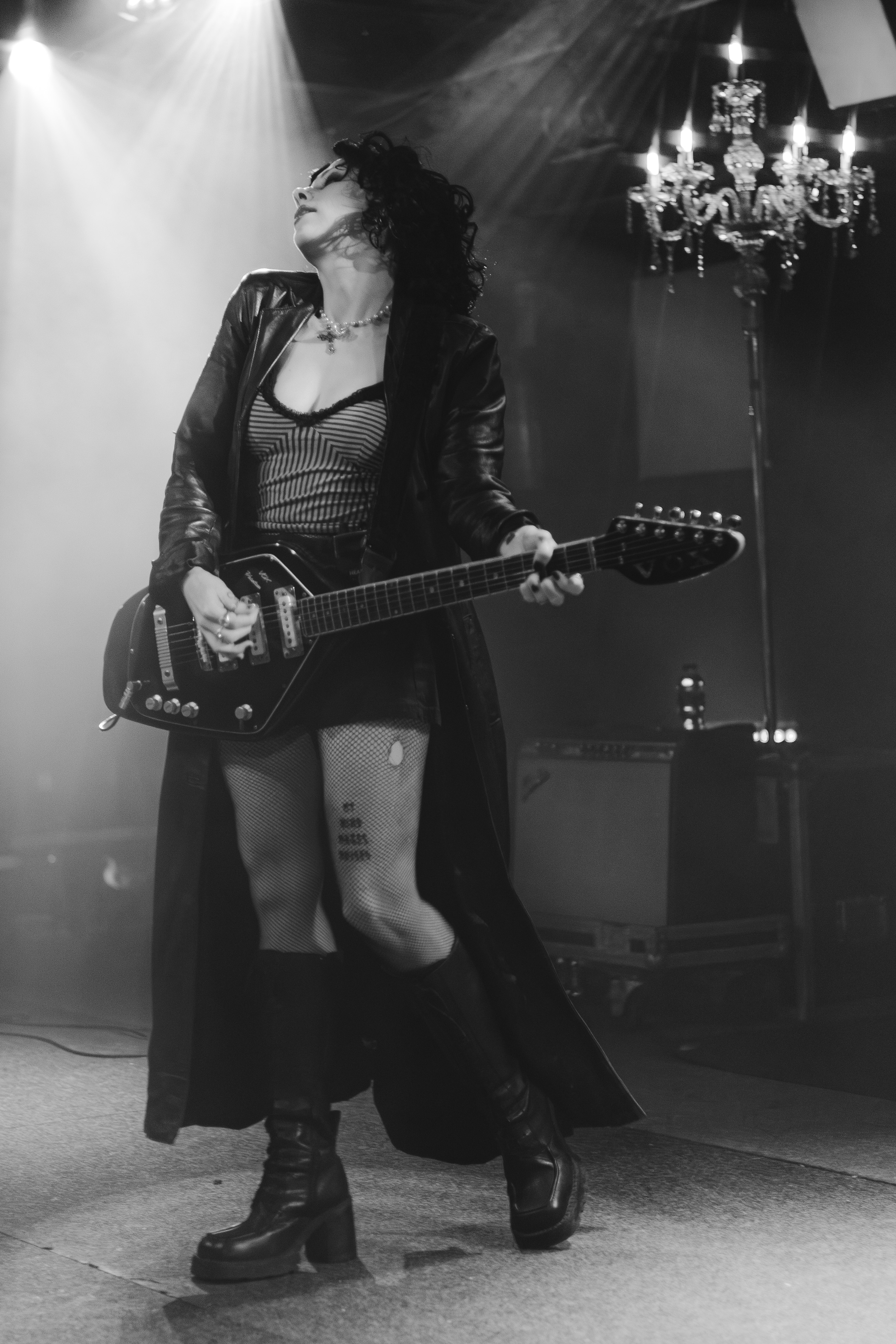
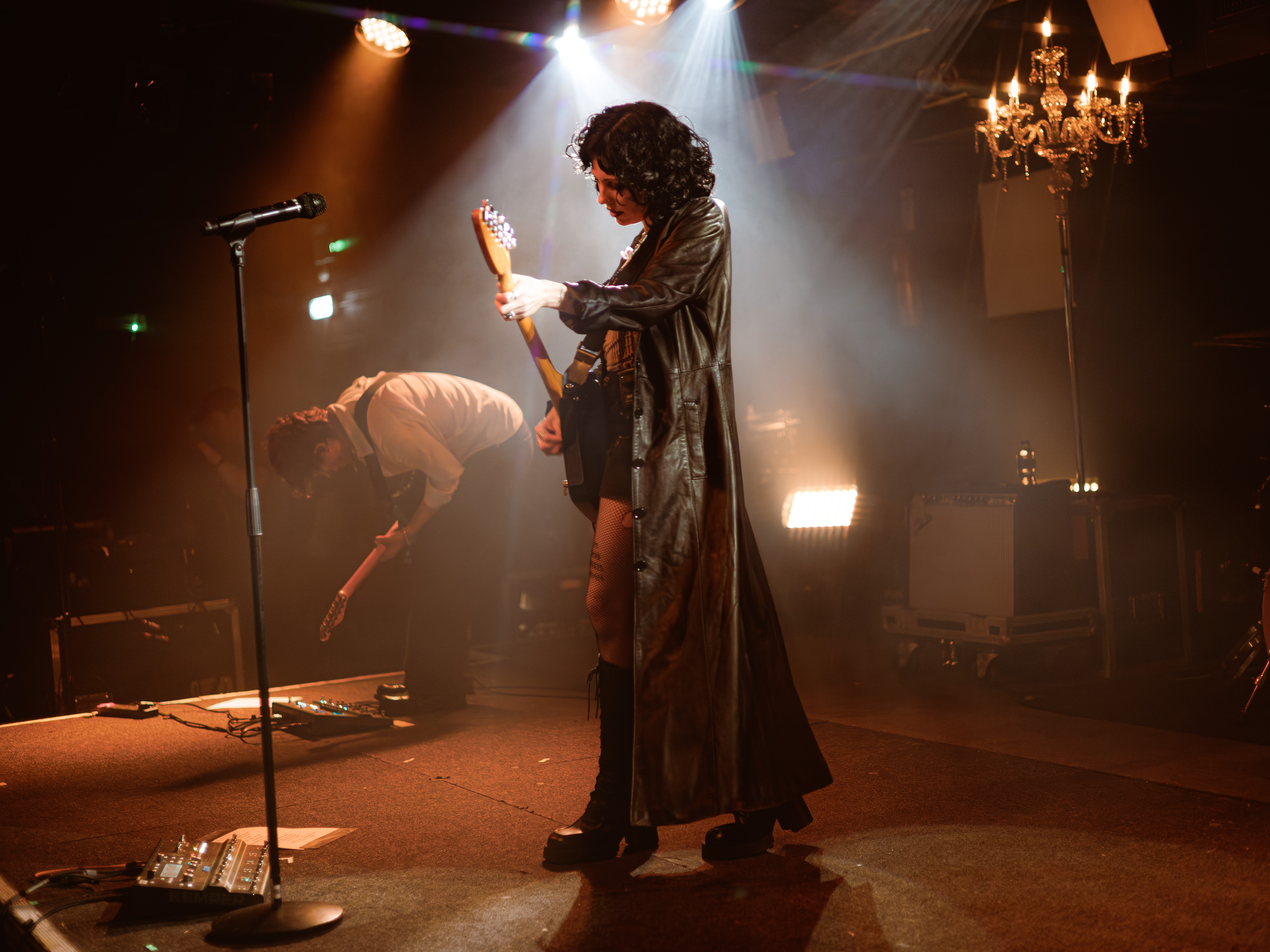
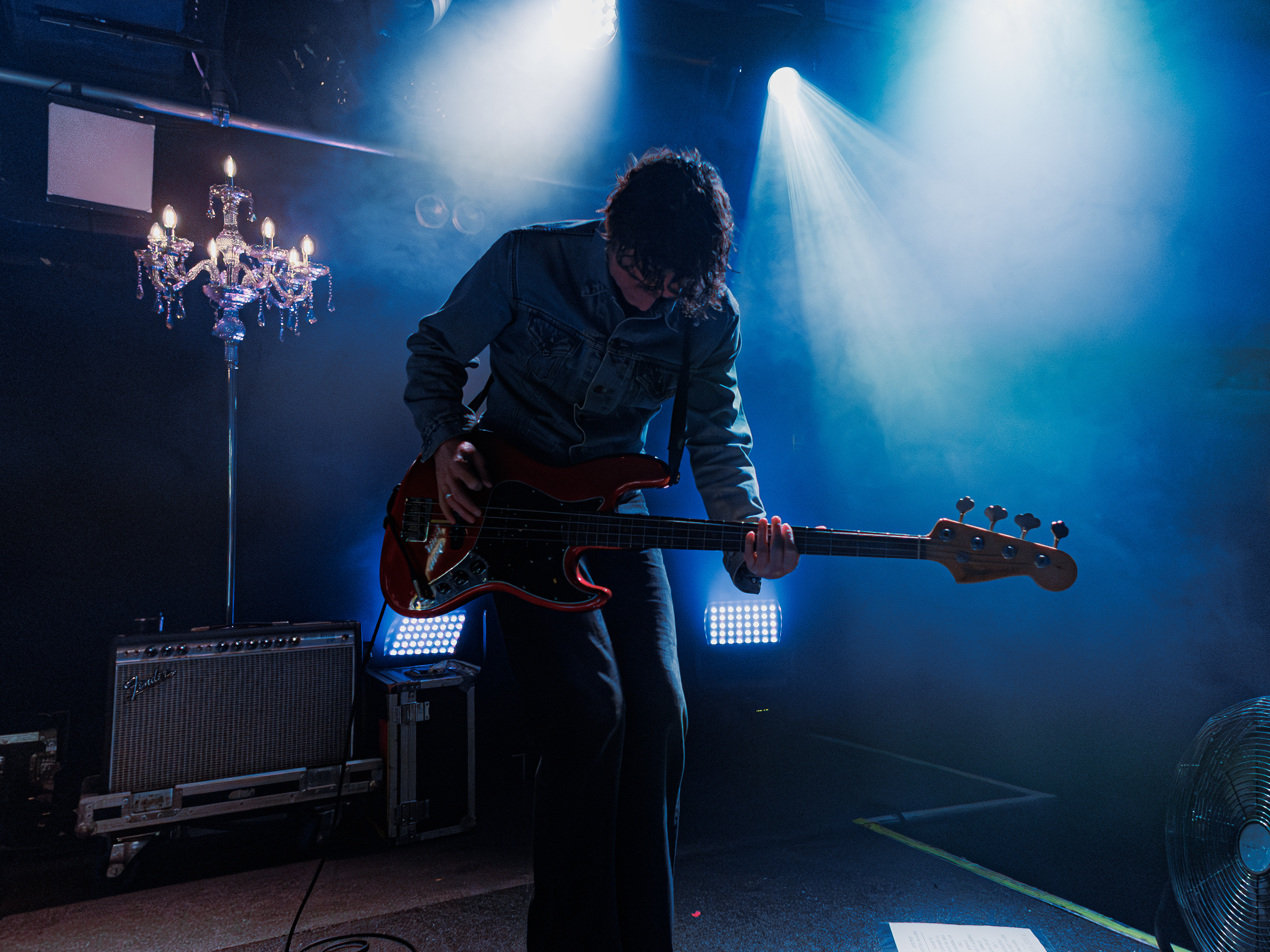
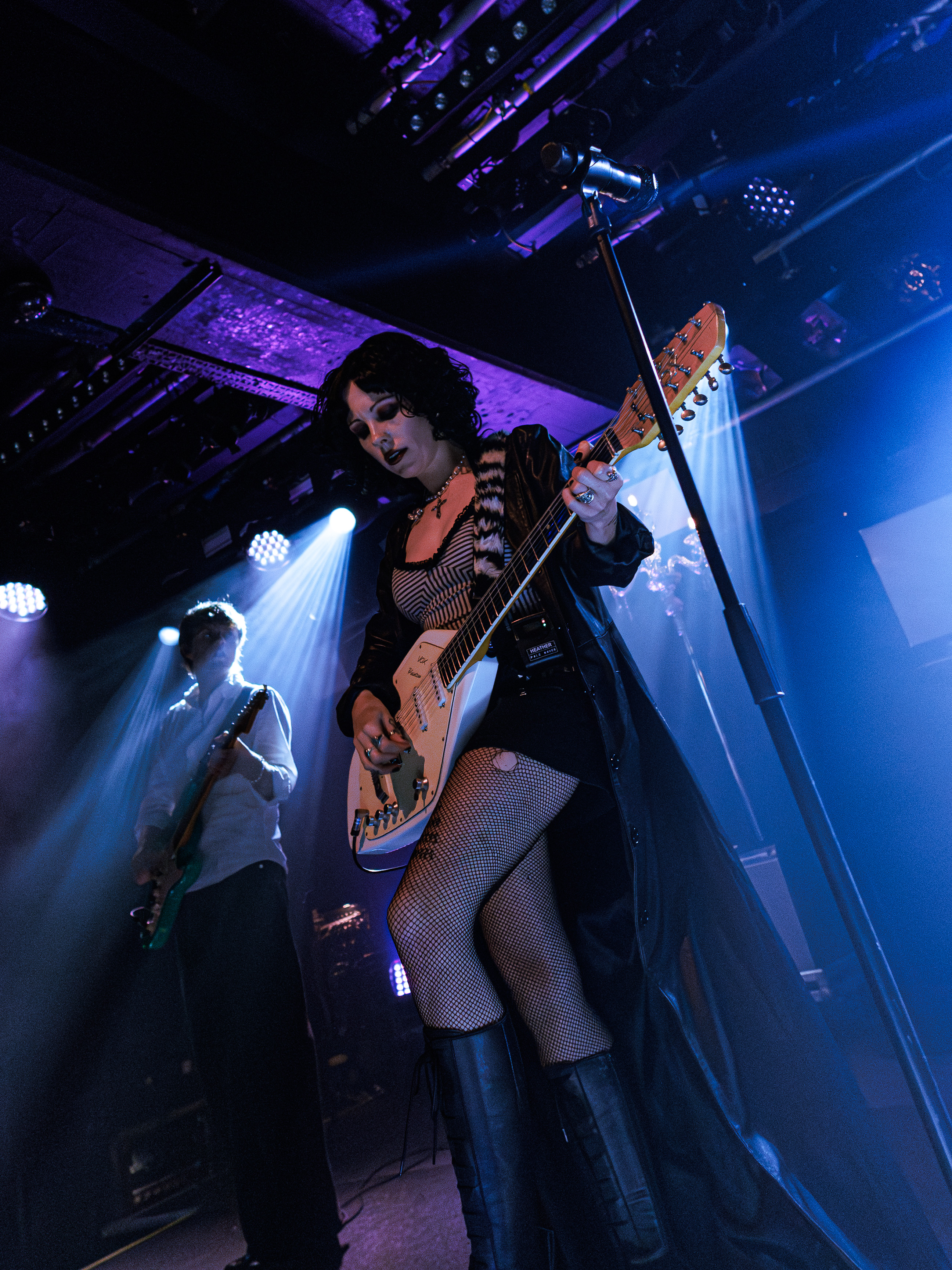
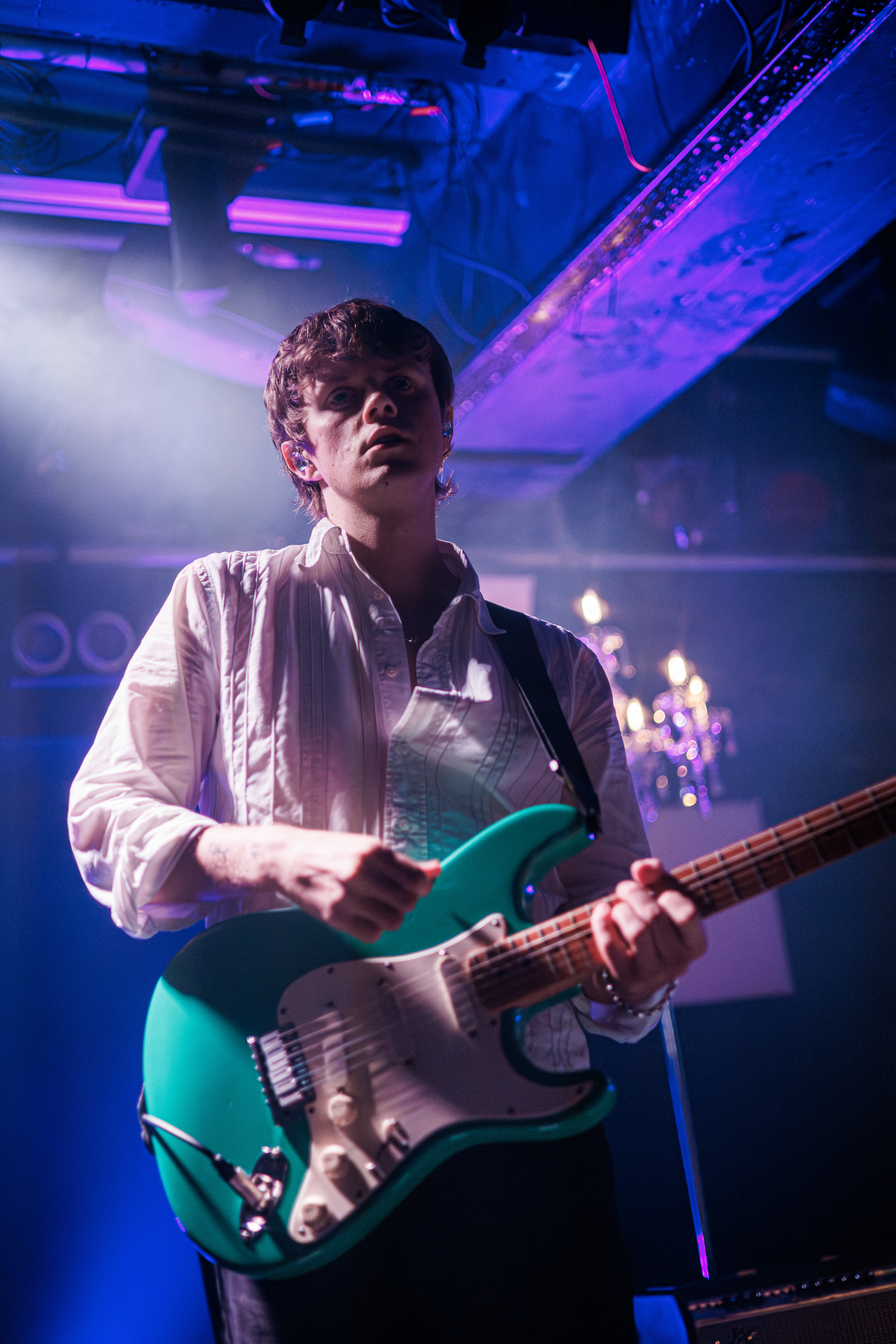
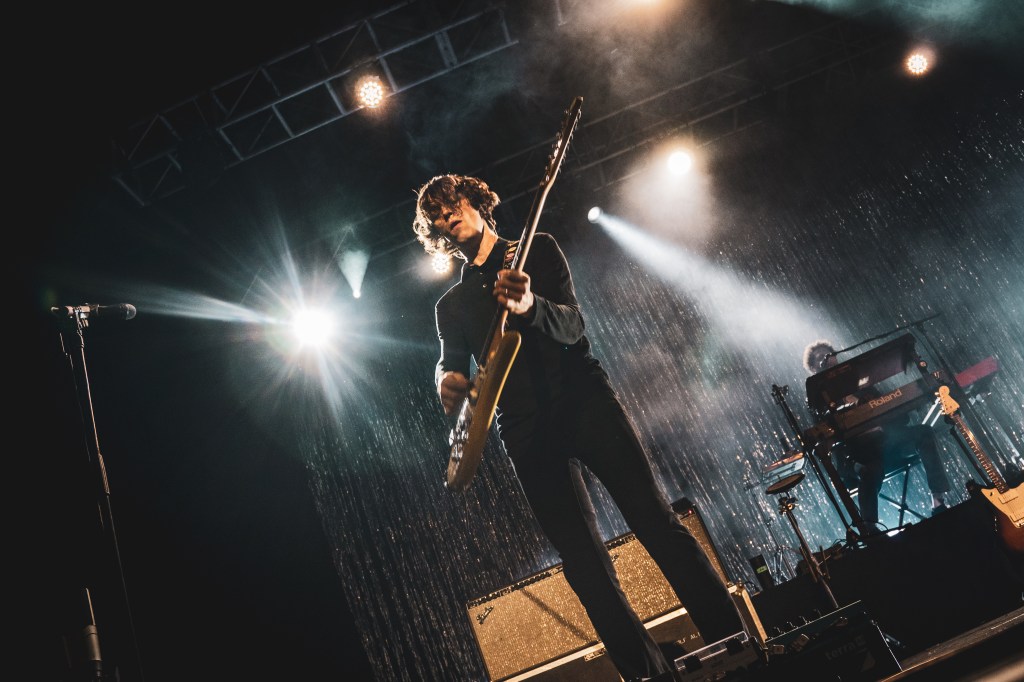
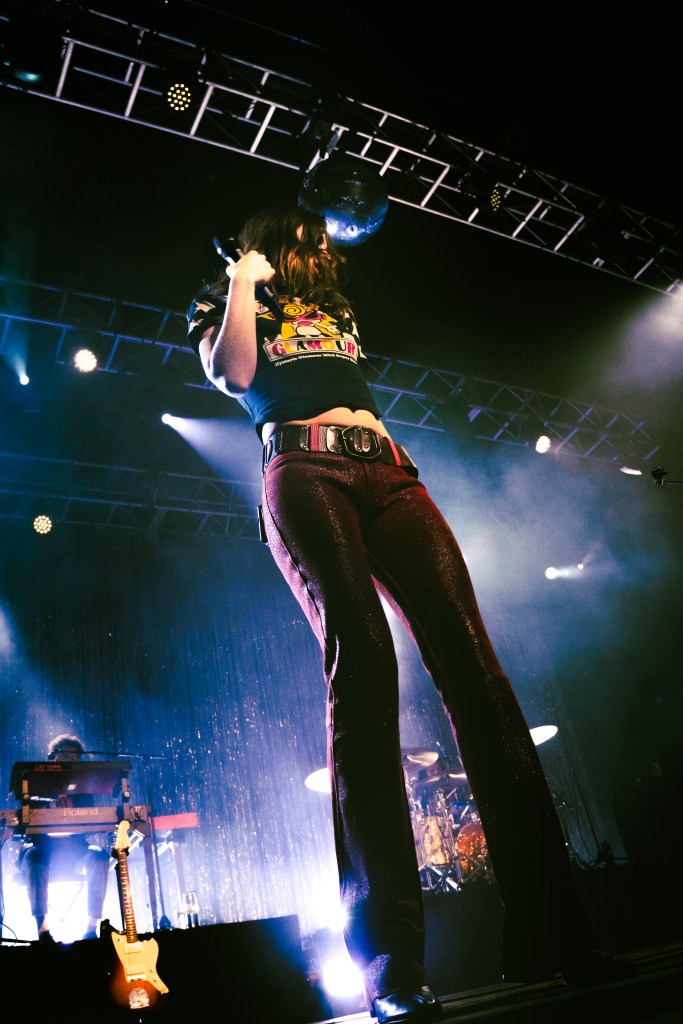
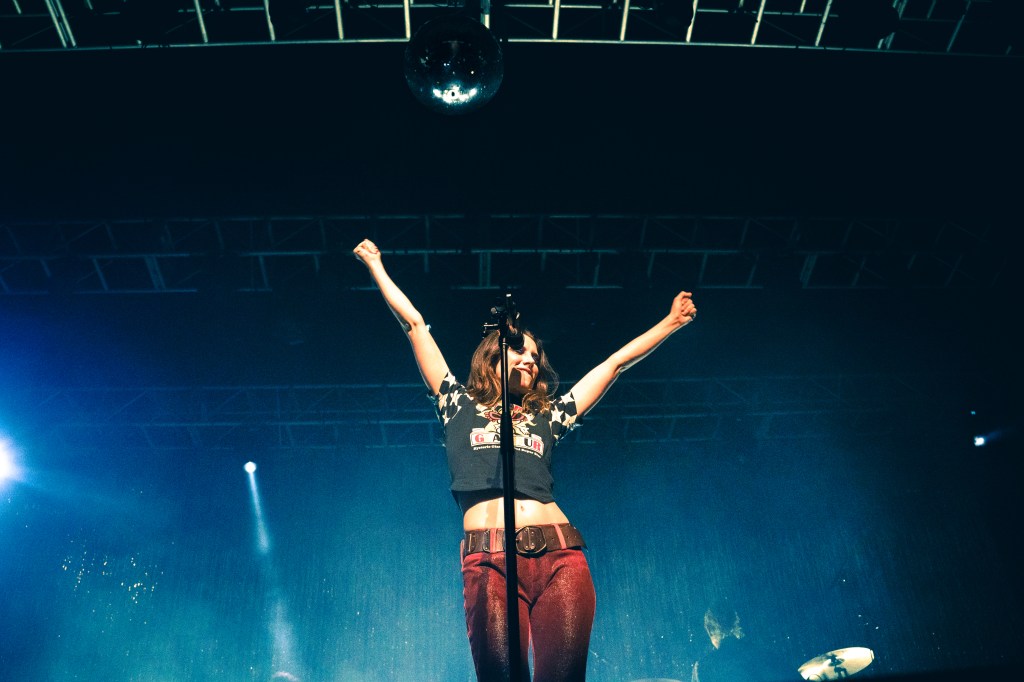
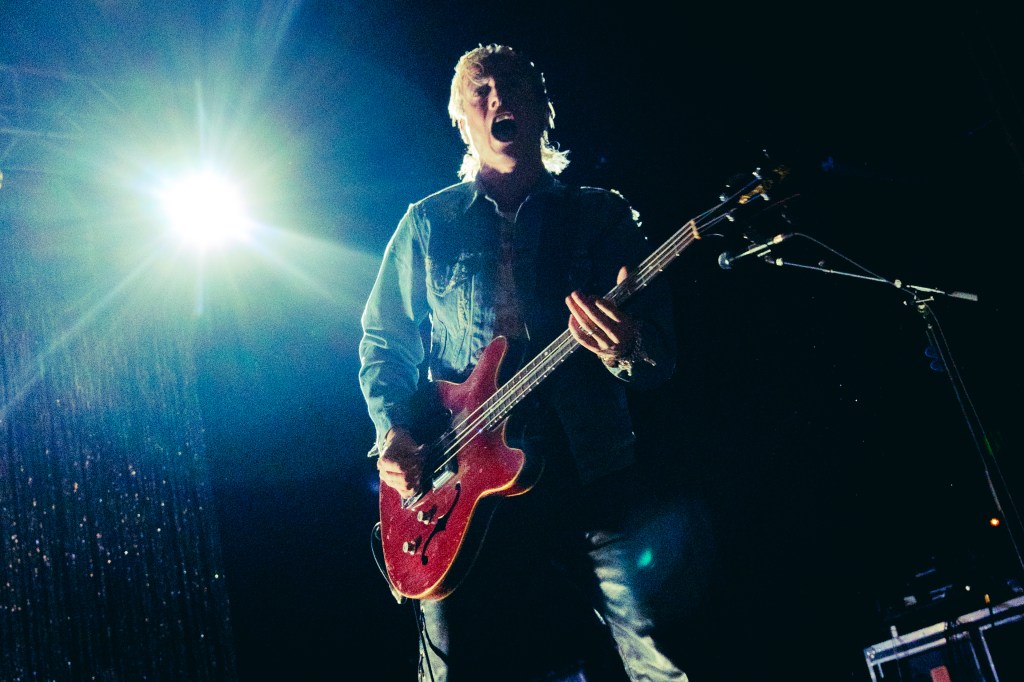
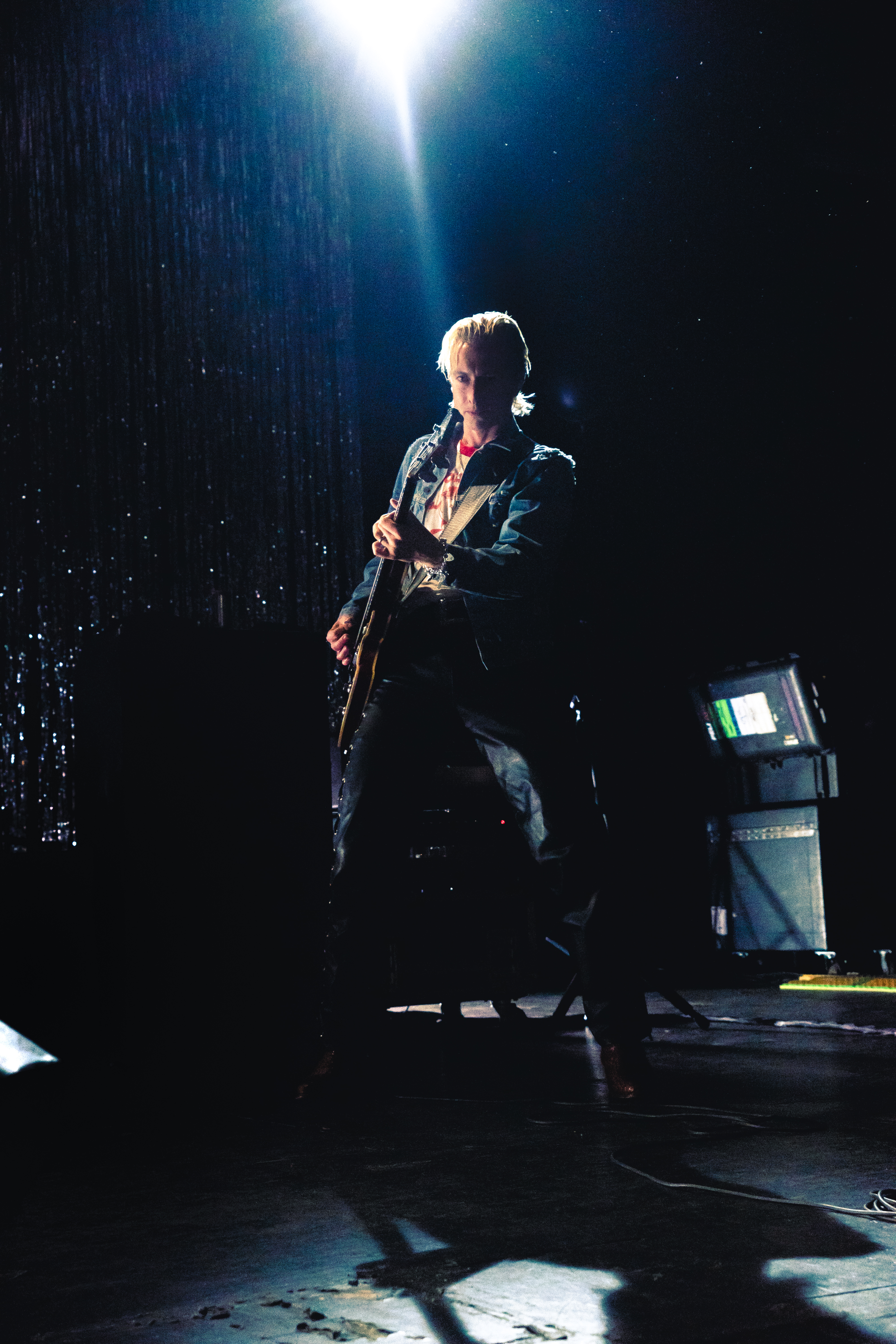
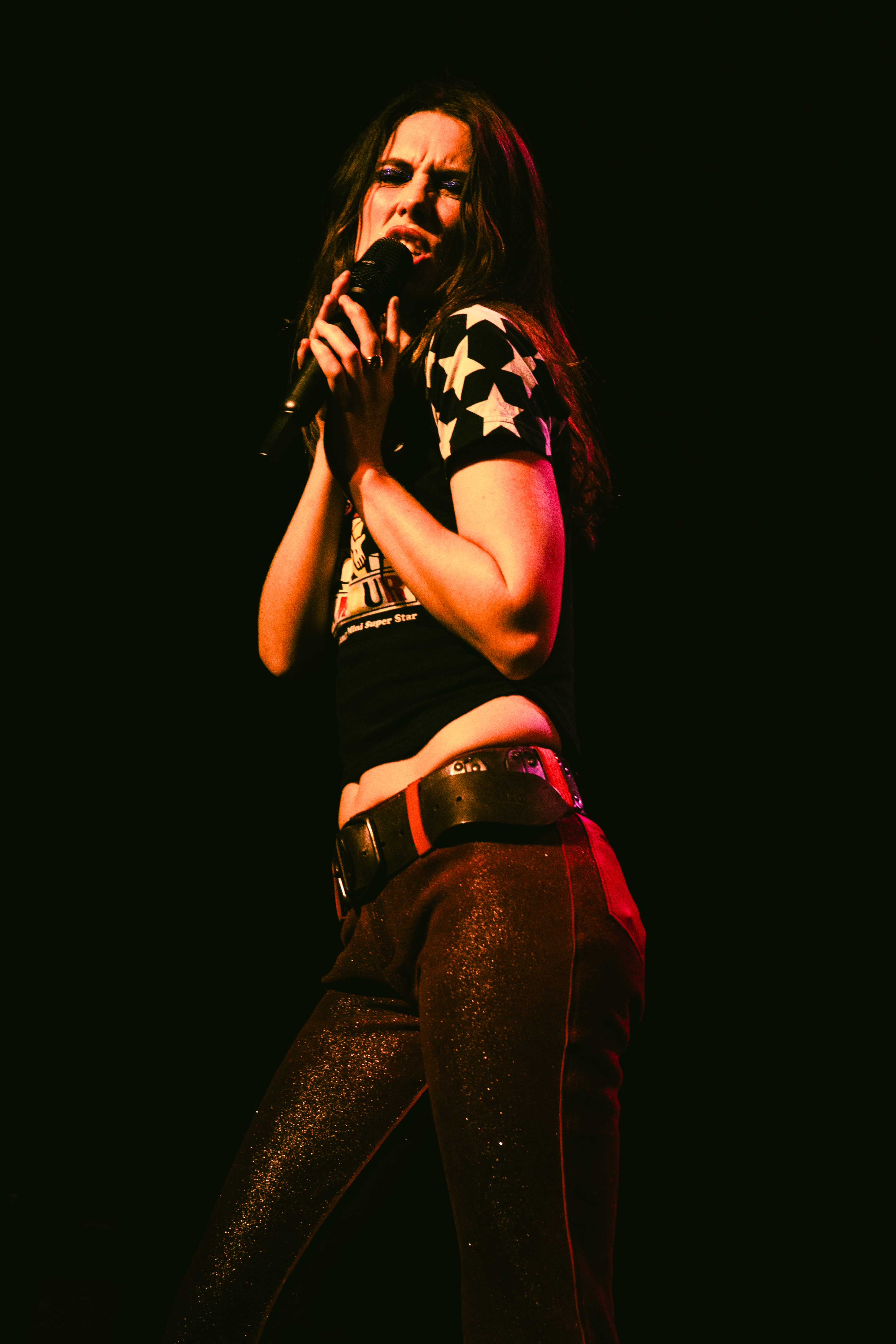
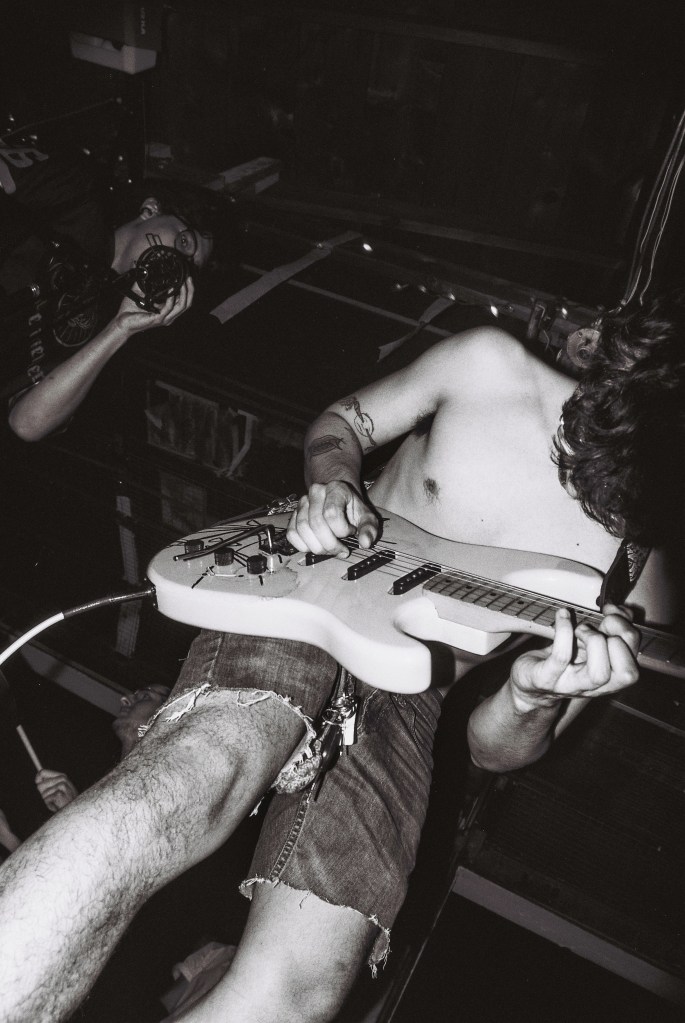
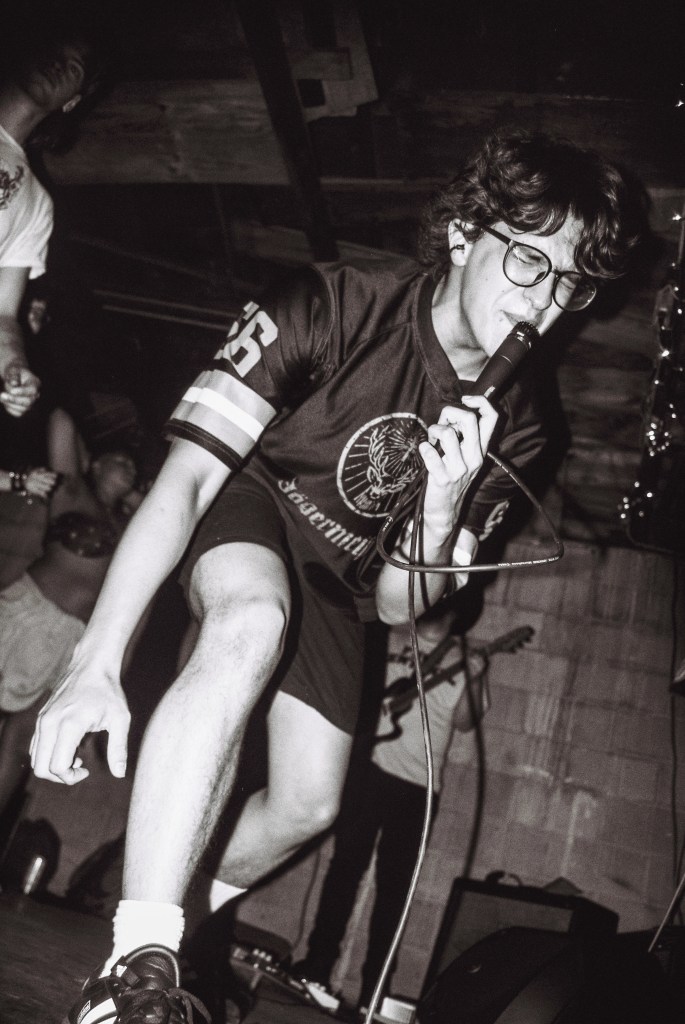
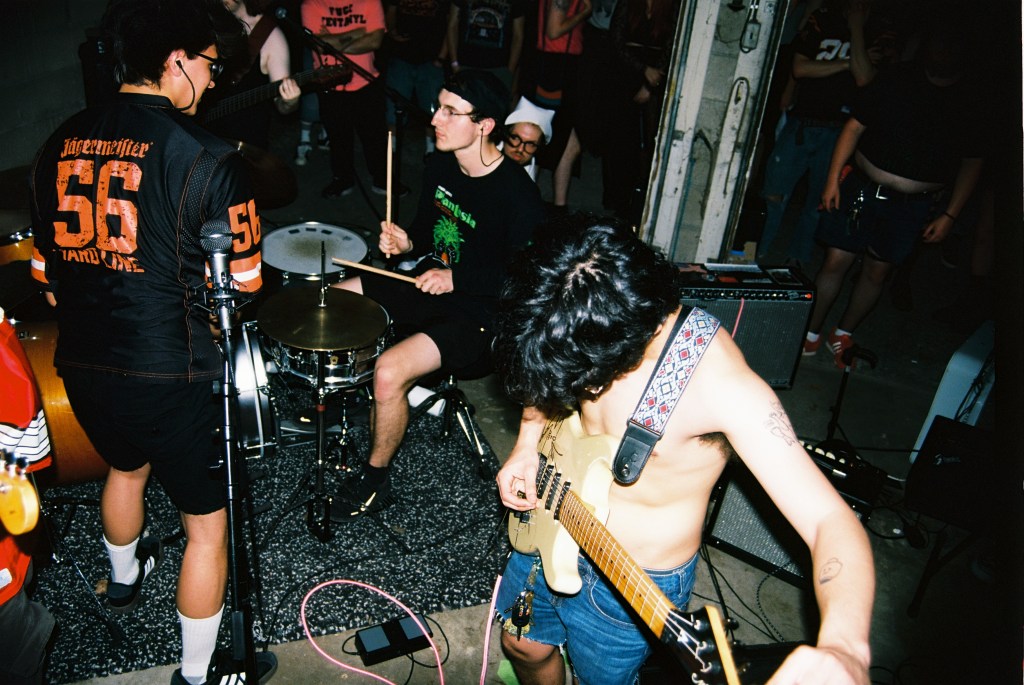
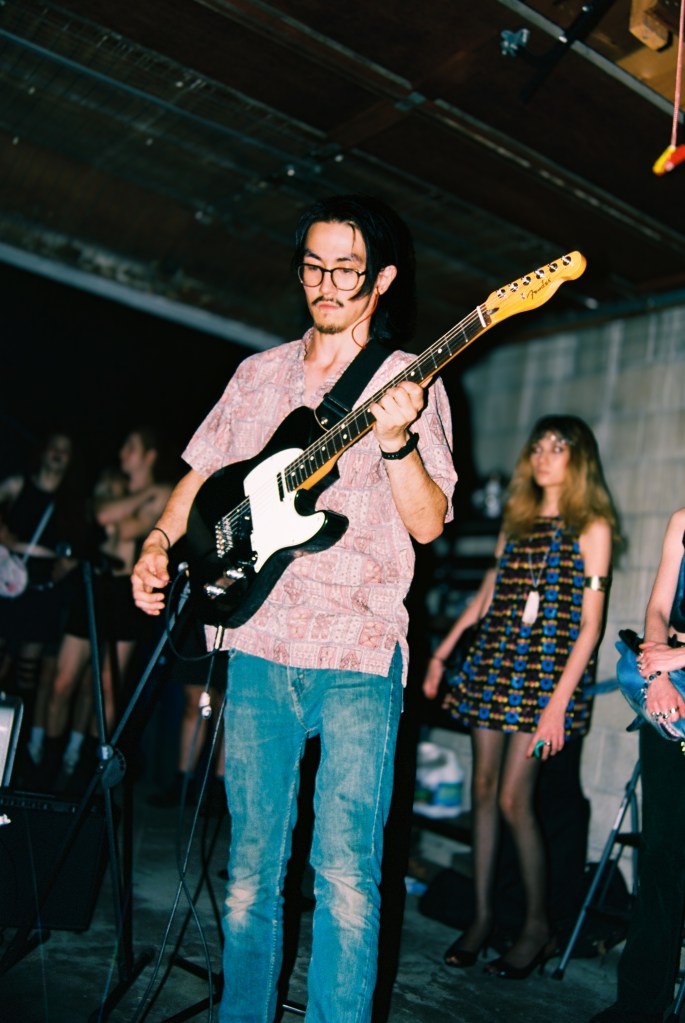
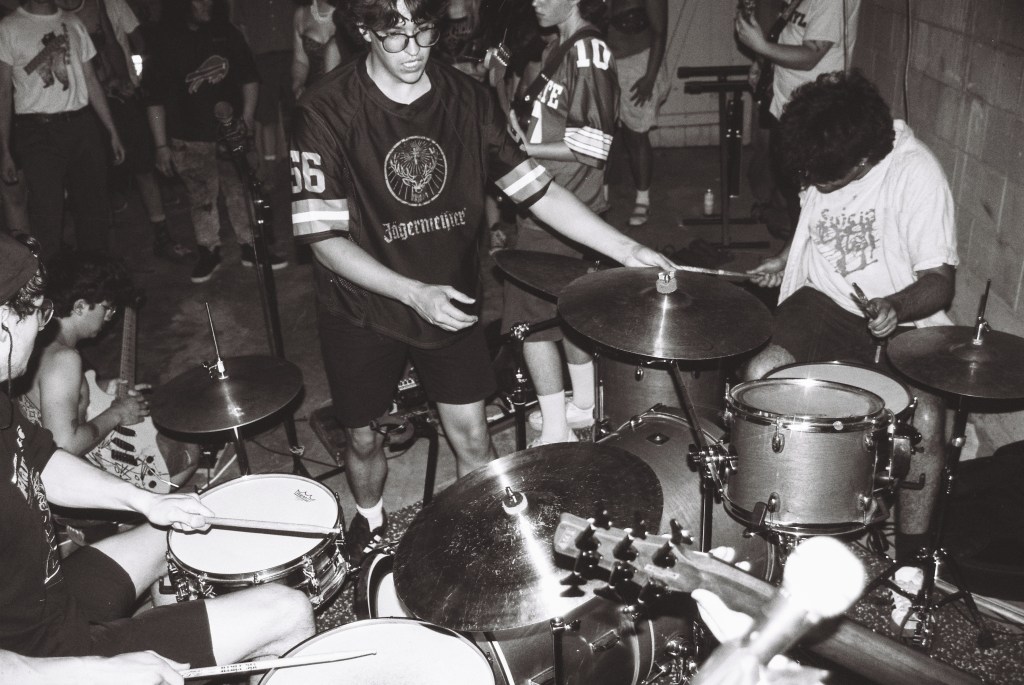
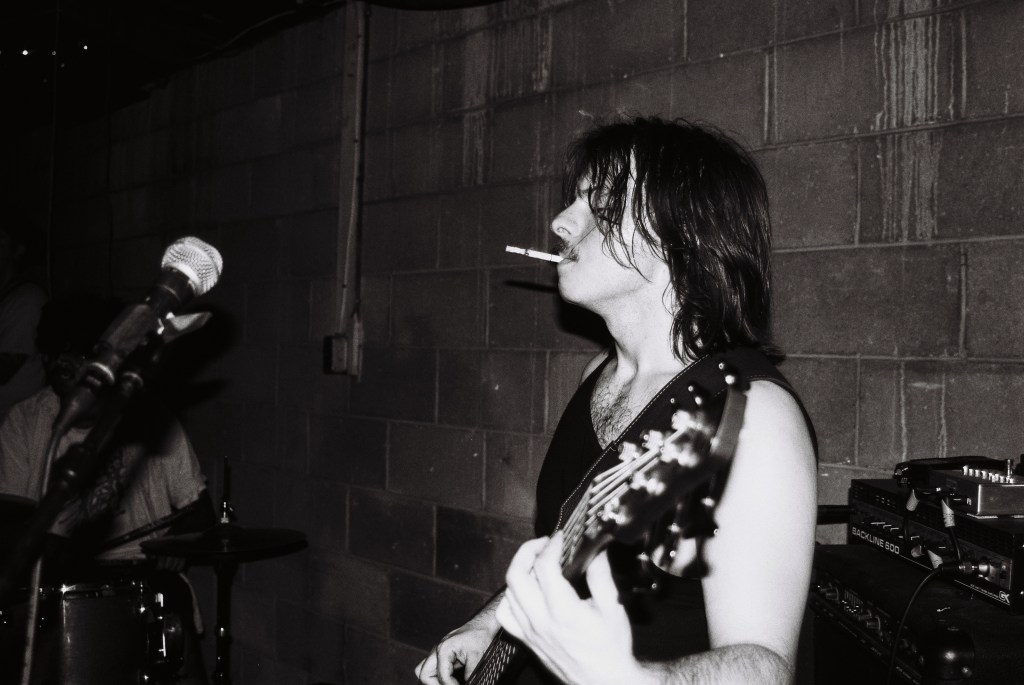
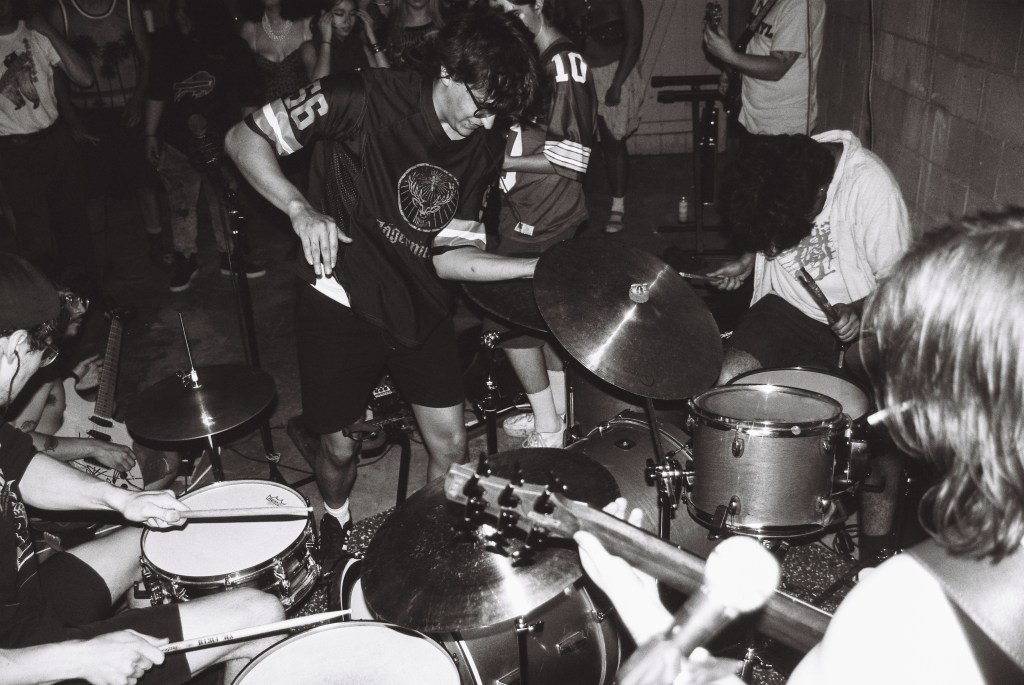
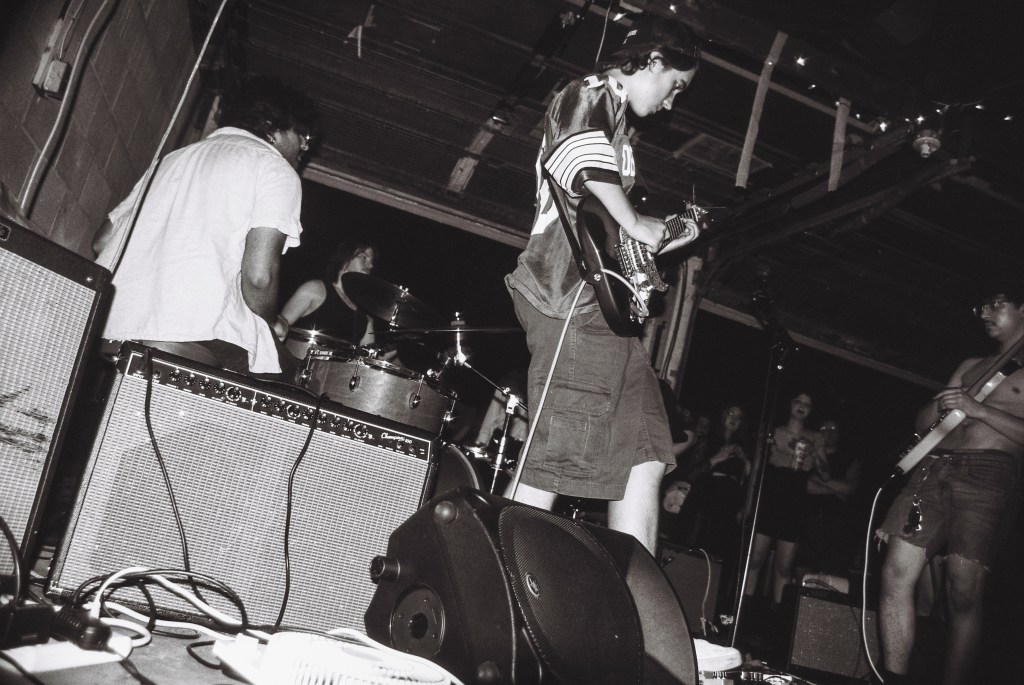
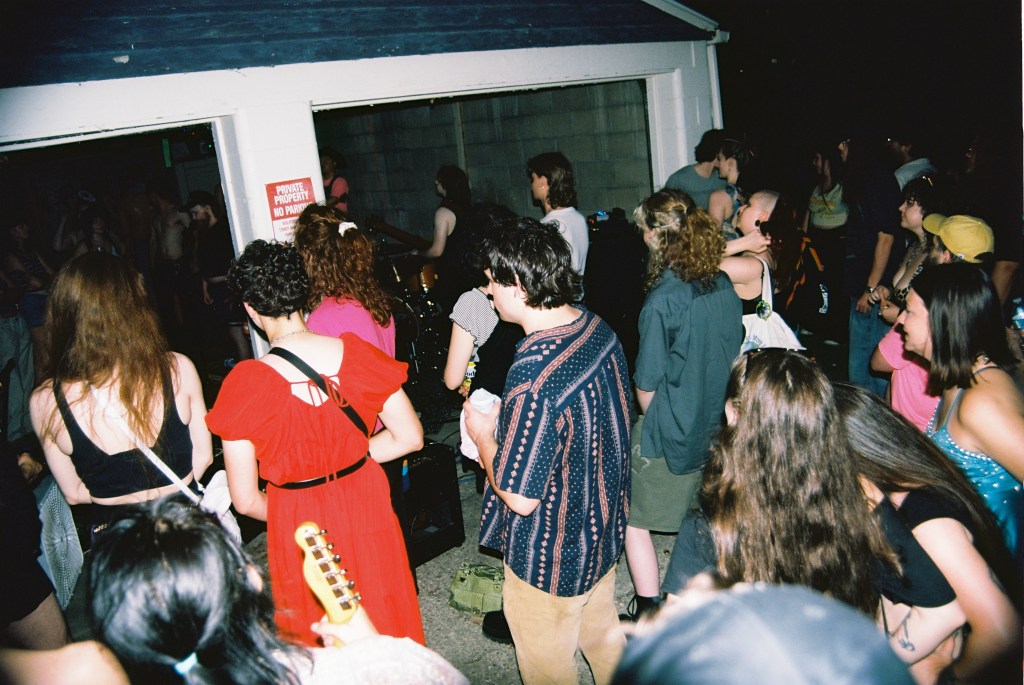
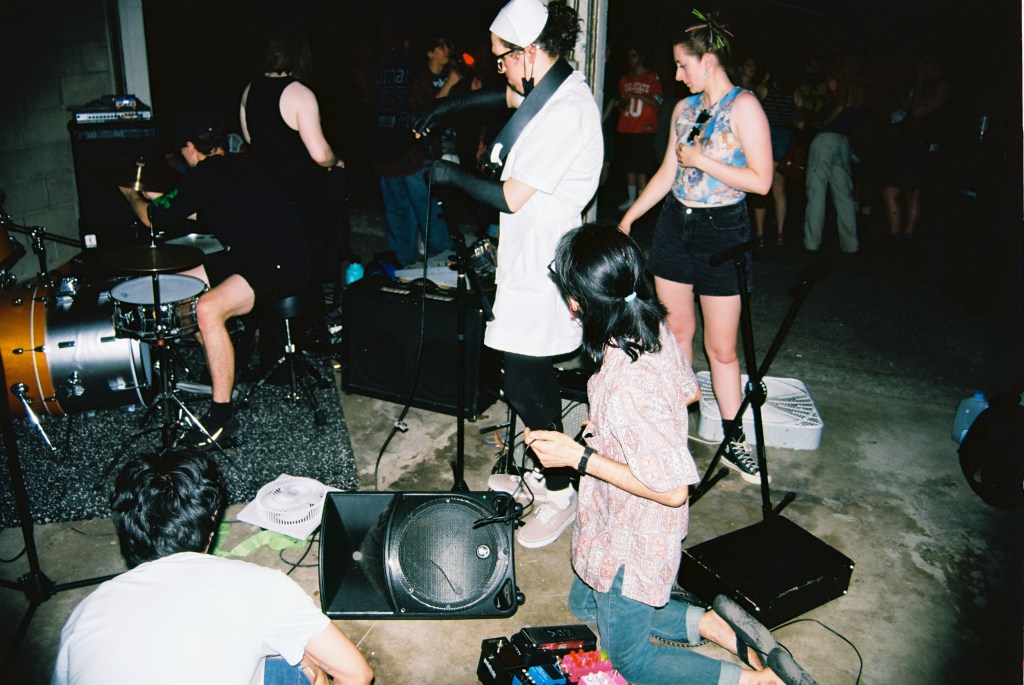
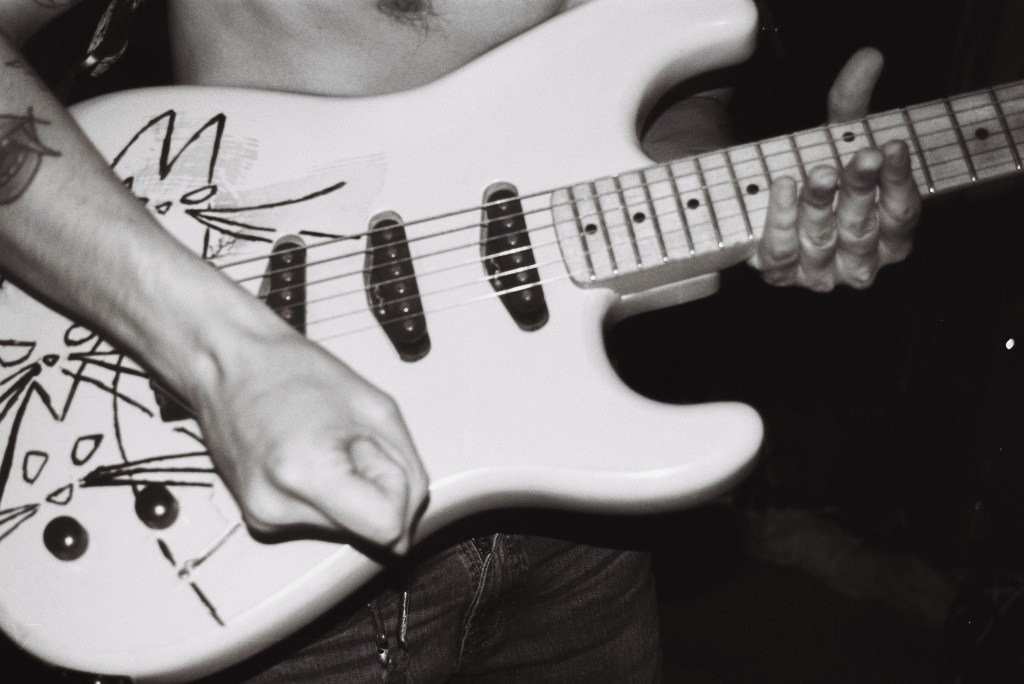
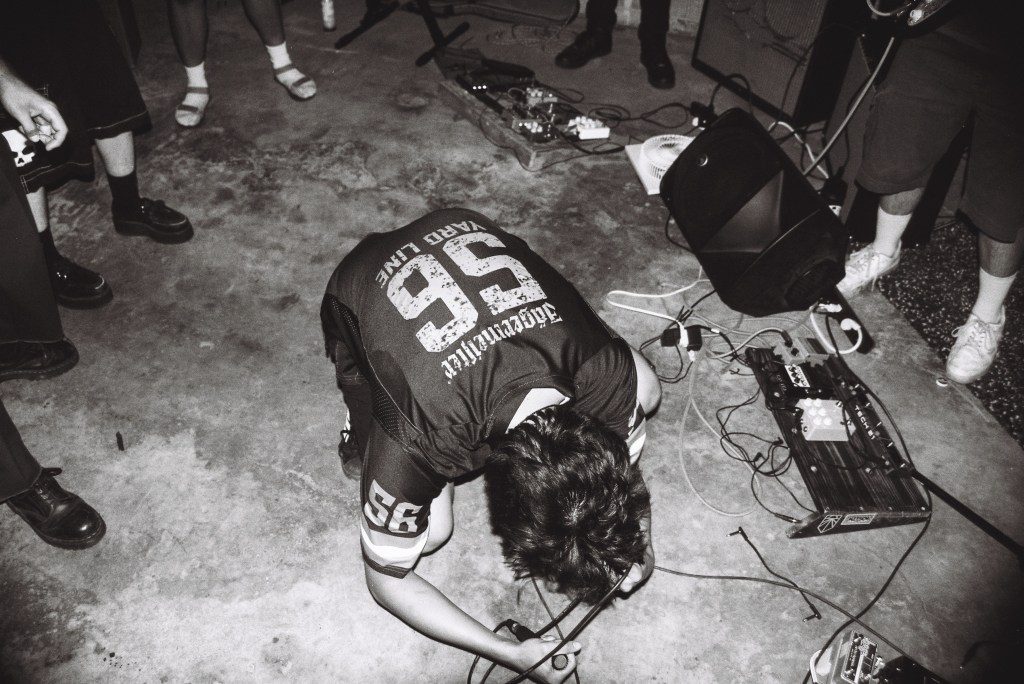
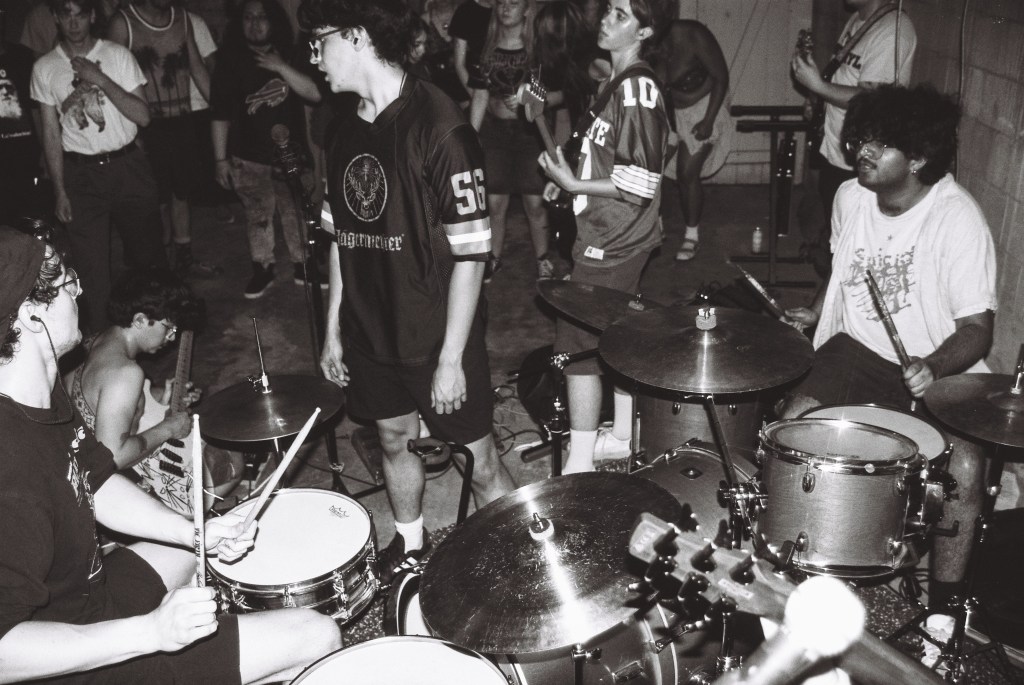
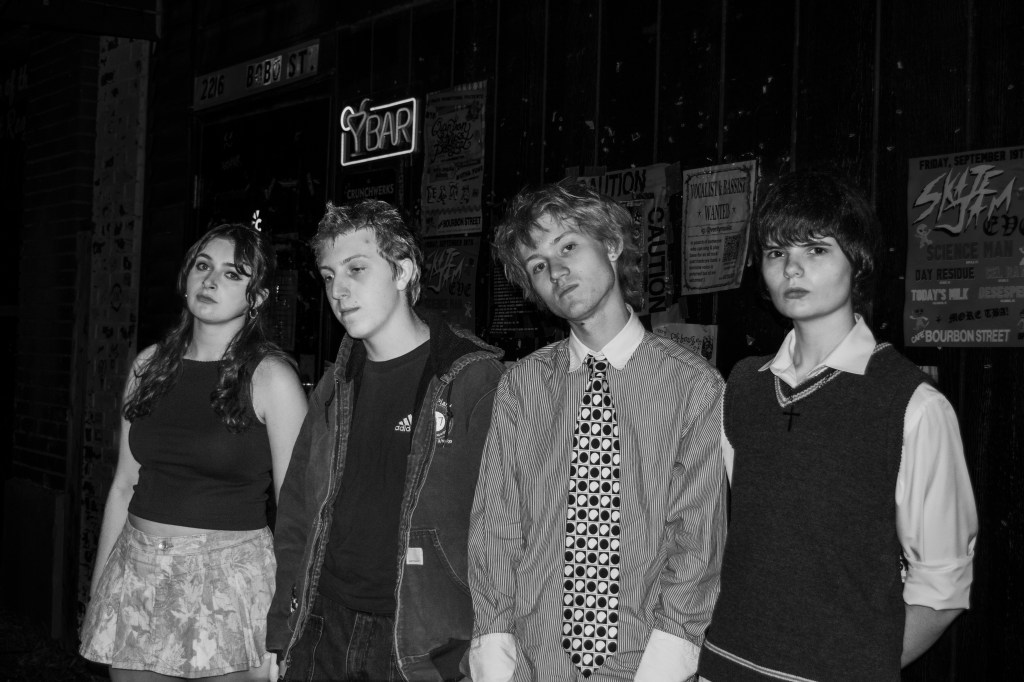
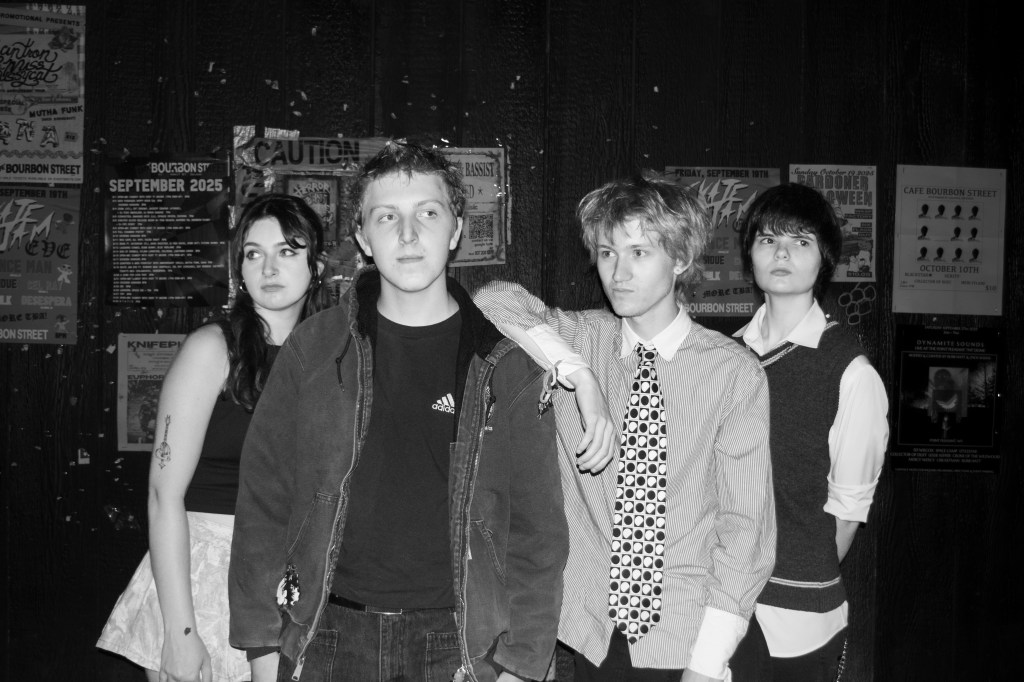
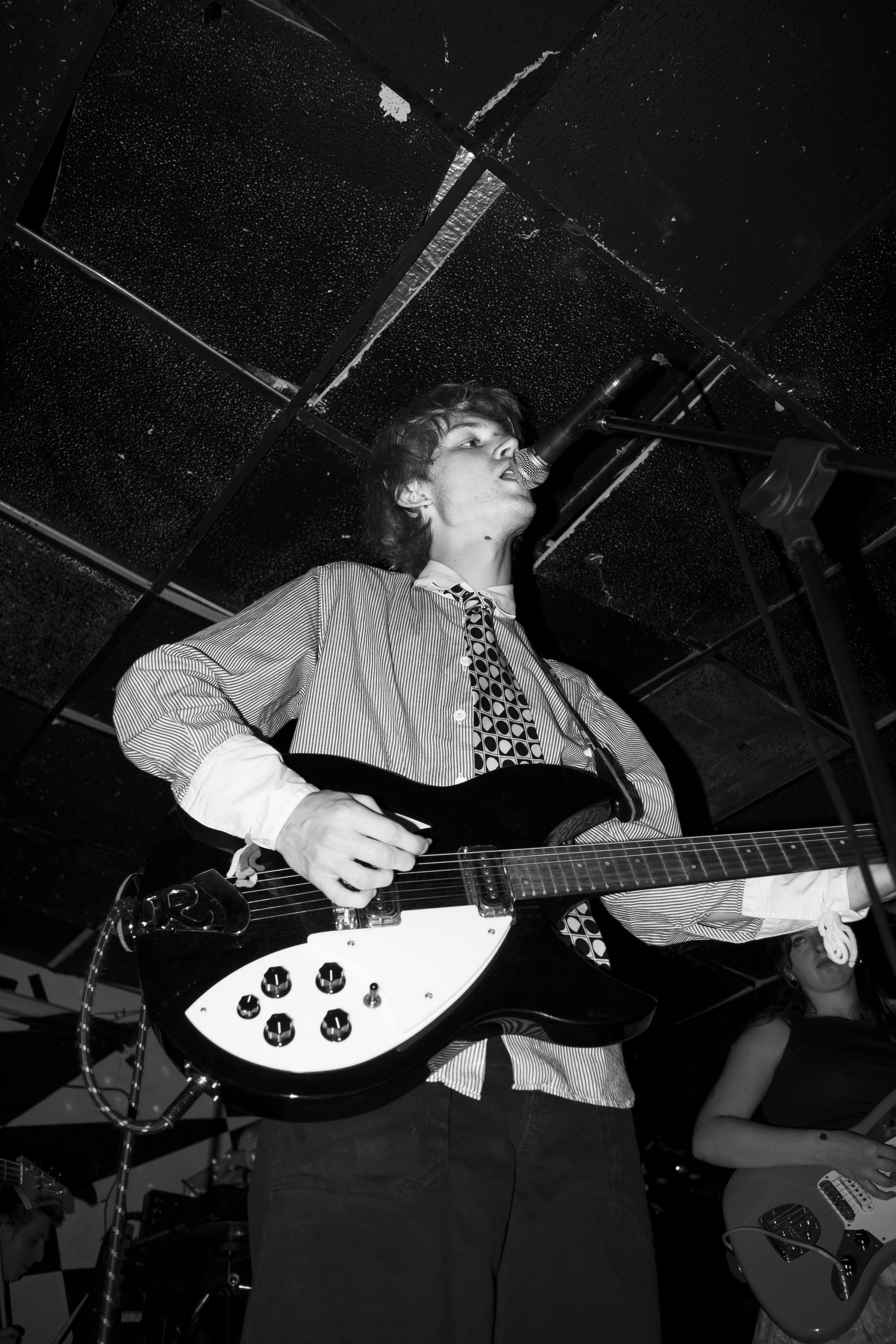
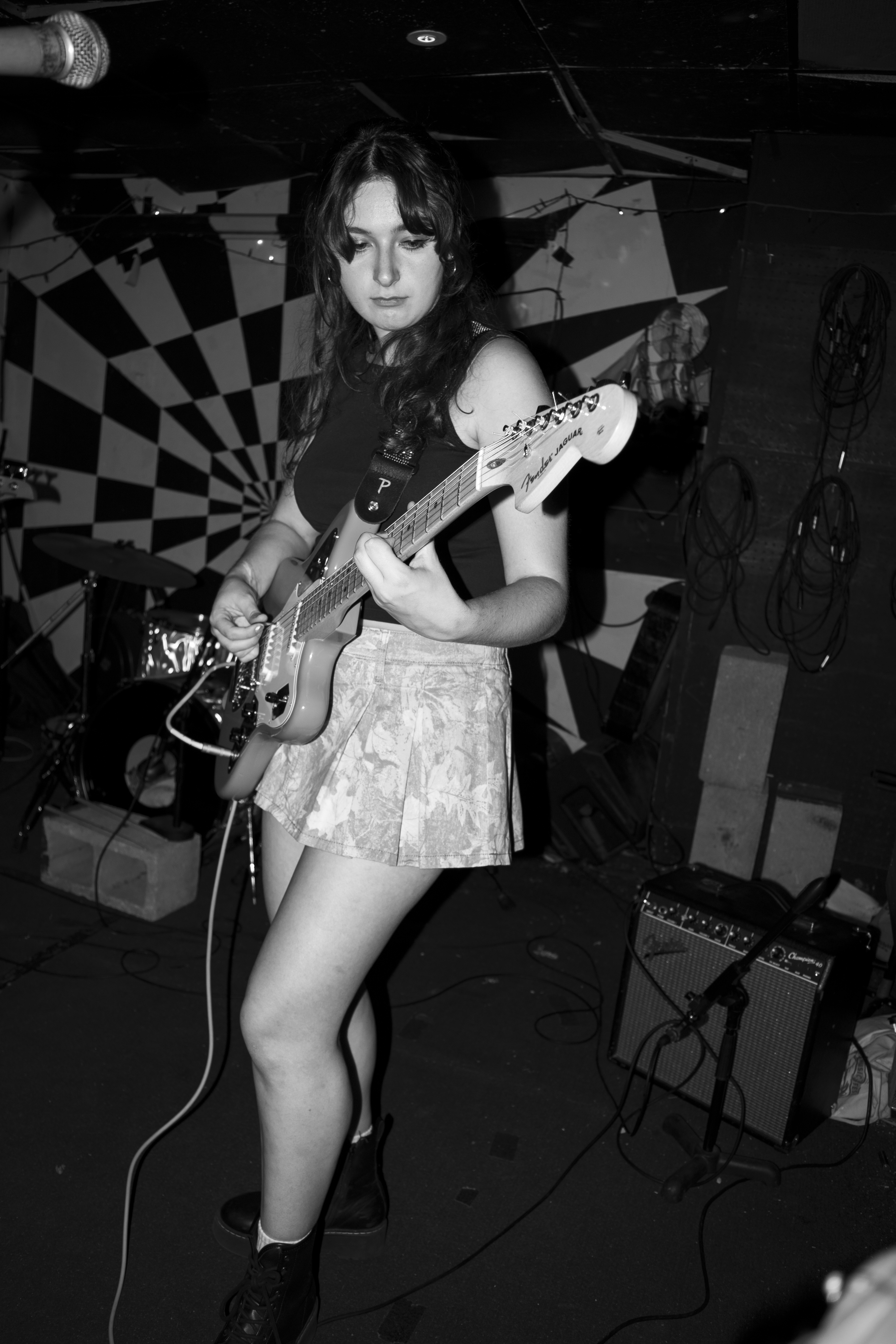
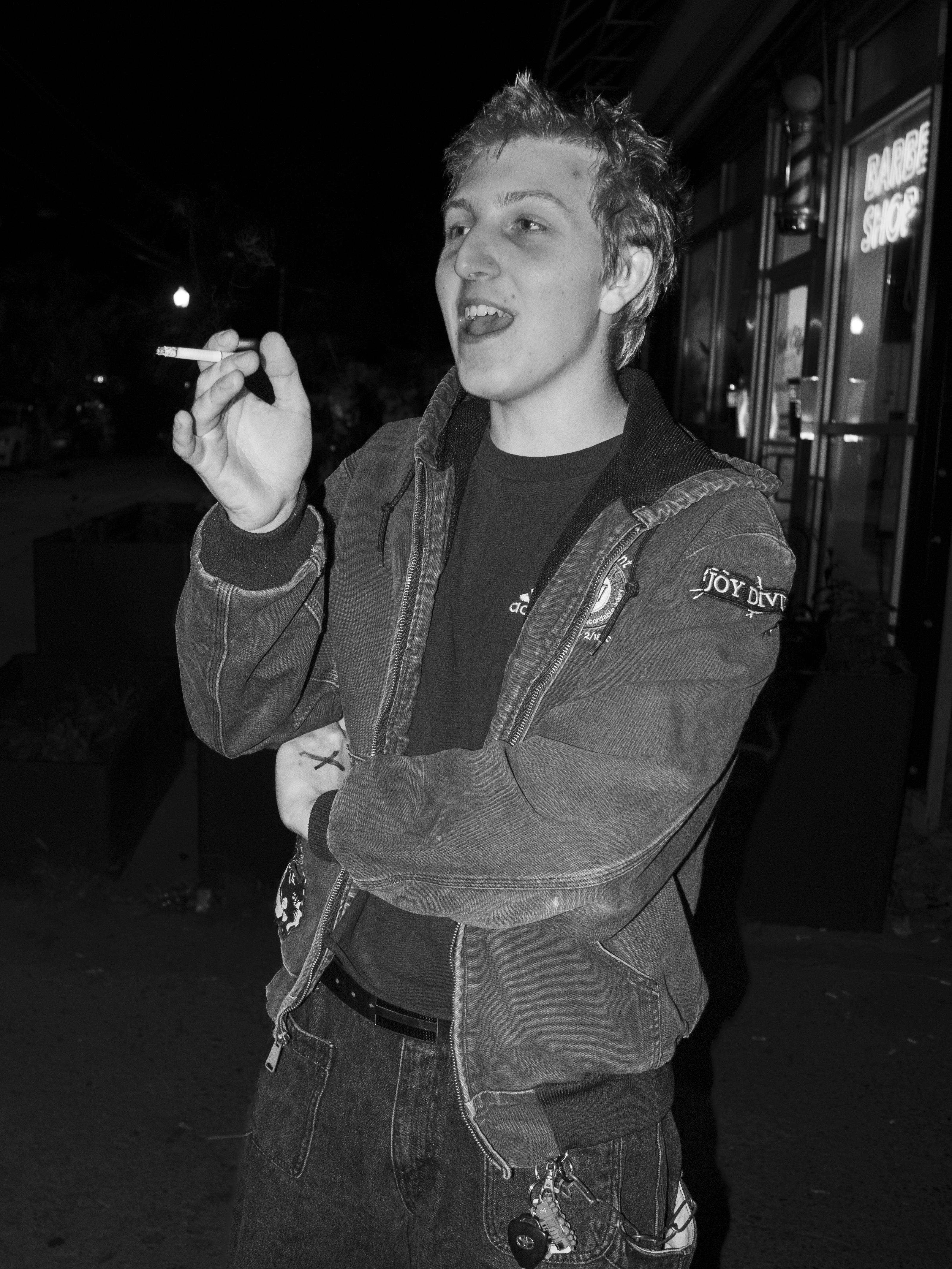
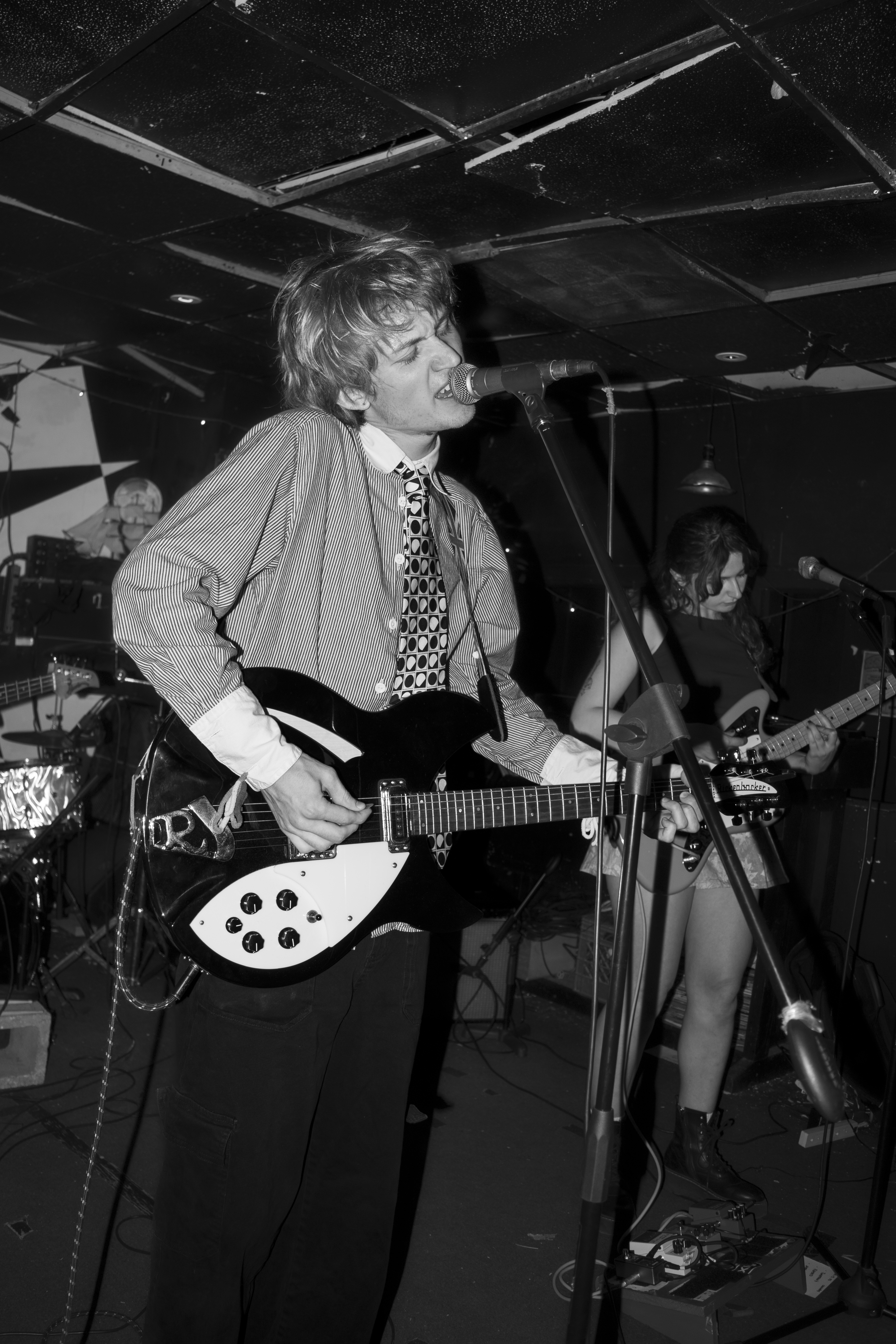
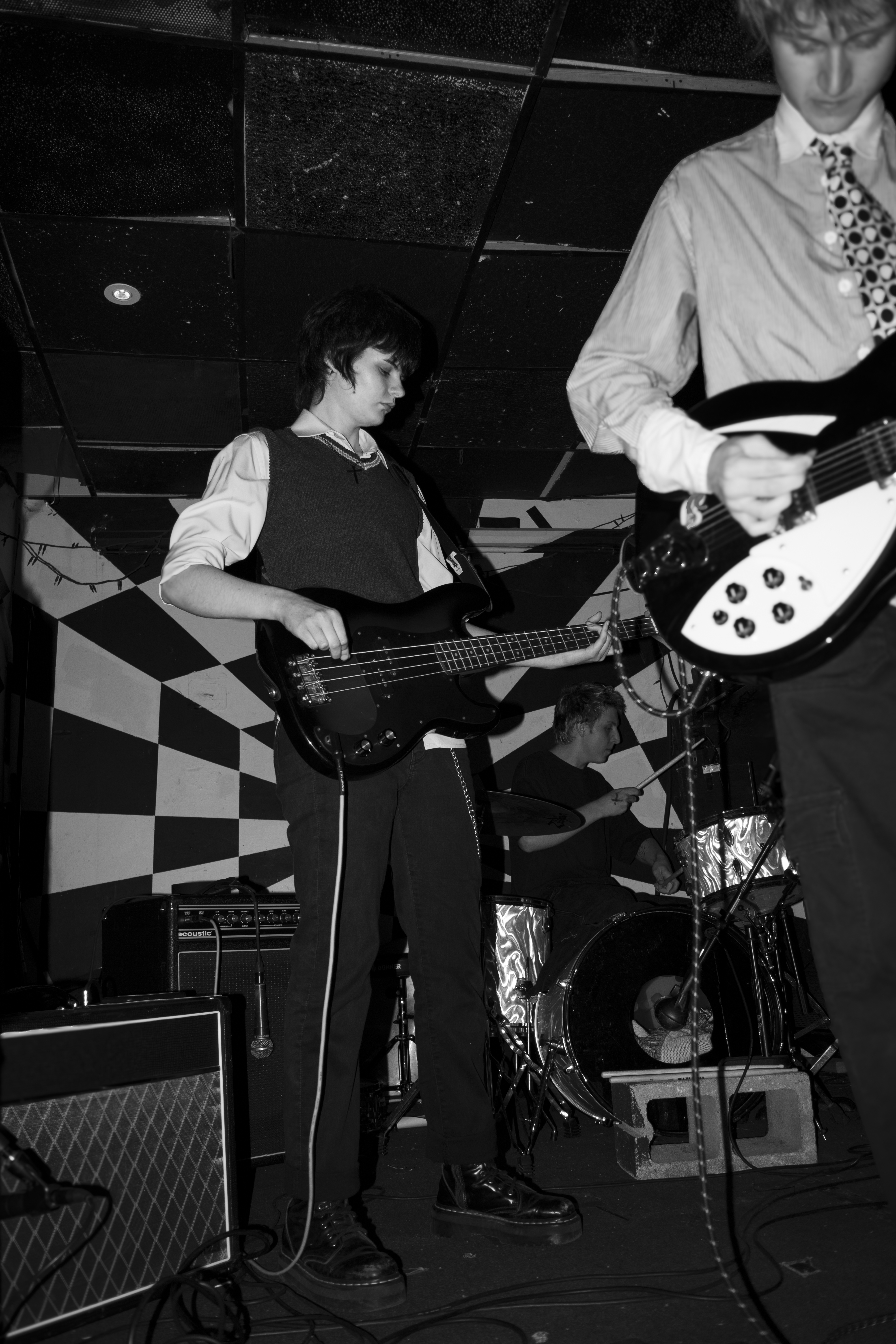
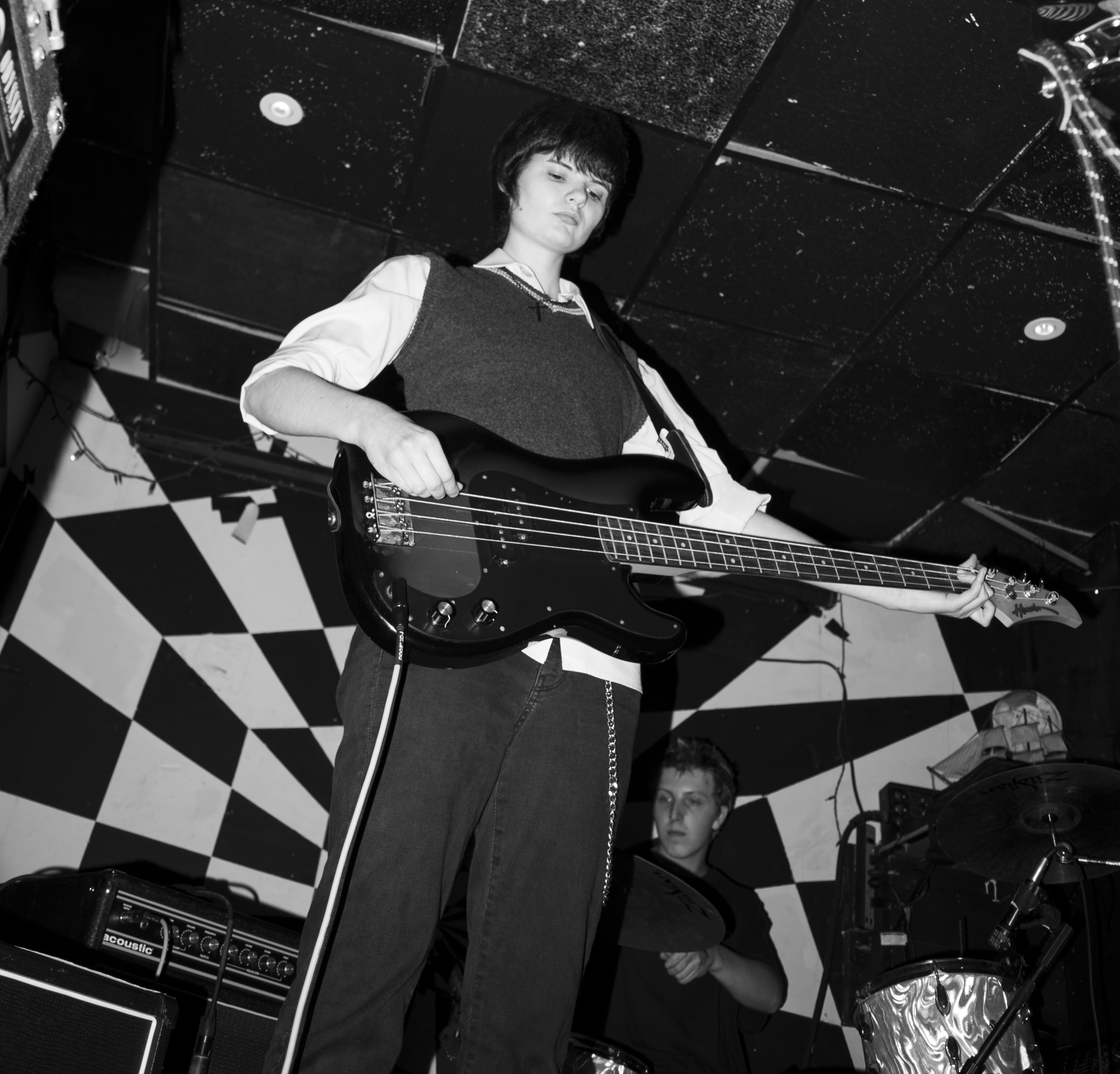
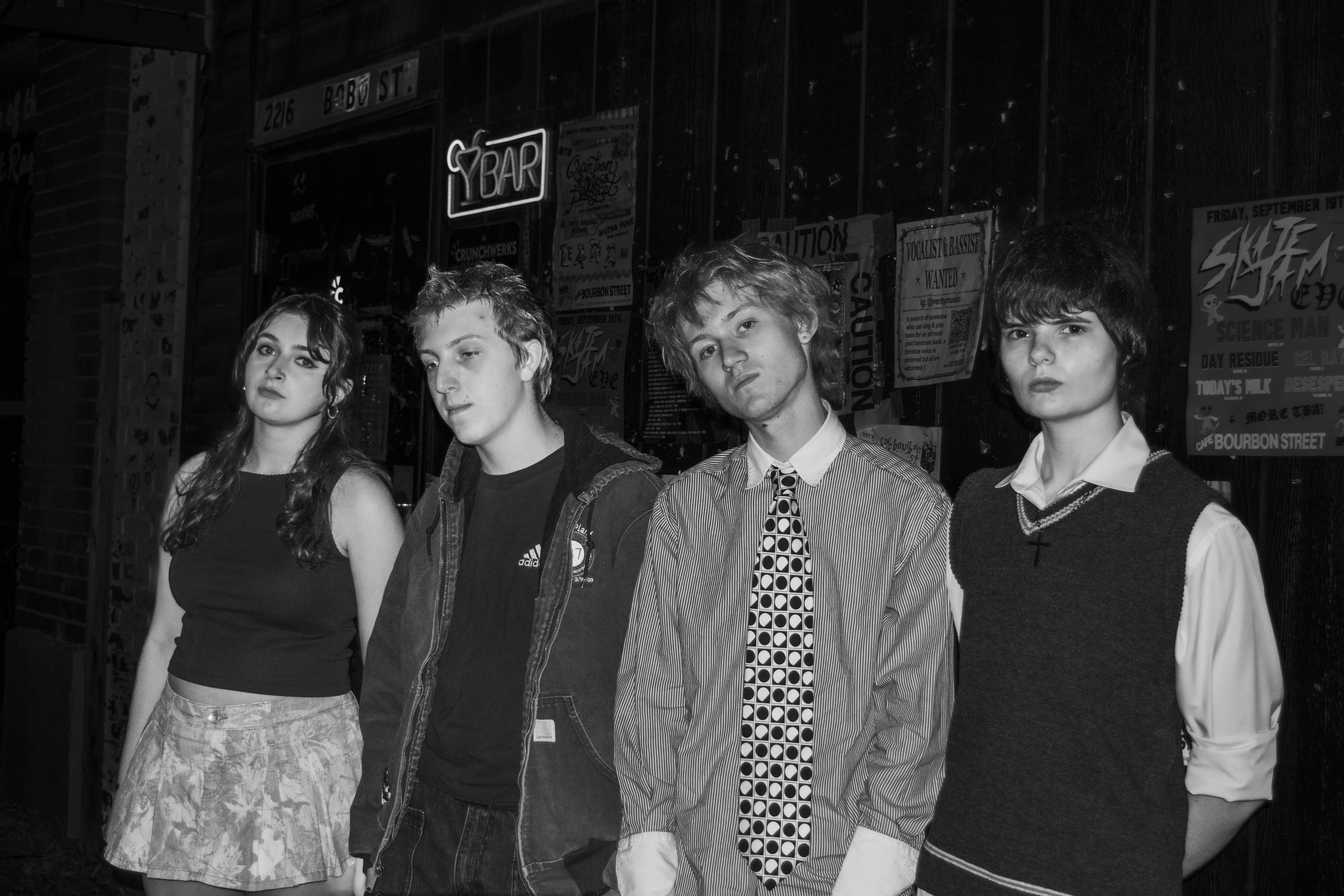
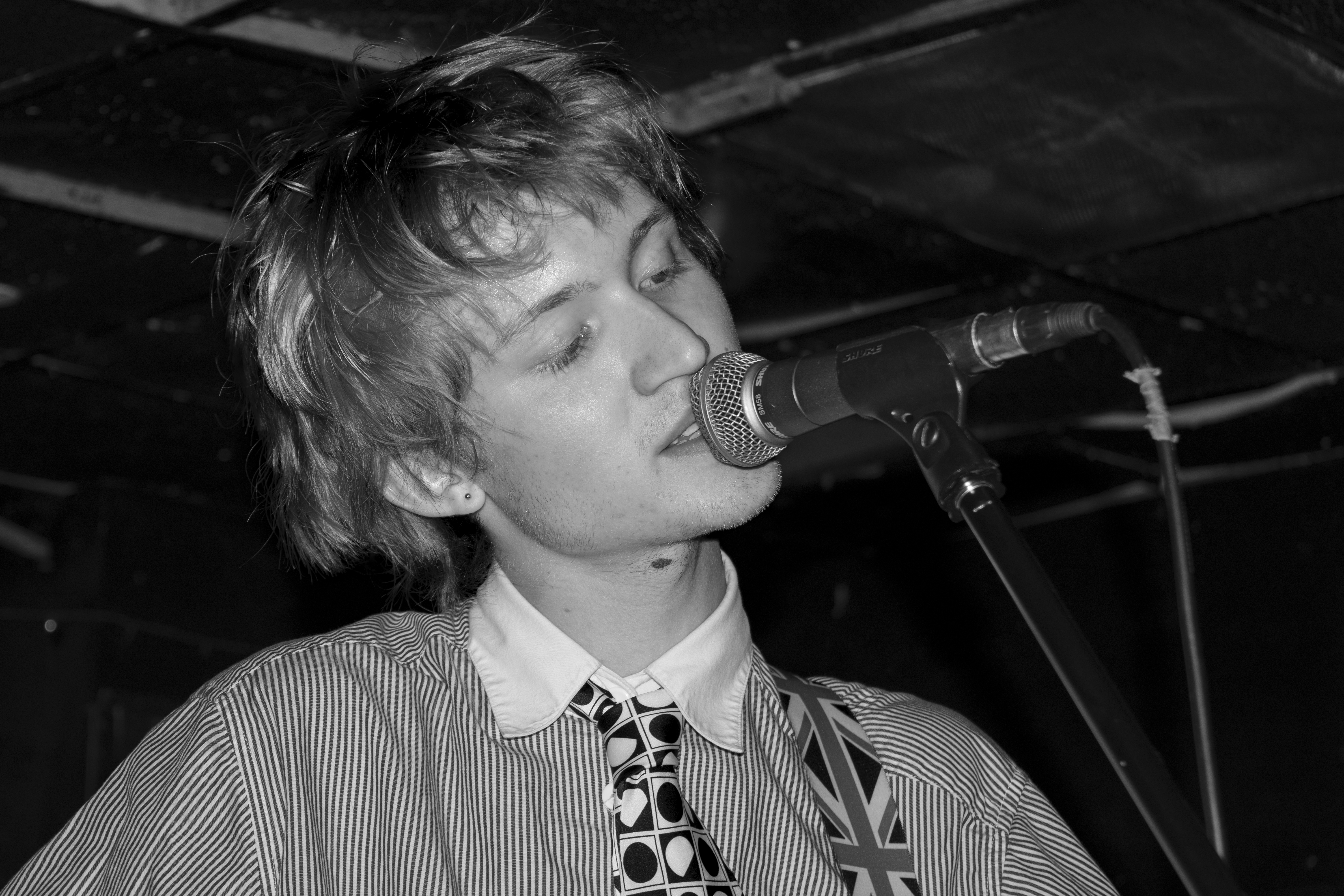
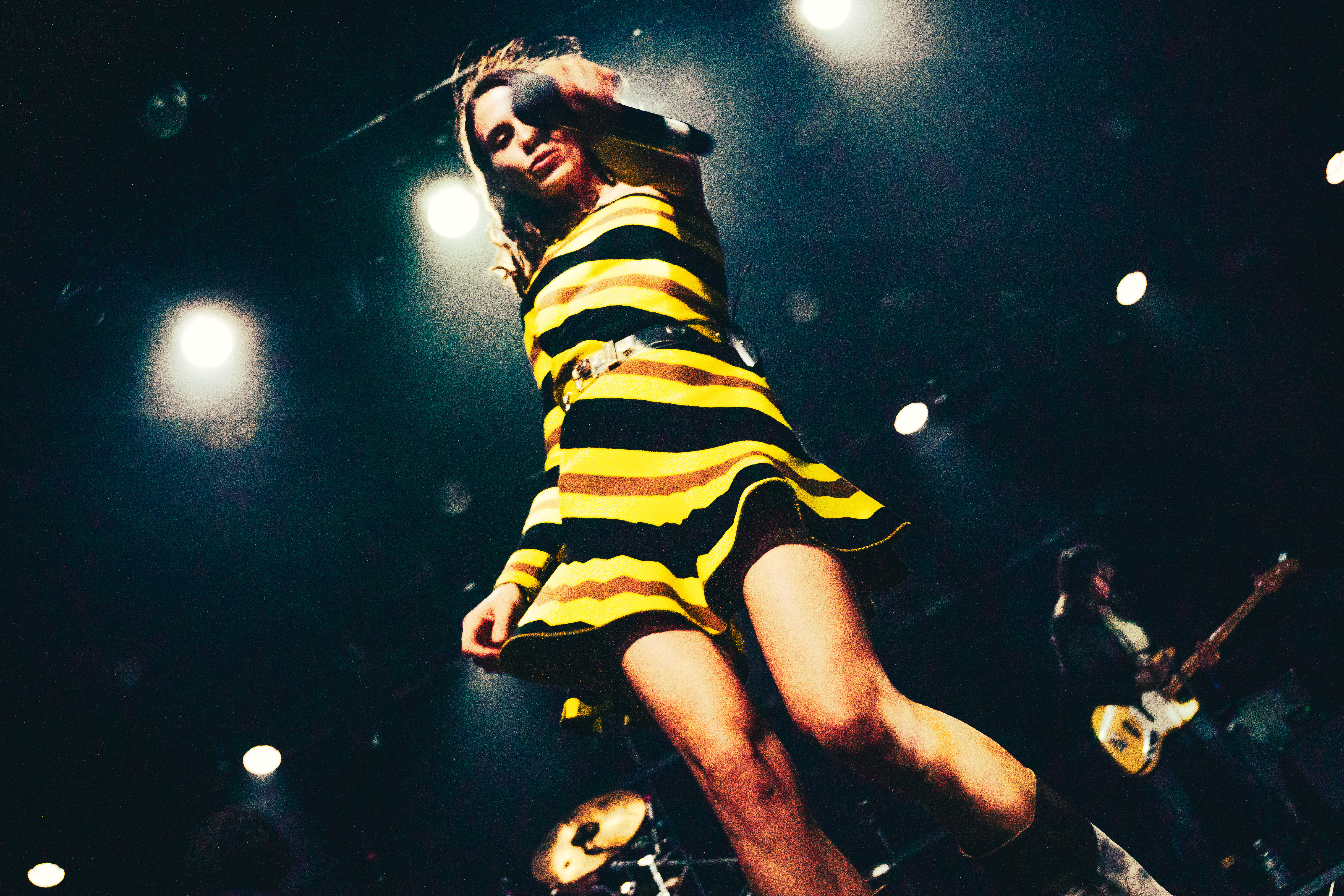
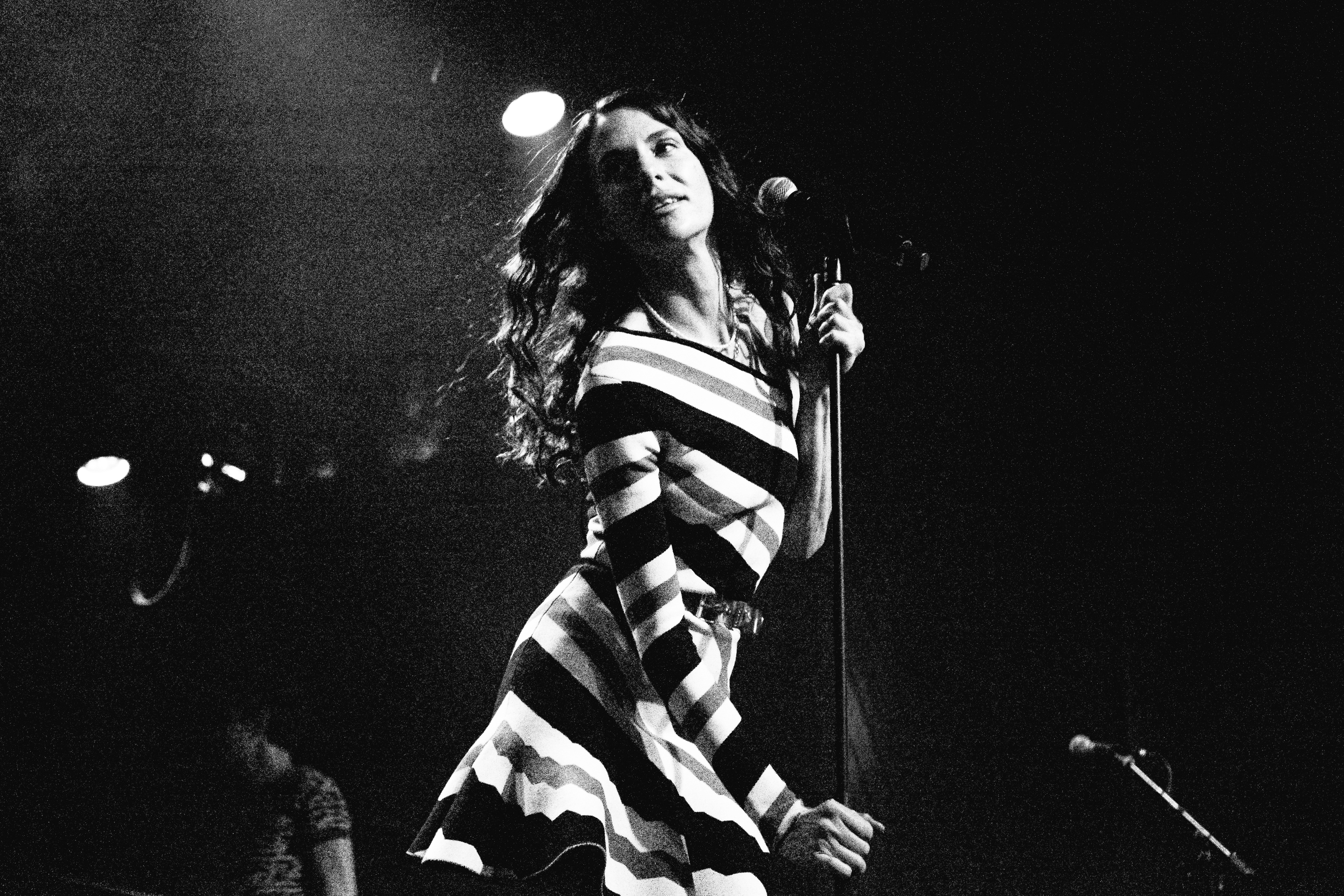
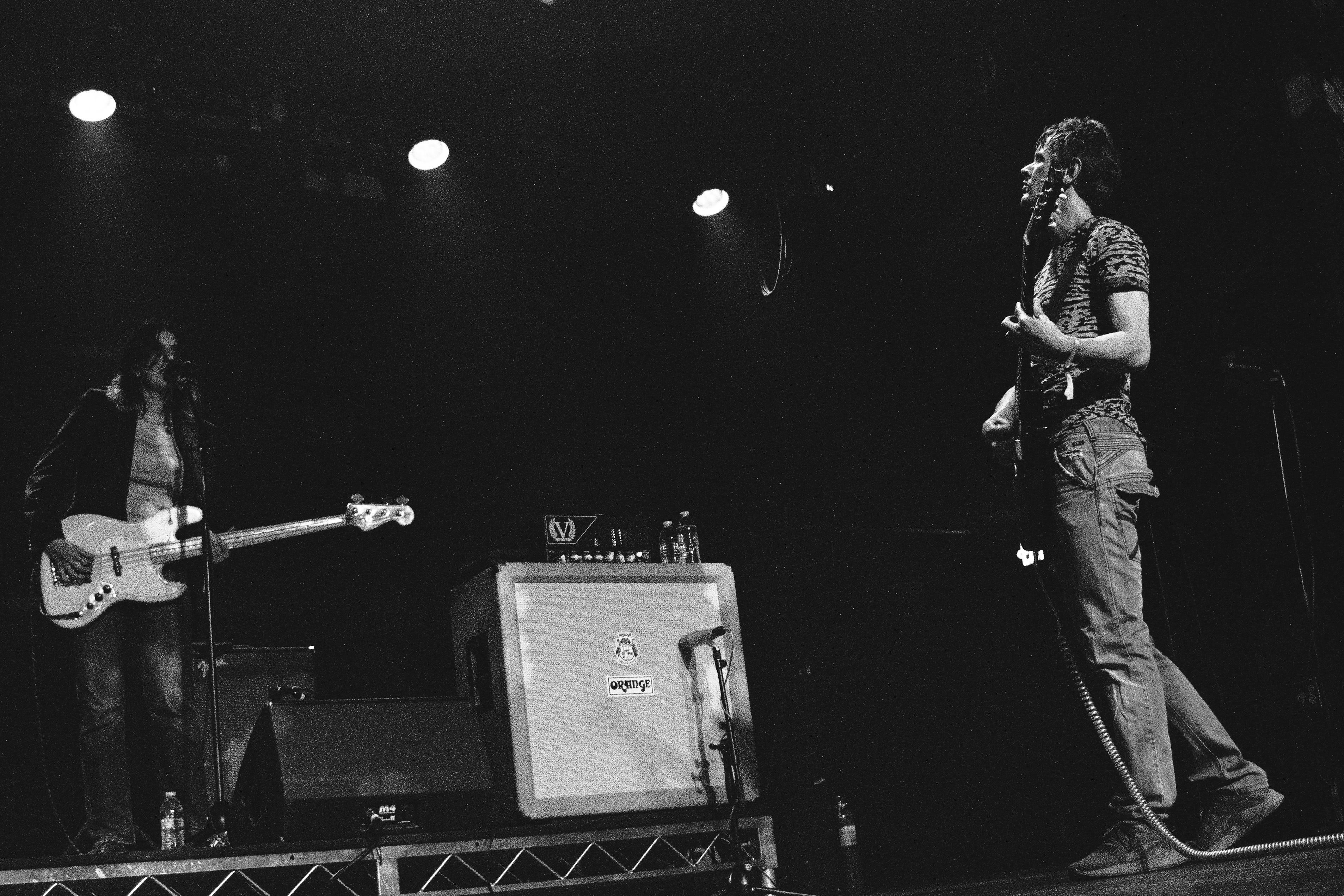
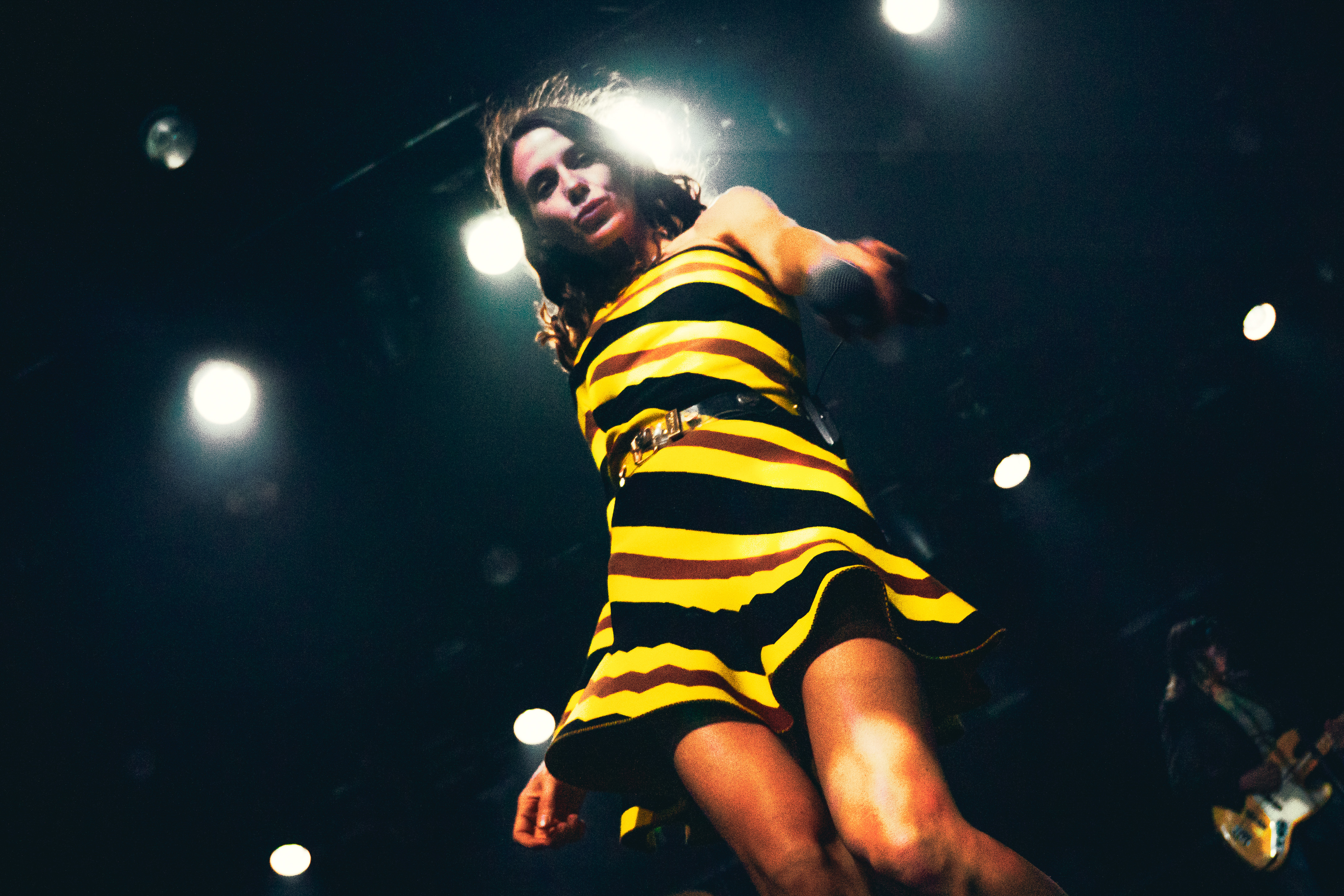
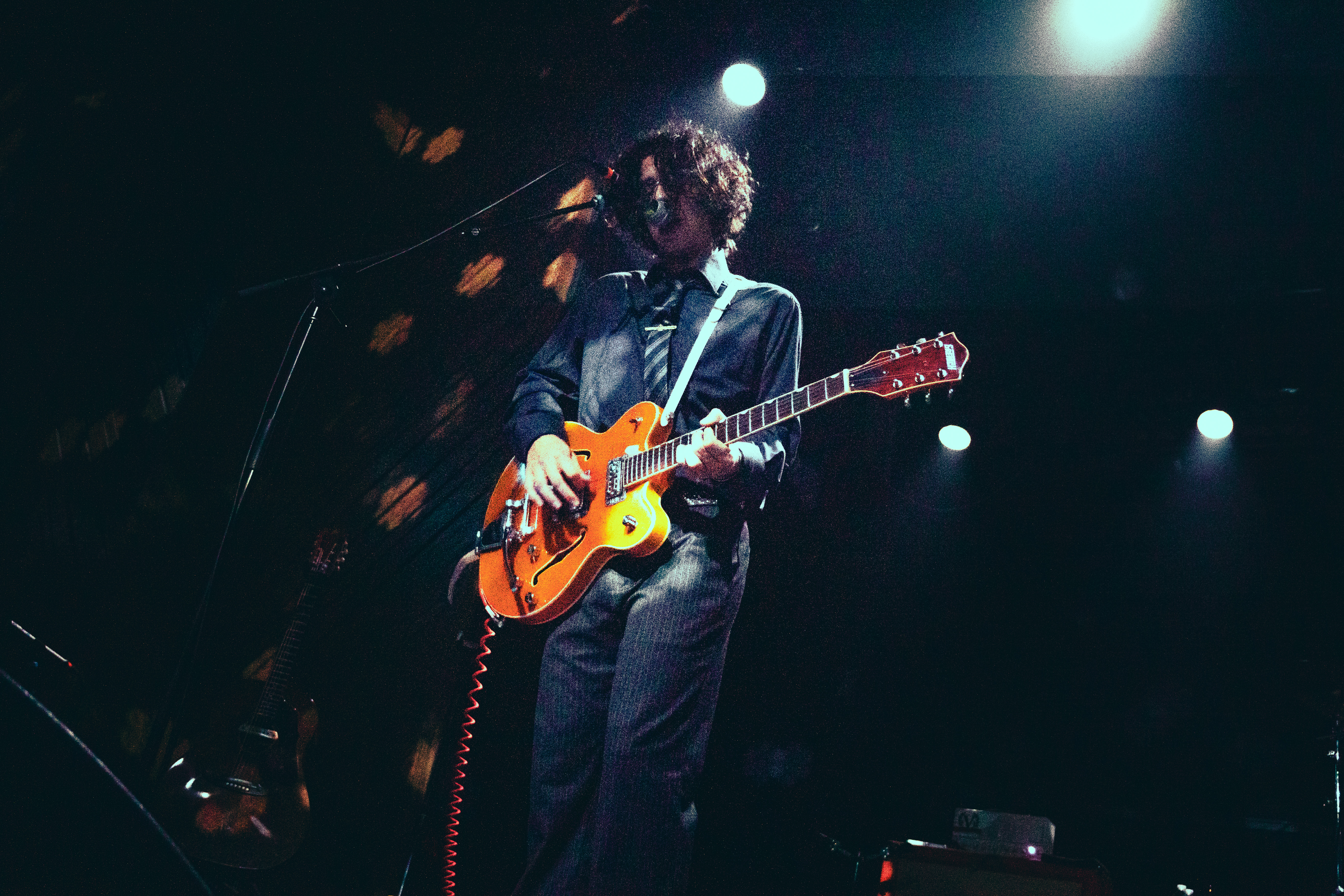
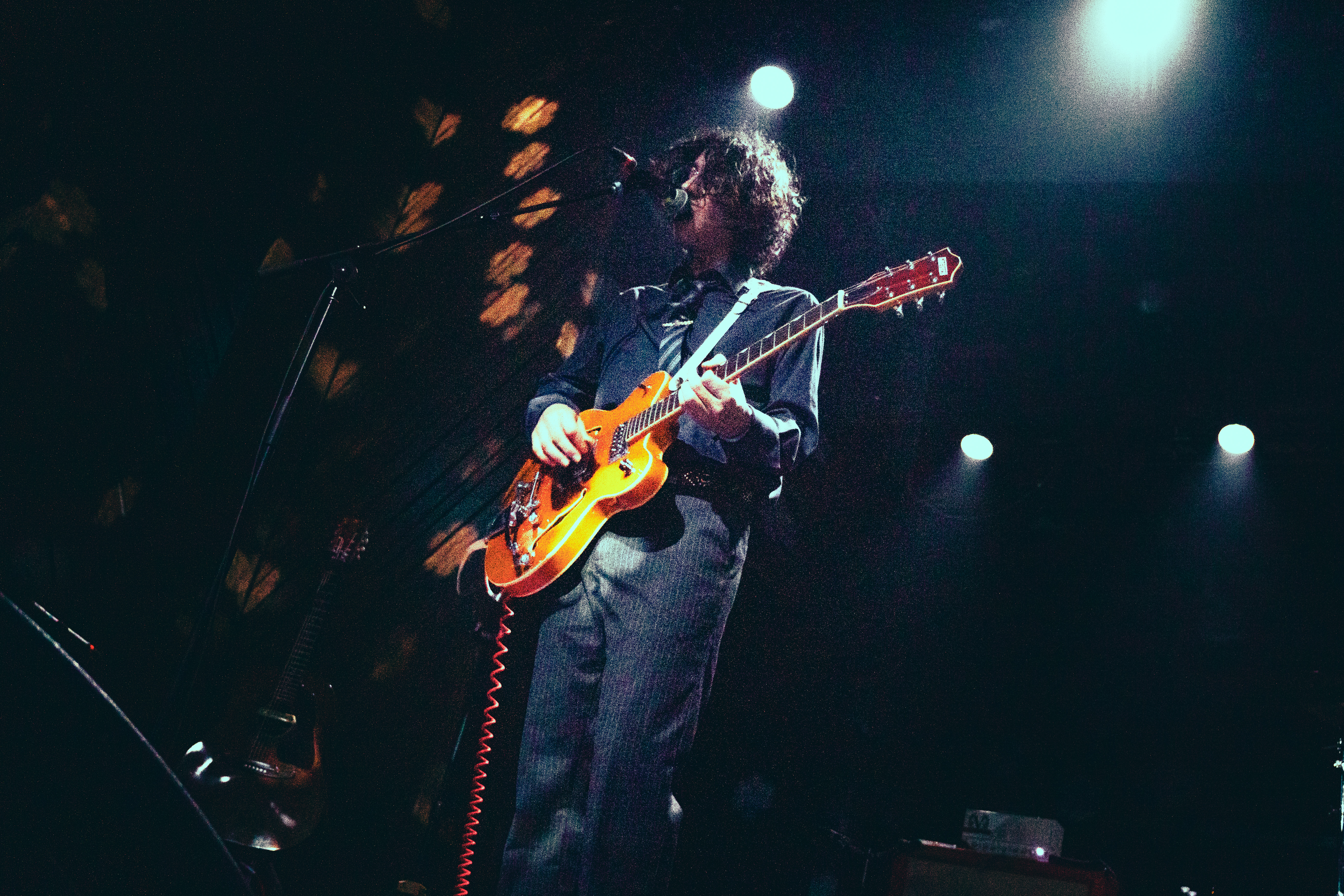
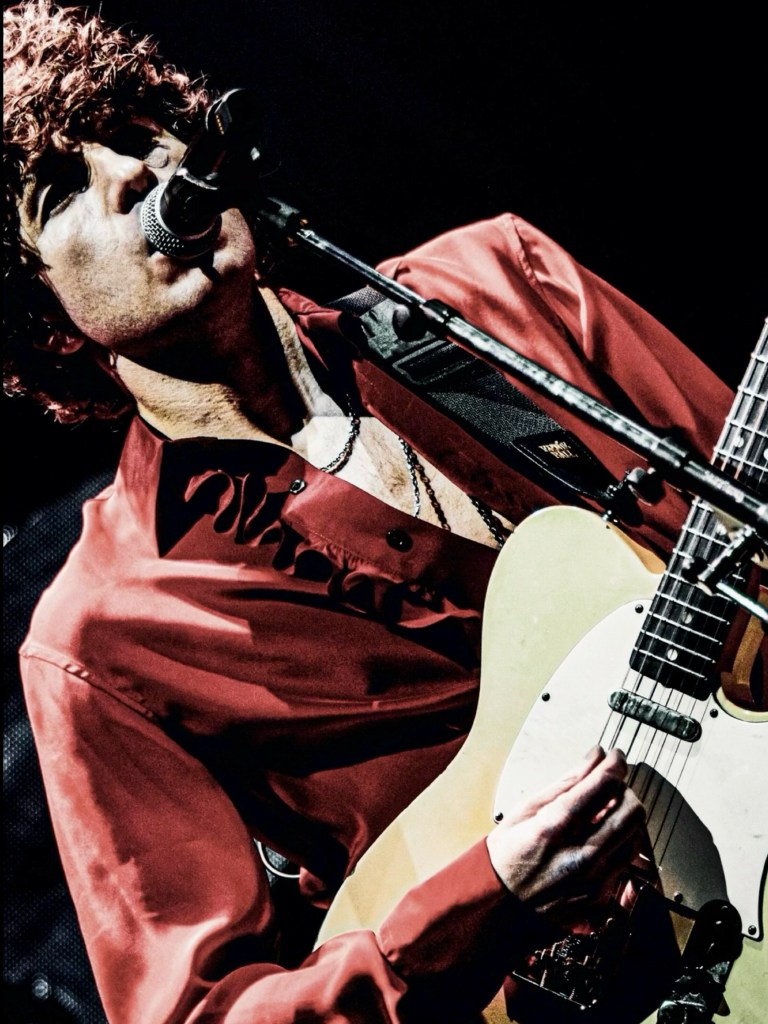
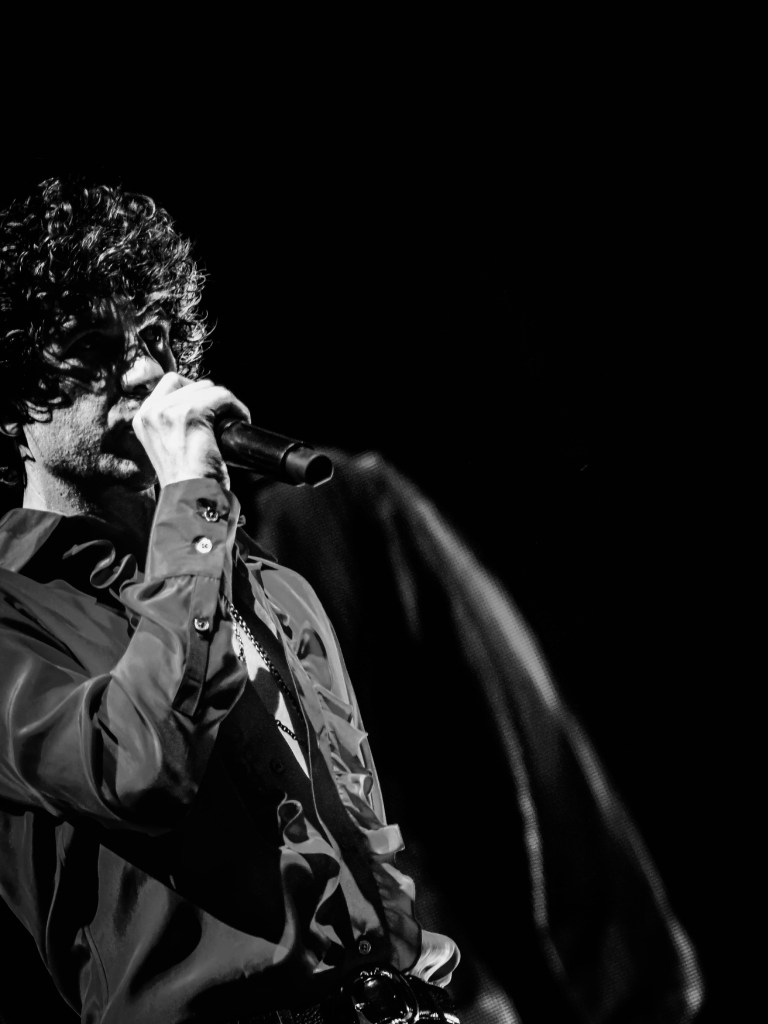
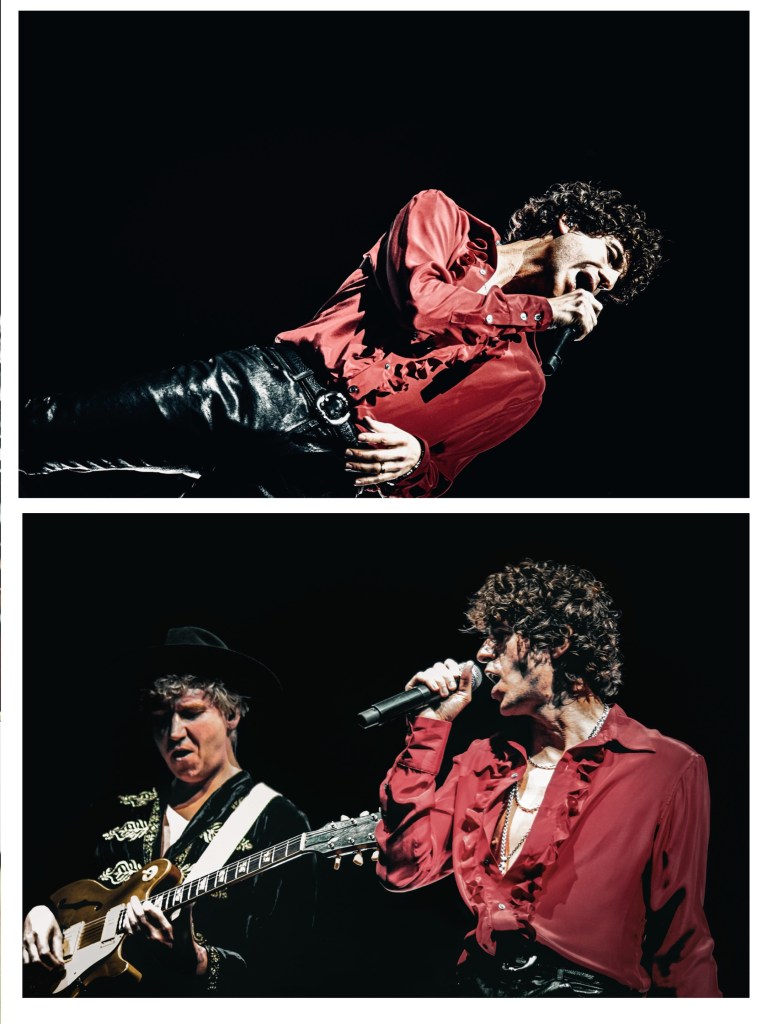
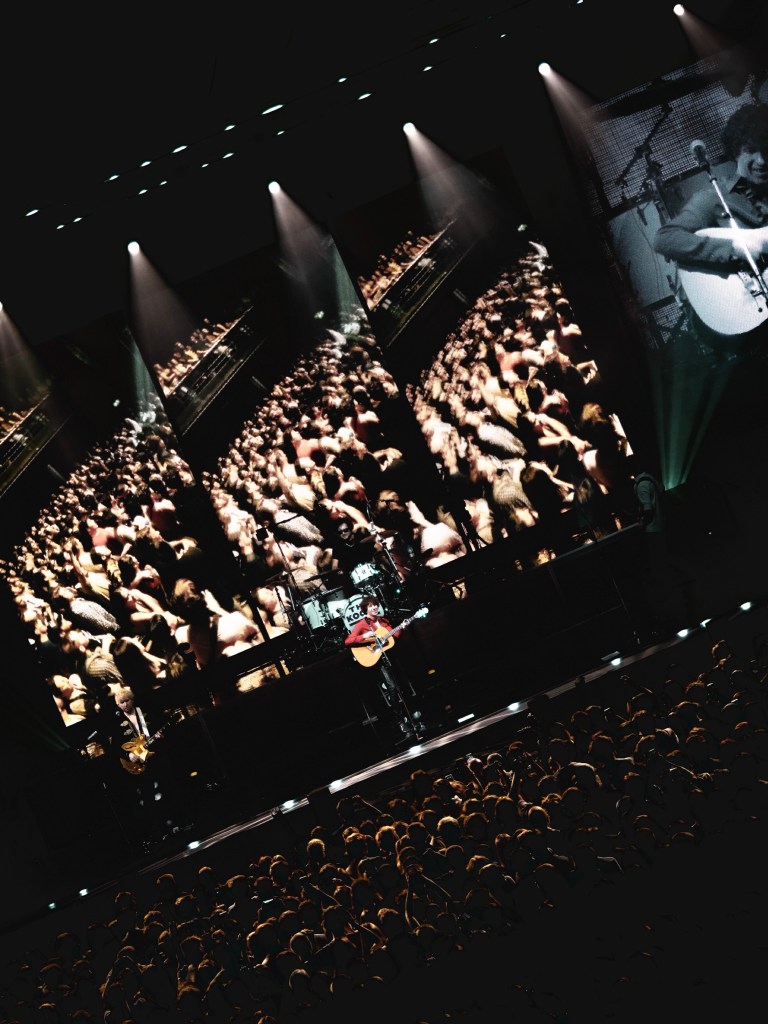
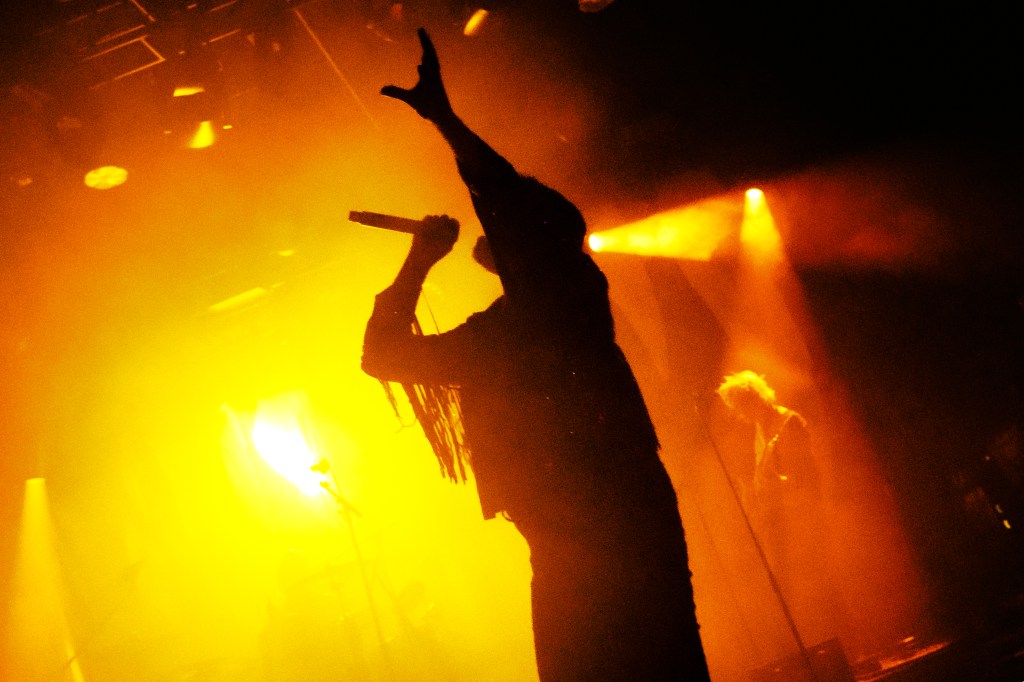
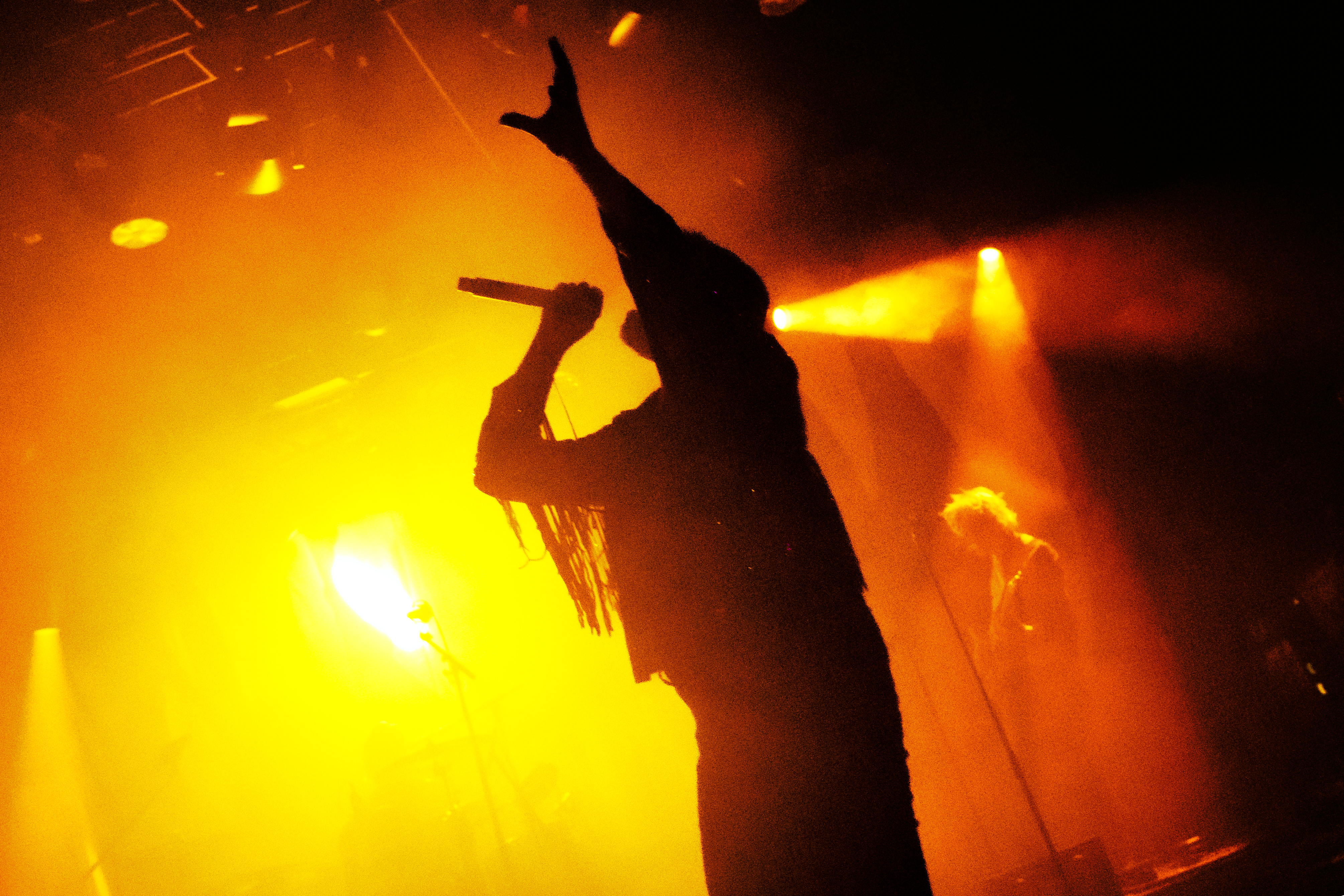
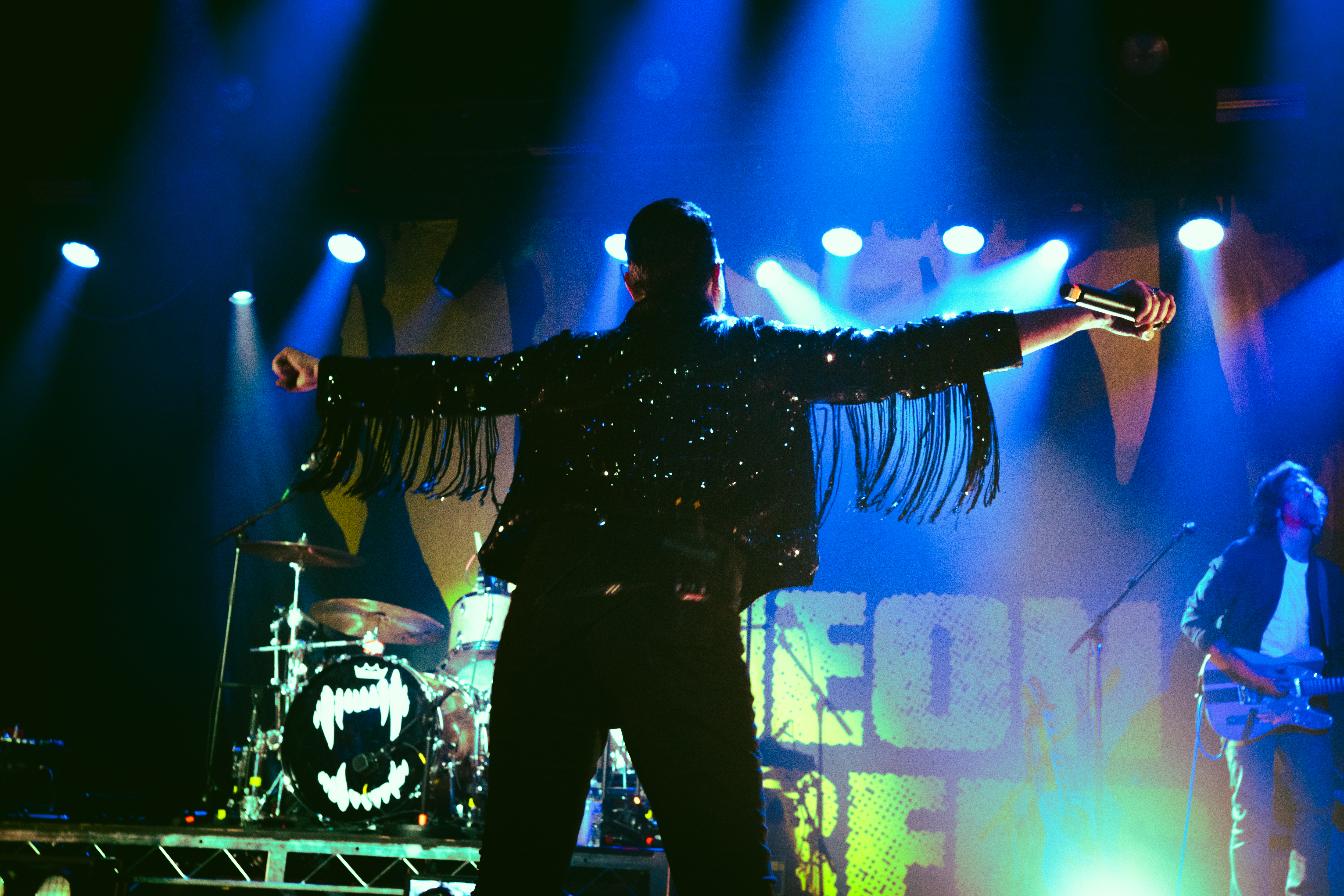
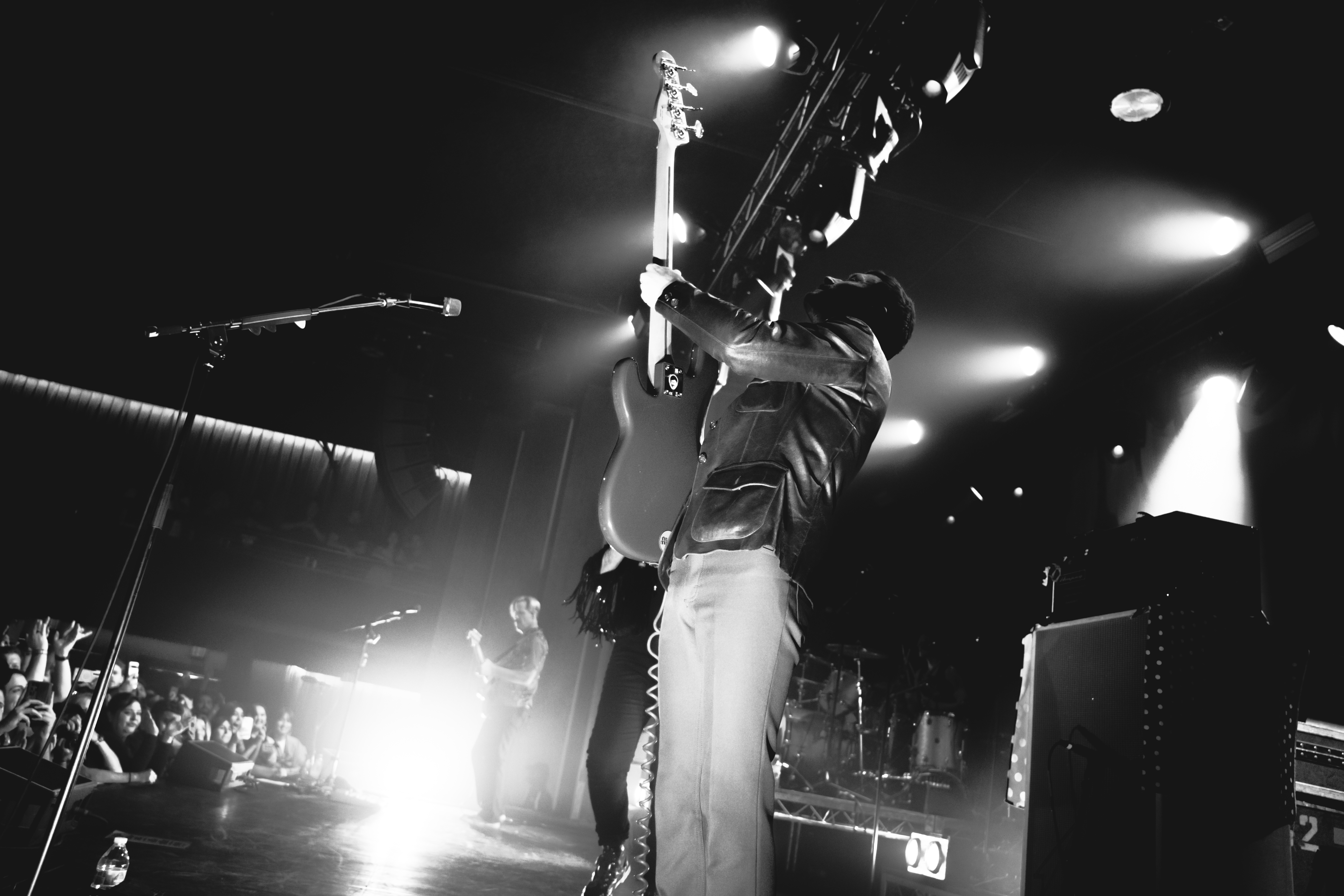
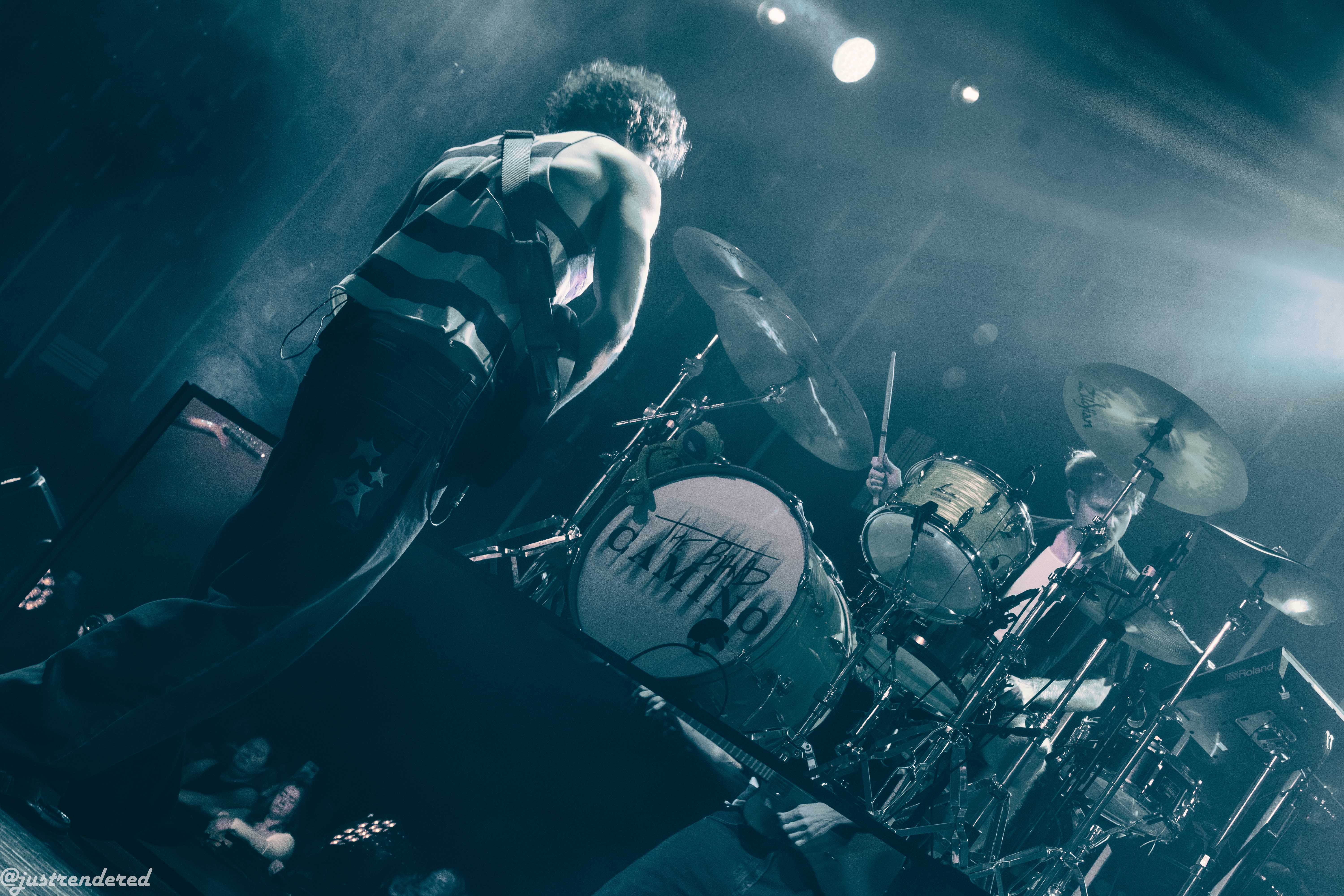
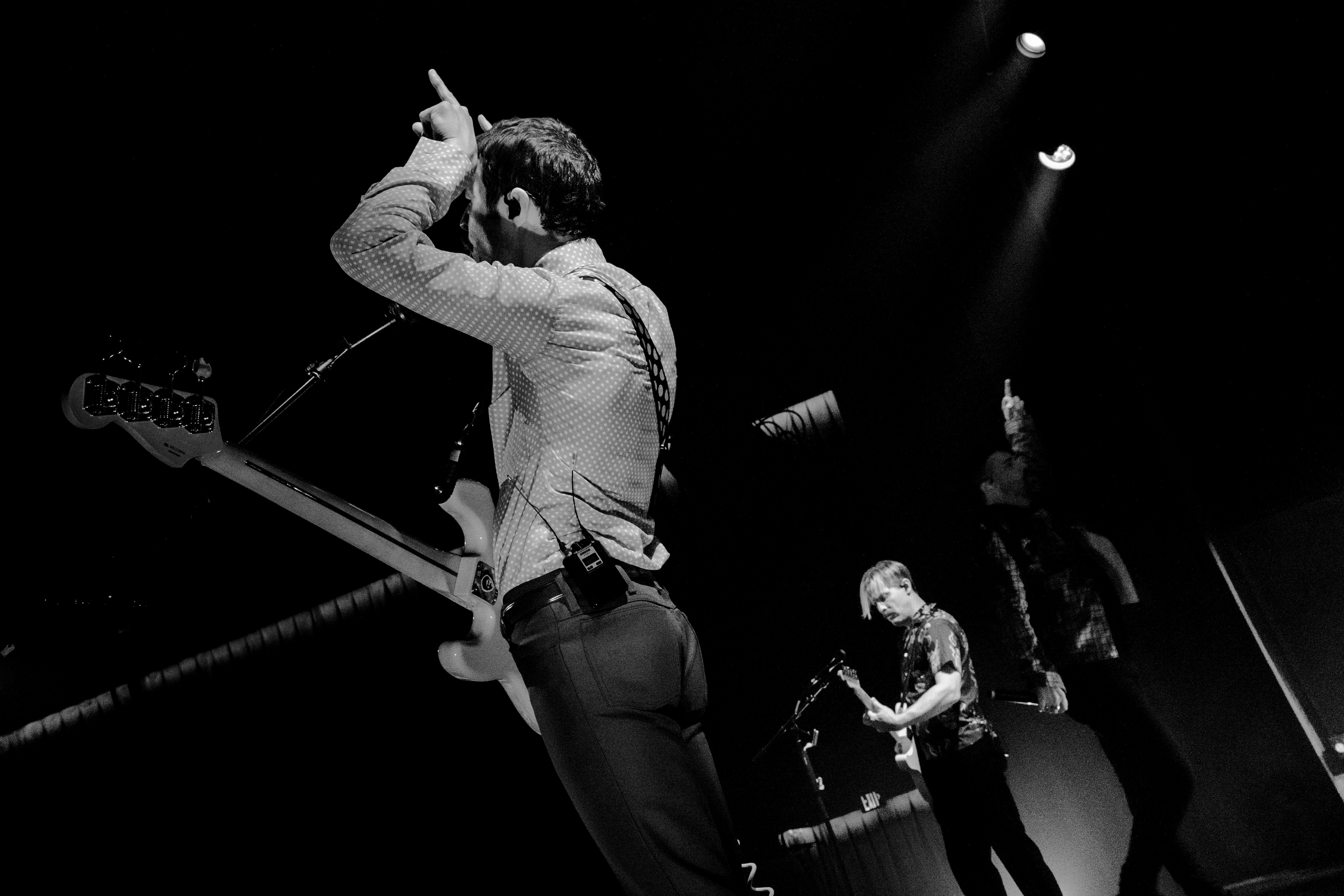
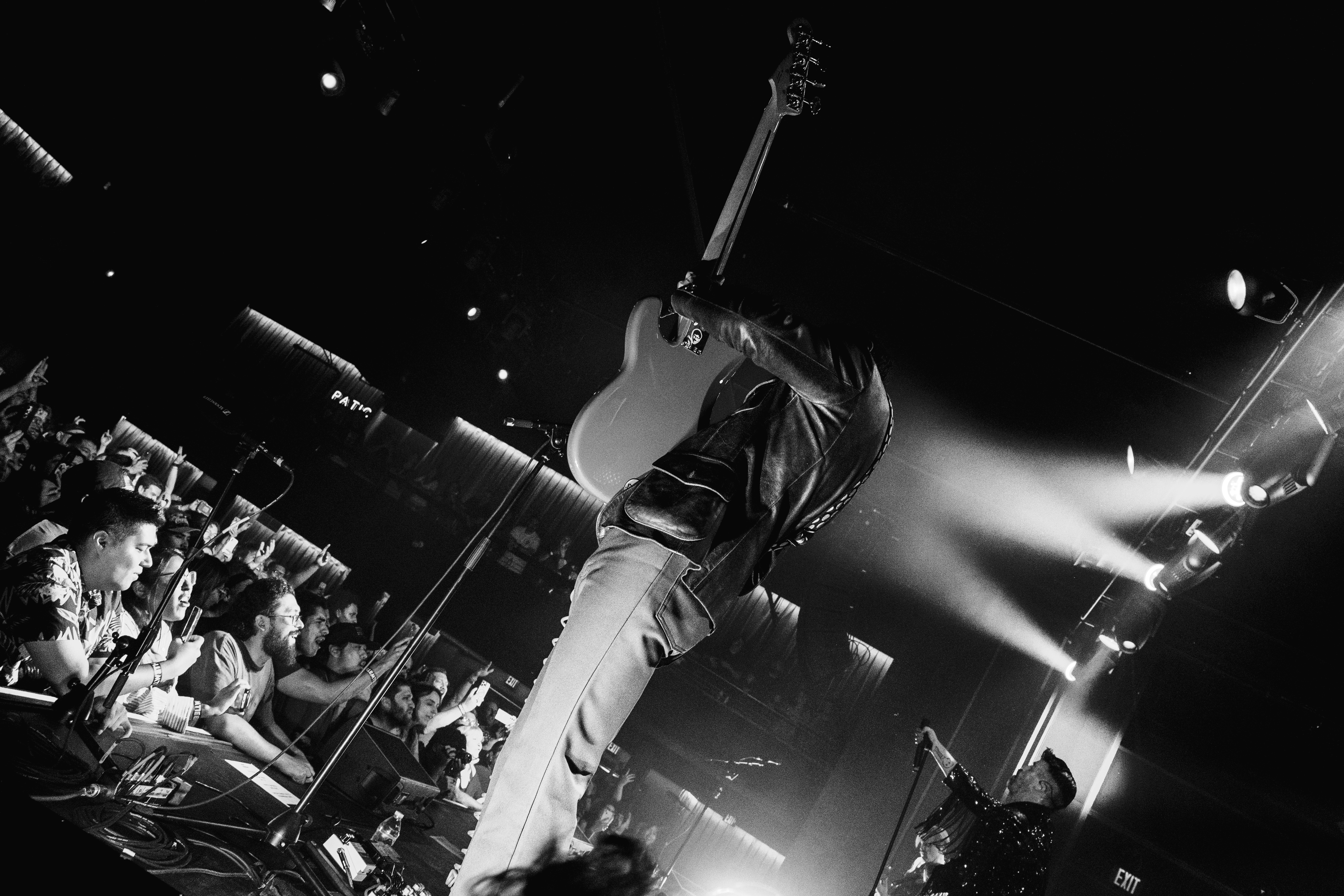
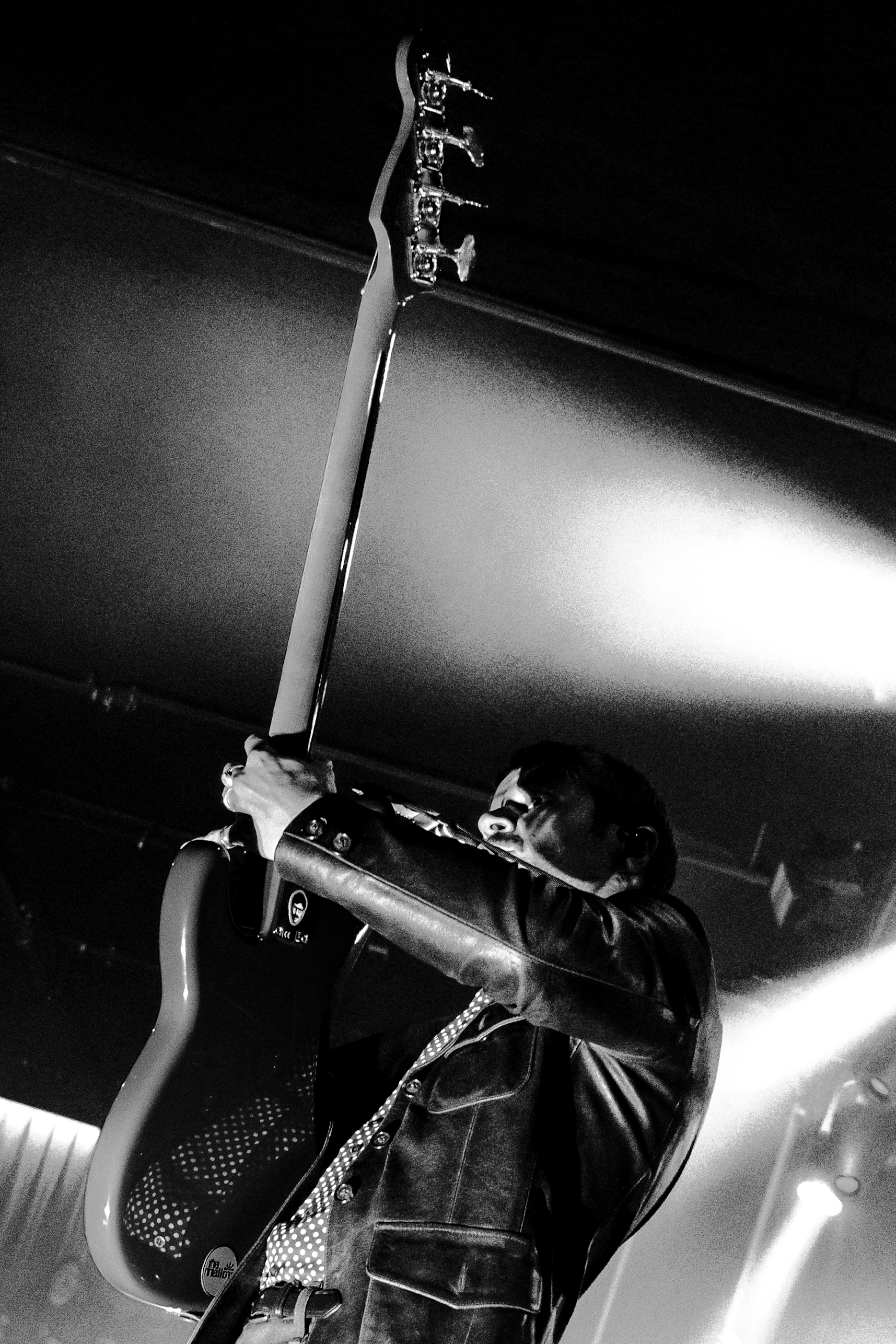
    I caught the Laughing Chimes earlier this year, opening for the Chicago group Lifeguard at Ace of Cups. Their sound really caught my attention–it’s truly timeless, you could say it’s ripped off a cassette found in an old shoebox and I would fully believe you. It’s warm, nostalgic, and dripping in jangly angst. I caught up with the group at their latest performance in Columbus at Cafe Bourbon Street to chat about music.
    Polyvox: How did The Laughing Chimes first come together?

    Evan: Quinn and I are brothers, we started it back in 2020 just as a recording project out of our bedroom. From there we recorded a whole album worth of material, since that was, like, during COVID time and we couldn’t go out and play. But, I mean, playing live was always a goal. And yeah, once we got that first album done in 2021, we went from there and started playing live in 2022. We got Ella on board in late 2023, she plays guitar, and then I taught Kyle how to play bass over the summer.

    Polyvox: So, would you say that being in and around the Southeast Ohio area has influenced the way that you’ve approached your music?

    Evan: I think so, in terms of the vibe. I feel like we try to bring some of the atmosphere to the music. I don’t know if it’s influenced it in the way that, like, genre-wise, because obviously, where we’re from, there’s a lot of folk and stuff, which I like that stuff, but it’s just not what we play. But we try to bring some of that darker kind of atmosphere to it.

    Polyvox: Yeah, definitely. That sort of gothic aesthetic. 

    Evan: Yeah, totally.

    Polyvox: Describe your music in three words.

    Evan: (Laughing) Ooh, not too bad, not too bad.

    Polyvox: I know this is a super loaded question. I wouldn’t even know where to begin.

    Evan: Dreamy, nostalgic, pop.

    Polyvox: You can play on a bill with any three artists, defunct or active. Who is on that bill?

    Evan: Number one would be R.E.M., number two would be The La’s, and number three would be Guided By Voices.

    Quinn: Joy Division, Nation of Language, and Cocteau Twins.

    Polyvox: Who are your greatest influences as a band?

    Kyle: My goal is to become Simon Gallop of The Cure. That’s like my absolute goal.

    Quinn: Keith Moon, Stephen Morris, and Jimmy Chamberlin.

    Evan: If we’re going instrument-wise, Peter Buck, the guitar player for R.E.M. is definitely one of my big heroes. Obviously, Johnny Marr, too.

    Ella: I’m going to be an outlier here for guitar and say Dean Ween. He’s amazing. He’s like my favorite guitarist ever.

    What’s your biggest music hot take?

    Evan: Quinn–you want to go for yours? Isn’t it something about Depeche Mode being like, the most overrated band ever?

    Quinn: Oh, yeah. Depeche Mode is the most overrated band.

    (everyone laughs)

    Ella: I like Blur more than Oasis.

    Polyvox: (laughing) Unfortunately, I am a huge fan of “Definitely Maybe,” but I see where you’re coming from. The Gallagher brothers are insufferable.

    Kyle: I’m gonna have to be real, I think the entire genre of emo shouldn’t exist. Anyone who calls themself an emo should be ashamed.

    Polyvox: Not even Midwest emo?

    Kyle: No. (laughs)

    Polyvox: Fair enough. Last question–what’s next for The Laughing Chimes?

    Evan: Well, we’re working on some new demos right now. I kind of had, like, a little bit of a songwriting block over. I always have a songwriting block over the summer, and I was trying to kind of work my way through it, but we’re working on some new demos, trying to get that figured out. Since Ella and I are graduating from college soon, we’re just trying to figure out, like, where we’re gonna go after that, figure out what the move is from there.

  • INTERVIEW: A Late Night You Can’t Drive Away From

    INTERVIEW: A Late Night You Can’t Drive Away From

    Interview and photos by Delyla Carline

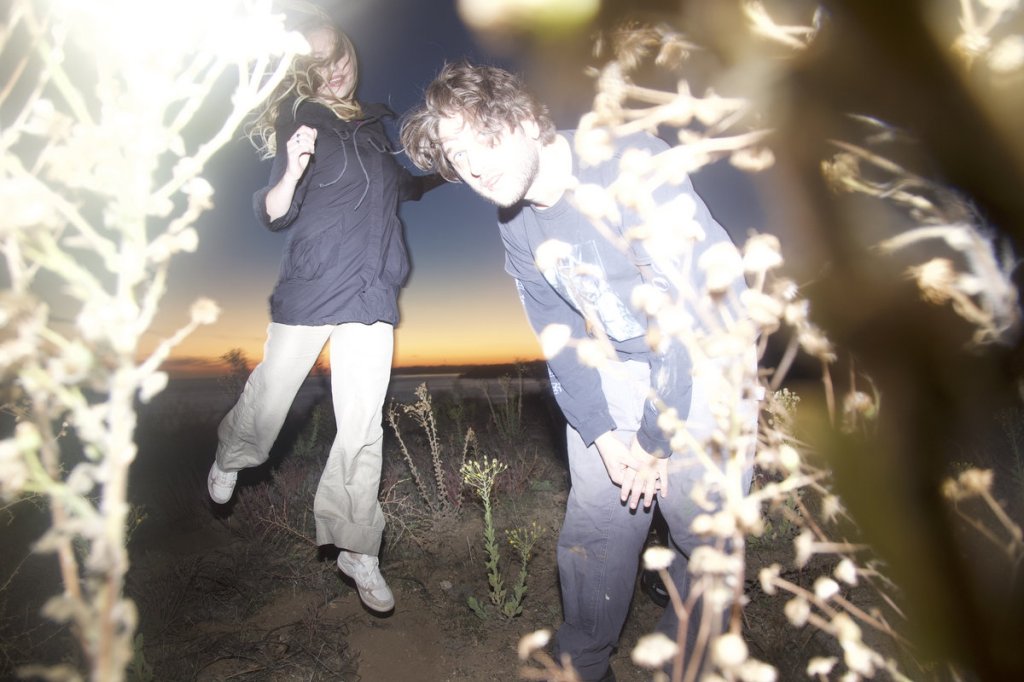
    Dreams are supposed to come when everything slows down. For Late Night Drive Home, the dream started in a bedroom but quickly spilled into something restless and alive. In Los Angeles, I sat with the trio—Andre, Freddy, and Brian—in the cramped green room of the Fonda Theatre.
    “It’s so funny because we were just having a conversation with our manager,” Andre said when asked about playing a bigger venue than last time they played a headline show in Los Angeles. “It’s been three years since we played El Cid. It was small but it wasn’t on my mind. I was like, ‘oh wow, I’m playing a show out here in Los Angeles with my friends.’”

    El Cid’s capacity is 200—over a thousand less than the sold-out Fonda.

    I first saw Late Night Drive Home at The Echo back in 2023, on a bill with Mind’s Eye and Sam Ray Club. Even then, it was obvious they were a band you’d want to say you saw early.

    Late Night Drive Home’s debut is a concept album—an ambitious step for a band that’s always woven themes into their EPs and singles. The idea of the “new internet” and AI isn’t new, but turning it into an entire discography makes you pause and think: what led them here?

    “What was the moment you guys were like, ‘yeah, we need to talk about this’ and decided to make a concept album?” I asked the guys.

    “It was around the time AI was getting into the thick of it and the AI-generated videos were getting more realistic,” Andre said, staring off into the distance. “It was an eye-opening experience for us. We kind of contemplated all of the different theories that can occur from the advancement of technology.”

    “Yeah, it’s kind of to the point of ‘are we old?’ or is stuff getting out of hand?” Brian chimed in.

    “It’s definitely getting out of hand,” I said.

    Brian laughed.

    Videos from the “As I Watch Myself Online” tour started popping up on my TikTok For You page, and that’s when I became curious about the glowing cube onstage. Honestly, it felt like it was luring me in.

    “You guys have this glowing cube onstage,” I said. “It feels straight out of Minecraft. Was it always a part of the vision of the tour?”

    Freddy lit up at the mention. “I feel like it came by accident,” he said. “We had storyboarded the music video for ‘Terabyte’ and we envisioned this office space. Inside this office space is like a black box that holds the routers. We were like, ‘let’s make the box blue.’ And that showed up in the music video. Months later, we were prepping the stage design for the tour and were like, ‘let’s just throw the blue cube in there.’”

    “For me, it’s kind of metaphorical. It’s like a Pandora’s box,” Andre said. “It’s like if the cube was the internet and the cube was a Pandora’s box, it would be one and the same.”

    “If the cube had a secret power, what would it do?” I threw in a fun question.

    Andre: It would have the ability to manipulate minds.

    Freddy: It would have the answers to any question in the universe.

    Brian: I was imagining teleportation.

    Andre: That’s interesting.

    “If you could spend a week inside any digital space, like a movie or video game, where would you go?”

    “Myspace,” Brian answered immediately. “It’s fully customized and untouched by modern AI and ads.”

    “Mine would be Animal Crossing just for the therapeutic factor,” Andre said.

    “This is your first full-length produced in the studio. I can imagine how that changes the process and changes things sonically. What changed for you?”

    “This was our first record studio-produced on a label and before we were self-produced from our bedroom,” Andre answered. “We wanted to make something on a grander scheme. The writing process was actually really interesting. We started writing this album like two years ago—maybe three?”

    “That’s around 2022.”

    “Yeah.”

    “The oldest song on the album (As I Watch Myself Online) is ‘Opening A Door,’” Andre continued. “We did a whole tour for that song, hoping that it would come out. And it just never did.”

    Both Brian and Freddy shook their heads with grins on their faces—confirming that fact.

    “We had to take our time and change it, but it was really interesting. It was a really nice learning experience, recording in studios. We recorded at Bear Creek in Seattle, Sonic Ranch in El Paso, and Echo Park.”

    “How do you guys feel about being familiar and comfortable in your bedrooms, then transitioning to studios with all these buttons you don’t recognize?” I asked.

    “It’s an intimidating process going from being comfortable and creating music on your own to having, at this point, another member. The producer was helping us along the whole way but overall a very good learning experience,” Andre said.

    “Not saying there’s any right way to make music—anyone can make music anywhere, using anything you want,” Freddy added.

    “I tried GarageBand and that did not work out,” I said.

    “We started writing music on GarageBand,” Andre replied.

    “Did that work out?”

    “It did.”

    American Church is my most played song from the album As I Watch Myself Online. The rhythm, the feeling, and the strong lyrics brought me to a space I had never been in before but somehow belonged to. The next question was, “What song from the album personally hits differently for you and why?”

    “I think that song for me would be ‘Modern Entertainment,’” Andre started. “That song is a sister track to ‘Opening A Door.’ I write about being locked in a room all day with nothing but your fear and thoughts. In ‘Modern Entertainment’ you’re opening that door and going out to the real world. Detaching yourself from all the bullshit online and touching grass.”

    “For me it’s ‘Uncensored On The Internet,’” Freddy said. “That last chorus hits me really hard when I listen to it. Andre did really well with the lyrics.”

    “I think ‘Terabyte’ hits me like a ton of bricks,” Brian began. “Andre’s lyric writing is crazy on that song. It’s intense. It’s like he’s slapping you around.”

    Andre laughed.

    “I don’t think he’s ever written lyrics like that and it’s very striking. It’s attention-grabbing.”

    “Vulnerable,” Andre added.

    Brian nodded in agreement. “Vulnerable.”

    “Who usually writes the lyrics?” I asked.

    Brian and Freddy pointed at Andre.

    “I usually write most of the lyrics,” Andre said. “There was one song the guys helped me on and it was the opening track of the album. That was a collective experience for all of us.”

    Late Night Drive Home debuted at Coachella last year and recently performed at Reading and Leeds this year. Getting to play these sensational festivals, I wondered what their dream festival lineups would be.

    “Dead or alive?” Andre asked.

    “Anyone. It’s your dream festival,” I responded.

    “Benches,” Freddy said.

    “Okay,” Andre said. “This would be the line in no particular order: Mustard Service. Benches. Pleasure Pill. Tony Jupiter. Tyler, the Creator. I just got to throw him in there.”

    “Quarters of Change,” Brian said.

    “Alex Sucks,” Freddy said.

    “Fuck it, we’ll throw in Arctic Monkeys,” Andre said.

    Freddy: Björk.

    Andre: Björk would be cool.

    Brian: The Strokes.

    Andre: The Killers.

    Freddy: The Kooks.

    Andre: But going up before us? Arctic Monkeys.

    Talking about dream festivals turned into an easy reminder that this is just the beginning for them. The stages are getting bigger, but their core stays the same.

    What started as songs in a bedroom has turned into sold-out shows, festival slots, and a sound that keeps evolving. Sitting with them in that green room, hearing them joke about glowing cubes and teleportation, it was clear they’re still having fun while pushing themselves creatively. They’re not chasing what’s popular—they’re chasing what feels right to them. And if this is where they are now, it’s hard not to wonder just how much bigger that drive can get.

  • Ten Years of Depression Cherry by Beach House

    Ten Years of Depression Cherry by Beach House

    Words by Jack Foley

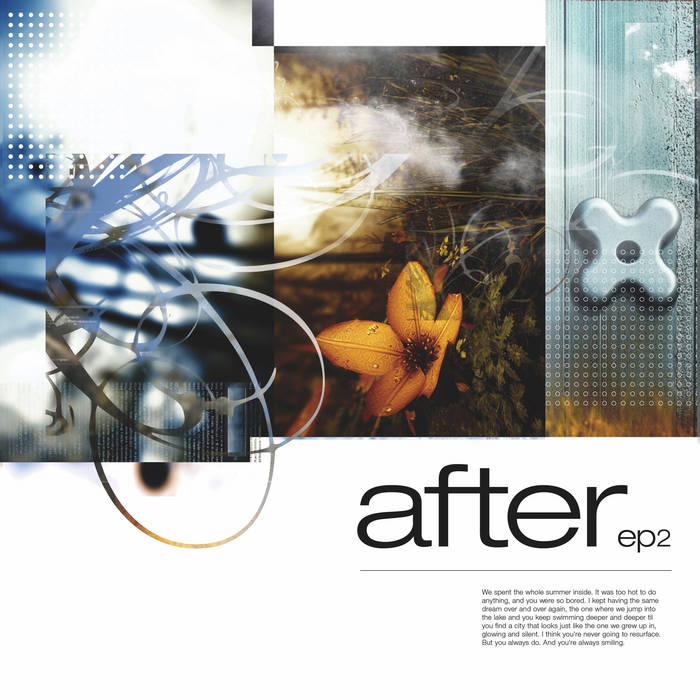
    Depression Cherry (via SubPop)

    Beach House occupies a unique niche in the music world. Their sound can be gentle and ambient as Victoria Legrand’s synthesizers arpeggiate and drone into oblivion. On the contrary, it can be an emotional firestorm of Alex Scally’s crying slide guitar layered over Victoria’s vocals, sending chills down your spine. They’re something of an enigma in the music world; they have garnered significant attention and success, yet they have managed to maintain a certain air of mystery surrounding their story, lives, and inspiration behind their art. Beach House has always had a special place in my heart, and their music can be found somewhere in my rotation at all times. They are a band that I grew up with, and their sound defined many moments in both high school and college. I often find myself romanticizing driving around during the summers after 11th and 12th grade, listening to this record on windy Pennsylvania backroads, admiring the amber, lilac, and violet hues saturating the hazy sky as the sun begins to set and the cool breeze calls you home. It was an interesting transitional period of my life, and I often found solace in this record as I navigated my first year of adulthood in a pandemic. To celebrate the tenth anniversary of Depression Cherry, an album that dropped at the peak of the 2010s indie movement, let’s revisit the tracks that were central to my teenage experience.

    Depression Cherry is the perfect description of Beach House’s 2015 release. It’s a warm blanket of sound interleaved with true poetry. Whenever I discuss this album with other people, I pull out my vinyl copy and show them the cover. The cover is made of red velvet, with “Depression Cherry” printed in the corner. The packaging is genius marketing, and I am lucky to have purchased it before the cover was changed to a simple gloss print. Enough fluff–let’s get into the music.

    Levitation is a beautiful introduction to the record in all its darkness. The droning synth fade-in makes you feel like you could levitate, and just before you reach weightlessness, Victoria cuts in with her angelic vocals. The song, at face value, paints vignettes of a psychedelic experience. Weightlessness, levitation, and the experience of oblivion all point to a semi-religious experience. Deeper analysis and some digging on web forums reveals that I was completely wrong. The song depicts two people who perished in an accident involving a train, recounting their last moments. It’s an unfortunately true story, and Victoria’s lyrics perfectly capture what I can imagine the inevitability of death feels like–the sensation of leaving your body as you experience such incredible trauma and make peace with your own mortality. It’s a beautifully crafted, deeply poetic song that does not get the credit it deserves.

    Sparks opens with a hypnotic vocal loop, which gets broken apart by a signature Alex Scally slide riff, caked in crunchy distortion. This song is the smell of a bonfire during a dramatic sunset with your closest friends. Beach House shows even more of their psychedelic side here, bringing life to a town seemingly crumbling and melting around them: “We drive around this town, houses melting down.” Further analysis shows that there may be more of a social commentary here that’s being viewed through the lens of hallucination. “A new development, wishing that it meant something natural, don’t we know it’s cruel,” can be interpreted in a handful of ways. Some have suggested a commentary on gentrification, ego death, and the profoundness of simply thinking abstractly, but the band themselves have said it’s about energy, specifically the moments where things “click,” and everything falls in line. Is it an allusion to overcoming writer’s block? Political Critique? Who knows. Nonetheless, the open-ended themes of Beach House songs are why I find them so enchanting–you can search for explicit meaning, but ultimately, your own lived experiences influence your interpretations.

    Space Song is one of the band’s most famous songs, and rightfully so. The name tells you everything you need to know. The song begins with a haunting synth fade-in, and captures the essence of loneliness;  “It was late at night, you held on tight. From an empty sea, a flash of light.” Accompanied by 8-bit octave arpeggios and corresponding eighth-note synth chords, the song takes what may be seen as a simplistic approach to music, but this is far from the truth. The layers are incredibly intricate, with vocal harmonies reverberating between your ears, a punchy, dirty bass tone, and the signature slide guitar that has roped in so many new fans, it’s hard to ignore the musical prowess of Beach House. As the song nears its conclusion, Victoria repeats “fall back into place” into the fadeout, leaving the listener with this experience of singularity–a reminder that we are all a blip on the timeline of the universe, and the vastness of our existence.

    Beyond Love was a track that I have only really listened to when I spin my vinyl copy of the record; that being said, after going back and listening a few times, I wish I would have given it the time of day and tuned into the content. There’s something magical about the drum machine, coupled with Alex’s spacey, dissonant riffs. It’s timeless in a way. It’s a lot more reminiscent of some of their work from earlier records in its arrangement. Beyond Love tackles the experience of unrequited love, a relationship ended too soon. The protagonist expresses their frustration with the other party, ripping petals off the rose in their mouth, shutting the lights off on their relationship in the end. Victoria compares this person to “Elvis,” perhaps to highlight the protagonist’s idolization of this man despite his indifference. The abrupt end to their relationship and experience in the time shortly thereafter leads them to question what went wrong in a last-ditch effort to bargain with him; “all I know is what I see, and I can’t live without this. Could you ever believe beyond love?” The protagonist wants more than simply being “in love.” Anyone can have the capacity to love another person on a surface level, but believing in their connection on a deeper, more spiritual level is what he lacks. Perhaps he is scared of being alone and truly does care for the protagonist, but the fear of emotional intimacy sours the entire relationship in the end.

    To be honest, I have no idea what 10:37 is about. But, there’s something about the cryptic title, lyrical content, and stripped-back production that just feels like brain food for a study session or late-night drive. Victoria’s sporadic vocal chimes and fluttering runs carry the song, backed by a simple linear drum pattern and synth. No intense layering, reverb, or delay needed. You feel as if you have achieved a state of bliss, levitating in the stratosphere above the clouds. The clearest lyric is, as the title suggests, “10:37.” I like to think that the ambiguous nature of much of Beach House’s catalog is intentional–sometimes having everything spelled out ruins the magic. Needless to say, I catch the time 10:37 more frequently, or at least I notice it with more intent. Perhaps the purpose is to make us stop and notice the little things and embrace the joy of nothingness.

    PPP has always been one of my favorite Beach House songs since I first listened. It’s ambiguous; its title was a placeholder that came into a meaning of its own. PPP could mean anything, but to me, it is human emotion in its most raw, unadulterated form. PPP is the orange and purple sunset illuminating the car with your windows down while you leave your hometown for one last time. Alex’s vocals make a rare appearance, accompanied by an arpeggiated, twinkly Stratocaster sound. This is one of Victoria’s strongest performances on the album from a vocal standpoint, and her endurance shines throughout.

    “Did you see it coming? It happened so fast. Timing was perfect, water on glass” emphasizes the uncertainty of life. Just like that, opportunities come and go. One small decision can alter the trajectory of your life, for better or for worse. Like raindrops on your car window, things pass by in an instant before you can process what happened. Victoria leans into the conflicting emotions she faces, “like tracing figure eights on ice in skates, oh well, and if this ice should break, it would be my mistake.” It’s easy to let fleeting joy shove rose-colored glasses in your face, persuading you that the highs will last forever in the moment, but inevitably, there will be a corresponding low. Viewing this from a retrospective position makes your own humanity more prominent, and the realization that everyone has regrets can be comforting.  As the verses blend, the pre-chorus repeats “yet, I’m tracing figure eights on ice in skates.” Despite the signs that your optimism may cause things to go awry, it can be painful and borderline impossible to force yourself to be rational in the throes of hope. It can be easier to go in circles pretending everything is fine than to face the dismal reality. Alex’s slide guitar wails and harmonizes in a melancholy chord progression that still gives me chills every single time. Victoria’s vocals swoop in, forming layers upon layers of cries into the void. This is an aural manifestation of what can only be described as a profound experience, the realization that the memories you have loved are just that. The first time I listened to this song, I had to replay this section several times before I could even begin to find words to describe how it made me feel. I’m not often deeply affected by a song, but it’s tough to hear this genius composition without getting misty-eyed from the sheer weight of the progression. It’s the perfect sonic crescendo to depict the pain of loss, regret, and yearning for what was. Nostalgia is a powerful force to be reckoned with, akin to a drug; it can be the most beautiful, raw experience, yet it’s laden with a heaviness that leaves you with a lump in your throat. Some have critiqued the nearly three-minute outro as unnecessary and drawn-out, but I think this is an incredibly dull take. The extended outro is the culmination of an extended period of doubt, introspection, and emotional pain into an explosive crescendo that is arguably the peak of this record.

    Wildflower was the first song from Depression Cherry that I ever listened to. On my bus ride to school during one of the first days of freshman year, I noticed the person in front of me playing this song over and over during the 45-minute commute. I figured there must be something to it if someone can loop a song so many times without skipping. I was immediately hooked. It’s a dreamy cacophony of swirling, chorused guitars and synths supporting Victoria’s gentle, comforting vocals. “No better color, looked everywhere…you built a city, all in your head.” Beauty is in everything, even the times when our minds feel like the constant flow of stimuli is going to be the tipping point into insanity.

    I feel that Bluebird was placed strategically as a segue between Wildflower and Days of Candy. It’s just a slight bump in the energy before the incredible closer. But it’s completely unfair to treat it like a filler. Bluebirds are held in high regard in many cultures as signs of good fortune and love. Victoria uses the bluebird as a physical manifestation of her own emotions; she questions “bluebird, where you gonna go now” as a reference to the fleeting nature of consciousness throughout any period of time. Victoria knows that, as someone with deep emotions, “I should not try to capture you” and suppress or control her feelings, even if at times it may be to her detriment, “lead me to the gallows, where out of the corner of my eye, there’s something, it’s pulling me back from nothing.” Anxiety can feel like a vice grip around your mind and body, holding you back from living life as intended. Realizing that these bursts of adrenaline and questioning your sanity are nothing more than a chemical reaction is a liberating feeling, so much so that you could fly away.


    Days of Candy is just that. Nostalgia is a prevalent theme in this record, and it’s easy to look back on even the worst of times positively in a stupor of depression. The Fondness for the past and romanticization of moments of ecstasy are the days of candy that we often turn to in times of turmoil. The track features a 24-part chorus that repeats throughout the song. The first B-flat note is layered upon by additional voices, creating one of the most beautiful harmonies I have heard. Victoria begins gently singing, almost with a quiver, as flanging synths and bass notes begin to build up momentum. “These days of candy live in your mind, those violet lines, white fenced in miles, across my eyes.” Victoria has an incredible ability to perfectly capture the essence of regret. “I know it comes too soon, the universe is riding off with you” cuts into your soul like a dagger. Everyone can relate to this feeling, whether it be someone you burned bridges with or reminiscing about wasted youth; we all feel the weight of regret. Victoria emphasizes her longing and feelings of loss, all while clinging to the energy of the past, hoping to manifest a recurrence in the future “I know it comes too soon, I know it stays for nobody, I want to know you there, the universe is riding off with you.” I recommend listening to the live performance of Days of Candy and PPP from Pitchfork Music Festival, 2015. It will blow your mind. I burned these on a cassette in 2019, and the warmth of a wobbly tape machine adds to the ambiance. Raw emotion flows through Victoria like a waterfall to a cliff on the edge of the world, and this record is the perfect reset for those days when you need to let yourself feel everything you have been neglecting. Here’s to many more days of Beach House, who have always been a spark of cherry-colored beauty in an otherwise grey world.

  • GALLERY & REVIEW: 3l3d3p at Barlow’s 8/18/25 – Sacramento, CA

    GALLERY & REVIEW: 3l3d3p at Barlow’s 8/18/25 – Sacramento, CA

    Words and photos by Izzy Furl

    Shot on Kodak Portra 800

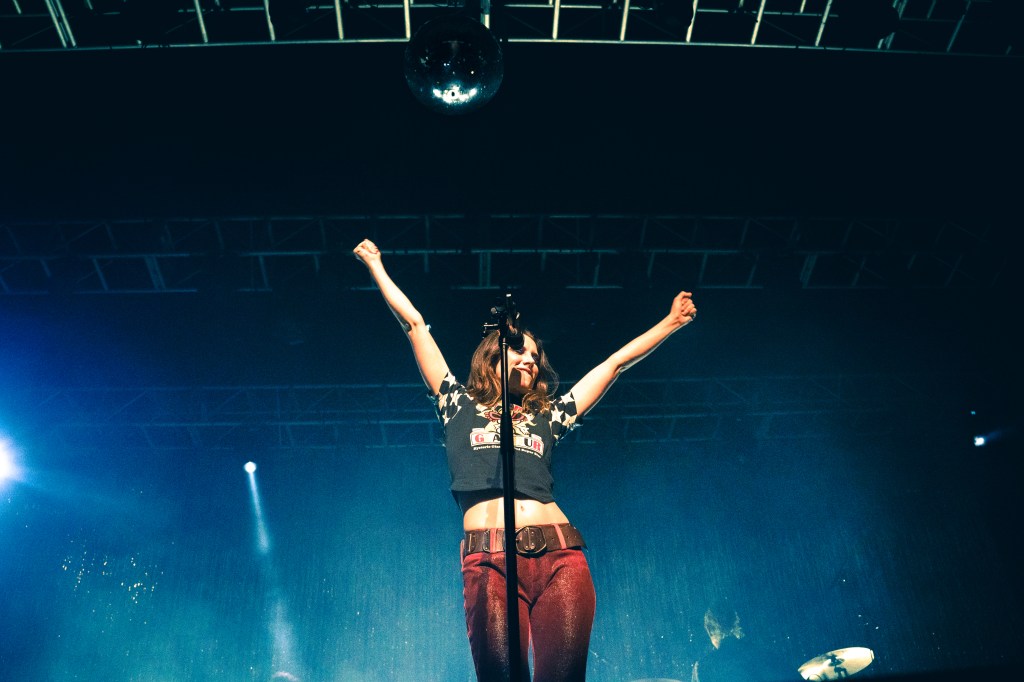
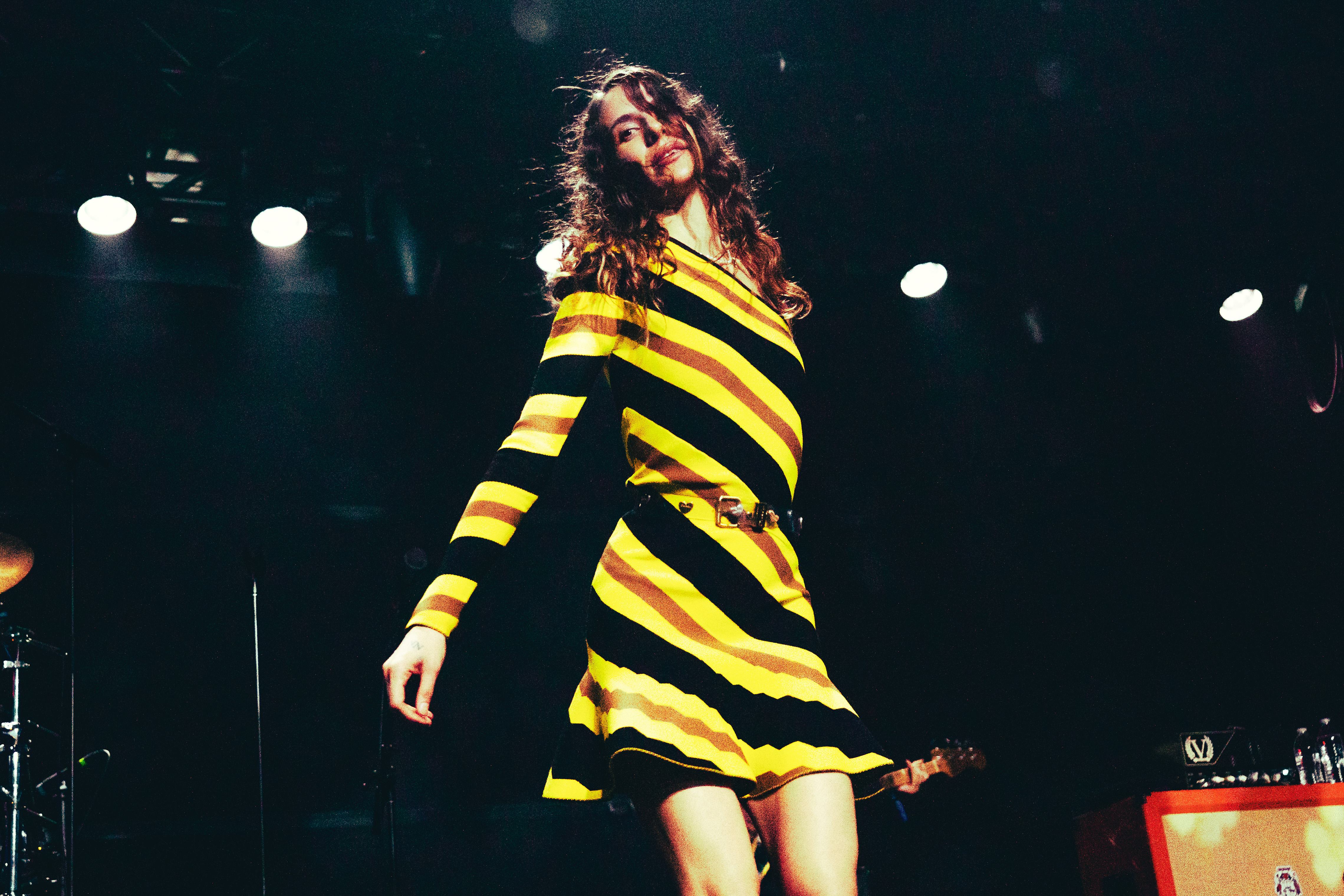
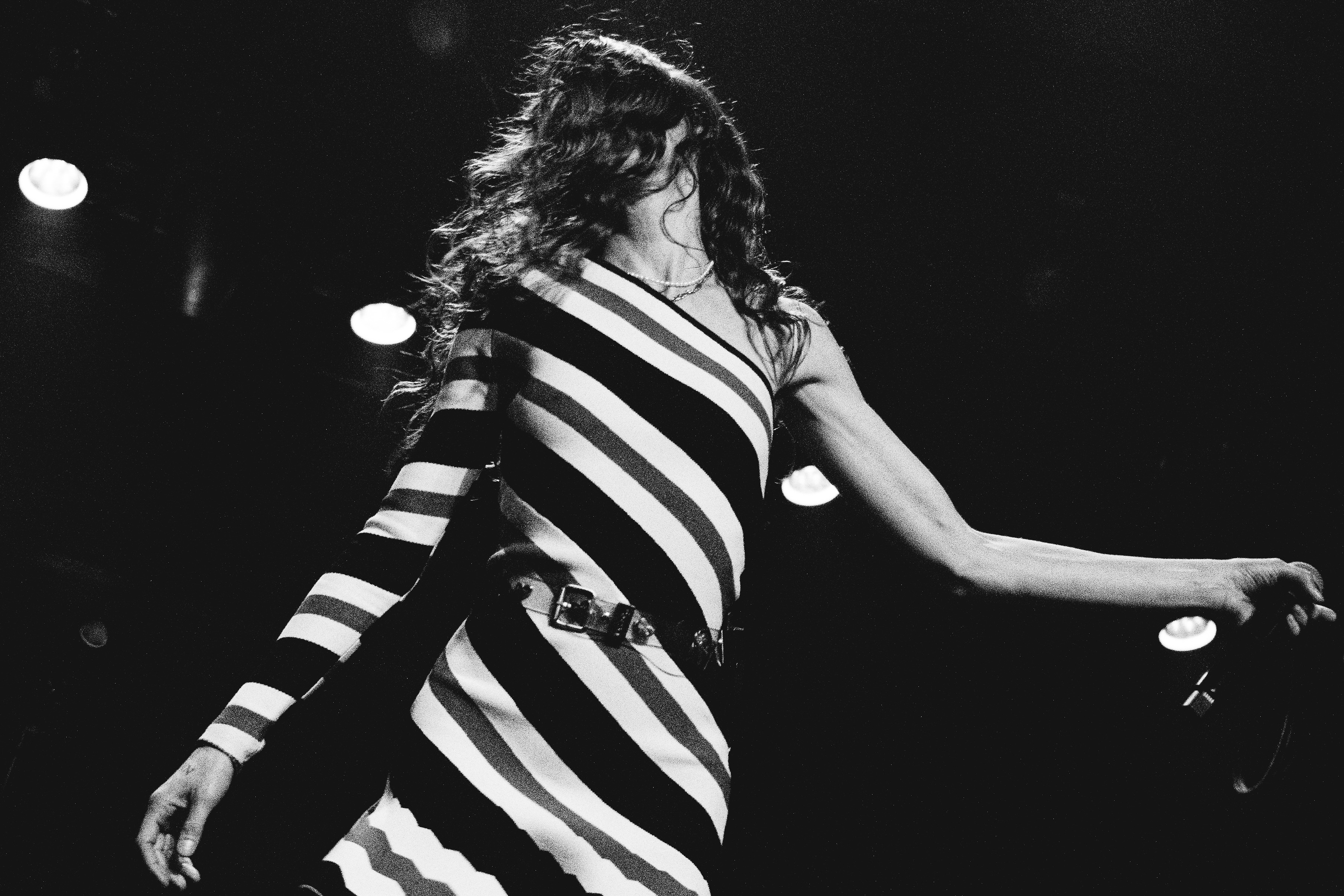
    It was 3l3d3p’s first time performing in Sacramento, but you wouldn’t have guessed it. The moment she stepped on stage, slowly swaying to synths, the mood in the venue shifted. The crowd leaned in, anticipating the digital hardcore storm that was about to erupt. By the time the bass hit, the excitement was tangible, and it didn’t fade until long after the lights went out.

    Unlike many artists who play venues with stages barely a foot off the ground, 3l3d3p didn’t let the limited setup hold her back. She transformed the space with stunning visuals: pillars of spinning lights that projected rose petals falling over warm-toned footage of her dancing, looping into glitchy cyberpunk map layouts. Video games have long shaped her sound and style—her FWD music video, for example, plays like a fighting game spliced with a pixelated, noir version of Ace Attorney. Beside her board, a futuristic glass-encased hologram rotated continuously, scrolling her name—3L3D3P—in bold impacted font. It was the final touch to the industrial, hypnotic atmosphere she built.

    Onstage, 3l3d3p blurred the line between performer and participant. She swung her head side to side, deliberately grazing those in the front row with her hair, and climbed atop the speakers, crouching and leaning into the first row while making sure to hit every corner of the stage. At one point she lunged her mic stand into the crowd, daring those in the back to lean in closer. Later, when the tempo shifted, she joined the dancers herself, her arms slicing the air as if cutting through water. The barriers between artist and audience dissolved further when she asked the crowd how to say her name. One by one, fans shouted into her mic—L-D-P—with perfect accuracy. But the most memorable moment came when, at the height of the chaos, she bolted offstage and cut straight through the sea of bodies, the crowd parting only slightly as she barreled forward. The room pulsed with an energy this stage rarely gets to experience.

    Even after the music stopped, the experience lingered. Fans lined up at the merch stand, grabbing metallic keychains, G-string thongs, baby tees, and CDs wrapped in striking new cover art. Just like the performance itself, the merchandise carried the same mix of playful provocation and edge. For a debut Sacramento show, 3l3d3p carved her impression into the floorboards.

  • GALLERY & REVIEW: The Lumineers – West Valley City, UT, 7/30/25

    GALLERY & REVIEW: The Lumineers – West Valley City, UT, 7/30/25

    Words and photos by Molly McCoy

    The Lumineers recently brought their Automatic World Tour to Utah First Credit Union Amphitheater to celebrate the release of their latest album in February. While touring their new album, they brought their well-known and loved blend of emotion-filled storytelling and folk energy. Fans were packed into the amphitheater, girls with long white skirts and flower crowns, and boys in Lumineers merch; the place was buzzing.


    First up was Tom Odell, who is an English singer-songwriter and performed his set seated at a piano. Due to a car accident down the street from the venue, I missed the opportunity to take pictures as I got into the venue at the end of the third song. However, I was able to listen to the rest of his set and was smitten with how intimate he could make his performance feel despite being at the biggest venue in Utah. His voice is not to be overshadowed as it’s powerful and yet still soft and tender. I hope he makes his way back to Utah soon so I can watch his set from start to finish.


    The time had finally come for the Lumineers to take the stage, in case you were looking at your phone or simply not looking at the stage. As soon as the first member took to the stage, the crowd erupted, not just in a normal clap and cheer sort of way, they were so loud I wasn’t fully confident that my earplugs were in. They opened the show with “Same Old Song,” the first single off their new record. Quickly followed by “Flowers in Your Hair” and “Angela.”


    The Lumineers always nail their setlists; they are always able to balance it with big hits, new songs, and some deeper cuts. My personal favorite of the night was “Keys on the Table” and “Plastacine” from their new album, and then Donna and Leader of the Landslide from some of their previous albums. “Big Parade” is another standout in their setlist; for this song, each member of the band took turns at the microphone. It was fun to see the band work together and to finally hear the great Jeremiah Fraites sing.


    Not only do the Lumineers nail their setlists, but they also extend the platform so that it extends into the pit. This lets the crowd and band connect a little more throughout the show; lead singer Wesley Schultz made sure to use every inch of the stage. At one point, he even left the stage to weave through the crowd. Starting at the pit and going all the way up into the lawn to the back fence. Giving everyone an opportunity to have a great view.


    The night took an emotional turn when Wesley spoke on the passing of his brother a month earlier. He explained the effect his sudden death had on him and how each night they dedicate a song to him. The cover of the night for Utah was of Justin Bieber’s “Ghost.” Now I am
    not a crier; in fact, it takes quite a bit for me to even tear up. However, listening to the band play this song almost pushed me over; it took everything I had in me not to start bawling. Sitting there listening to the most moving cover of a song ever is hard to put into words; you could almost hear a pin drop with the silence from the audience as we all felt the grief and love that was
    emanating from the stage.


    The night continued on and ultimately had to come to an end. Tom Odell came back on stage to sing “Salt and The Sea” and played the piano portion with Jeremiah in a beautiful duet. They closed with some of their fan Favorites Cleopatra” and “Stubborn Love”. From a strictly visual standpoint, they hit a nice balance of having creative and new visuals but not necessarily being overproduced or relying on the production. This show was a testament to why the Lumineers continue to be one of the most captivating live acts. I saw them for
    the first time about three years ago, and I think about that show at least once a month. They are some of the few that have the ability to turn even the biggest venues into ones that feel intimate and to play honest, real music that concertgoers and music lovers will never forget.

  • REVIEW: The Sound a Body Makes When It’s Still – Hot Mulligan

    REVIEW: The Sound a Body Makes When It’s Still – Hot Mulligan

    Words by Finora Reilly

    Favorite Tracks: Monster Burger and a $5 BeerAnd a Big LoadMonica LewinskibidiMix Master Wade on the Beat

    The “#1 Hot New Band” Hot Mulligan released their fifth studio album, The Sound a Body Makes When It’s Still on Friday, Aug. 22. The album comes in with 16 tracks spanning over 42 minutes.

    Although they have been creating and releasing music for the better part of 10 years now, they broke out of the underground scene into a wider pop punk space with their 2023 release Why Would I Watch.

    This album does everything their previous releases have done and more. With ridiculous, sometimes humorous song titles, backed with some of the most depressing lyrical content out there. It seems to be a necessary contradiction in Midwest emo.
    This album follows the ebbs and tides of dealing with grief, moving from light and airy melodies to heavy, raw lyrics. We feel and hear the heightened emotions and catastrophic ideologies that come with feeling like it can never get better towards acceptance that we must move on. The contrasting sounds, all backed with equally heavy hitting lyricism resonates with many. It’s a reminder that recovery isn’t linear.

    The opening track, Moving to Bed Bug Island sets the tone for what’s to come, although the album’s title serves a similar function. We can never fully remove ourselves from grief, it always comes back to haunt us.

    Moving swiftly into the debut single of the album, And A Big Load where we’re confronted with that contrast instantly. And this song does what Hot Mulligan is known best for, catchy riffs and depressing lyrics. Highly listenable music with much darker undertones once you listen closer.

    It Smells Like Fudge Axe in Here, and Island in the Sun are both songs rooted deeply in paranoia. We’re waiting to see the consequences of our actions, knowing what we did wasn’t right. Remembering every mistake made and ruminating on those until the outcome we expect comes to be.
    Bon Jonah keeps a similar sound to Island in the Sun but it feels like we start regaining consciousness. Maybe all of the dwelling on the outcome is all in our heads, but how does that make it any better? We’re still grappling with those scenarios, even if it’s entirely of our own creation. This Makes Me Yummy follows, an instrumental with themes of hope and reconciliation.
    Quite possibly the most ridiculously and chronically online title on the album, Monica Lewinskibidi brings us back to the dwelling and grieving we were experiencing earlier in the album. Time still passes, even when we aren’t present. Even from “half a world away” you’re missing opportunities and connections with those you love. Milan Minute takes us back to reality though, standing as a reminder that we have affected others positively in the spaces we inhabit.

    Cream of Wheat of Feet Naw Cream of (feat.) brings us to the title lyrics “Hold your brеath, the sound a body makes when it’s still” and stands as an acknowledgement of things getting worse. Mix Master Wade on the Beat brings us back to the earlier themes of the album; realizing we’re obsessing over outcomes that have yet to happen. Even after the growth we’ve made from the start of the album, we still doubt ourselves.

    We start to slow back down and return to the melancholy theme of the album with This Makes Me Yucky. Haunting spoken word over lighter instrumentals are the focus of this song, and it directly contradicts This Makes Me Yummy. It’s a reminder that nothing really matters. We define ourselves by our moments of weakness and dwell on those. But in the end “Nothing you did made any difference.” Whether that’s a hopeful or hopeless ideology to have is up to the listener.

    Monster Burger and a $5 Beer is the most reminiscent of Hot Mulligan’s previous successes. Painting grotesque imagery to get a point across. It has everything we think of when remembering a Midwest emo song – glittery guitar solos, twinkly riffs, repetitive themes, and heavy symbolism.

    The album closes out with My Dad Told Me to Write a Nice One for Nana, which in my opinion is the perfect endcap to this LP. We’re let go with a more serious song title and a sound to match it. Although it is laced with depressive tones, we are finally letting go of the immense grief that comes with losing someone. We may not be the same afterwards, but we’ve reached the final stage of acceptance.

    Hot Mulligan has mastered the art of making a highly listenable album with devastating lyricism and themes. Only listening to the notes played will leave you feeling hopeful, while reading the lyrics is soul crushing. They make you confront the feelings we often repress, whether we’re grappling with the loss of someone through death or just the passage of time and evolution of character.

    I don’t know how often I’ll be able to confront this album, but I foresee it being one I return to as I grieve what once was in my life. It might be a bit too depressing to stream repetitively on my commute to work, but that’s not how albums should be critiqued or judged. This LP reminds me of past versions of myself and the idea of nothing truly mattering, whether that’s for better or worse in this world. It’s oddly hopeless, yet it reminds me there is still more to see out there.