Words by Finora Reilly
The term “emo” encompasses a wide range of sounds within the music world. Emo was born from punk and hardcore. Emo shares intense lyricism and melody with the genre, but from a different perspective. While punk is often politically and physically charged, emo is emotionally charged. Themes of heartbreak, loss, yearning, and not fitting in are common and maybe even essential to the genre.
While many of us who grew up in the 2000’s think of emo music as bands like My Chemical Romance, Panic! At the Disco, Fallout Boy, and Taking Back Sunday, the genre holds much more. The internet has also popularized other subgenres in the emo scene, such as Midwest emo, skramz, screamo, math rock, and emoviolence.
Emo can be split into four or five different waves, at least, as of 2025.
First Wave Emo
Emo music really started in the mid-1980’s in Washington D.C. with the band Rites of Spring, which focused on lyrics surrounding feelings rather than society. Moving away from the harder lyrics of the punk scene at the time, lead vocalist Guy Picciotto was more interested in delving into human connection. Some other bands pioneering the emo sound included Dag Nasty and Embrace.
Early emo music was supported heavily by Dischord Records. The label was founded and co-owned by Ian MacKaye and Jeff Nelson, the former frontman and drummer of Minor Threat. The label released punk music and intended to make the genre a more welcoming scene.
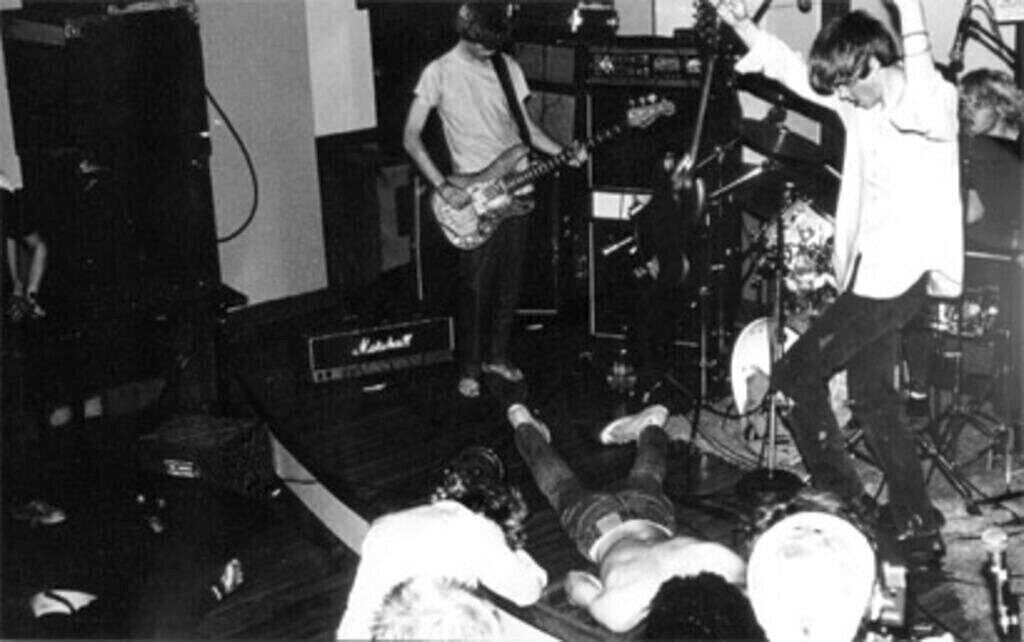
In the summer of 1985, Dischord Records launched what was known as “Revolution Summer” in their home base of Washington D.C. This was in response to the loss of interest in punk and hardcore music as members started to age out of the scene. “There was a situation where the shows were becoming increasingly, moronically violent,” MacKaye said in an interview. “A lot of people were like: ‘fuck it, I’ll drop out, I don’t want to be a part of this anymore.’” Rites of Spring was a heavy hitter for this crowd, as it had the emotional appeal, rather than just the physical. This lyrical and ideological focus chased away the growing presence of hate and unwarranted violence in hardcore at the time.
One of the most notable things about first wave emo is that it remains the most true to its punk and hardcore roots. The style was dubbed “emo-core” by Thrasher Magazine at the time, which abbreviated “emotional” and “hardcore”. The core was dropped almost as quickly as it was added, as bands rejected the label for being “too limiting.”
The first wave of emo stayed a relatively underground genre through the rest of the 1980’s and into the early 1990’s. Limited access to the genre was a big cause for this, with most bands being released DIY or by small record labels.
Second Wave Emo
The second wave of emo music followed soon after the first, where emo began to move more inland. This is where we saw the start of what we now know to be “Midwest emo” gaining notoriety. Sunny Day Real Estate, American Football, Cap’n Jazz, and The Promise Ring are all early staples of Midwest emo.
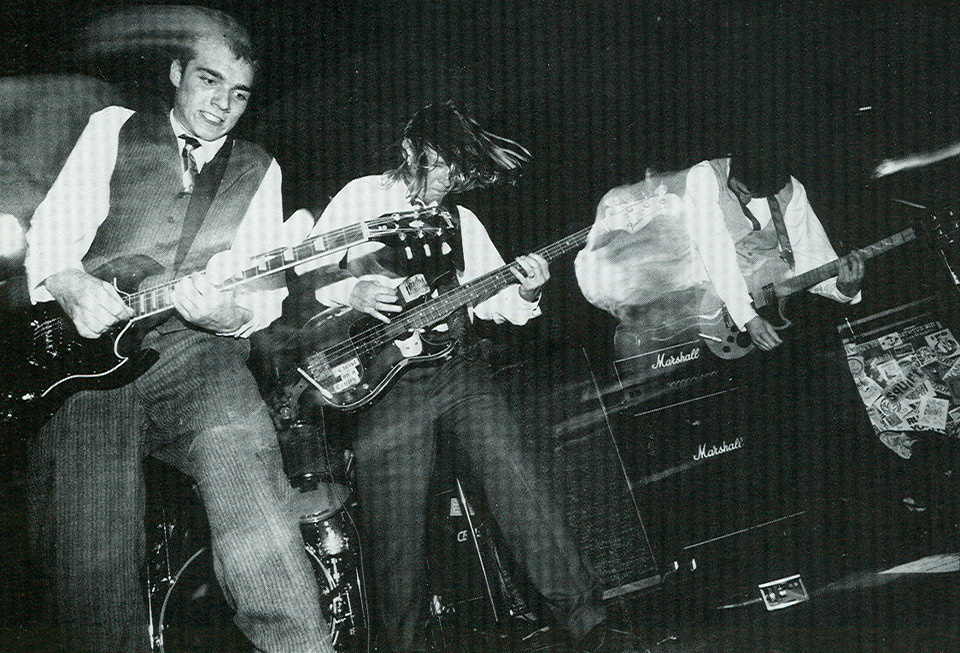
Although elements of punk and hardcore were still present, we started to see twinkly melodies backing those introspective lyrics. Formative cities for this sound were, of course, in the Midwest: Chicago, Urbana, Milwaukee, etc. Sunny Day Real Estate was one of the major outliers of this time, coming from Seattle.
Midwest emo lost the original hardcore sound of emo-core, favoring the emotional roots.
We also saw bands branch out into screamo music from the original emo-core. This was a more direct evolution of what emo started from, featuring more elements of hardcore than its midwestern counterpart.
Much of what we were seeing from screamo was coming from the coasts, with bands in San Diego and Washington D.C. in the earlier part of the decade. As the years passed and the sound evolved, bands began to emerge in the cities and suburbs of Boston, New York City, and Tampa.
Many of the notable screamo bands from this time were formed in the latter half of the wave, including Orchid and P. 99. That isn’t to discredit the pioneers of the evolution though, with Heroin being one of the earliest inspirations for 90’s screamo.
Although these subgenres became more popular as time went on, labels had issues signing bands. Even with the decline of the grunge scene, Midwest emo and screamo weren’t palatable to mainstream listening. Locally and regionally recognized labels like Polyvinyl did sign artists and produce albums, but household names steered clear. Cleaner and poppier bands were favored and these sounds faded back into obscurity.
Third Wave Emo
The 2000’s brought forth the emo music many digital nomads grew up with and think of when hearing about the genre. This was mall-emo, emo-pop… what have you. The 2000’s emo subculture is usually characterized by heavy black makeup, dark swooping hair, and black skinny jeans. This was emo music at its most commercial and advertised.
In my opinion, the commercial third wave can be split into two main categories: emo-pop and pop-punk. Bands like My Chemical Romance set the tone for all the kids who didn’t feel like they fit in. Pop punk of the late 1990’s and early 2000’s paved some of the way for emo-pop as well. Bands like Blink 182 and Jimmy Eat World took from similar punk influences and had that “just-radio-friendly-enough-to-make-it-on-the-air” sound that skyrocketed them to stardom.
My Chemical Romance, Fall Out Boy, and Panic! At the Disco were dubbed the emo “Holy trinity” during their Tumblr peak. Fall Out Boy “Take This to Your Grave” changed the idea of a boy band for many, as the lyrics hit on a deeper and more emotional level than their boy band predecessors.
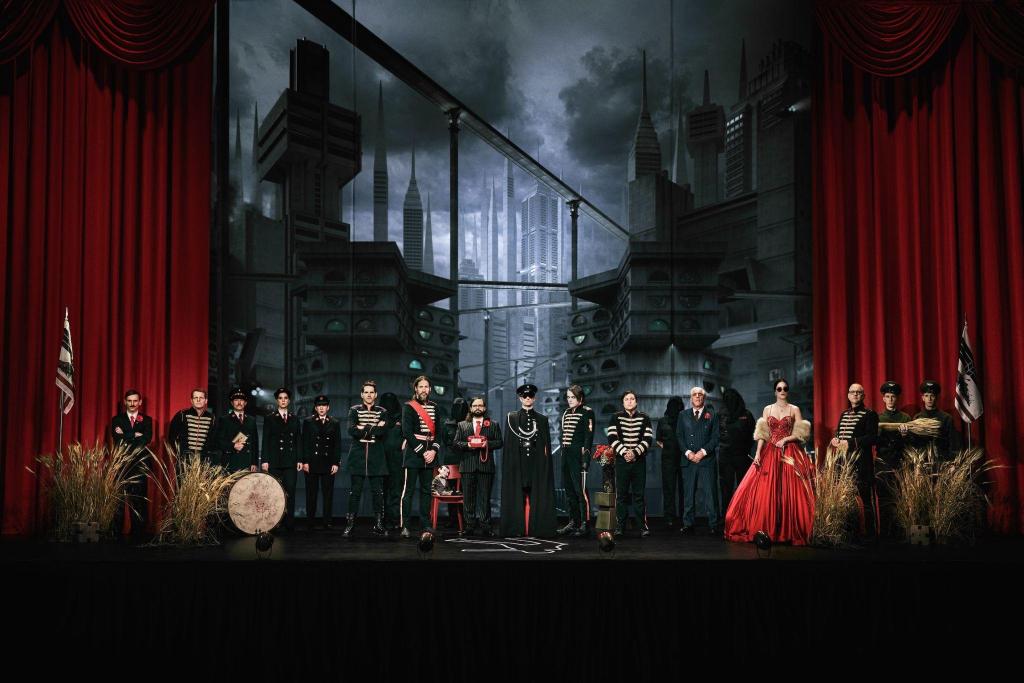
Alongside these nationally famed and idolized bands, there was still a strong scene that was more in line with the roots of the emo genre. Bands in the indie and hardcore spaces started gaining notoriety; such as At the Drive In and Death Cab for Cutie. While they may not have been as in everyone’s face as emo-pop was, there was a strong fanbase behind them. Their sound was a bit more reminiscent of their second wave predecessors than their emo-pop counterparts.
The third wave was nostalgic for much of Gen Z, and just as quickly as it appeared early on in the decade, it dissipated around 2008.
Fourth Wave Emo
In the 2010’s, emo took a turn back towards the bands like American Football and Cap’n Jazz, rejecting what the new definition of emo that had come through the aforementioned commercial bands. This is dubbed the “emo revival.”
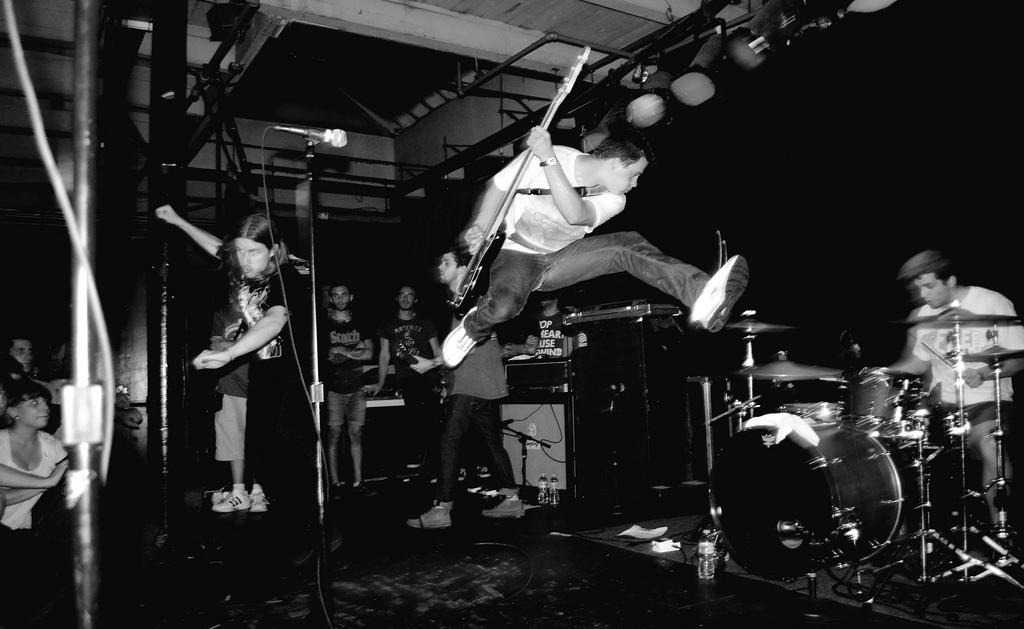
In the second wave, the preface of “Midwest” was almost entirely a geographic indicator. In the 2010’s, the genre became known more as a sound rather than a region. That Midwest sound spread to the coasts, with bands like Joyce Manor coming from the west coast and The Hotelier and Modern Baseball from the east. They adopted the same common tropes laid out by their predecessors. We still saw this sound coming from landlocked regions though, as both Tigers Jaw and Title Fight came out of Scranton, PA during the 2010’s.
The bands of the Midwest revival era took secondary influence from pop punk, math rock, post-rock, and indie. Common themes across the board still remained unified; suburban life, friendships, drugs, alcohol, and failed relationships. This is also where I truly noticed the stereotype of ridiculous and strung out song titles starting to be used, such as Pet Symmetry’s “Please Don’t Tell My Father That I Used His 1996 Honda Accord To Destroy The Town Of Willow Grove Pennsylvania In 2002.”
On the other side of the genre, emo rap was seeing a major increase in popularity. Many fans of emo in the third wave shifted towards this genre, as it was a continuation of that riff of popular culture. In the way rock was at the center of music in the 2000’s, hip hop and rap took the stage throughout the 2010’s – the popularization of emo and punk rock shifted into emo hip hop and rap.
Fifth Wave Emo
Now, whether or not we are still in the fourth wave or have moved onto a fifth is up for debate. With the speed trends move at, I think it’s safe to say the sound of the genre has evolved enough to constitute a fifth wave. Some time in the late-2010’s to the early-2020’s, there was a slight shift in the genre.
While it isn’t as copycat to the 90’s as the fourth wave, it still takes major inspiration. The most notable difference many online will point out is the adoption of updated technologies, such as synths and drum machines. The evolution of sound from Modern Baseball to Slaughter Beach, Dog serves as evidence of this shift in sound.
Overall, things became more experimental. Your Arms Are My Coccoon, Thoughts on Bowling, Computer, and Origami Angel are some notable bands in the emo space today.
Another medium that has really pushed emo music into the limelight is Tik Tok; where bands that may have only been known locally can be reached at a national, or even international, level. Tik Tok, specifically, has also served as a means of reminiscing on bands from the second and fourth waves, with Title Fight becoming a viral band. This virality has also led some artists to reunite or come back from hiatus, either to release new music or tour old albums; like My Chemical Romance, Bay Faction, or sports.
There is a distinct form of yearning and nostalgia in the fifth wave, whether that is due the sheer accessibility of memories and footage from recent years or another sign of the times. When the sixth wave is to come is up for debate, but until then we remain in the fifth wave.
 Polyvox Magazine