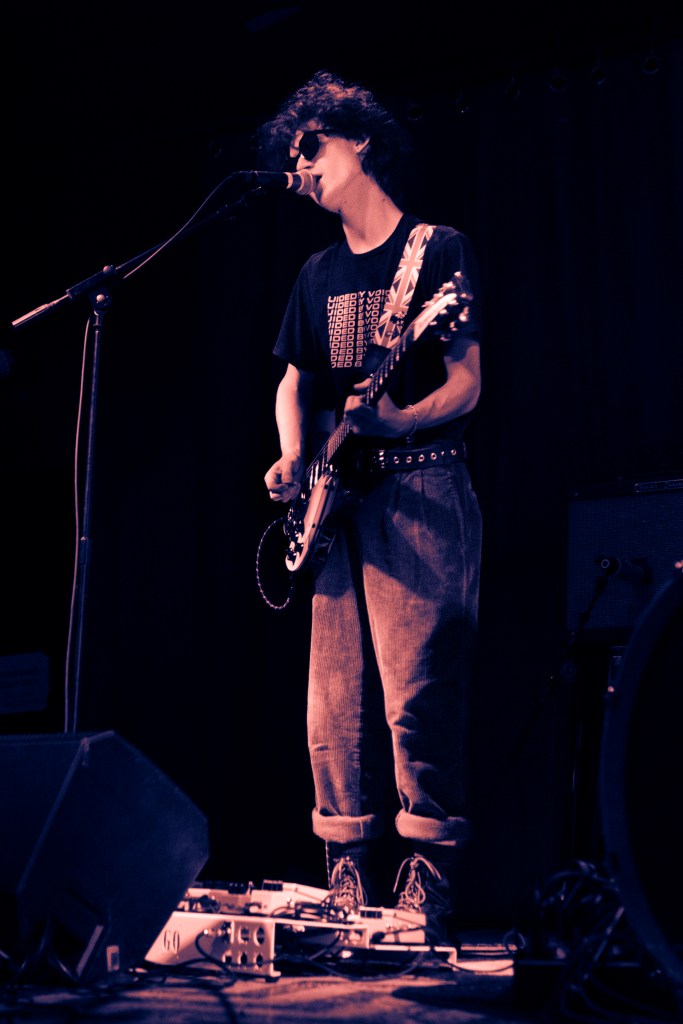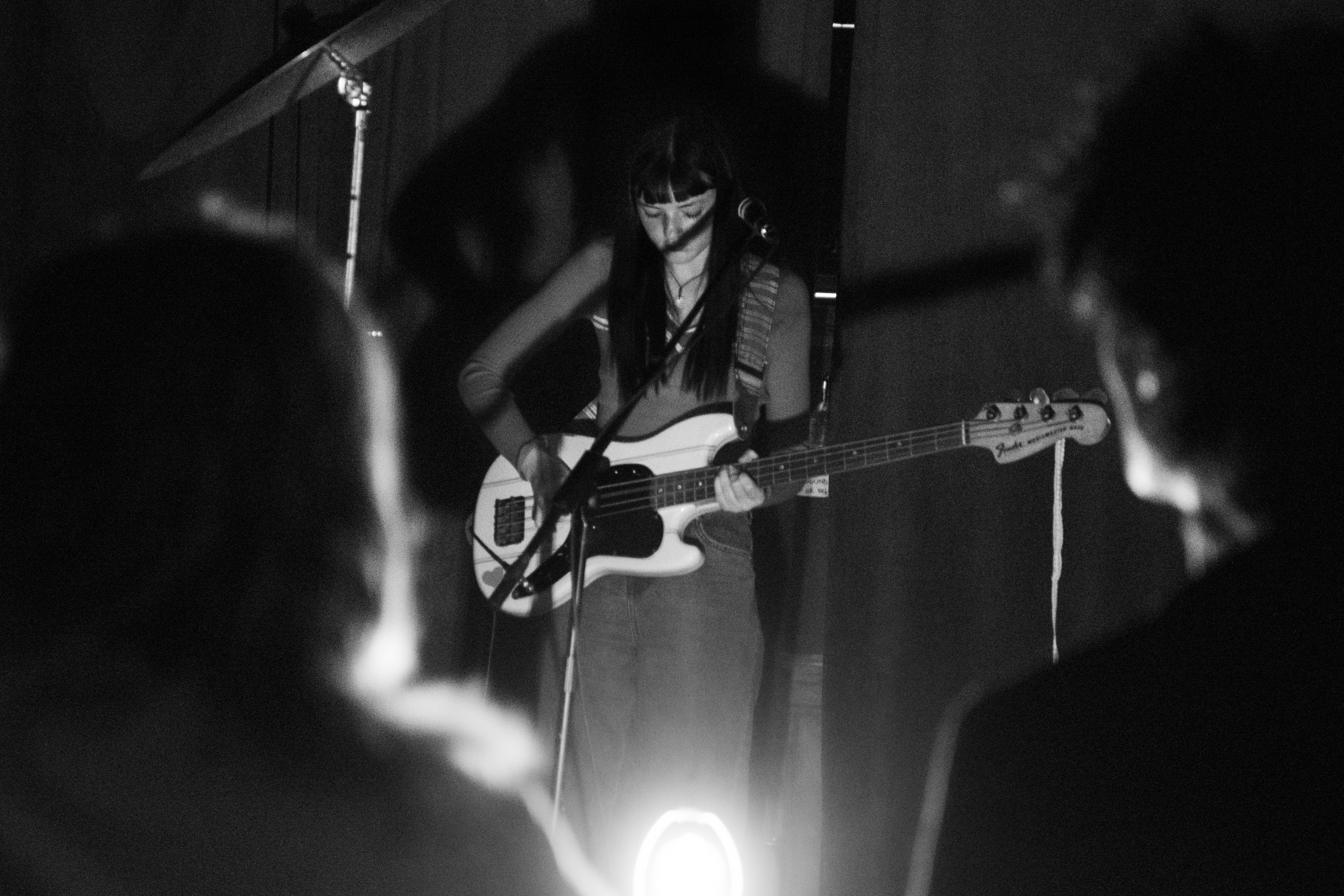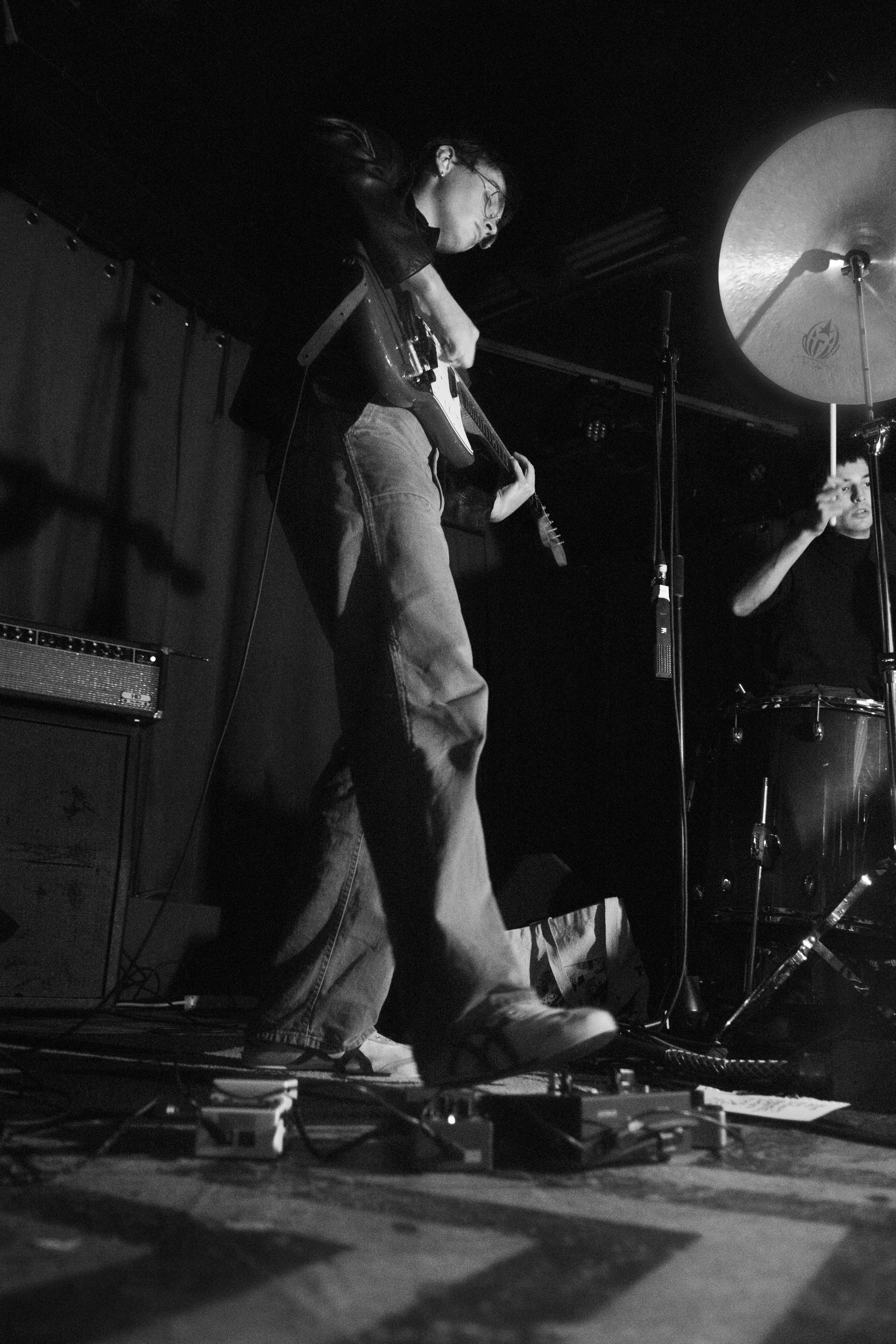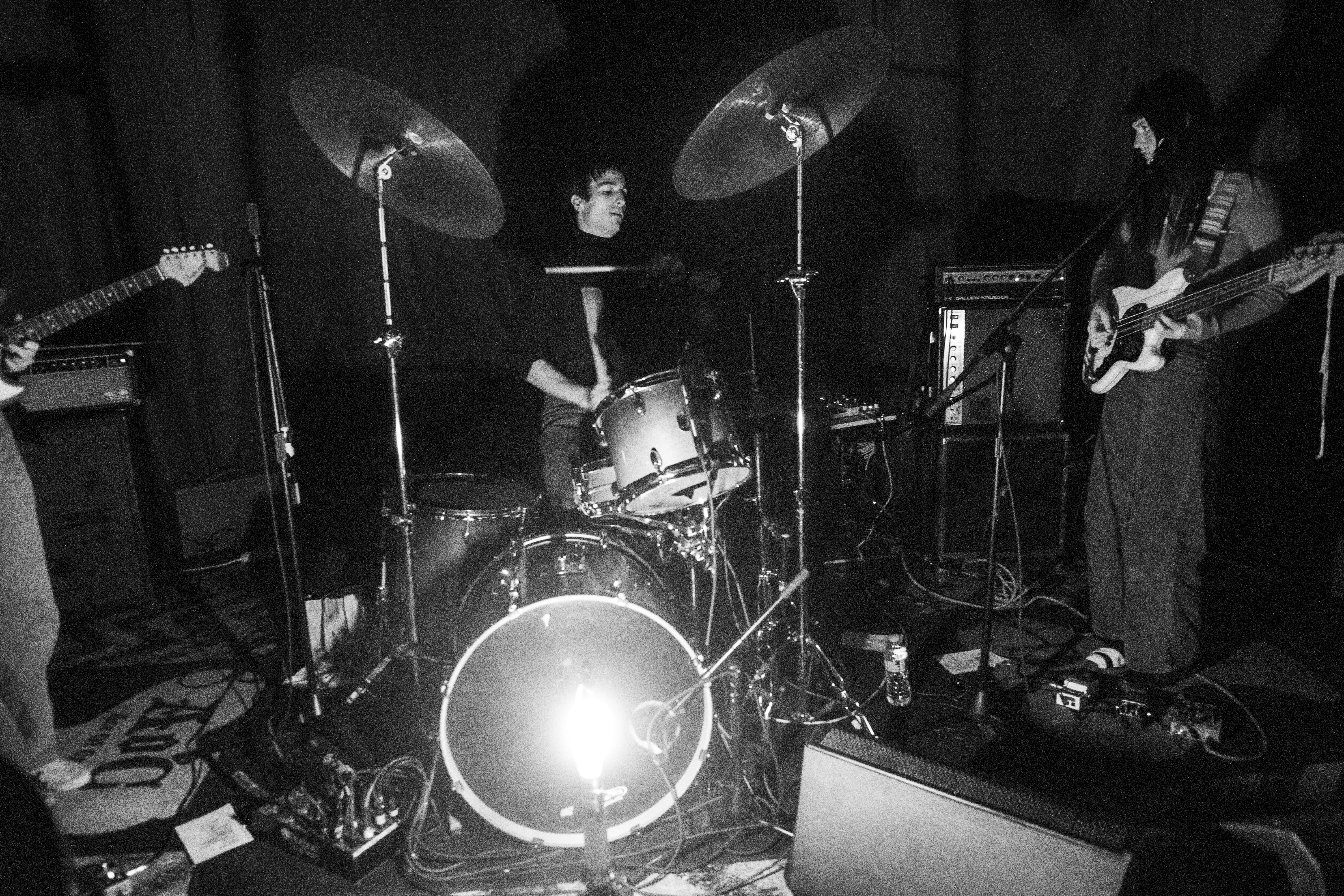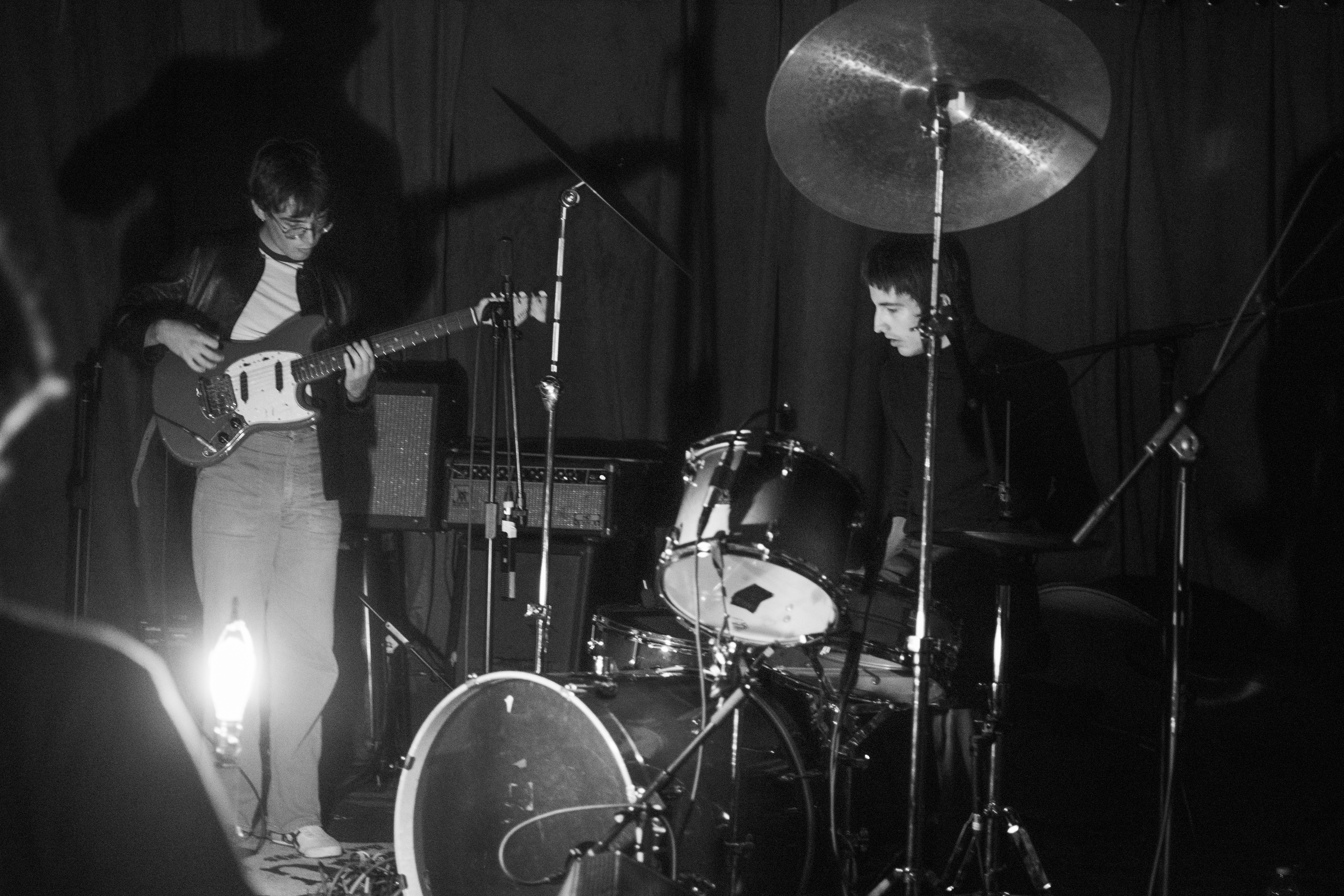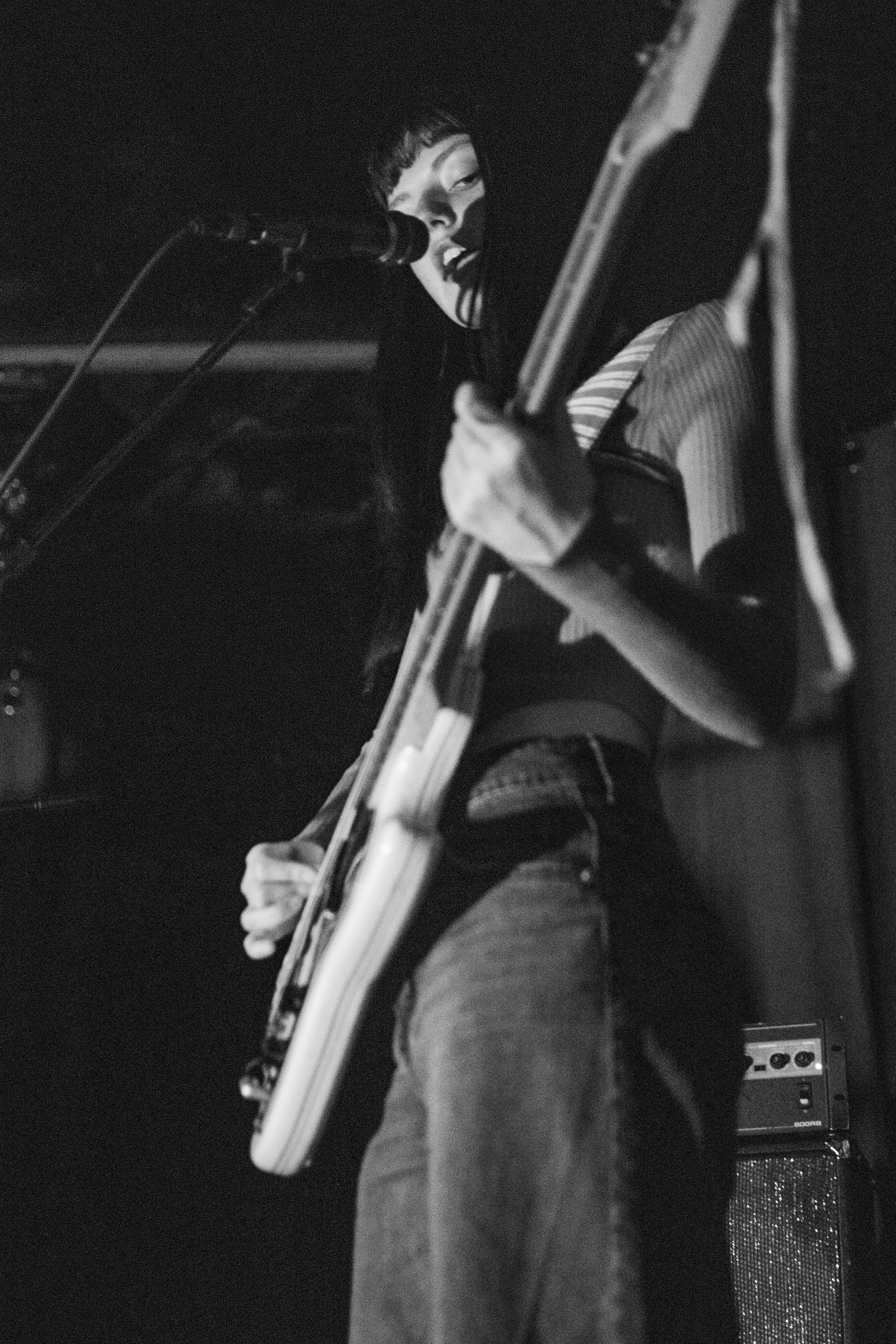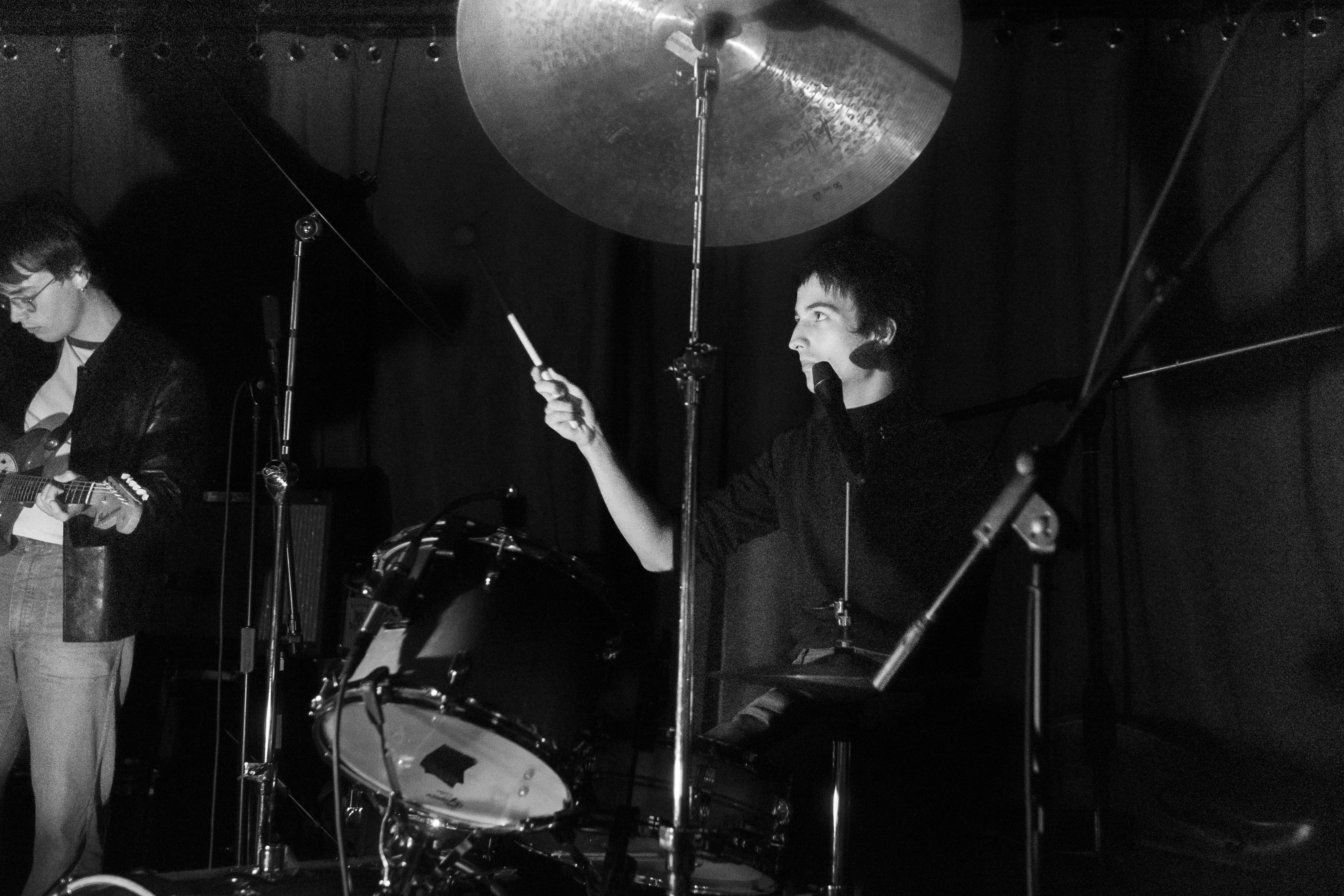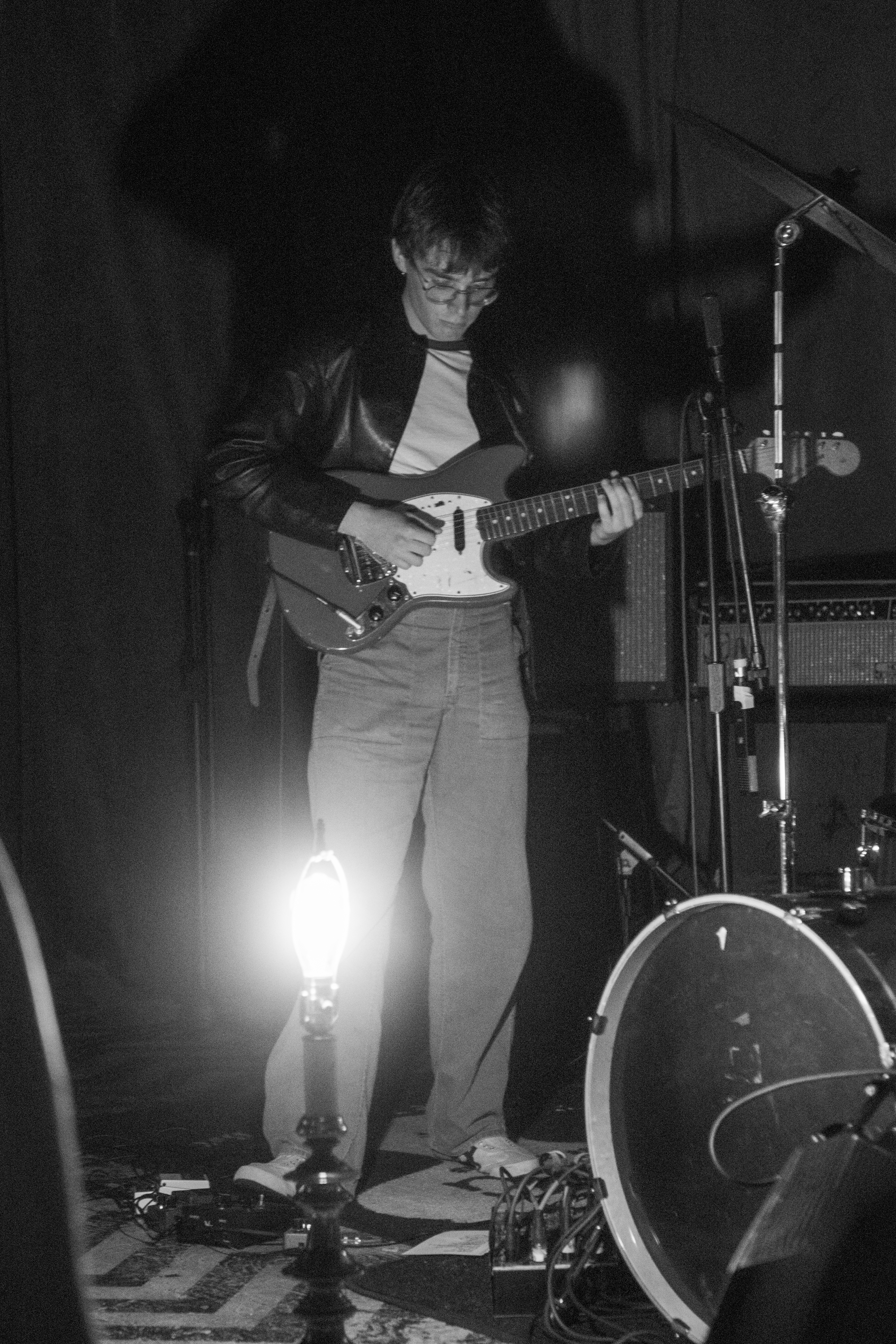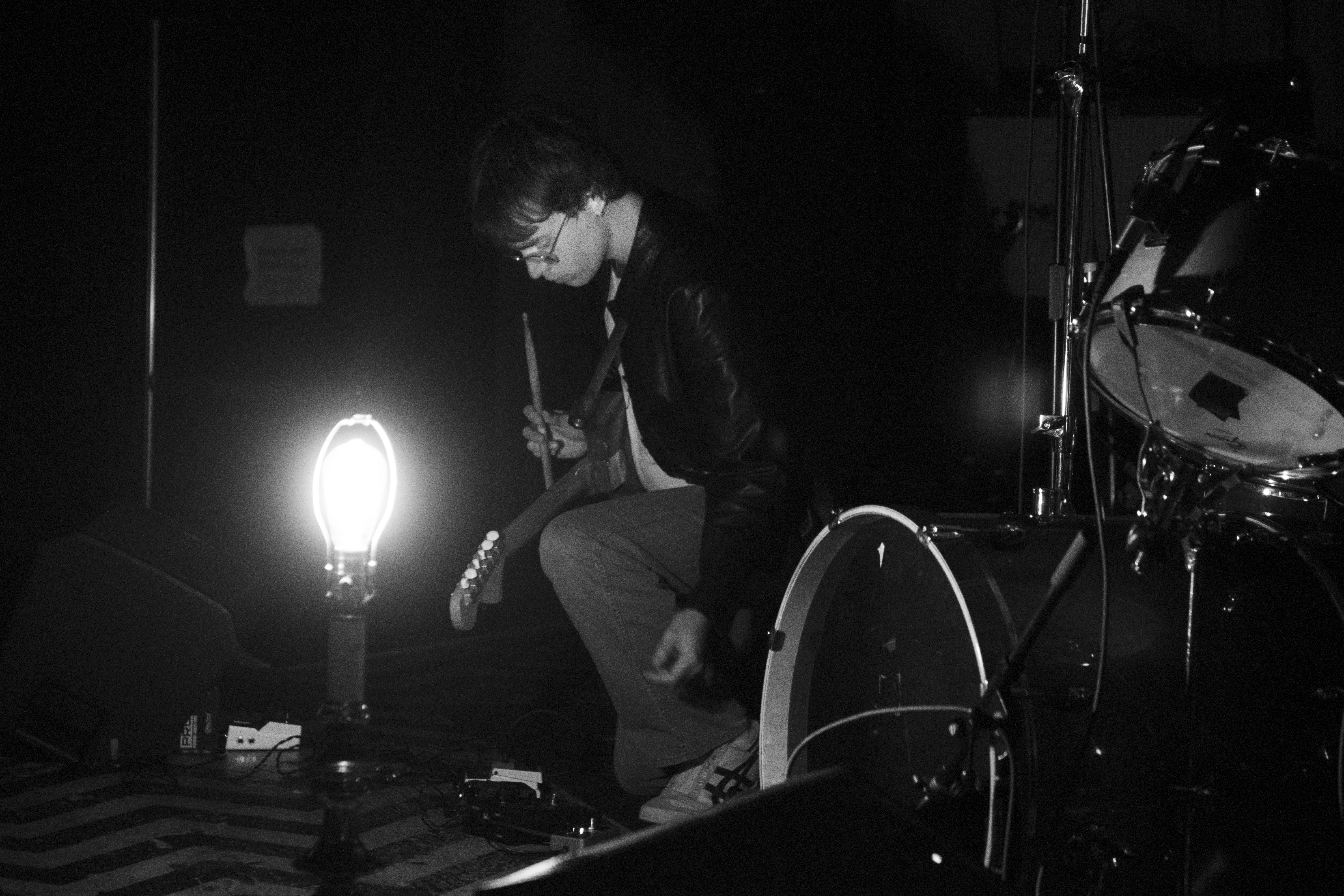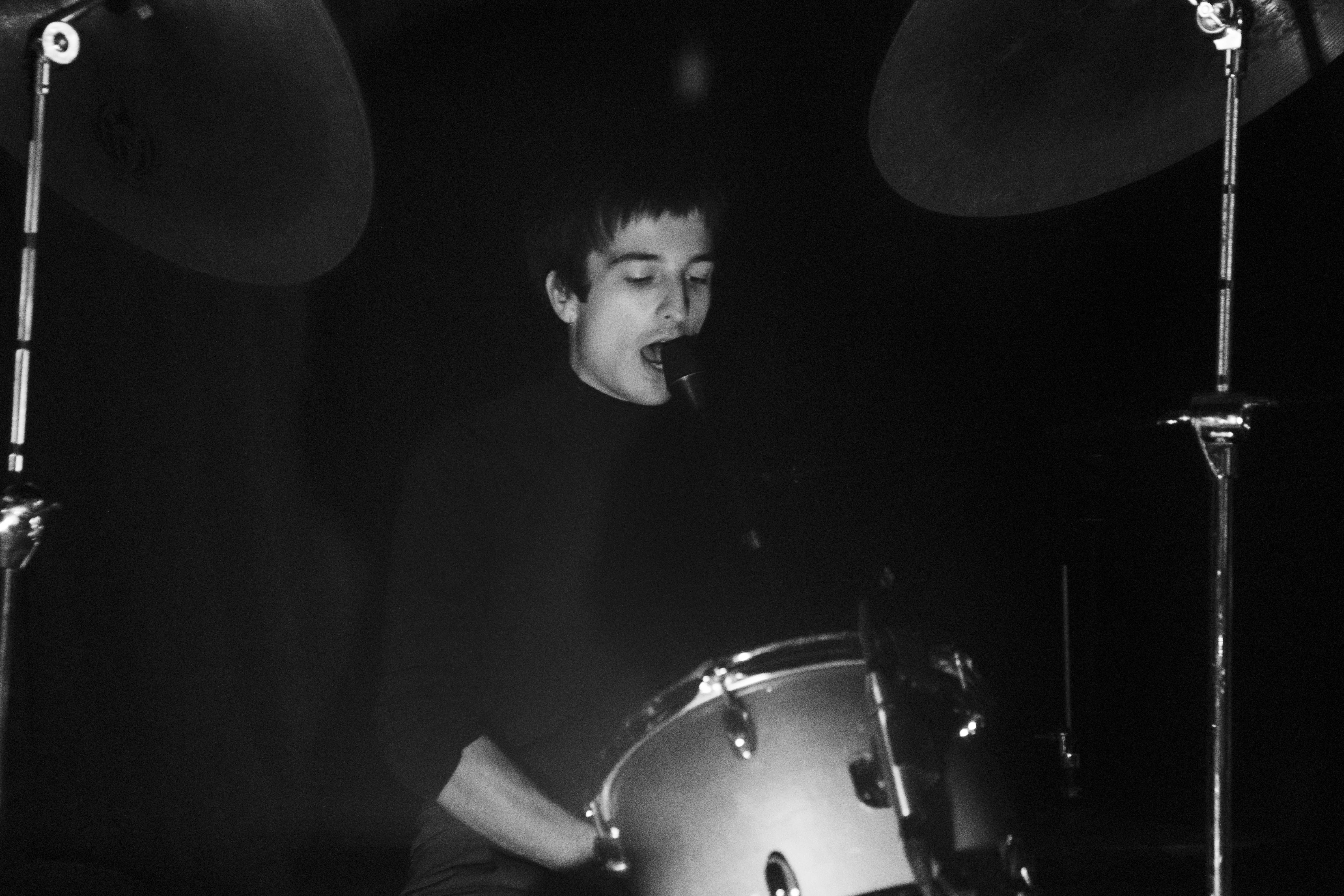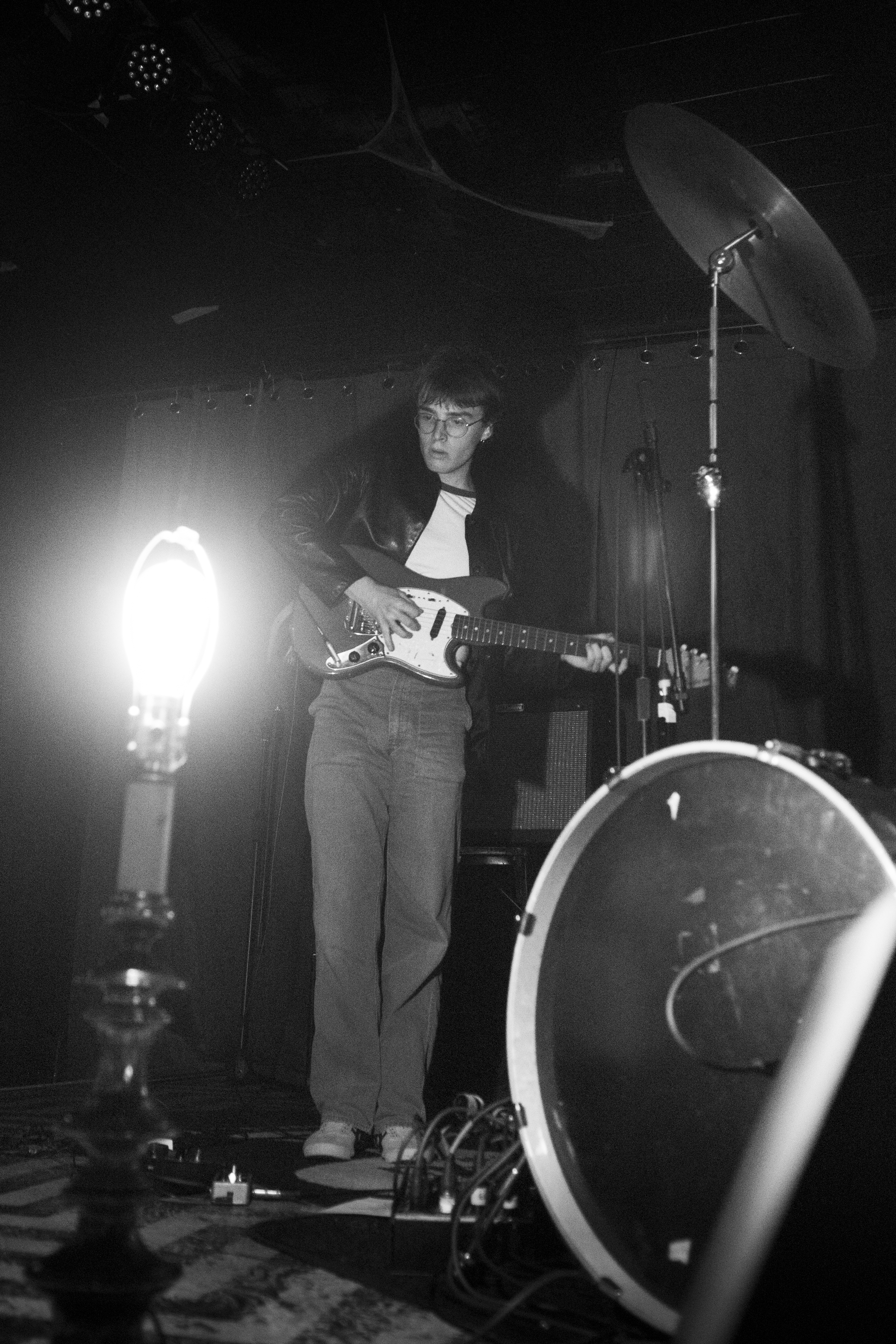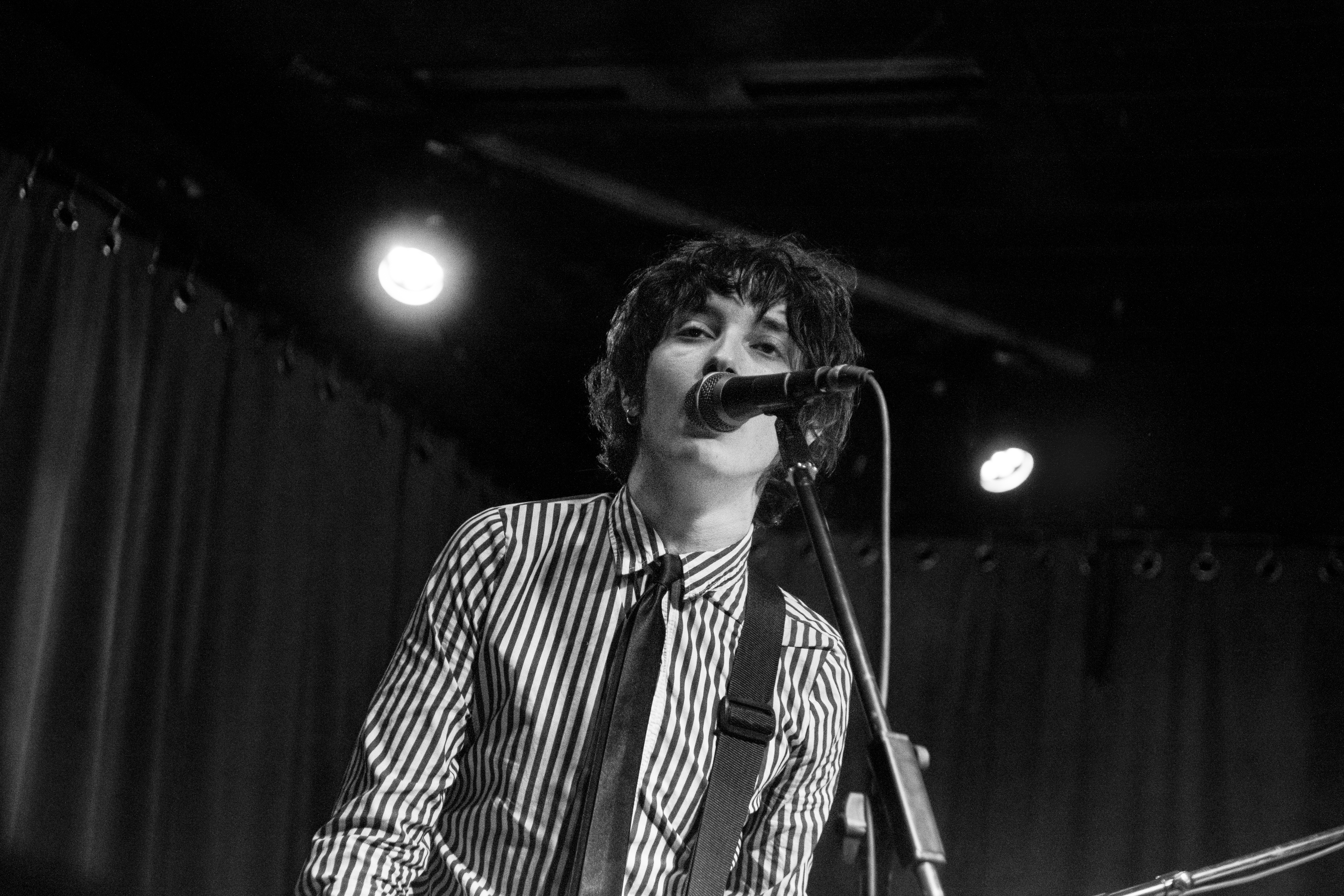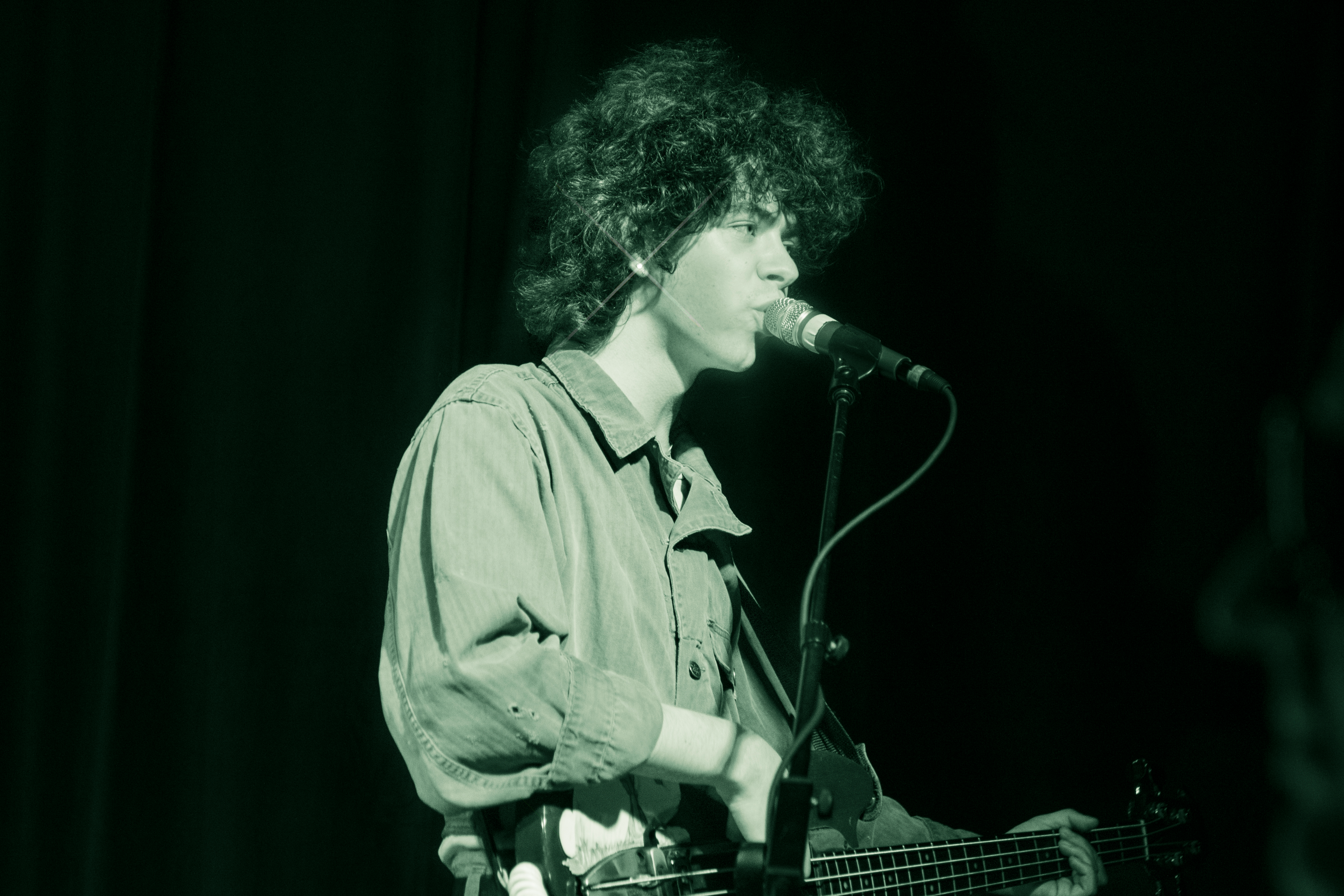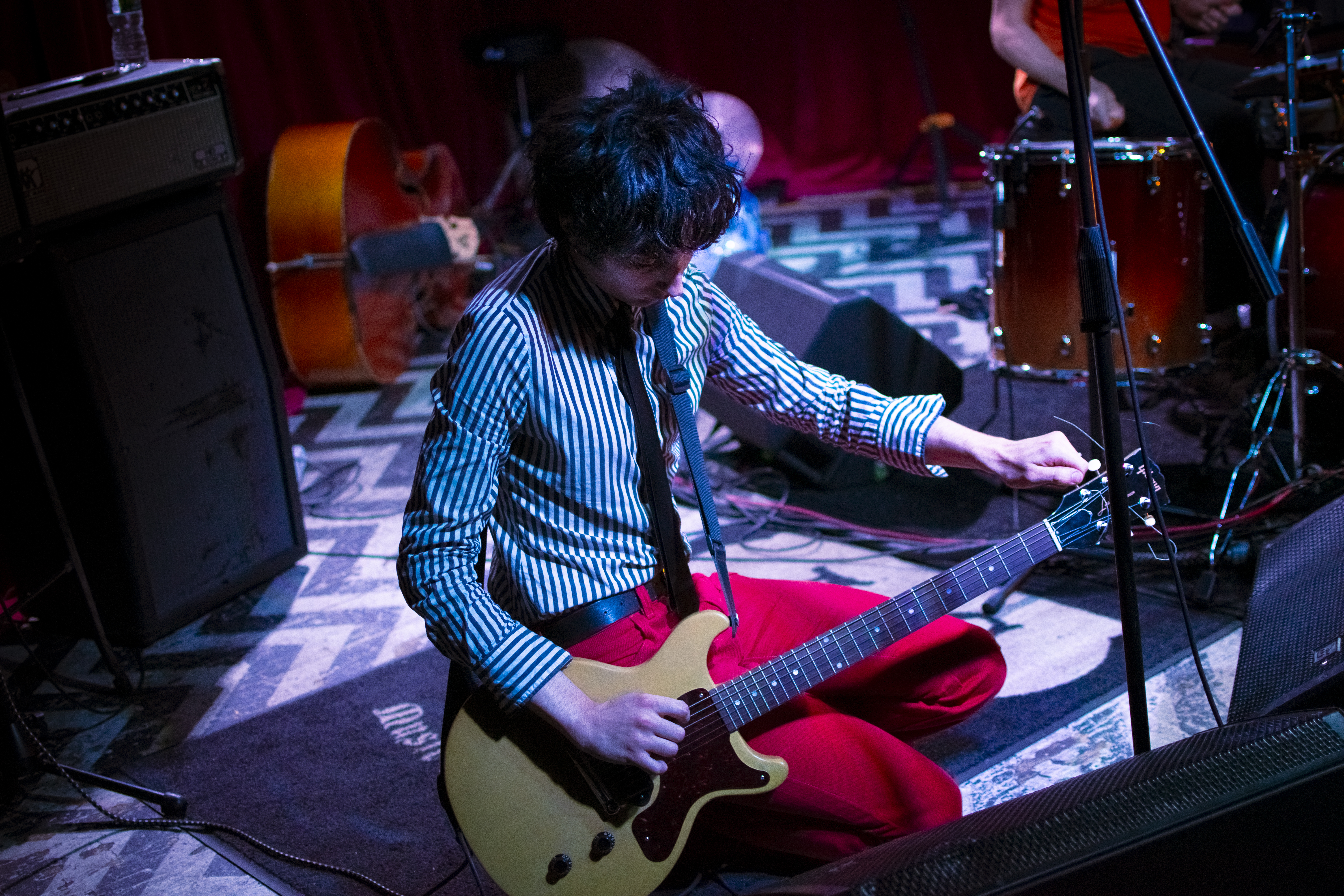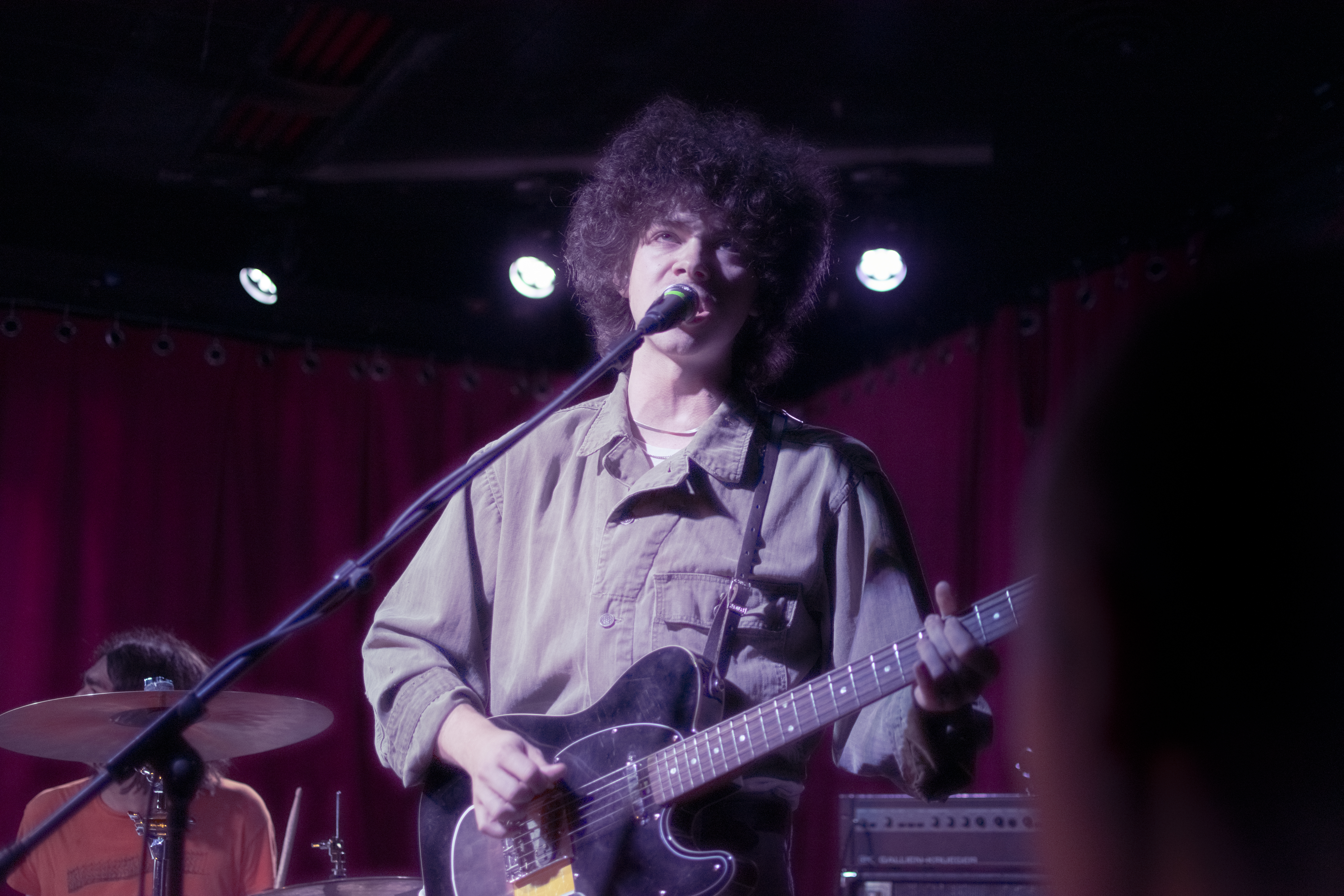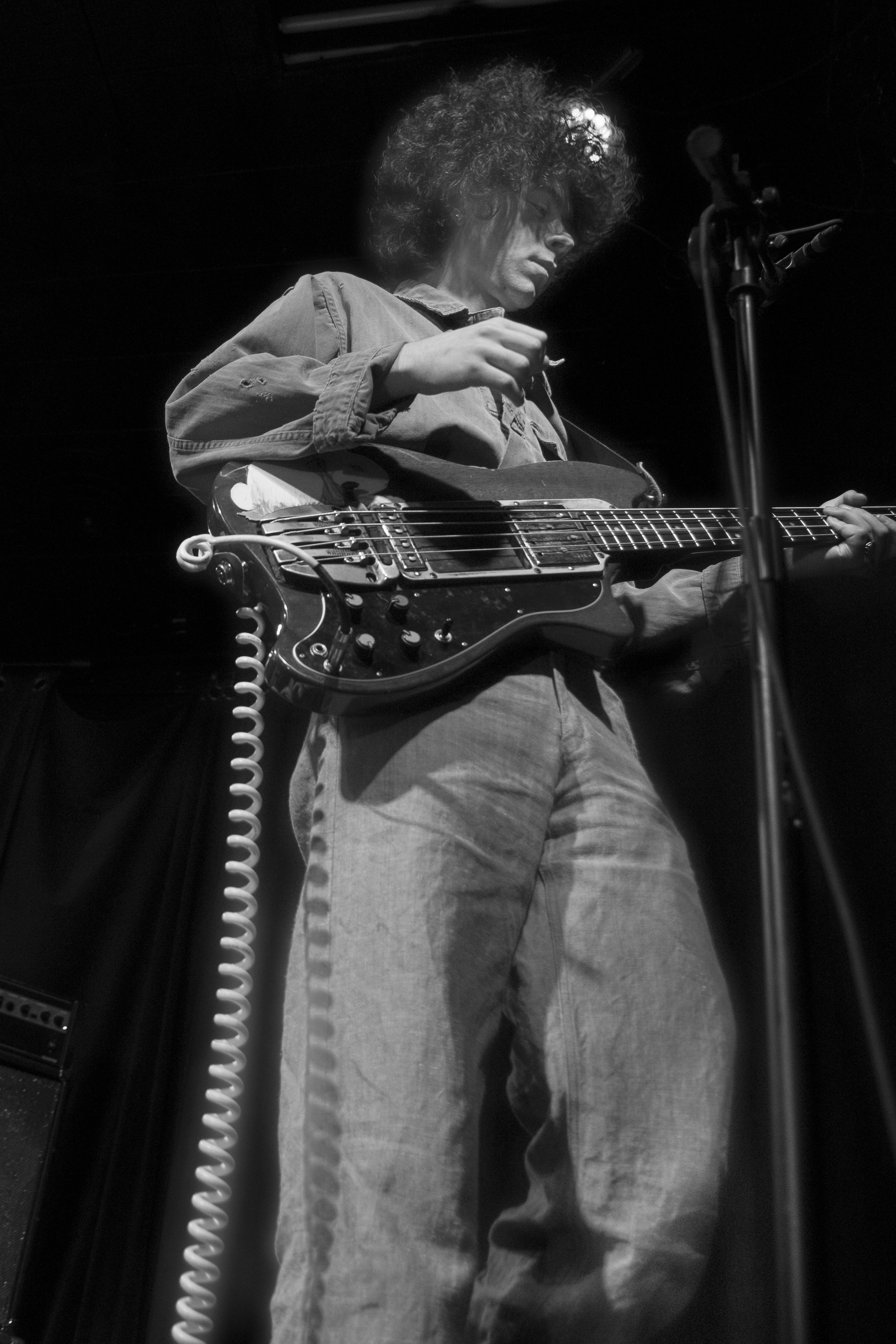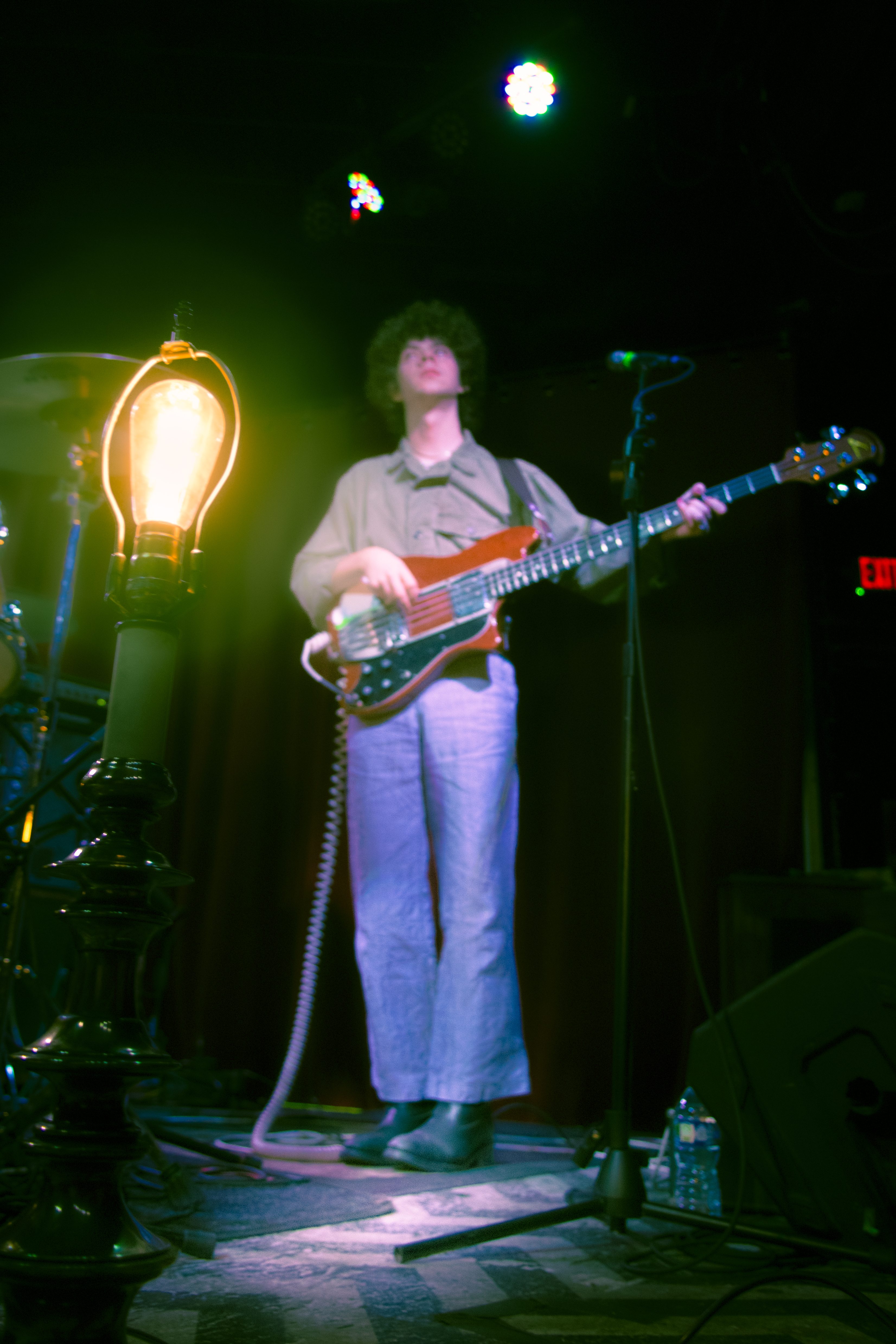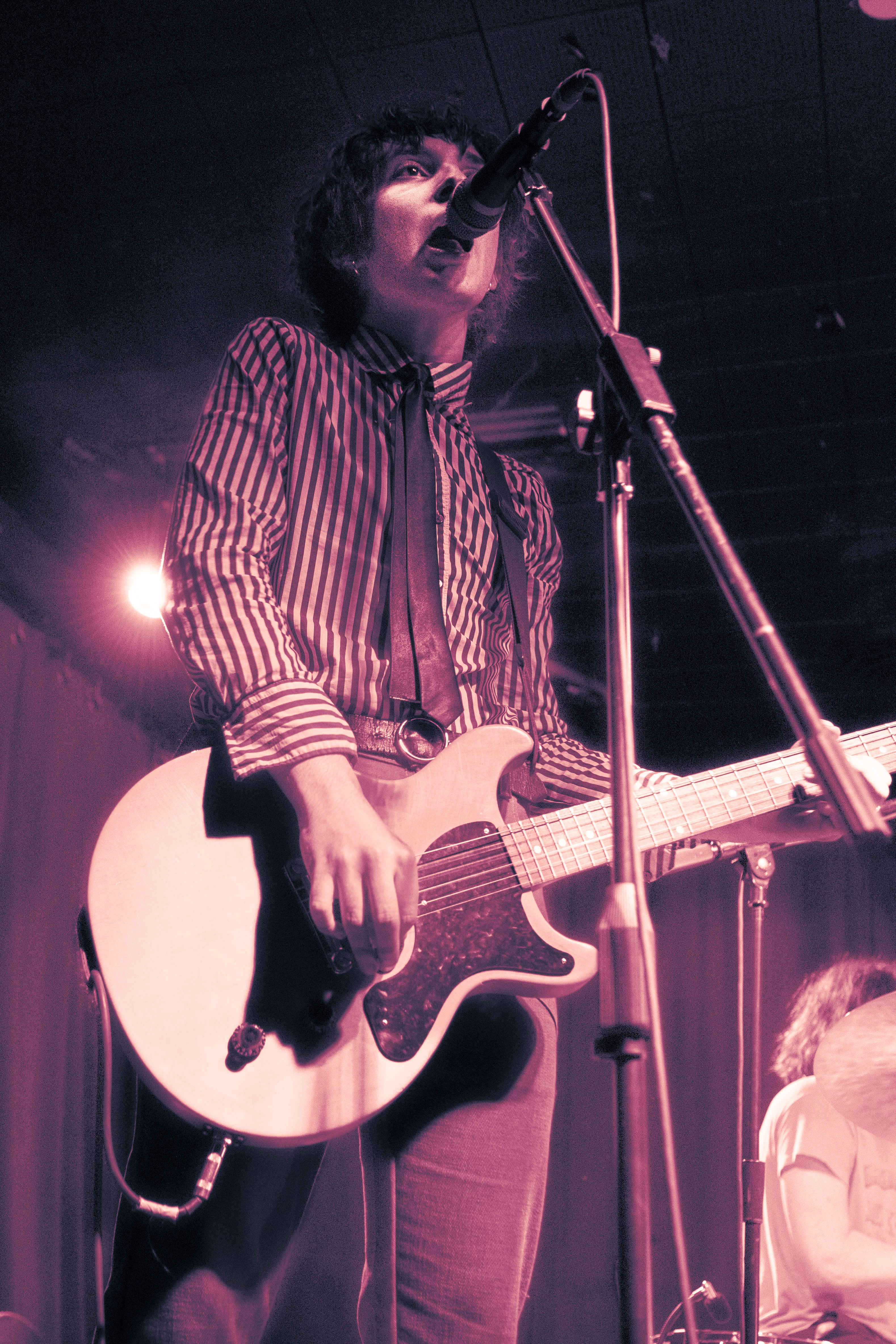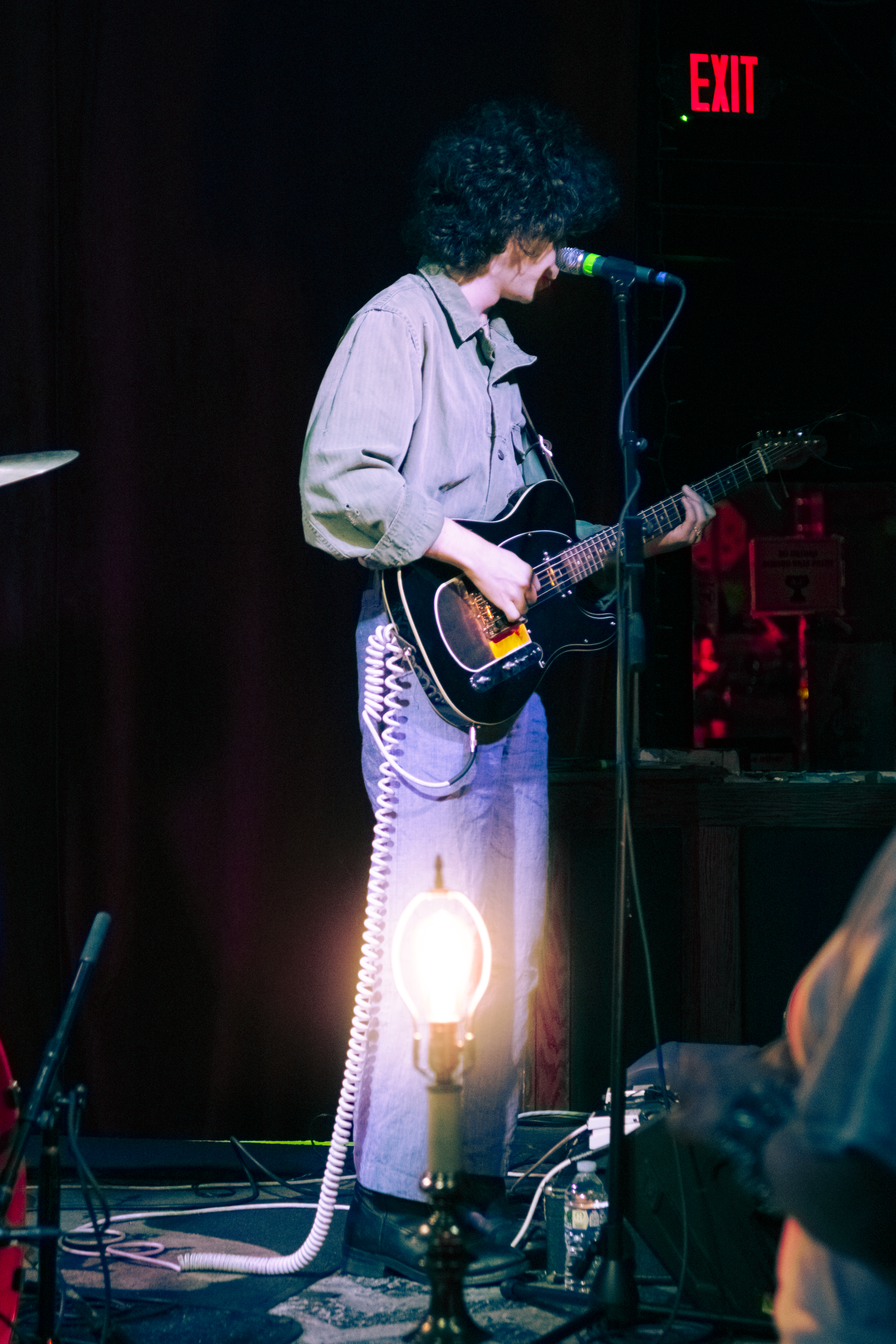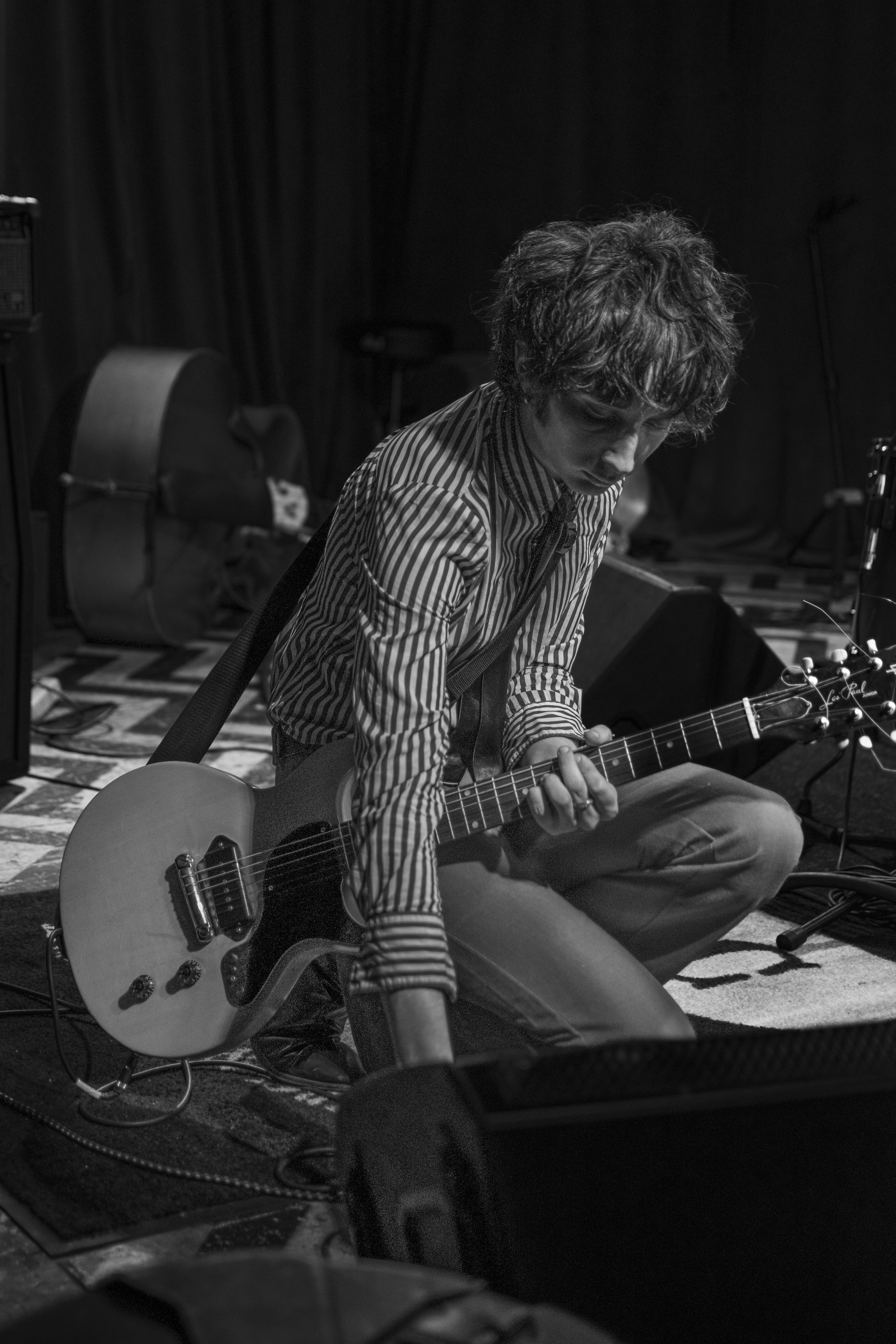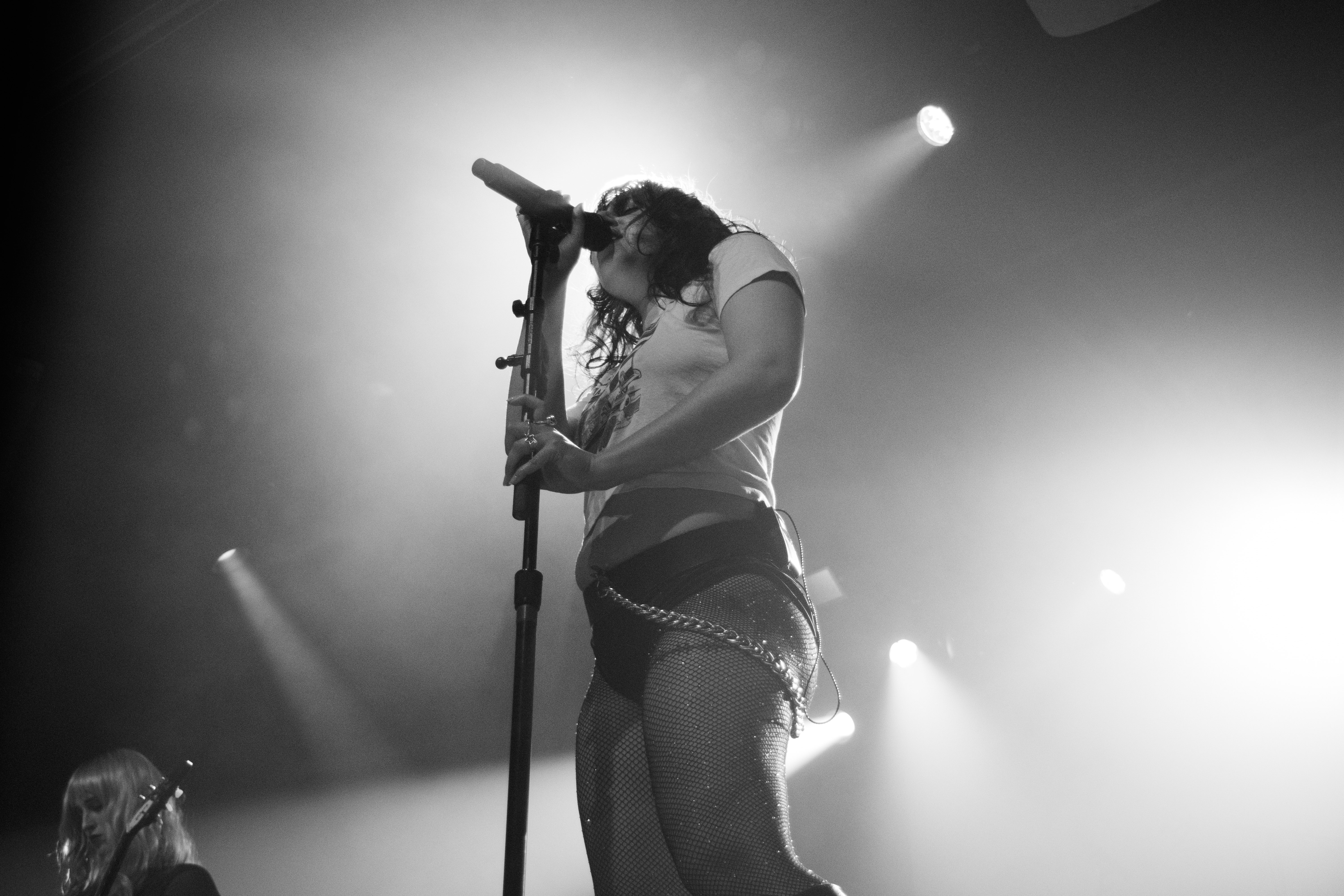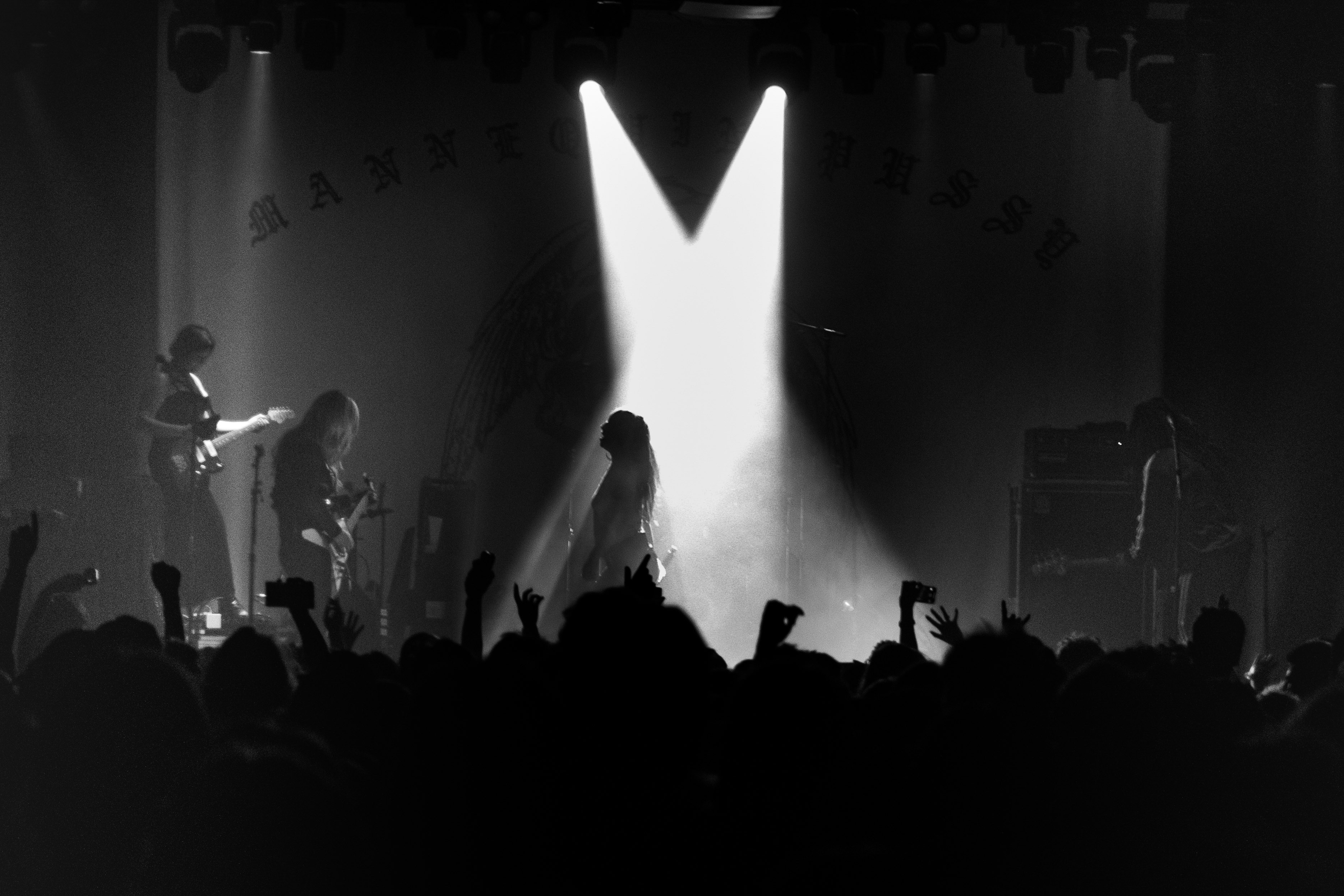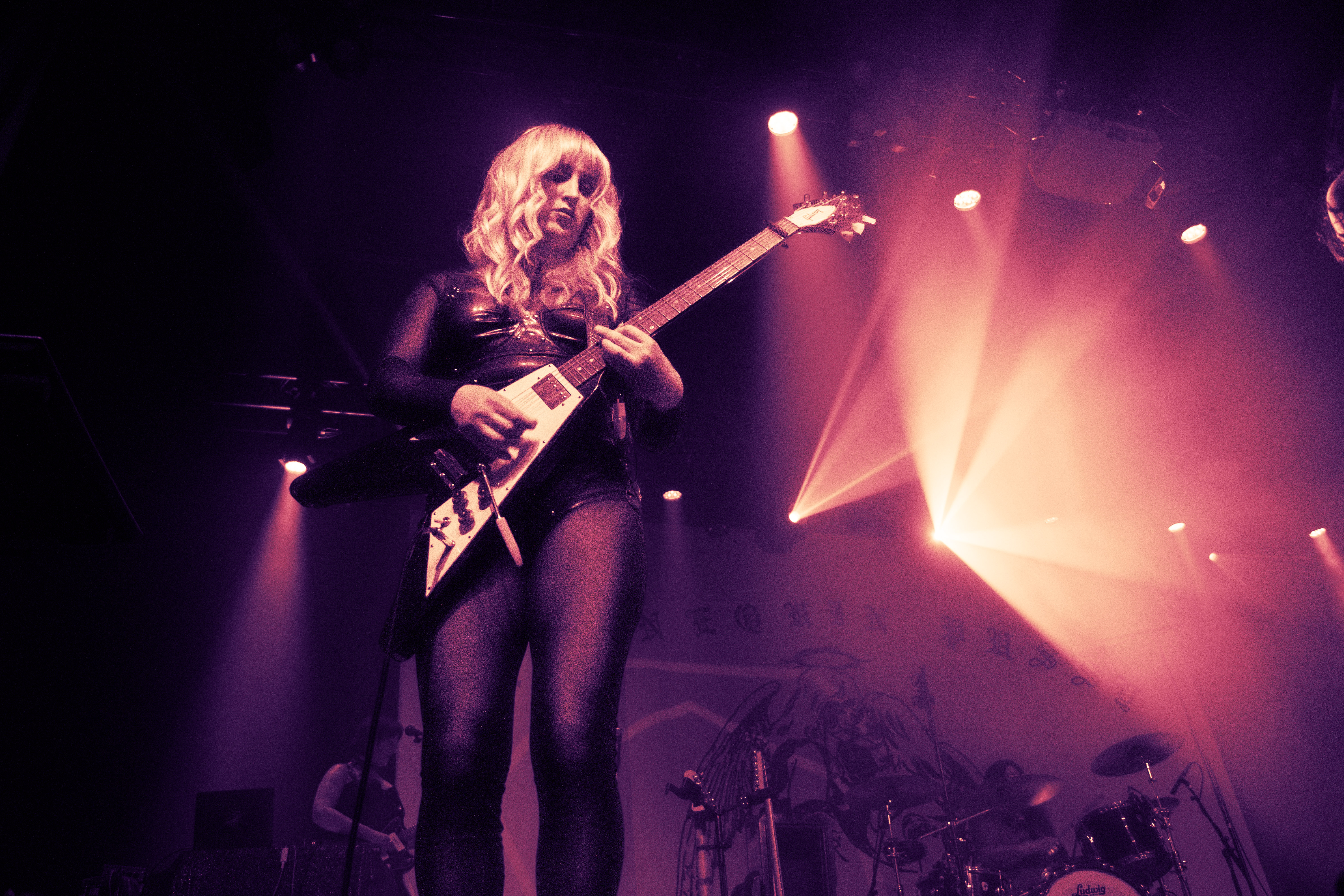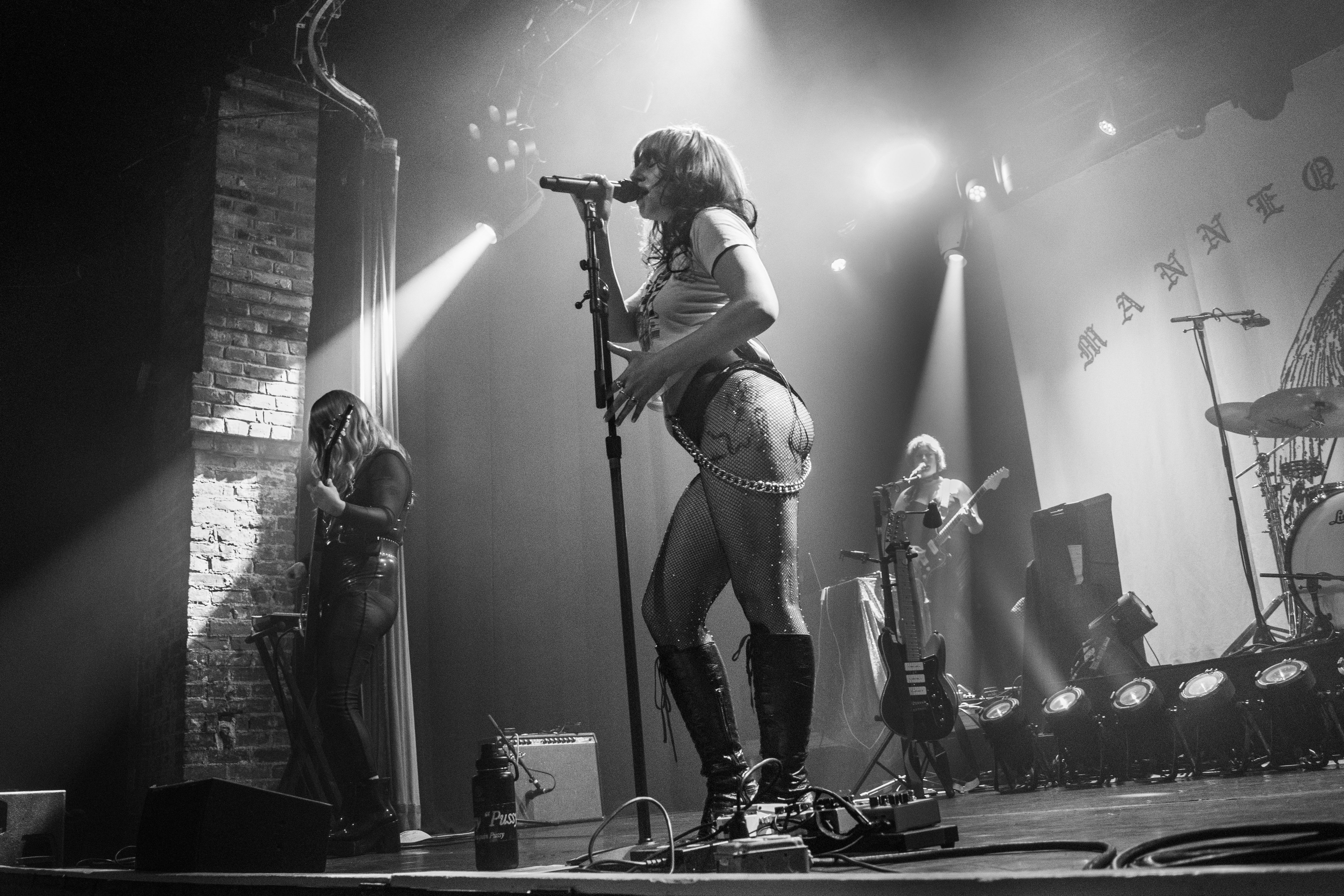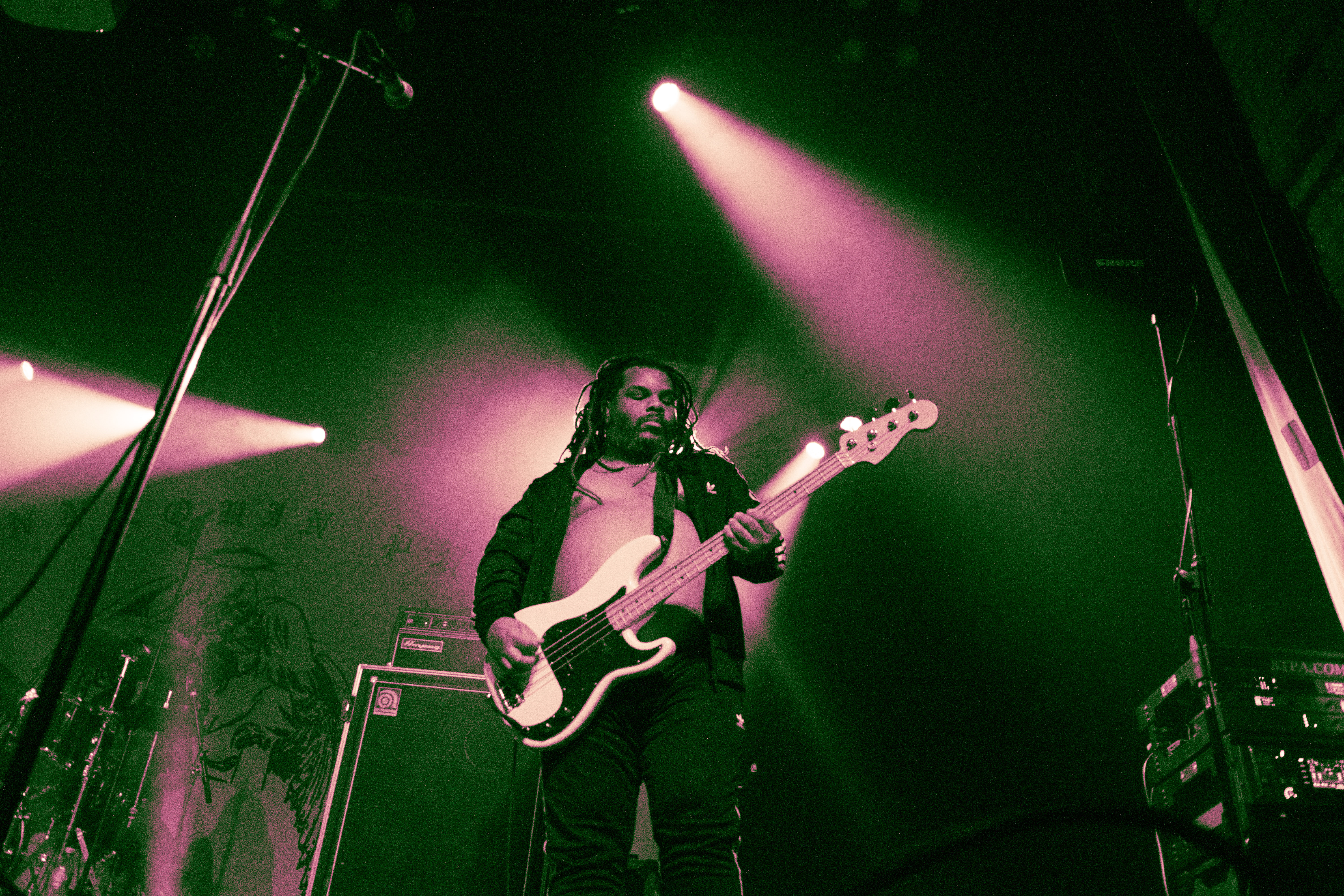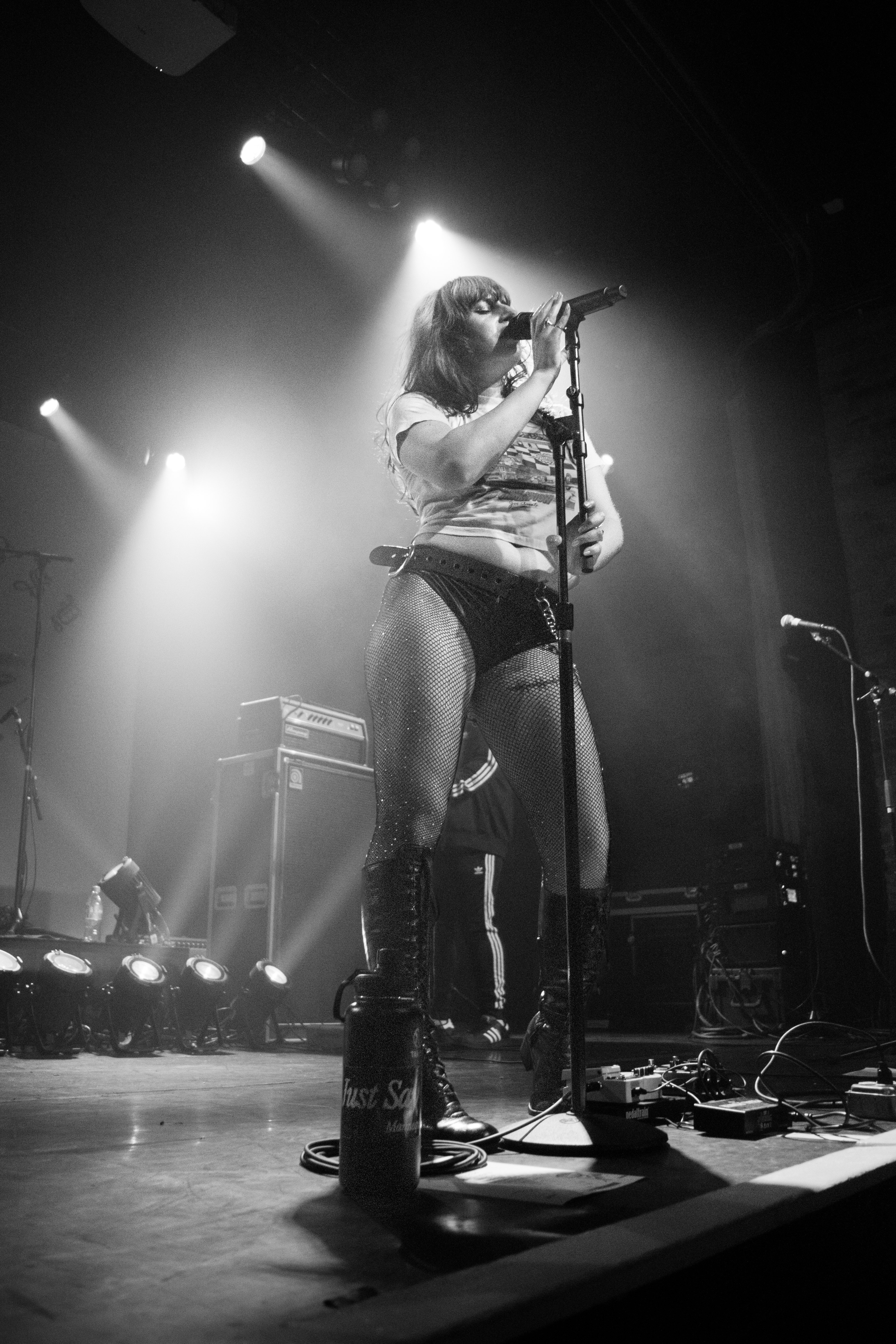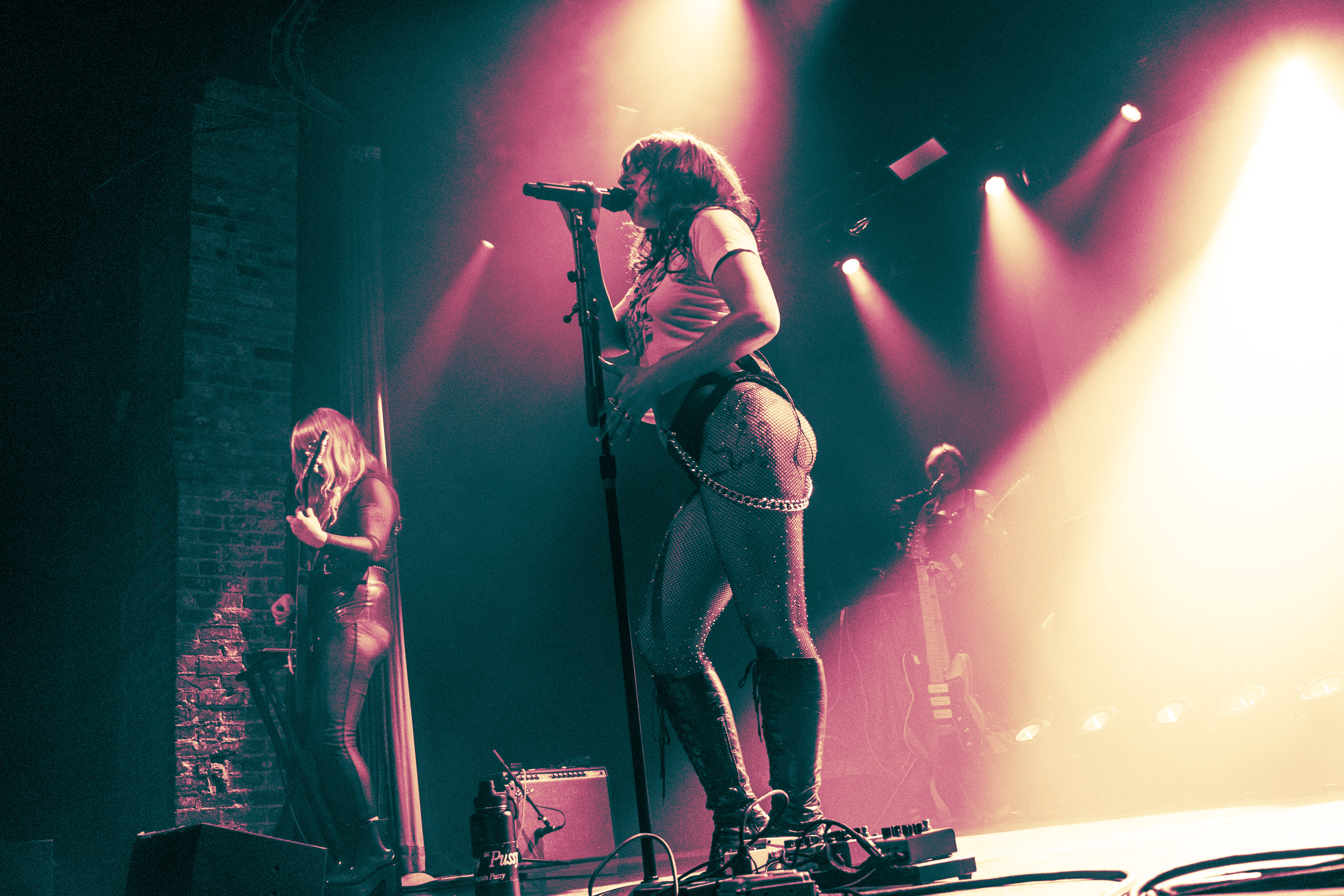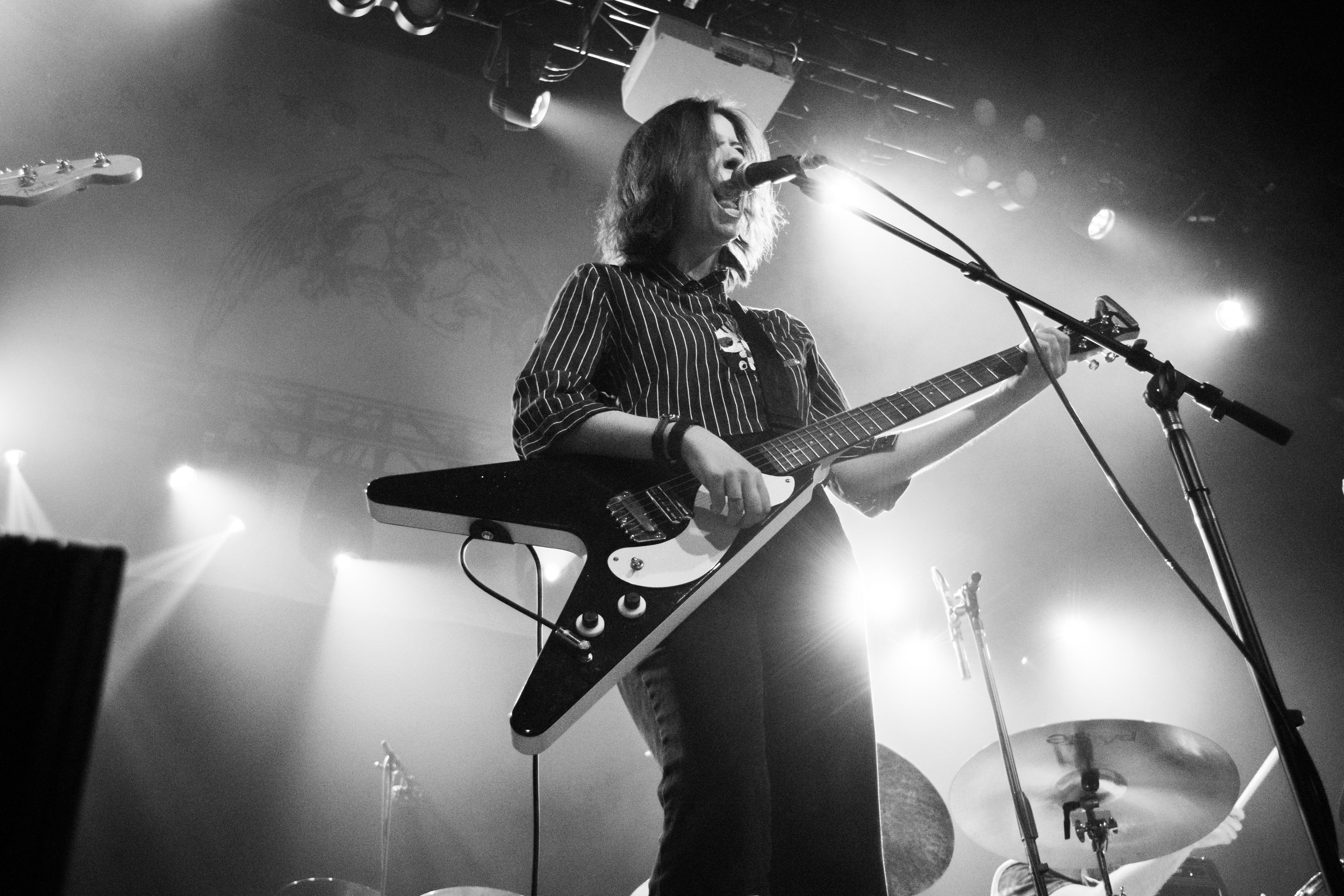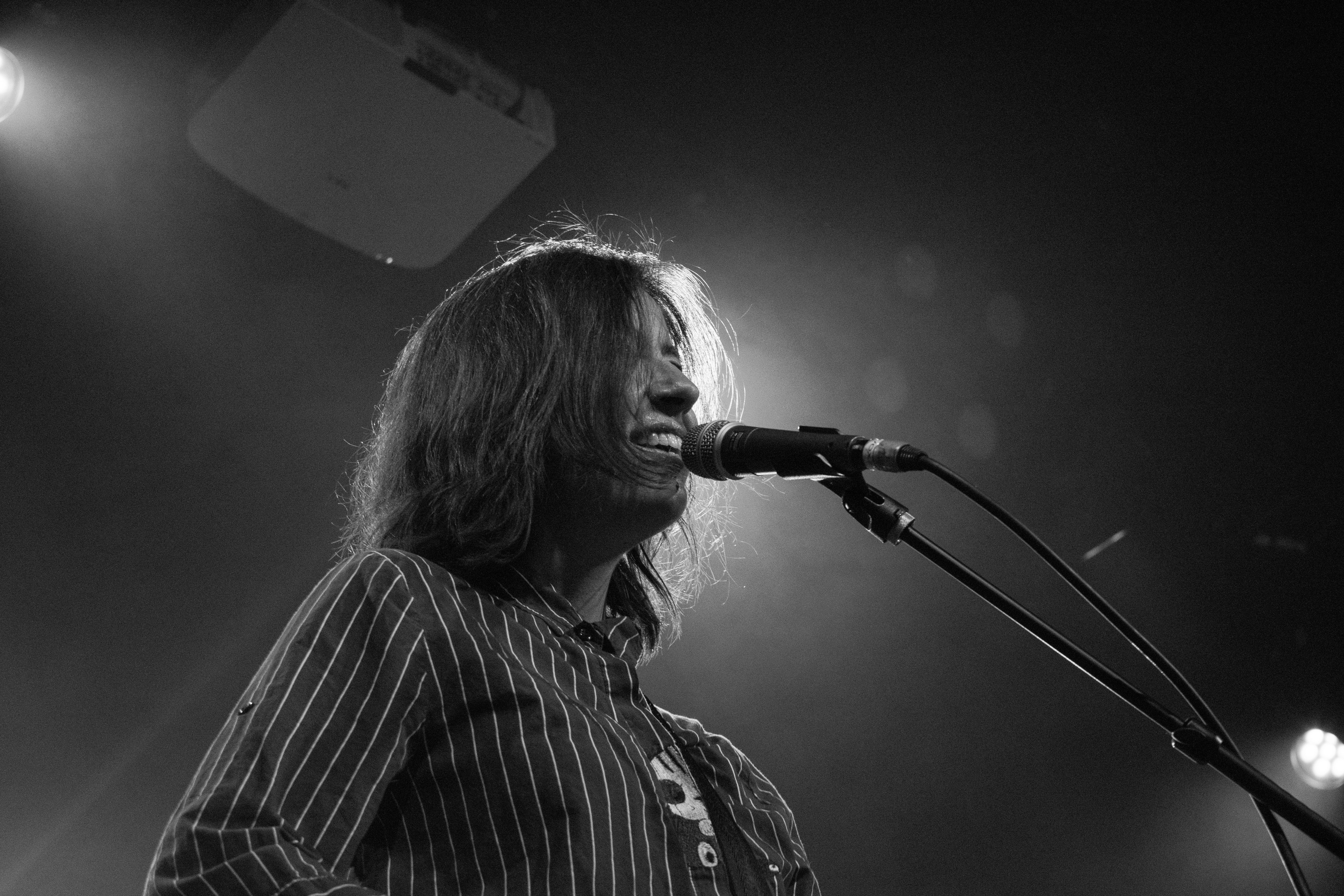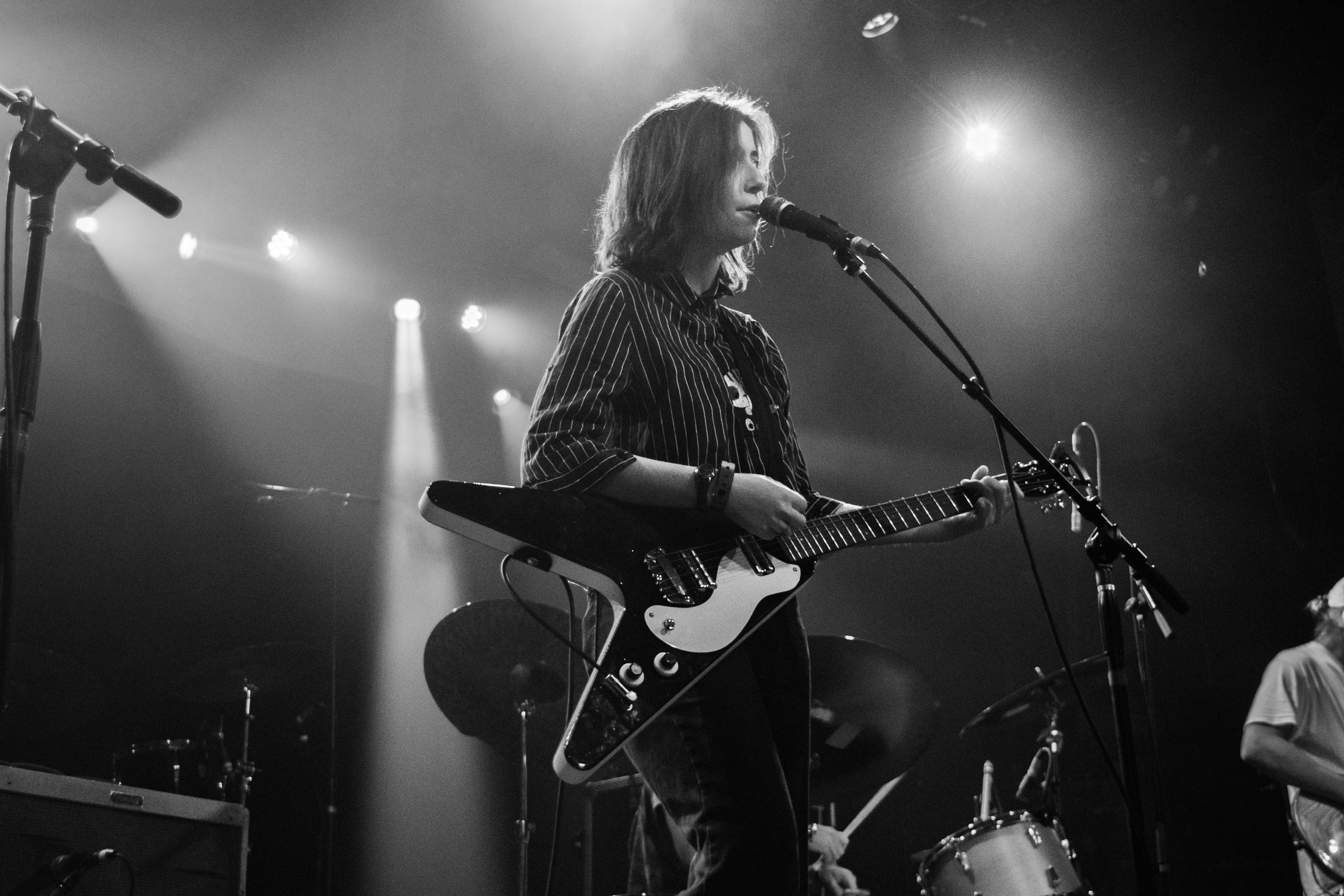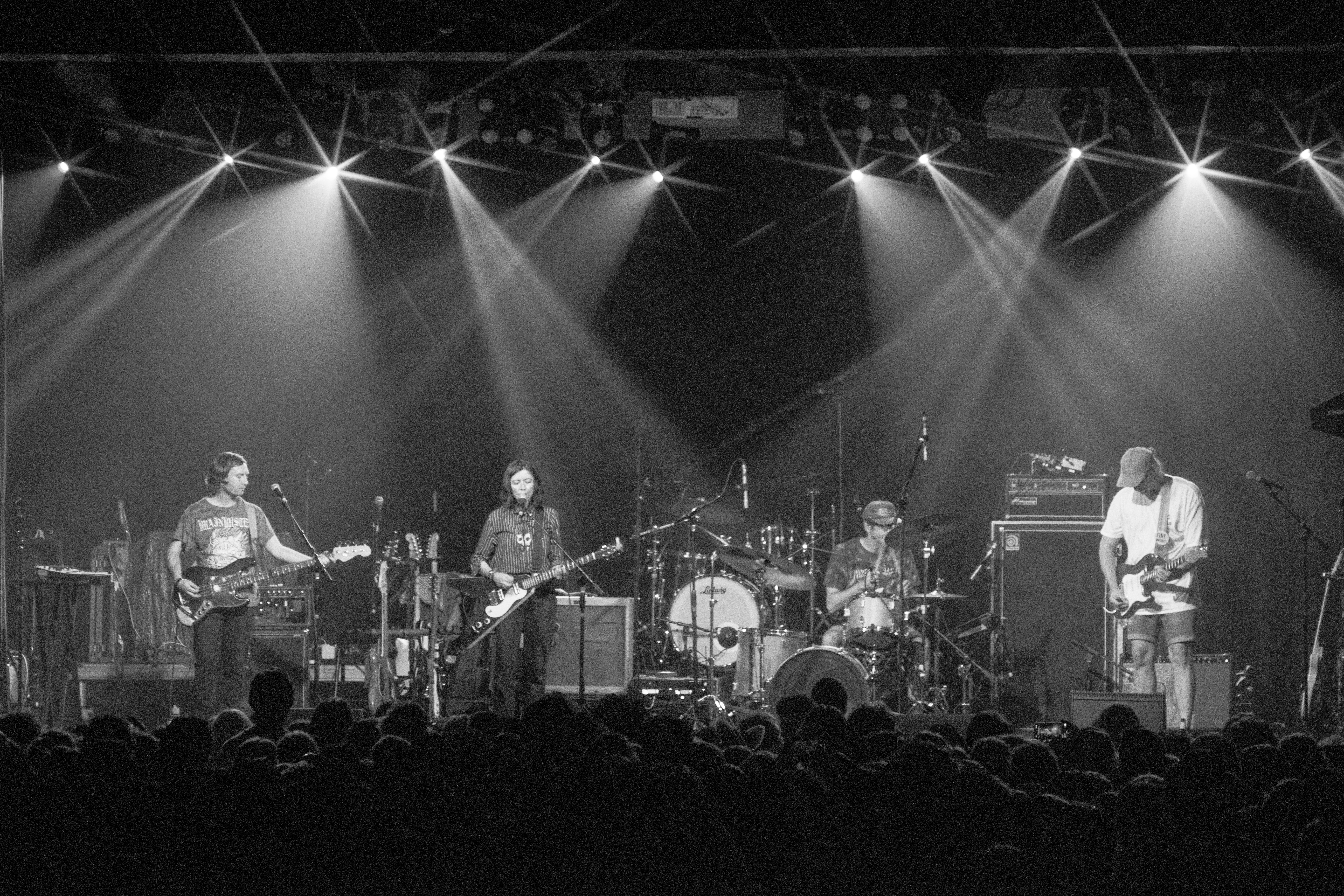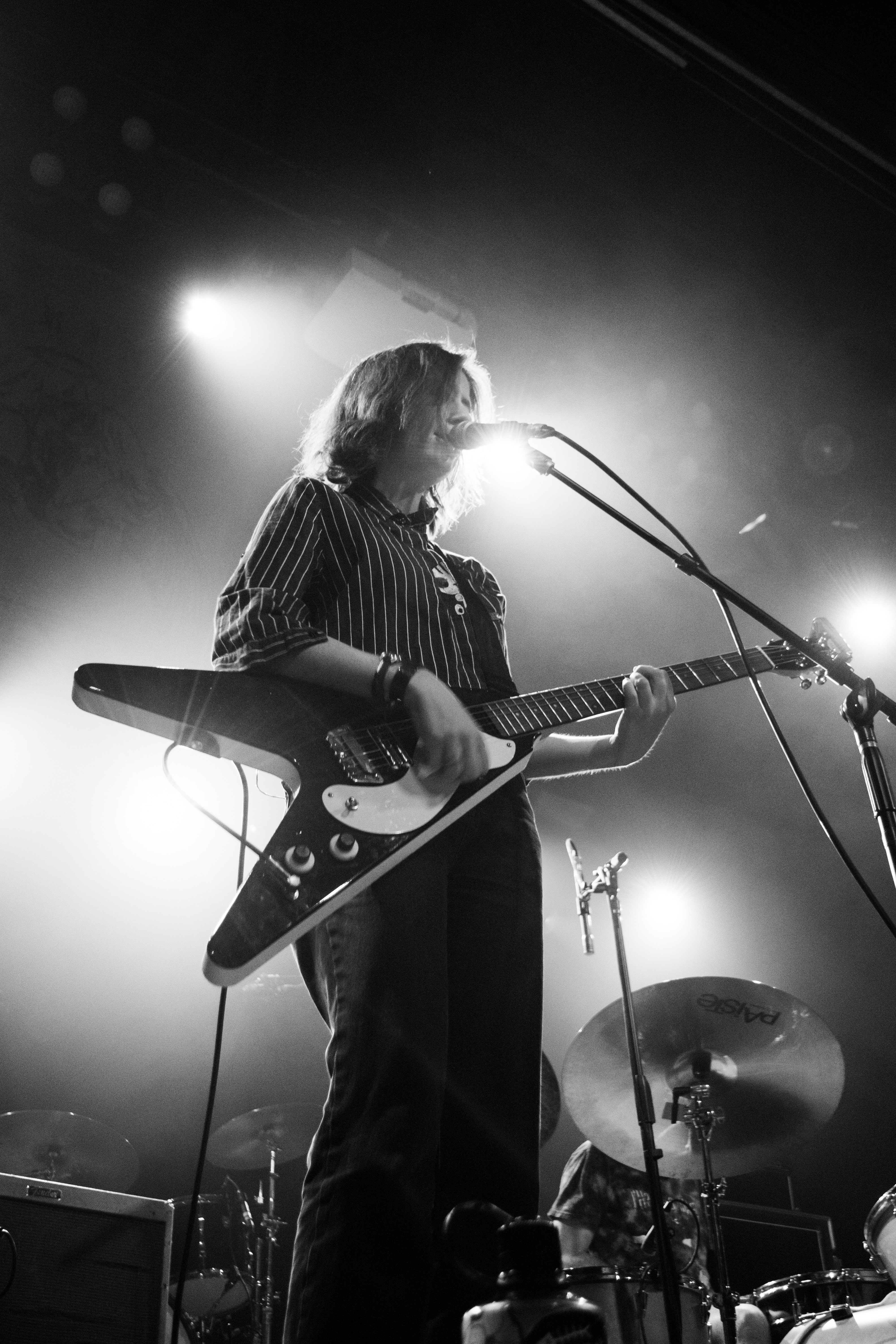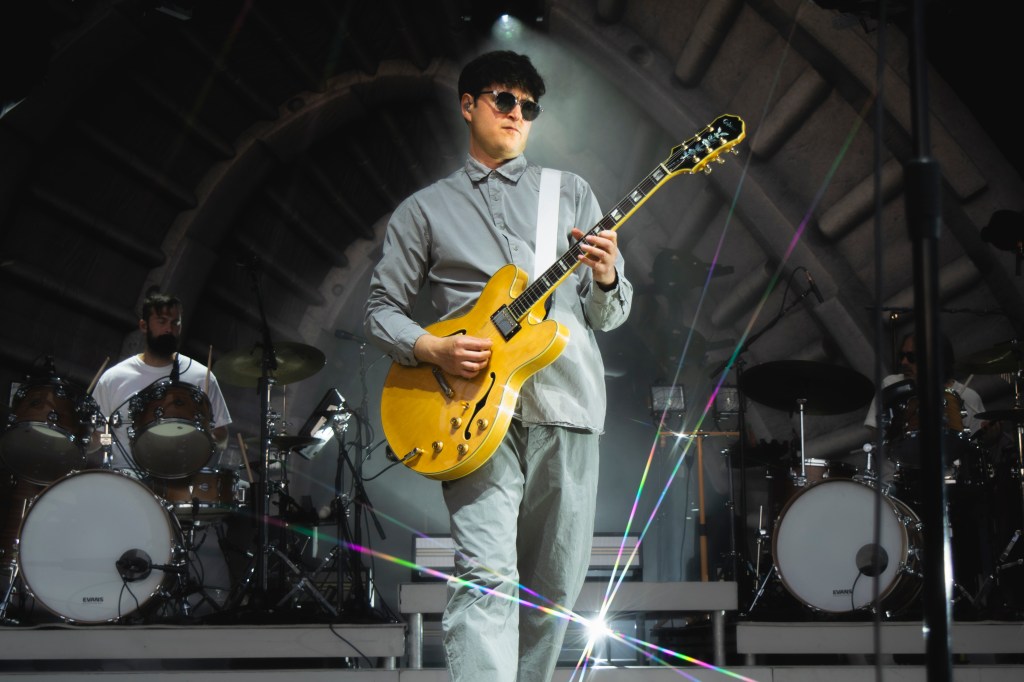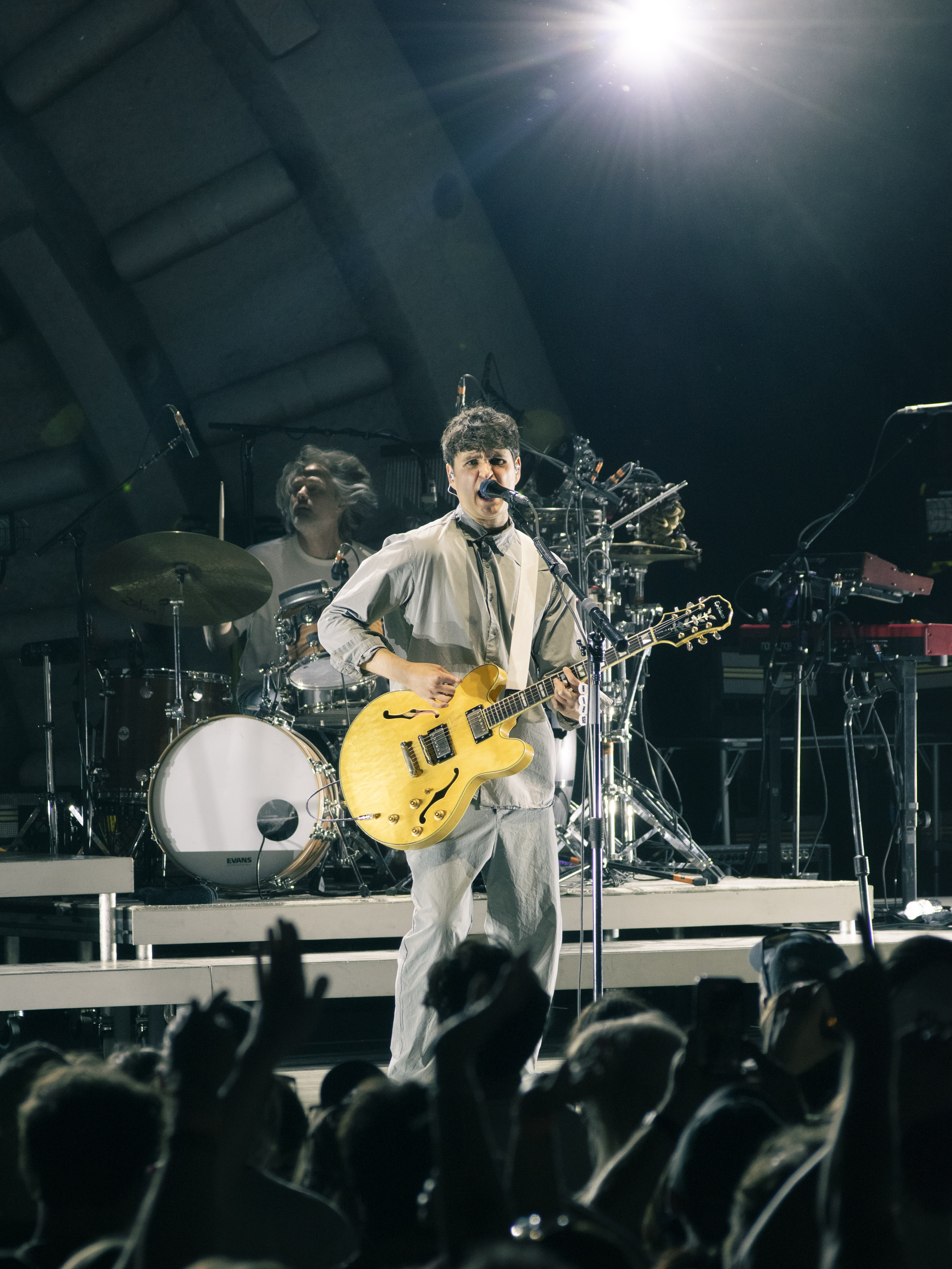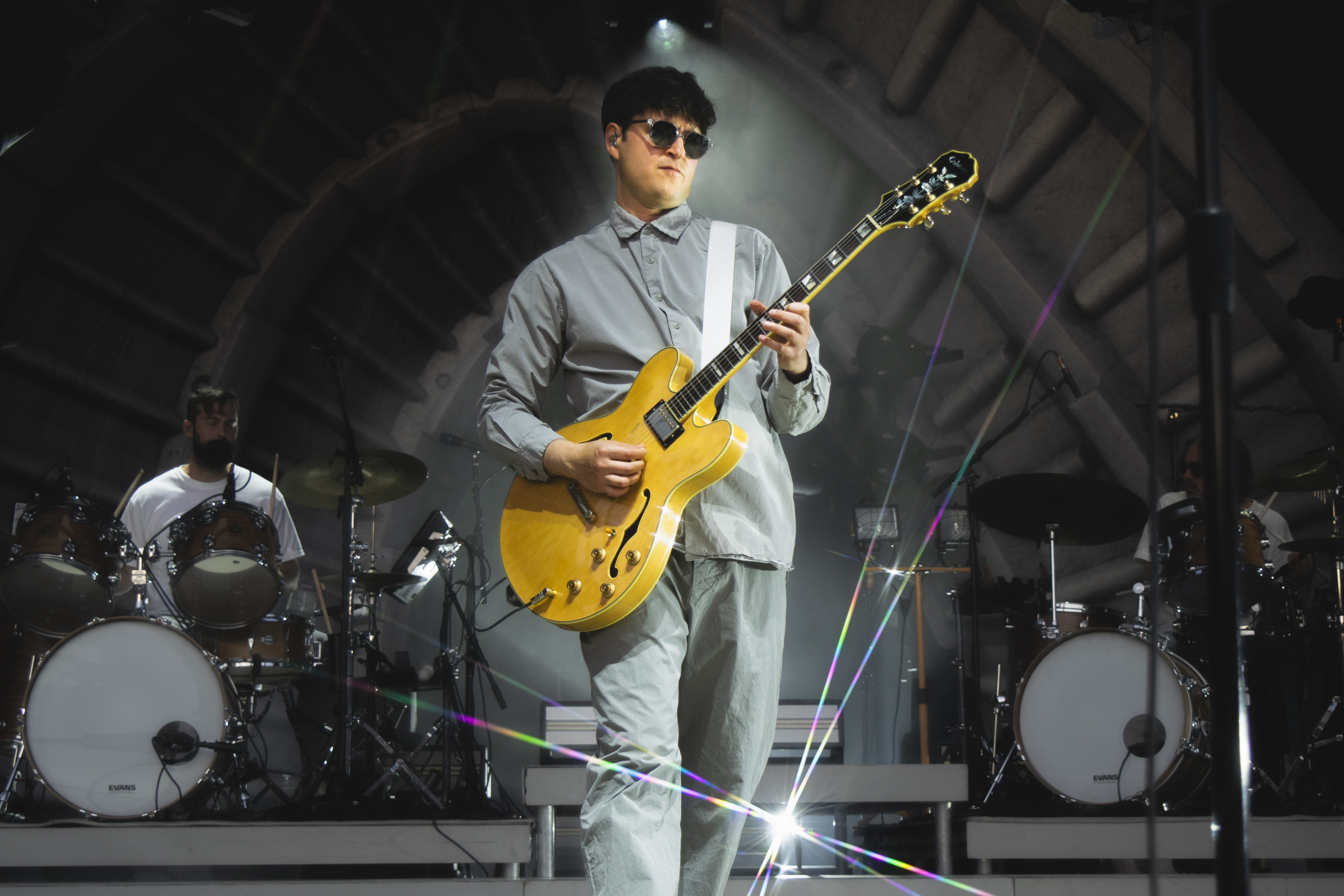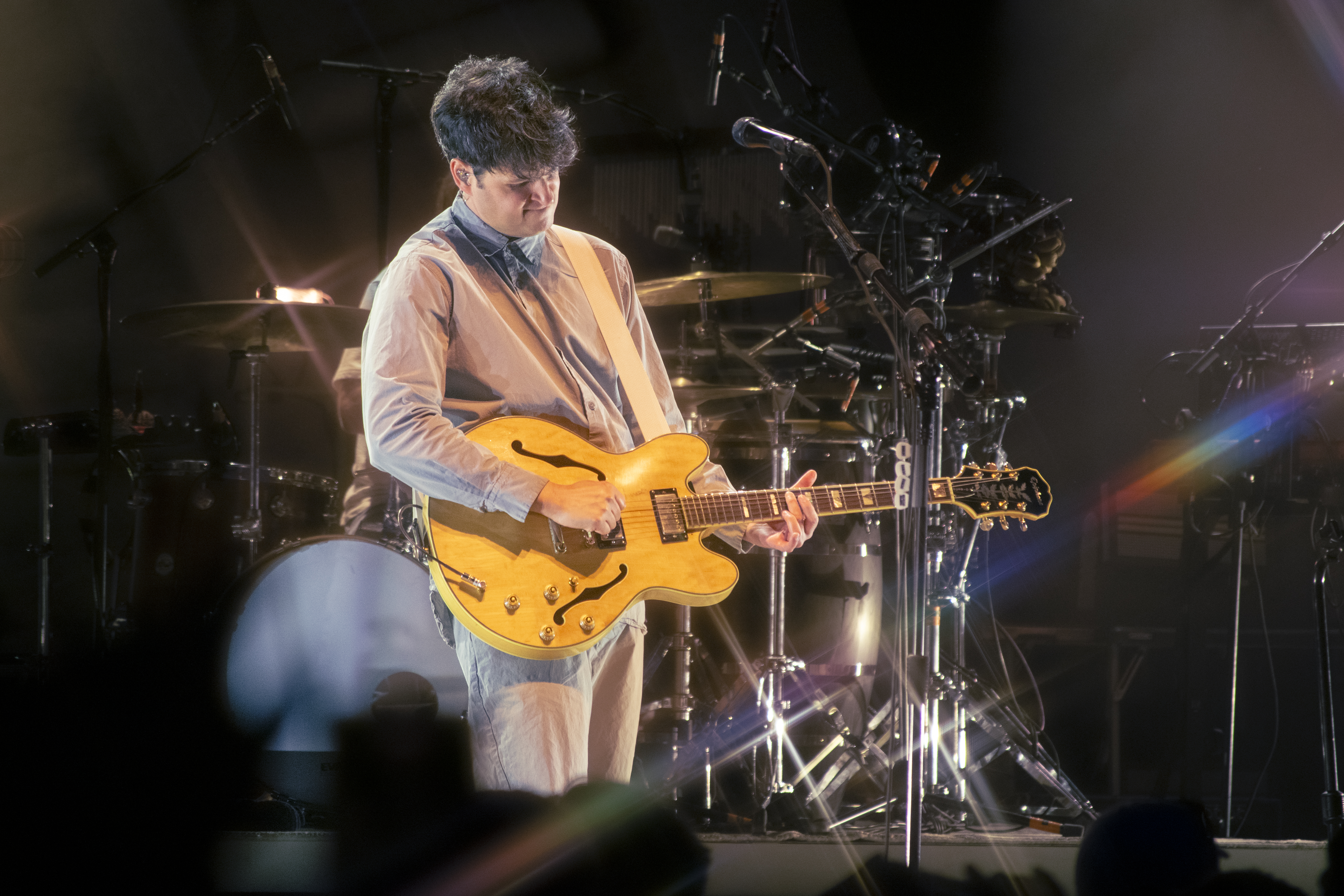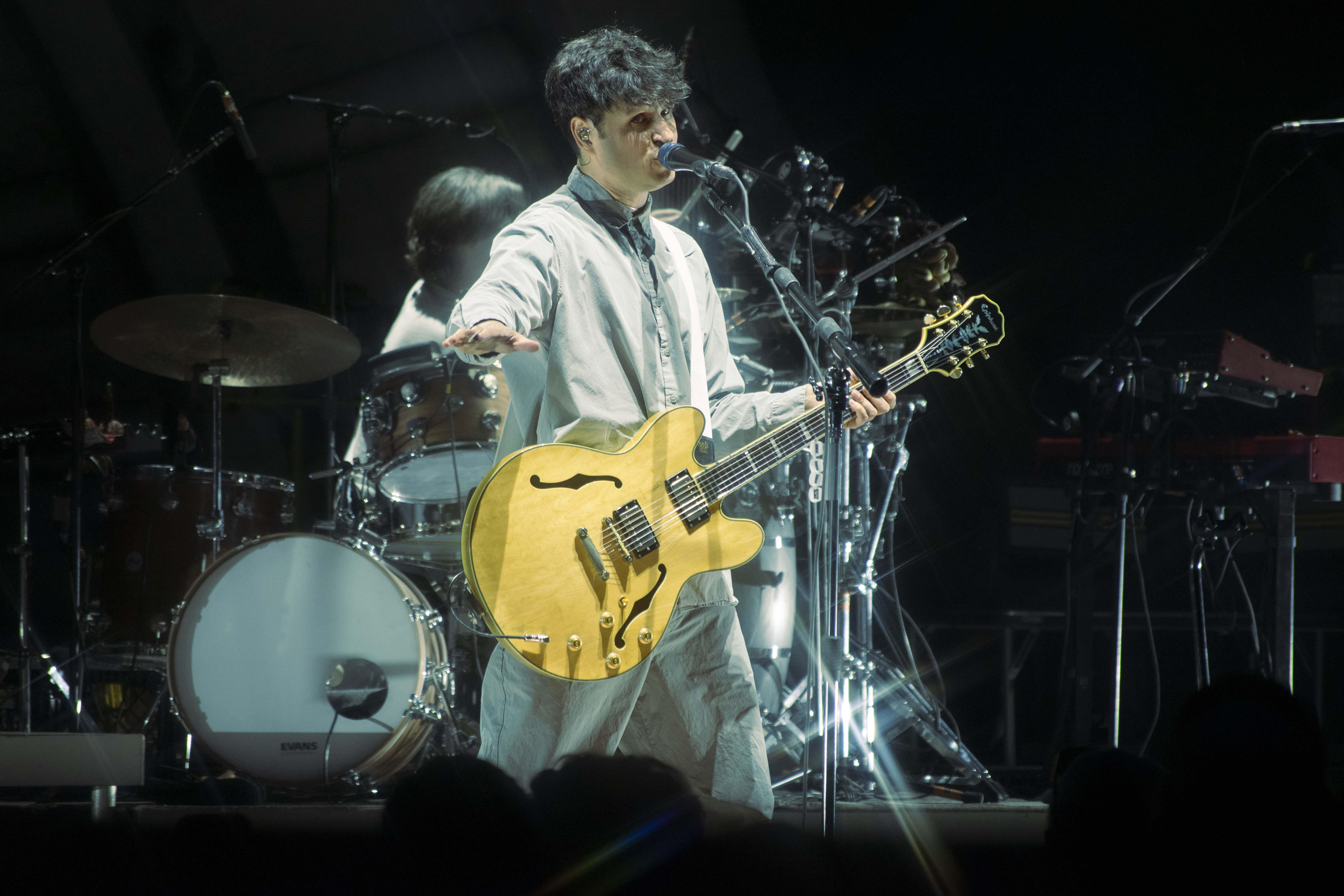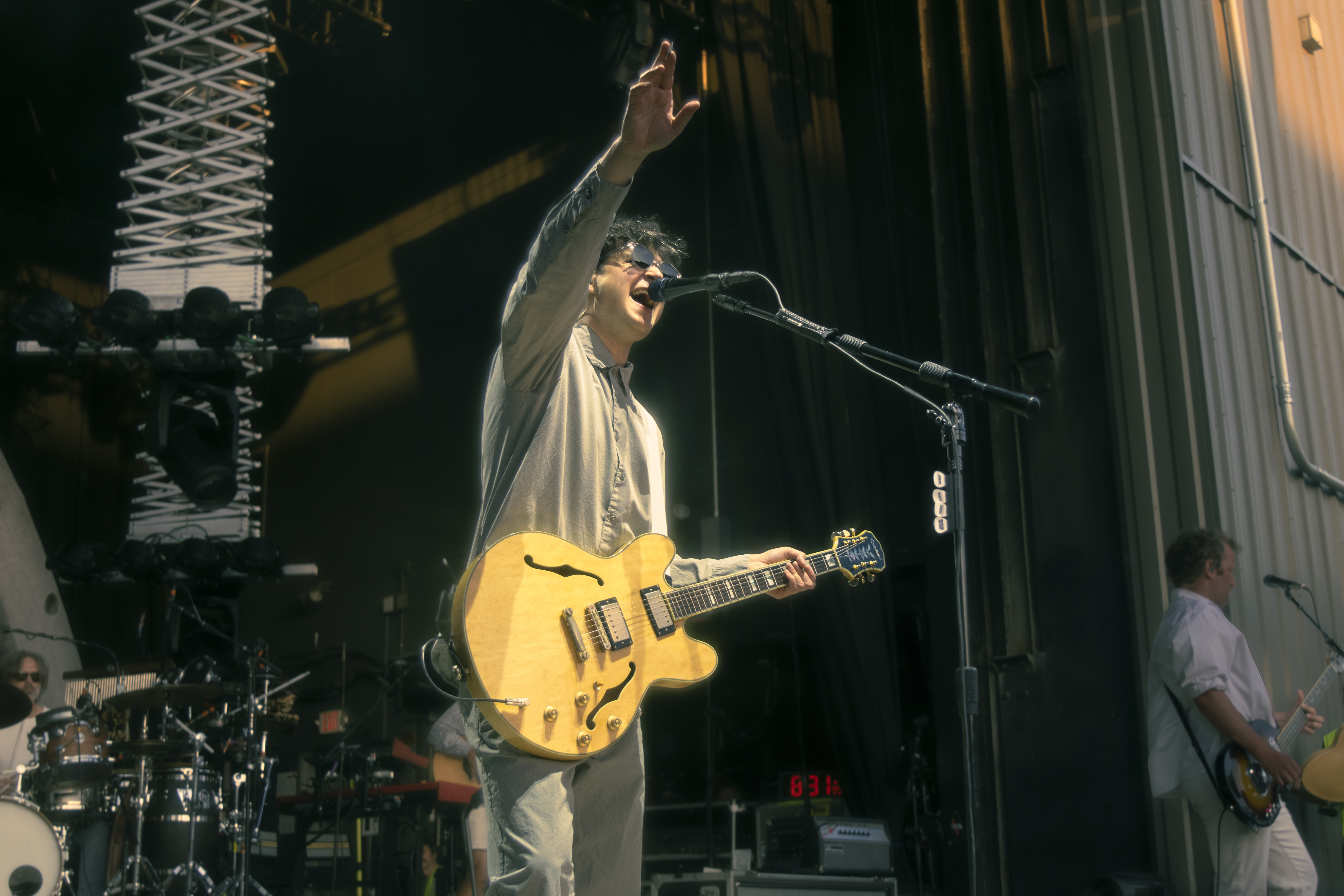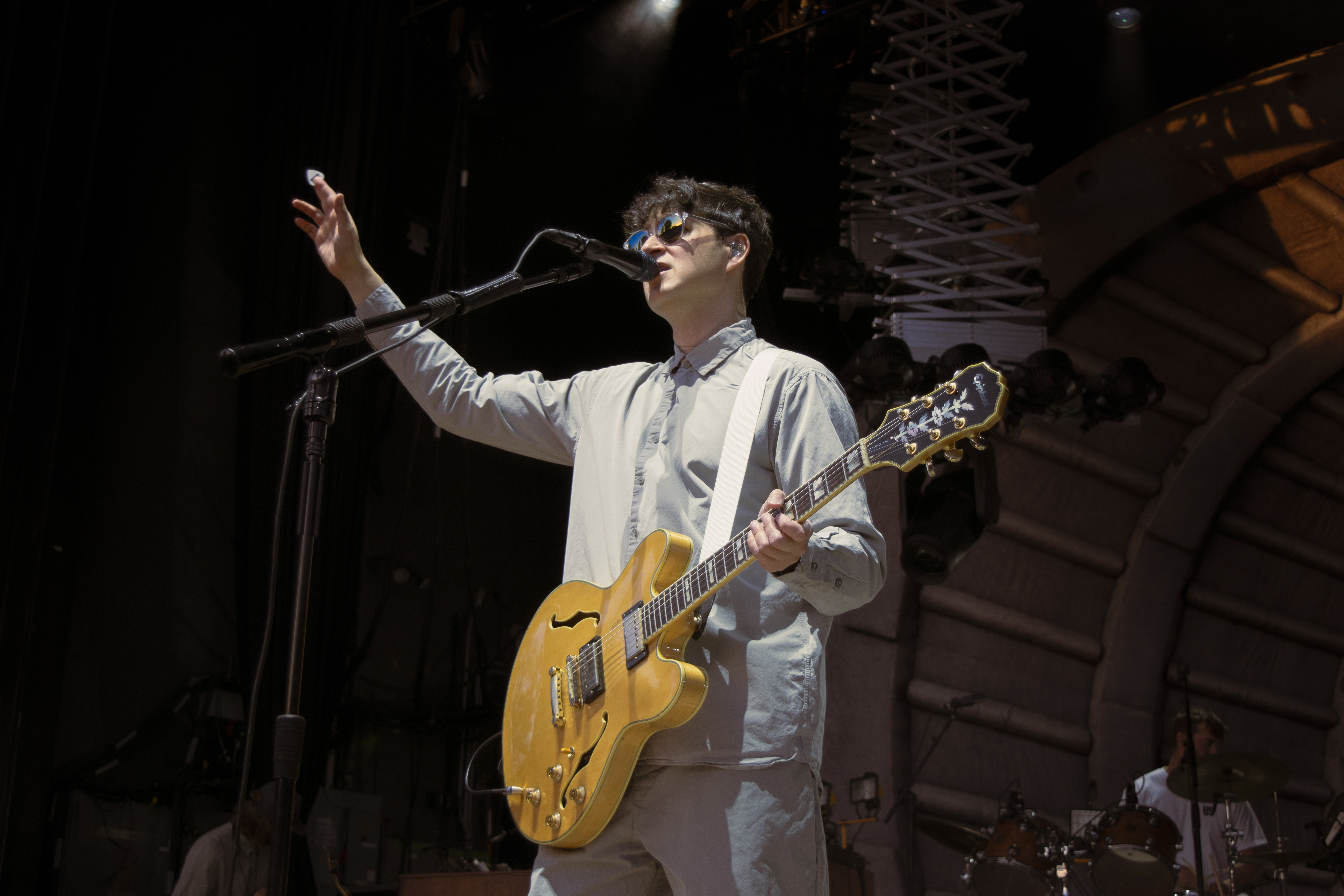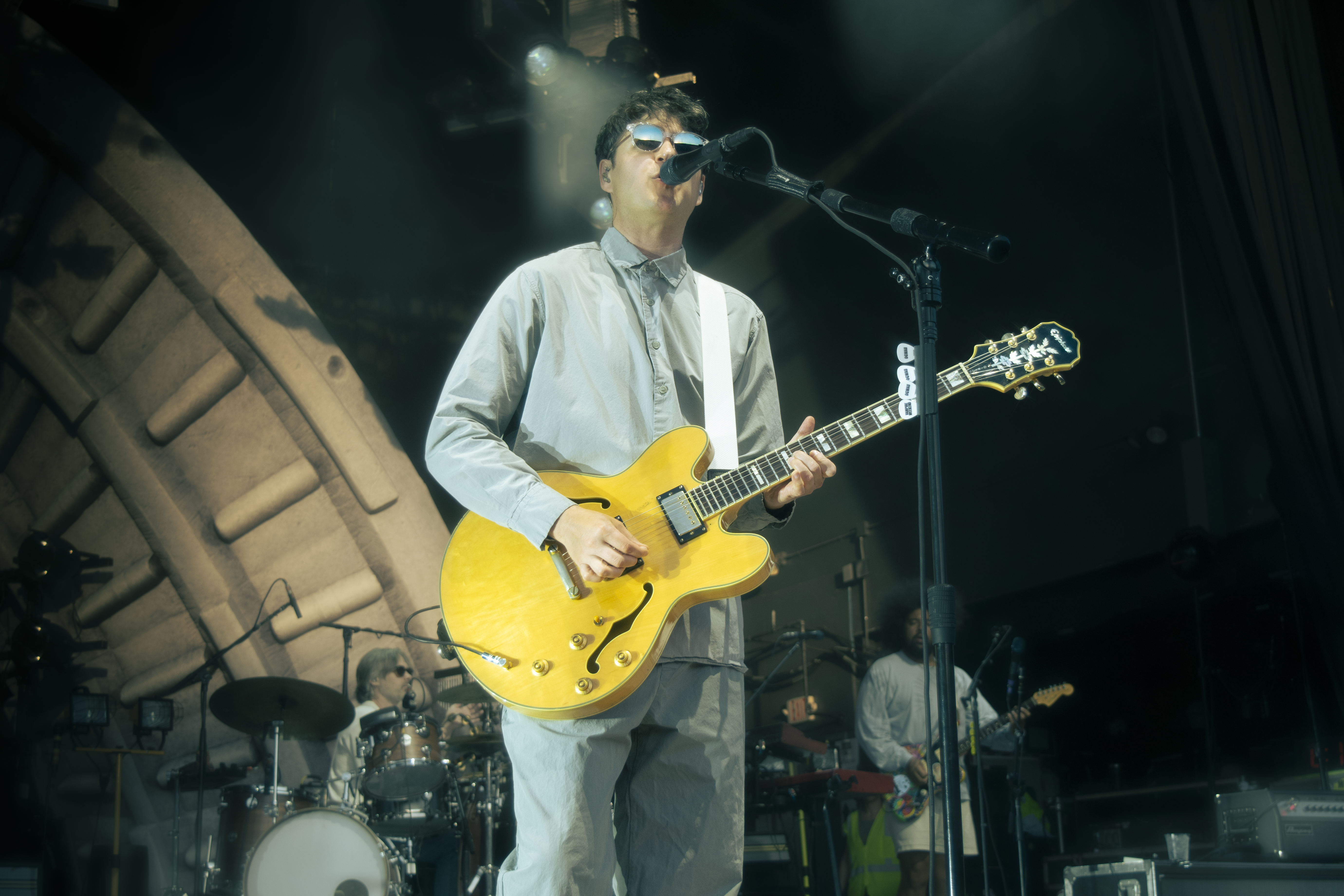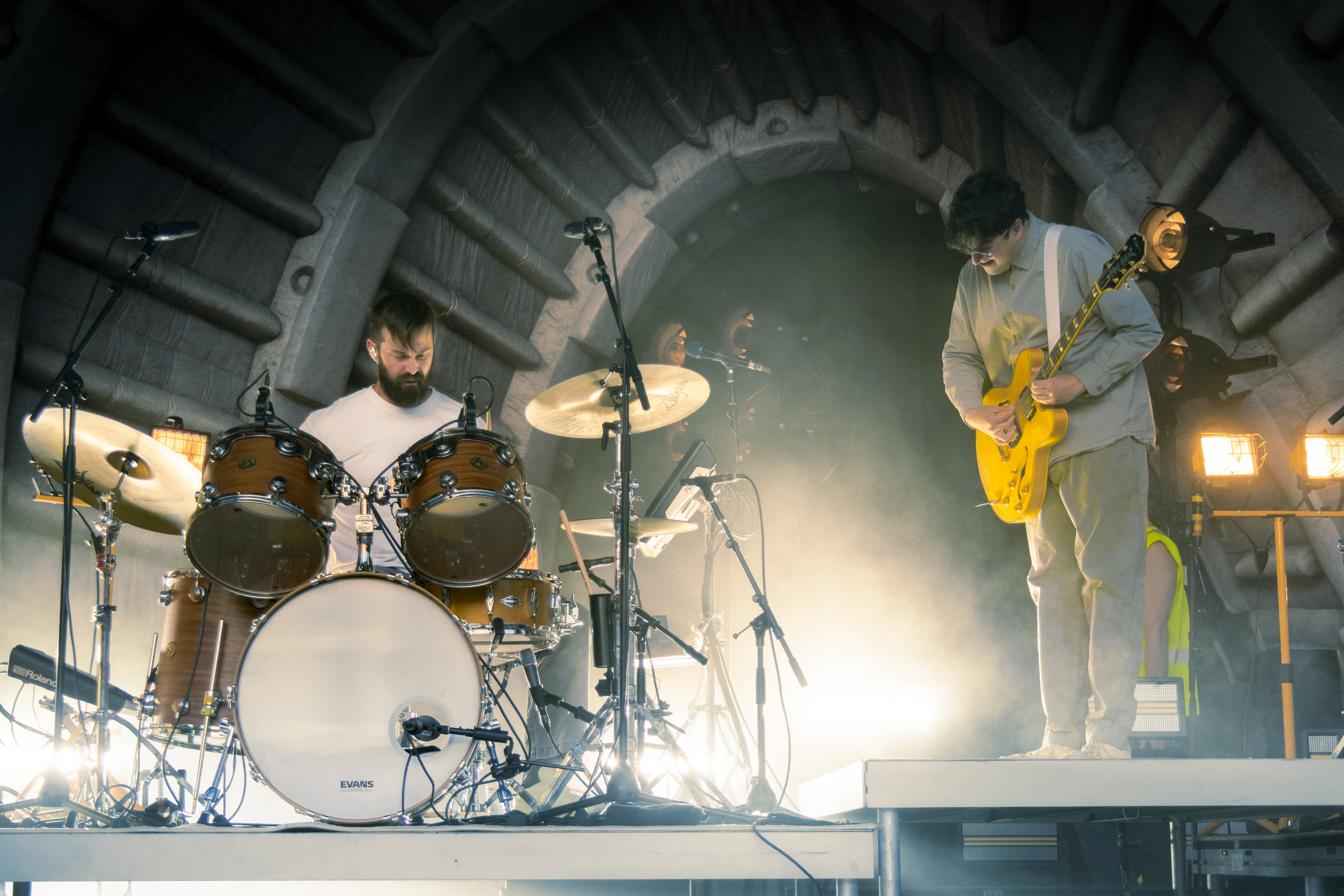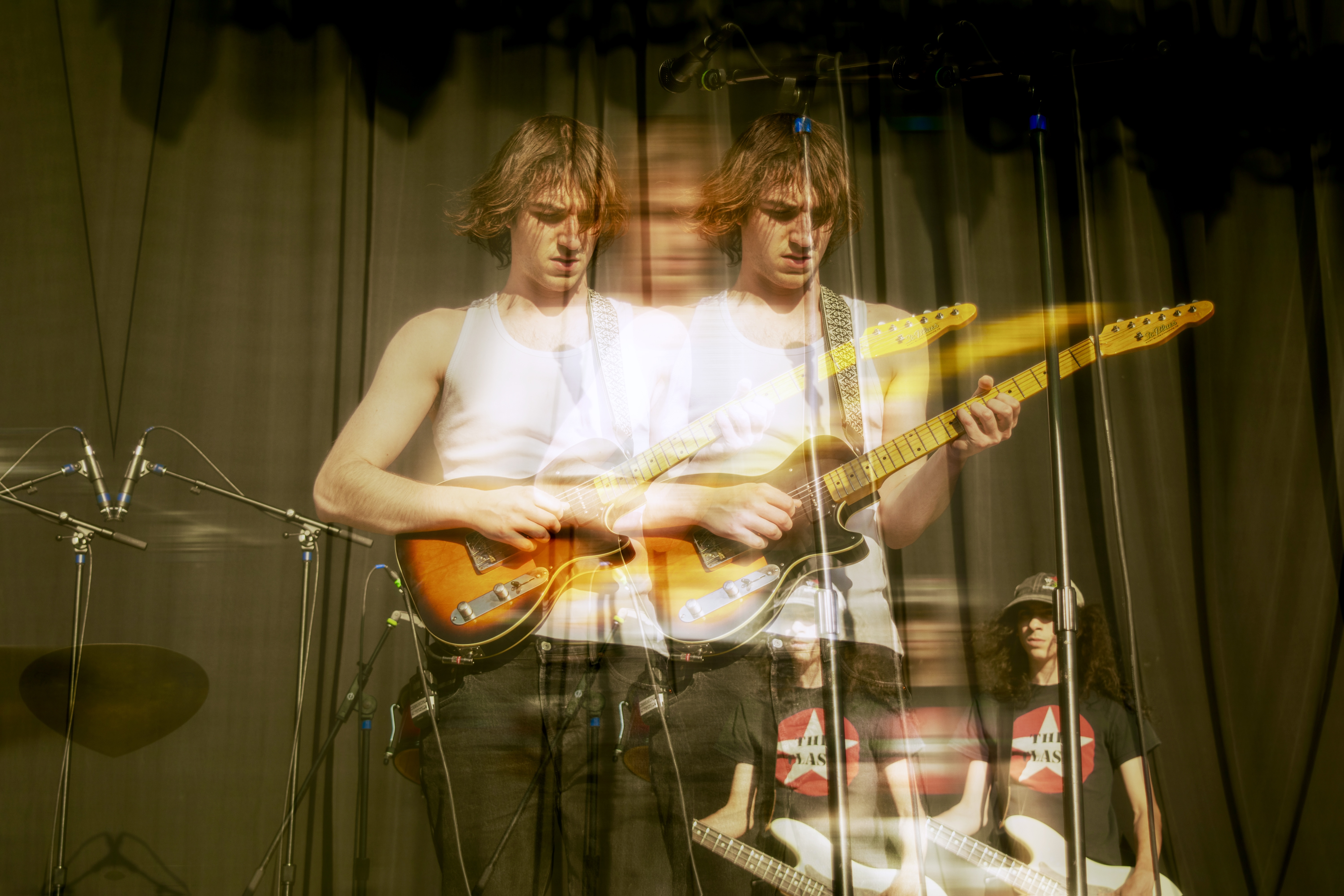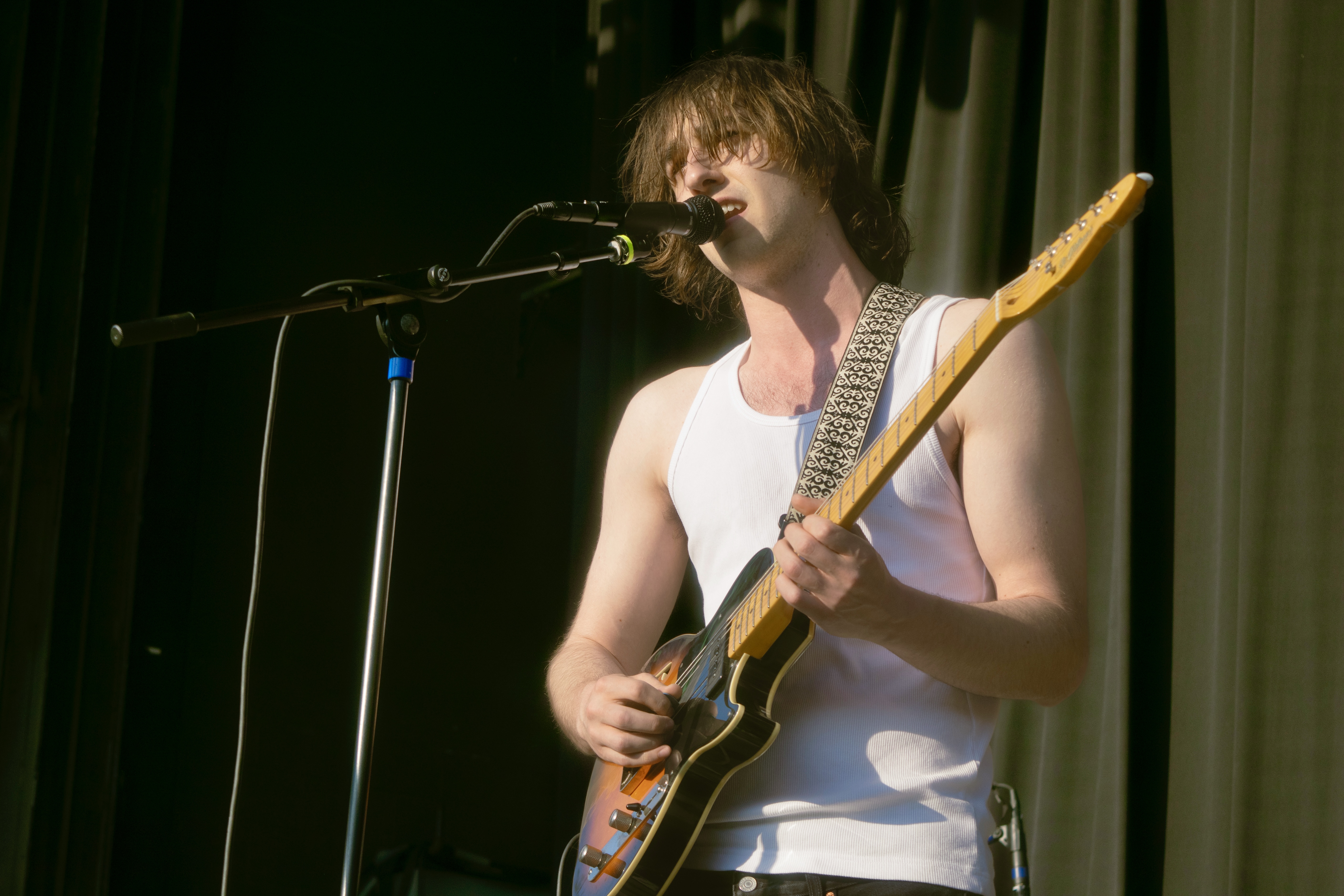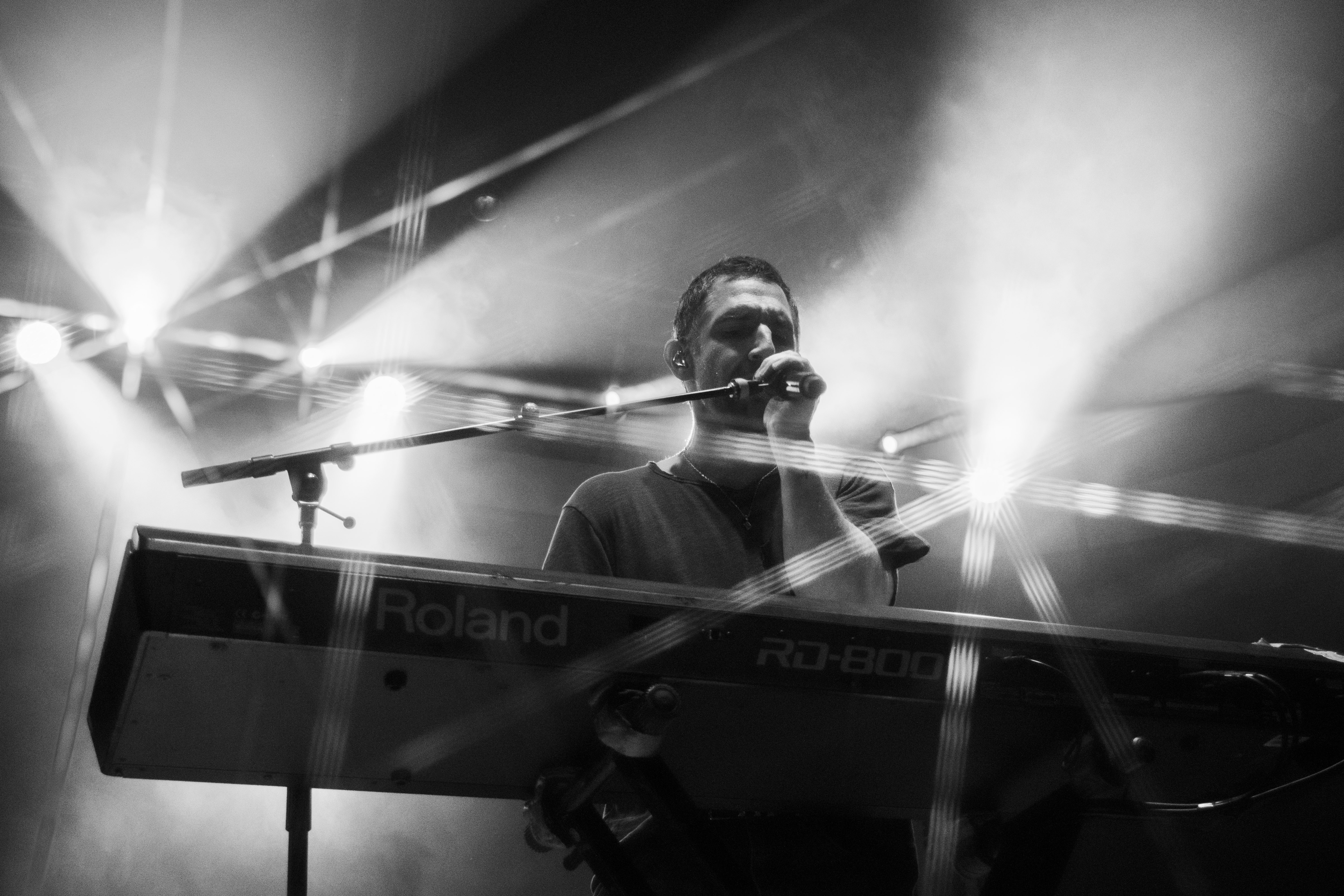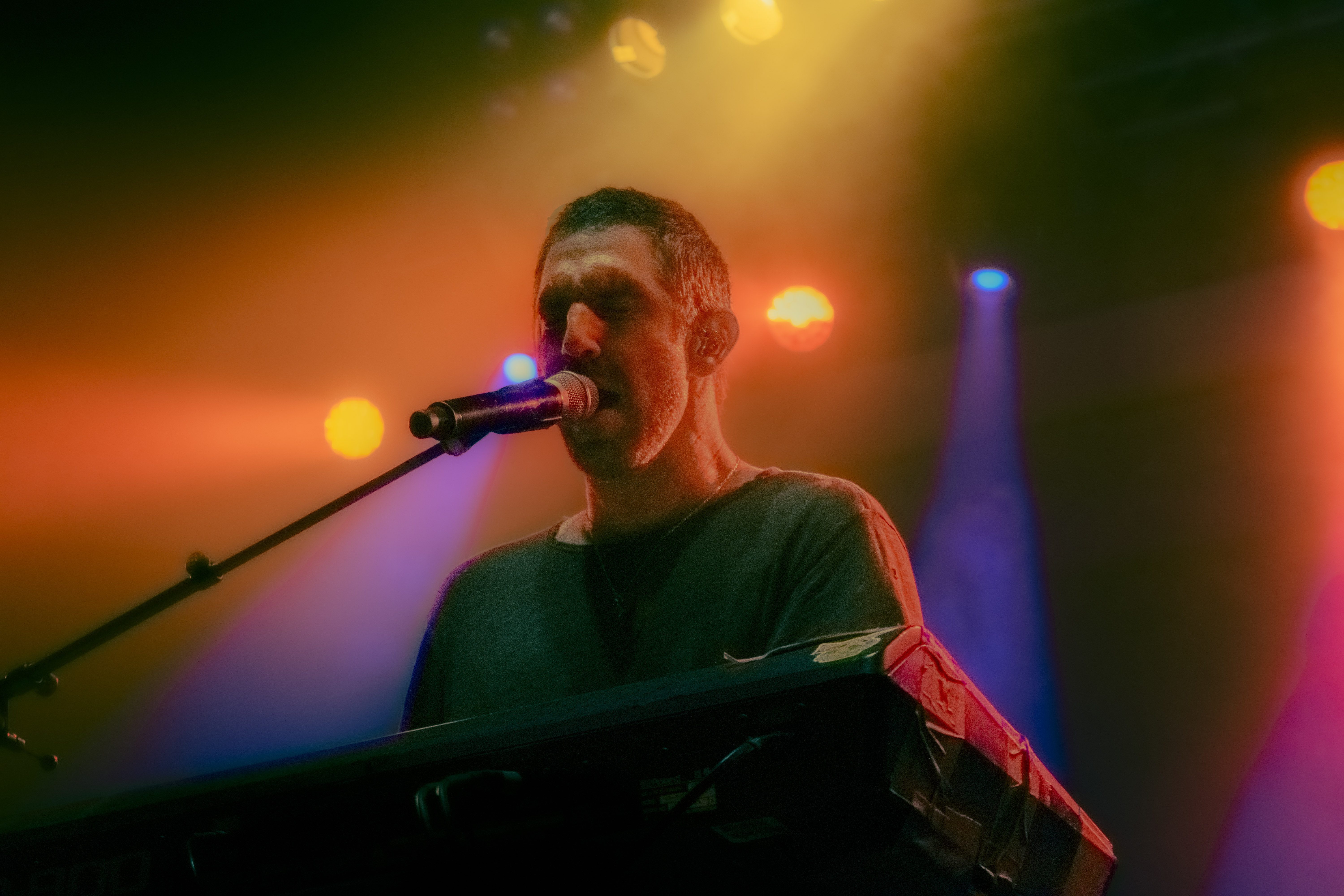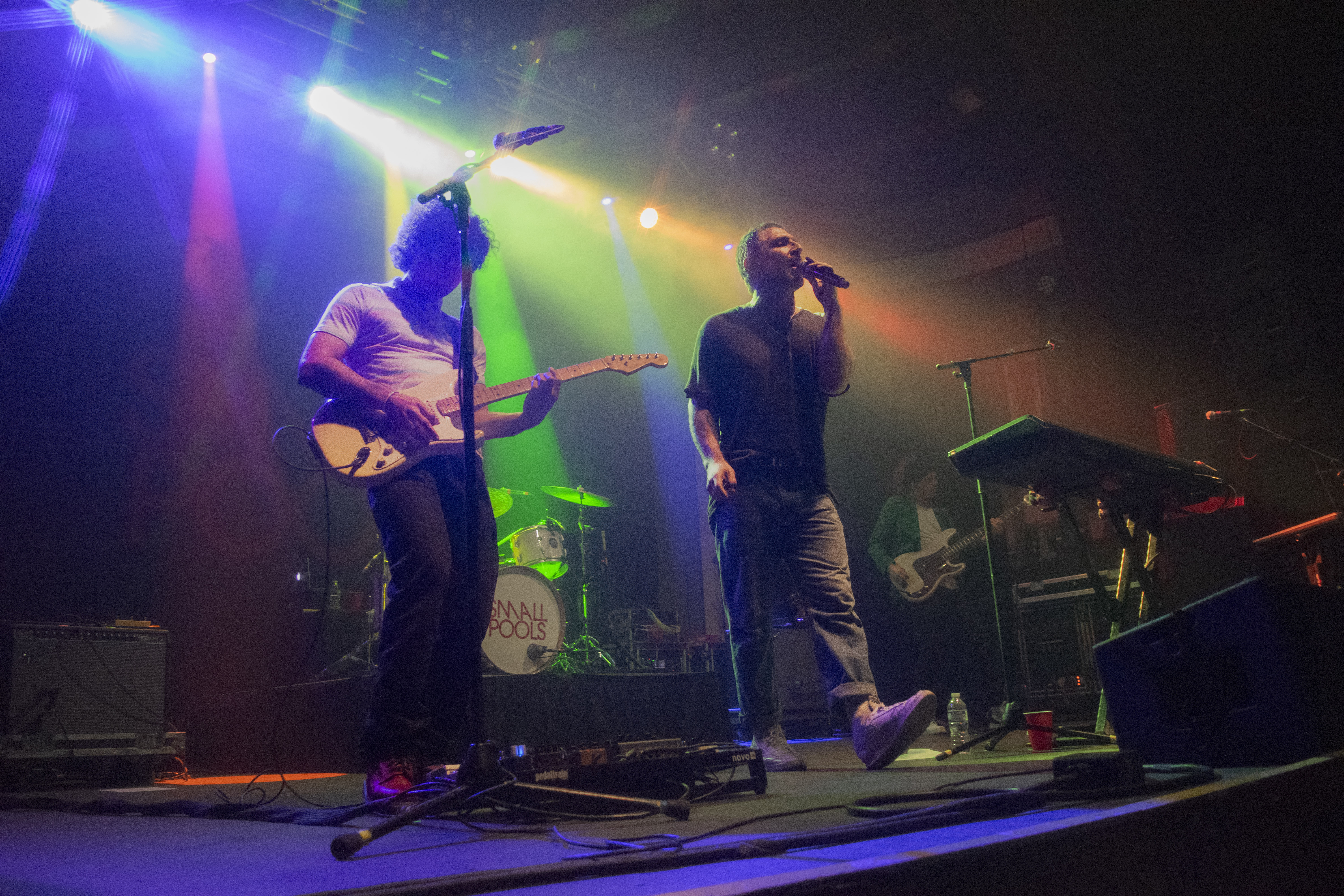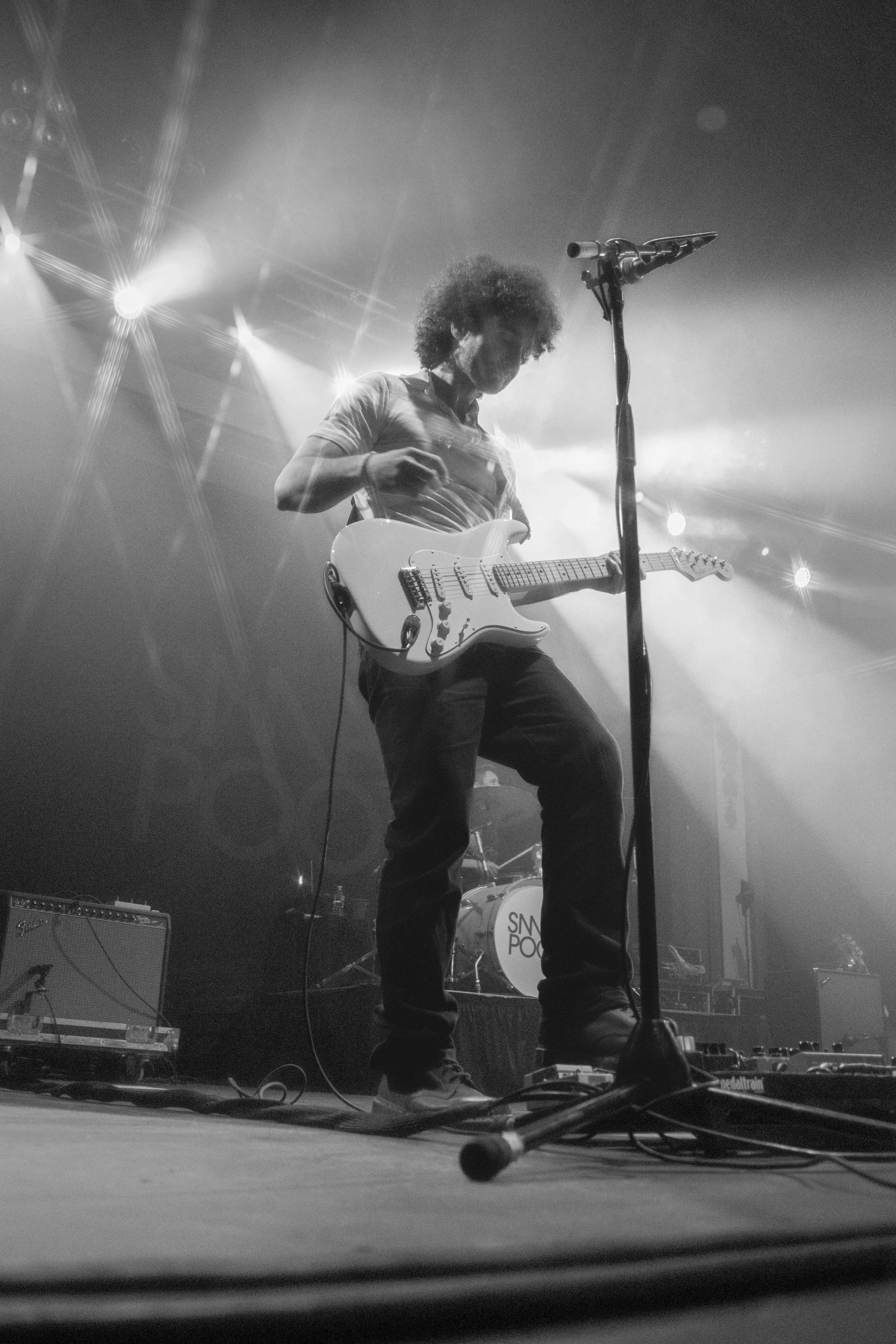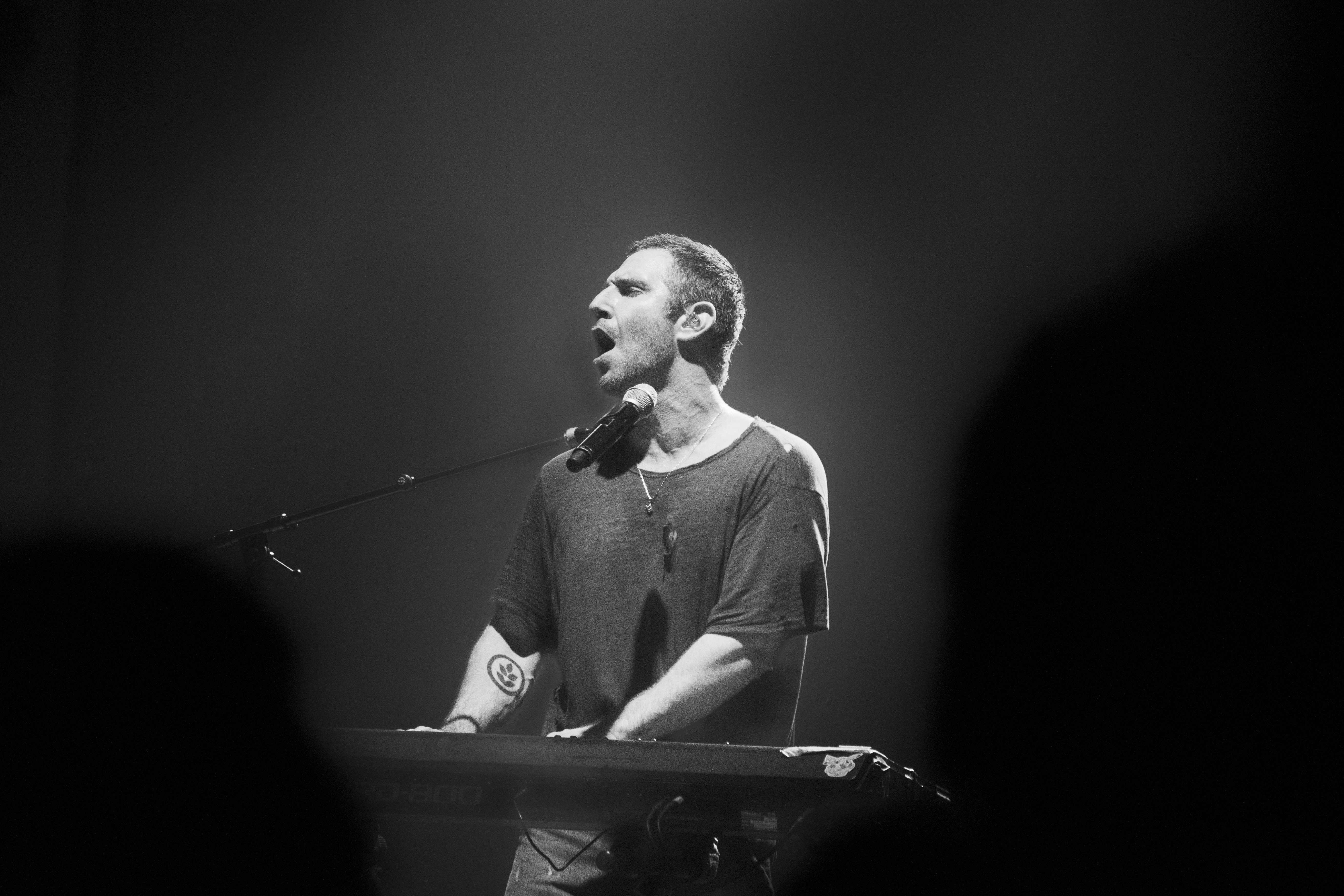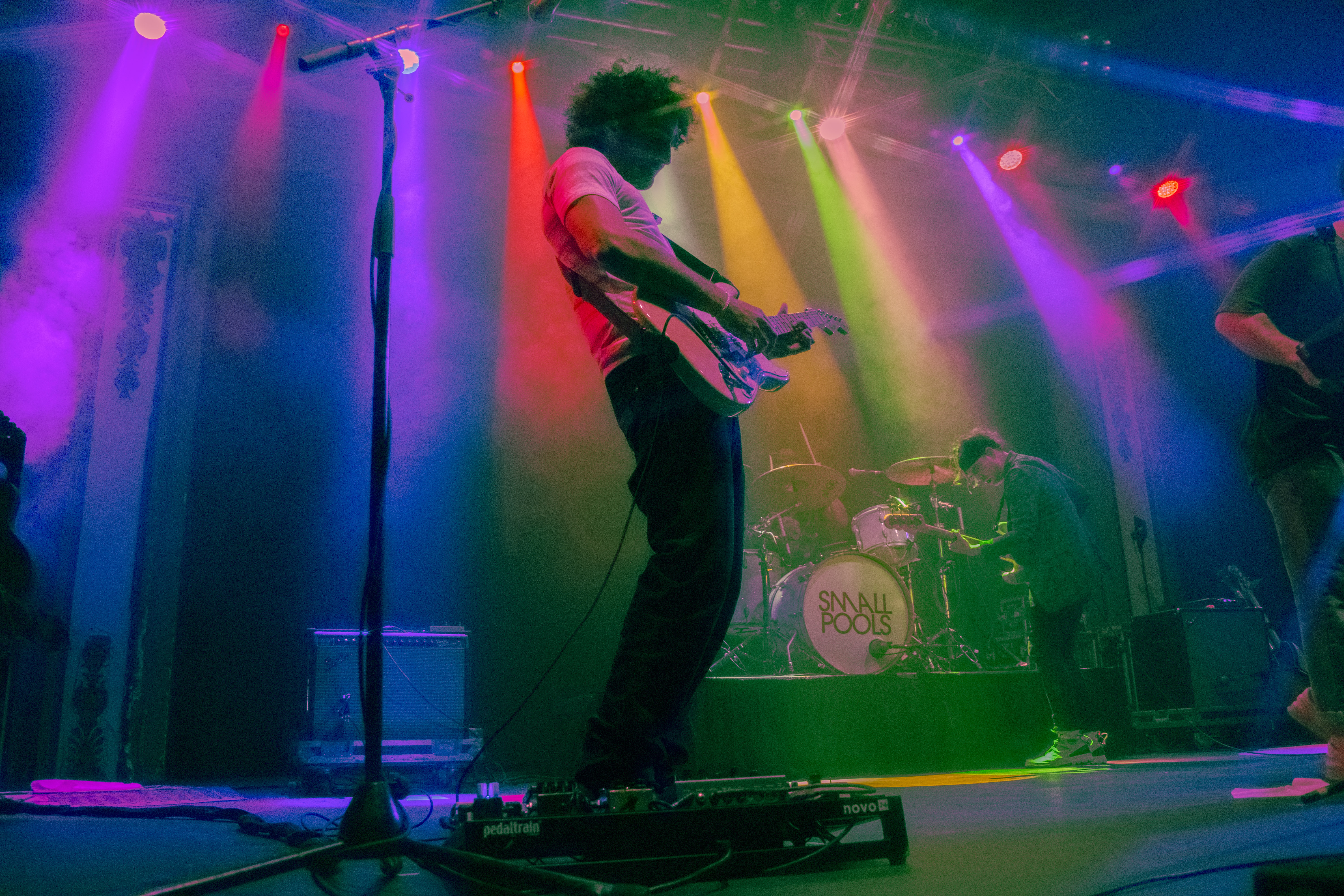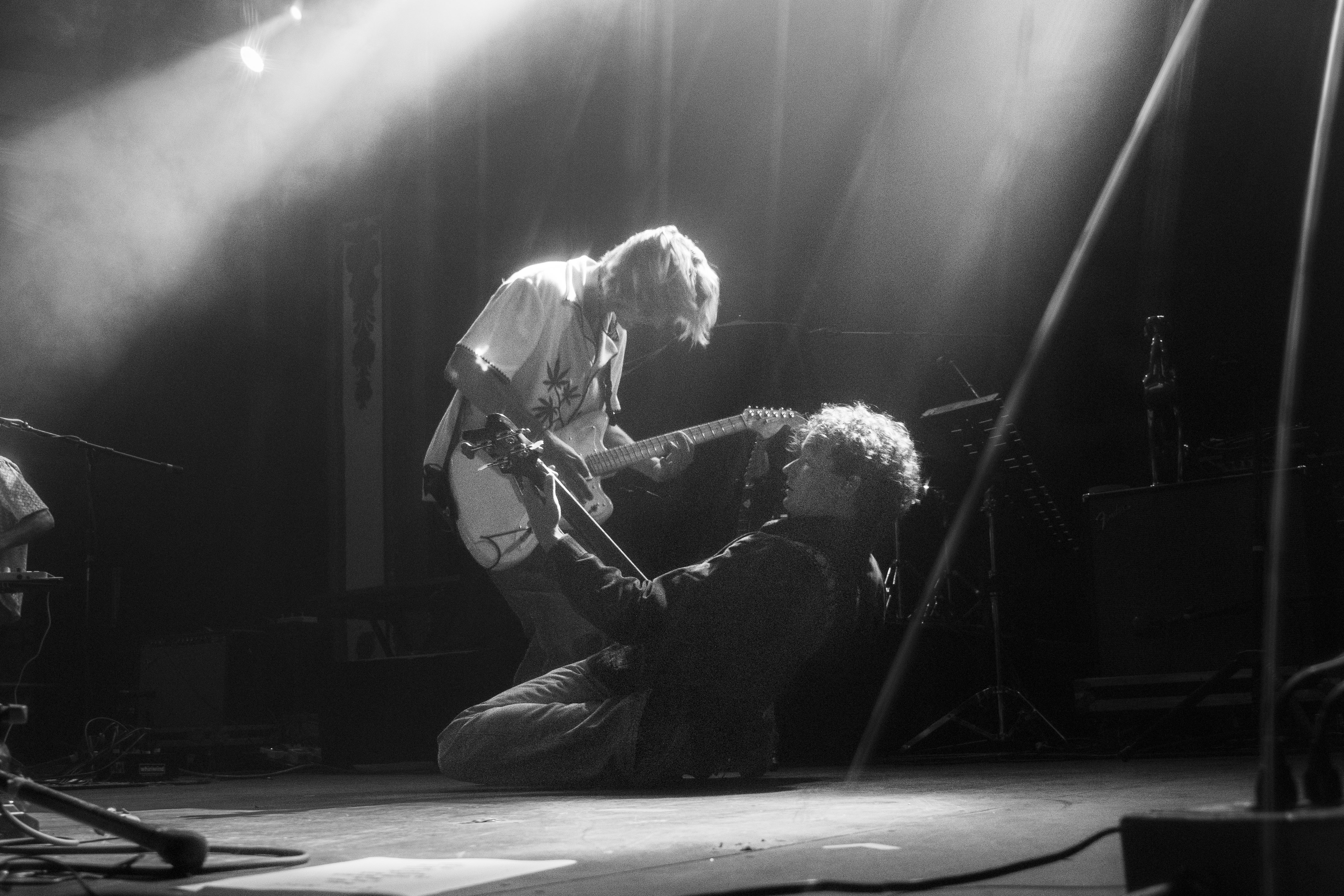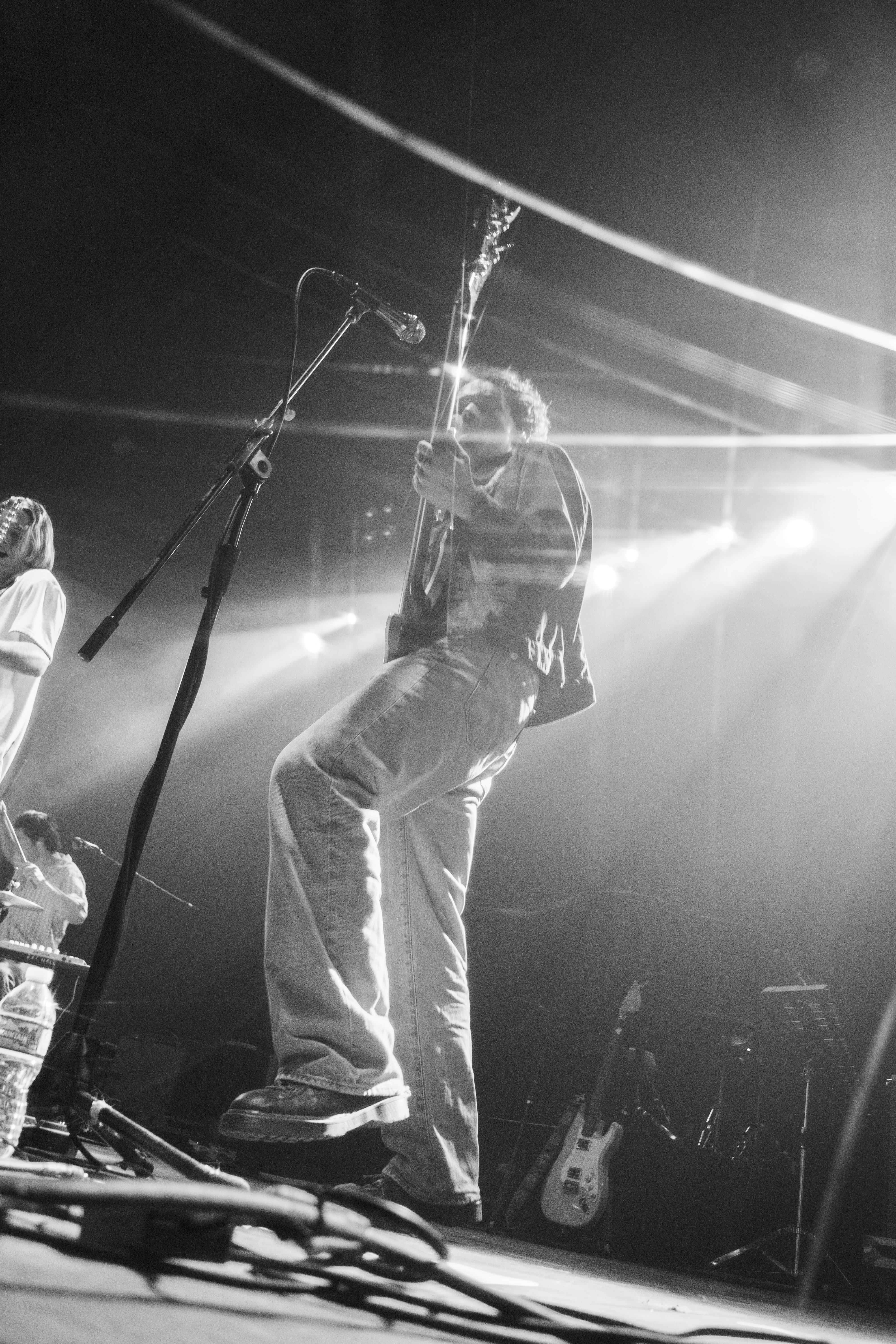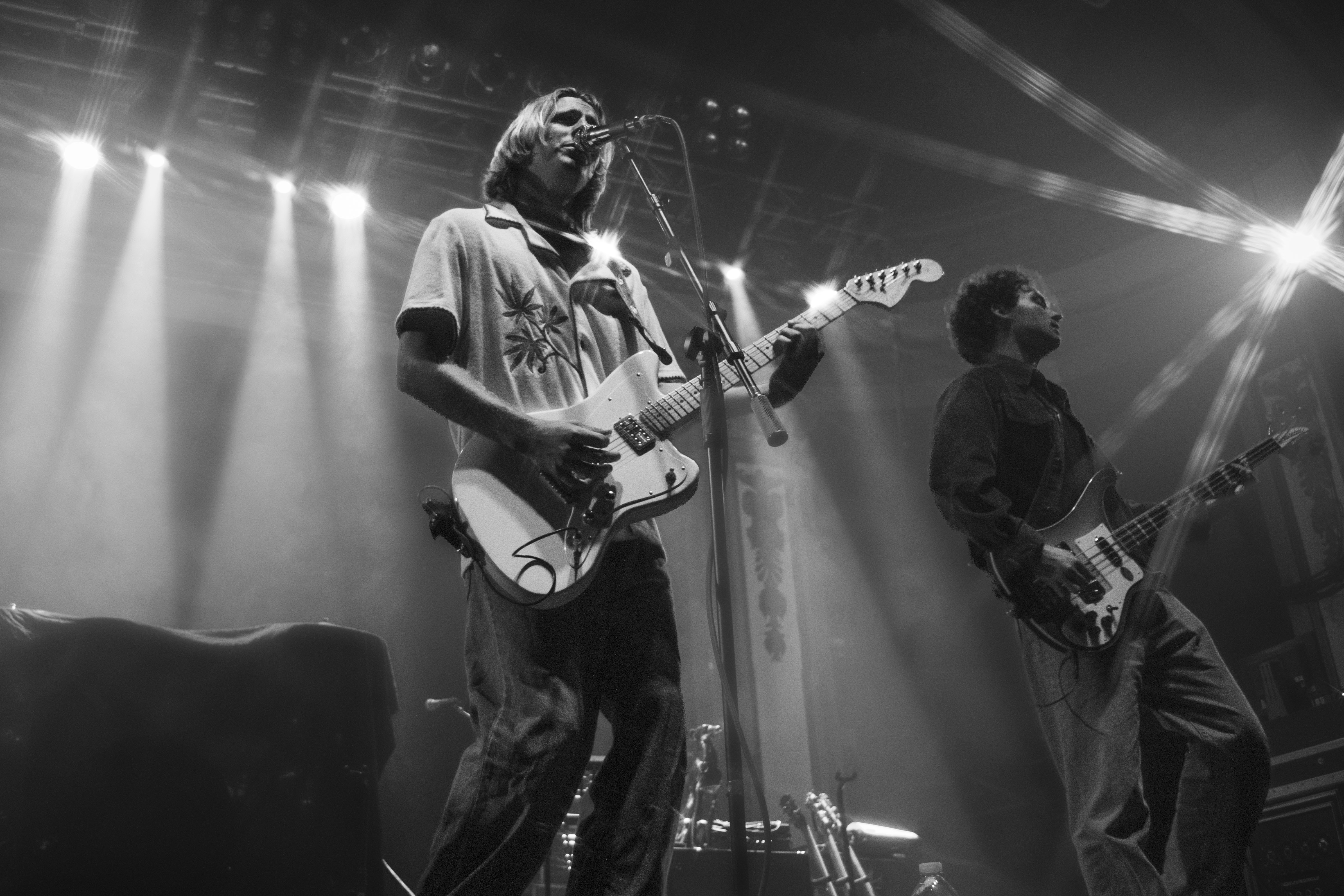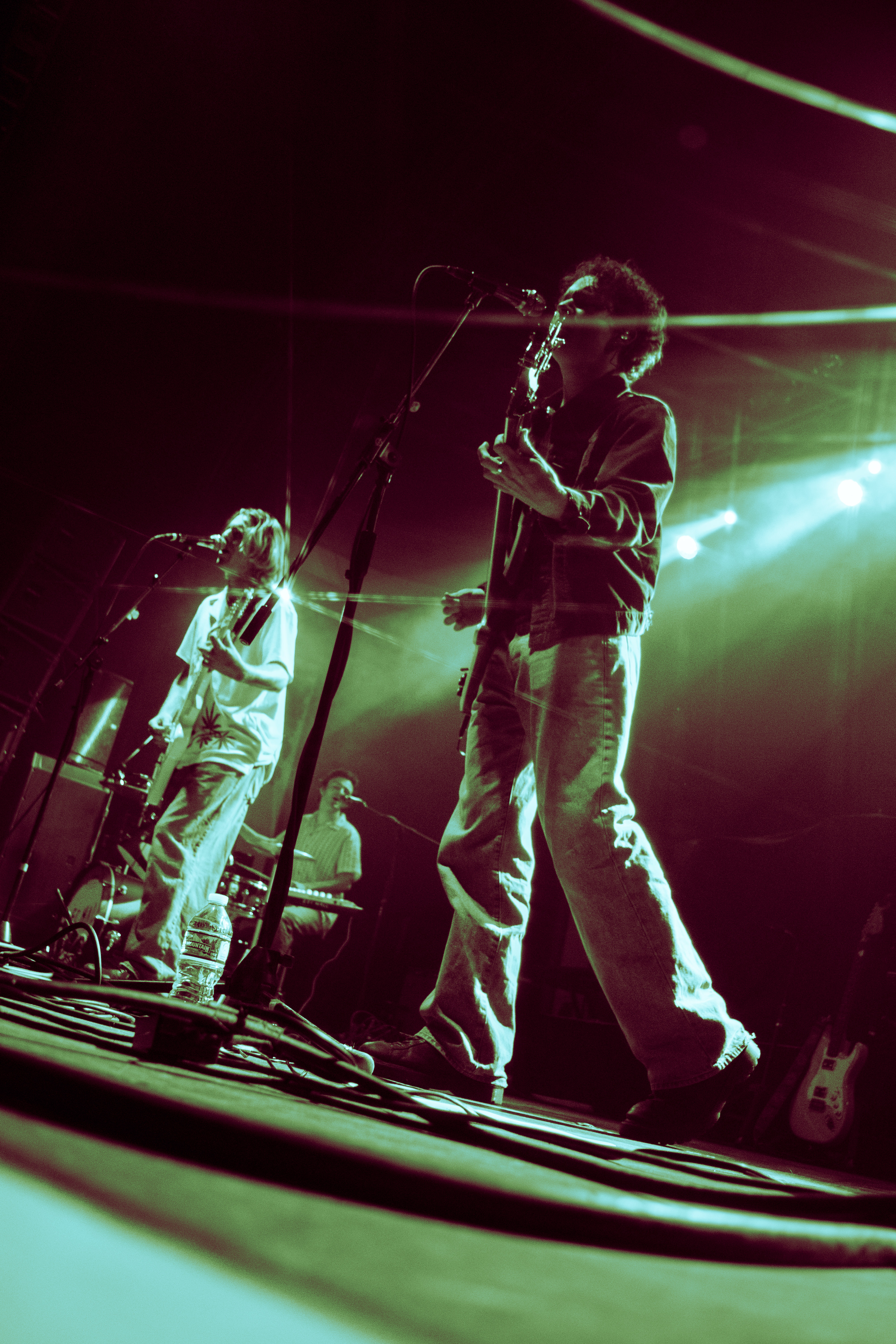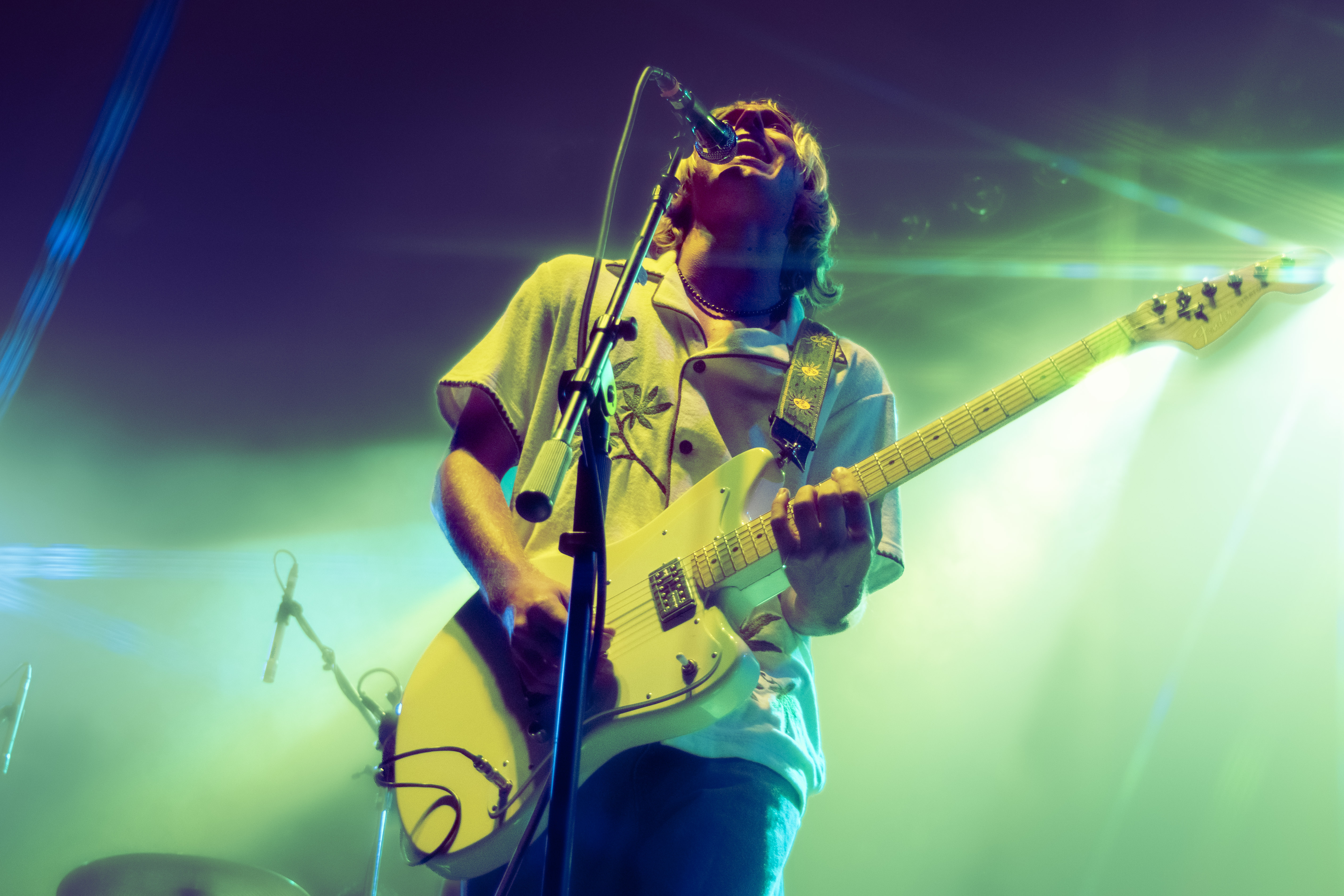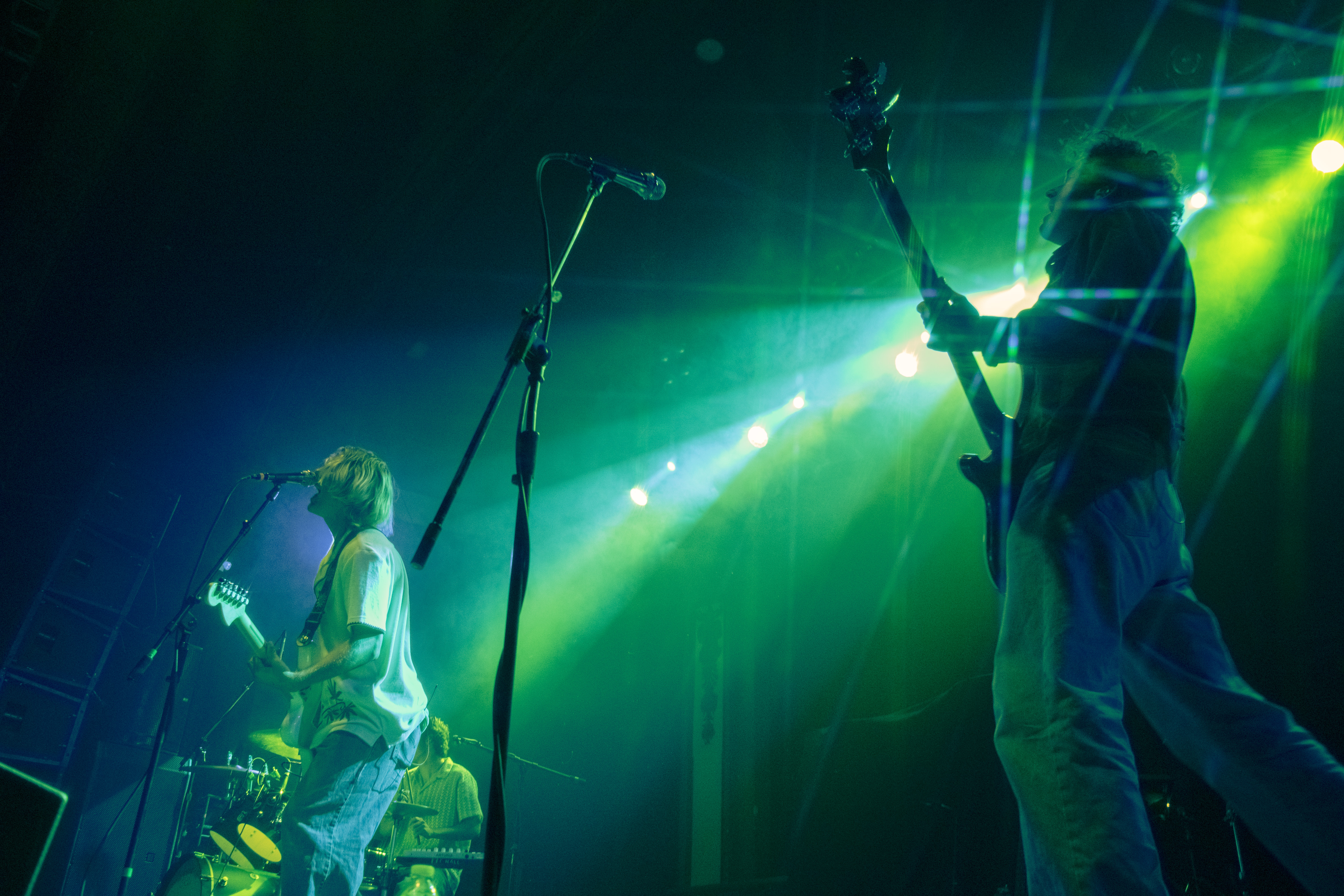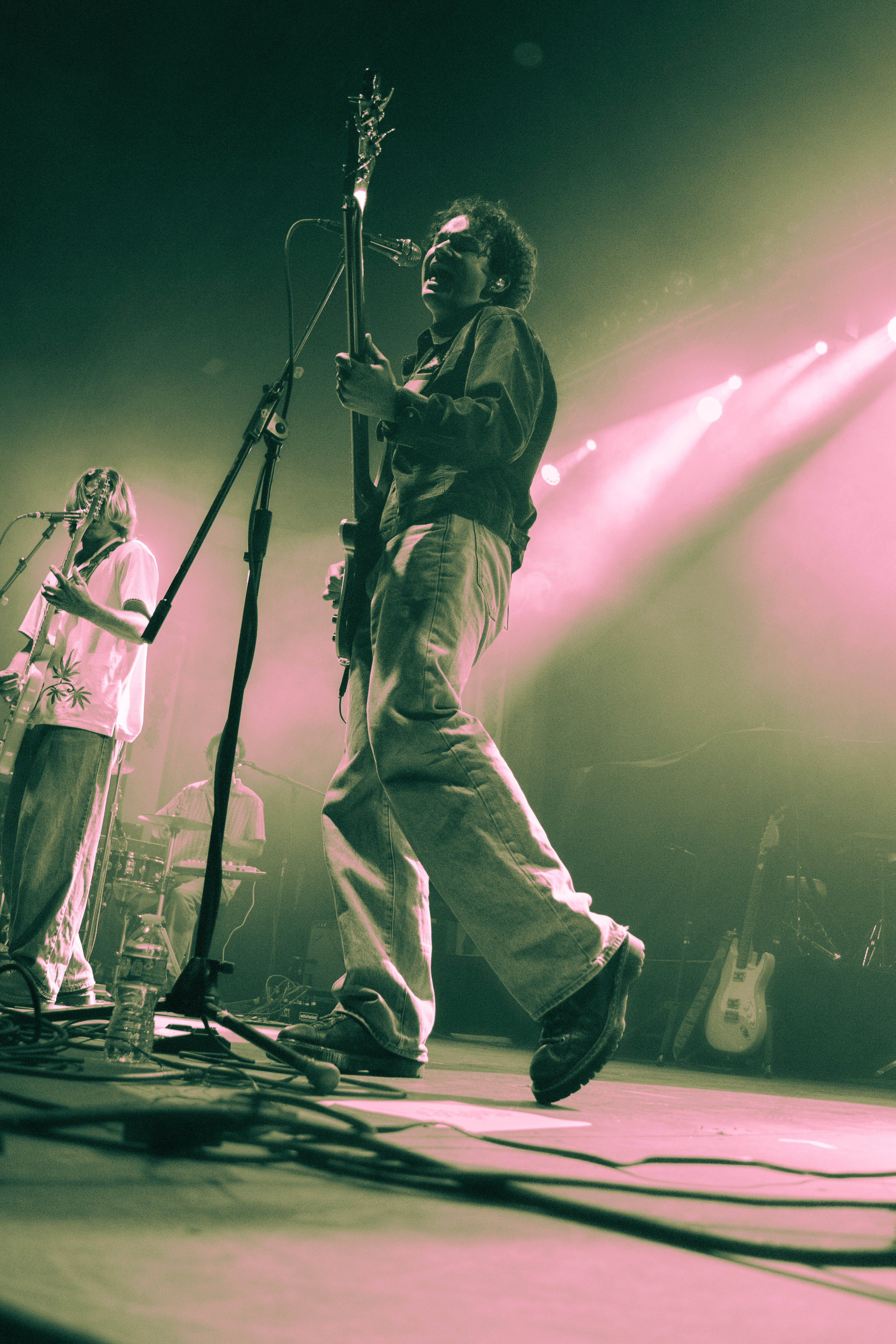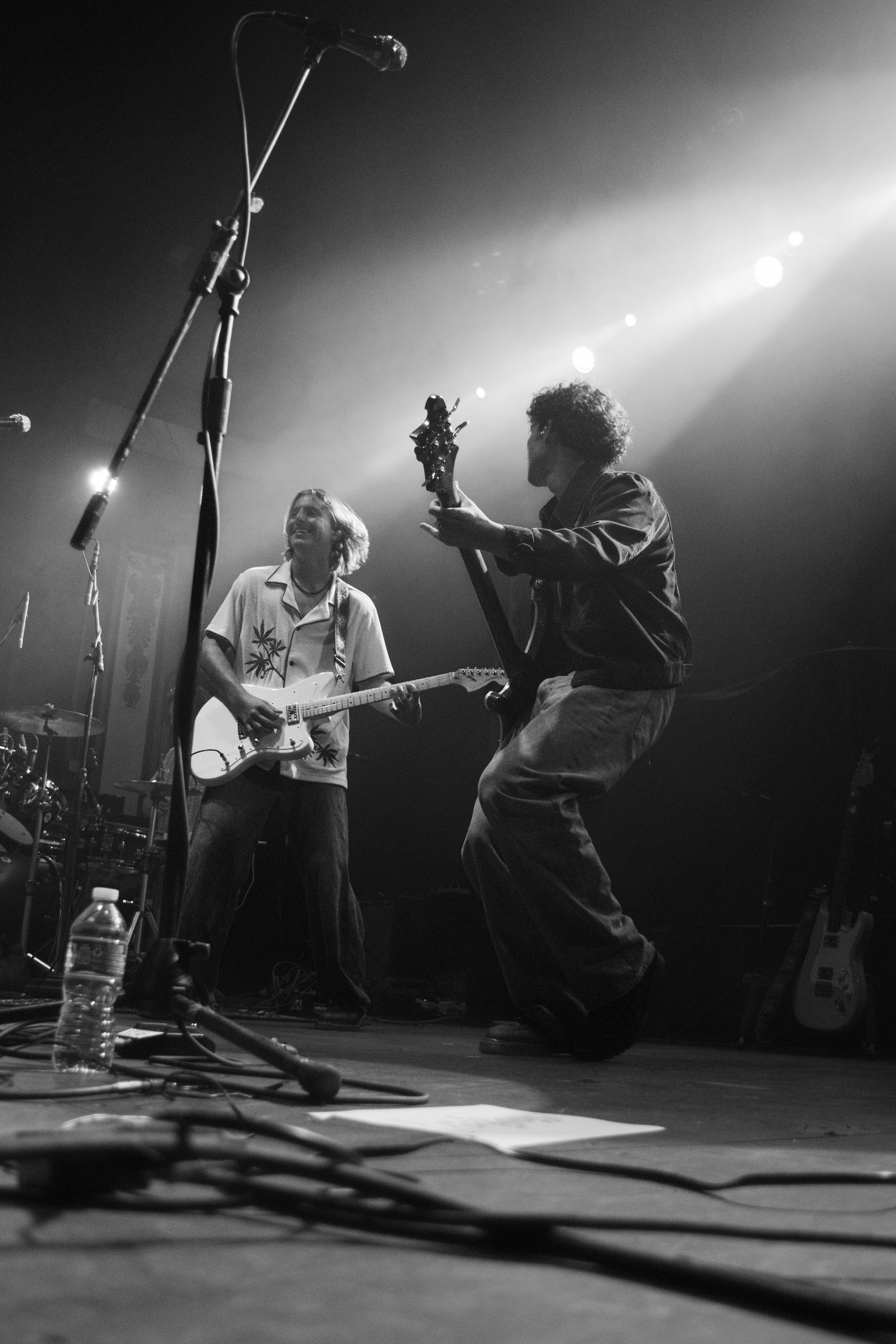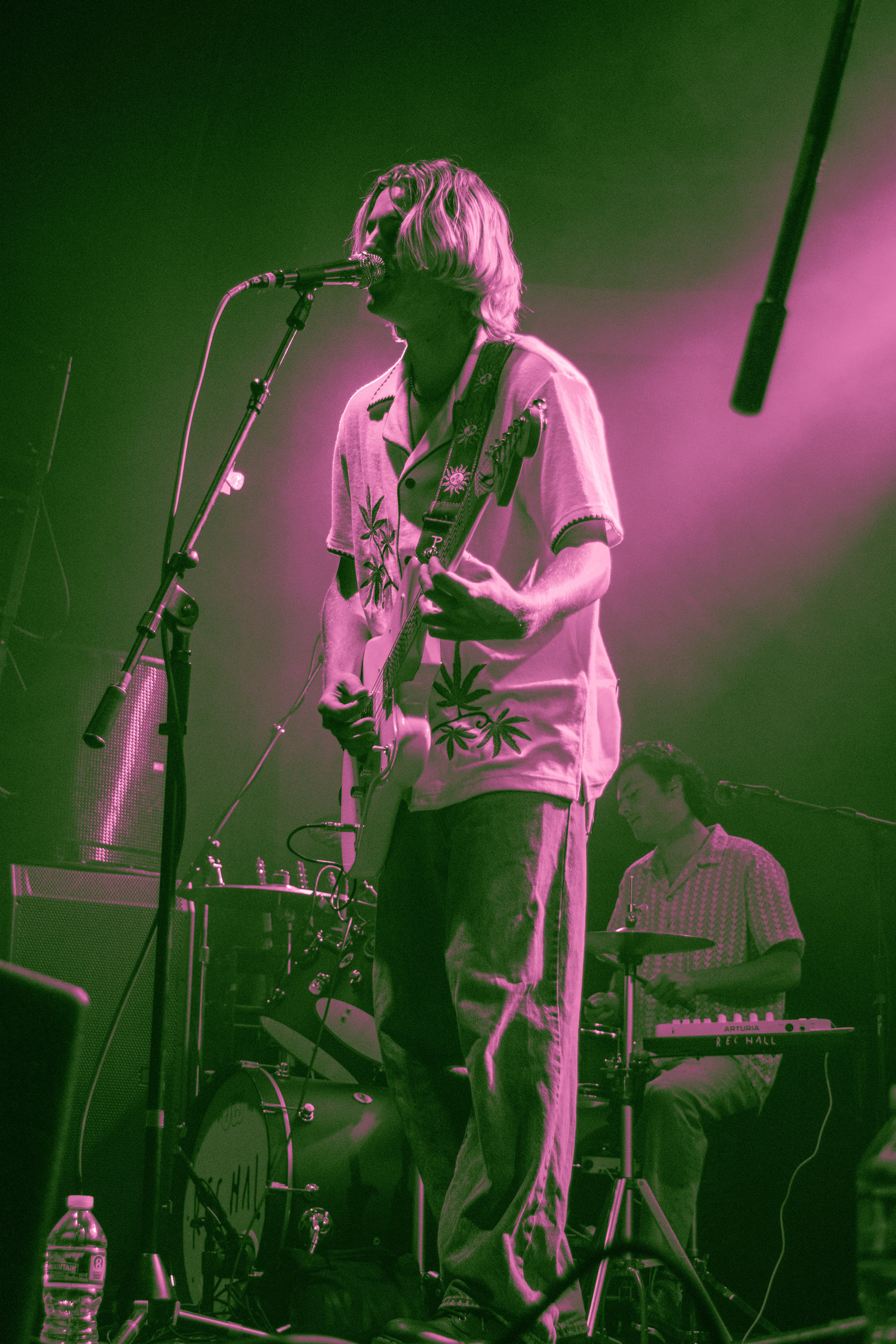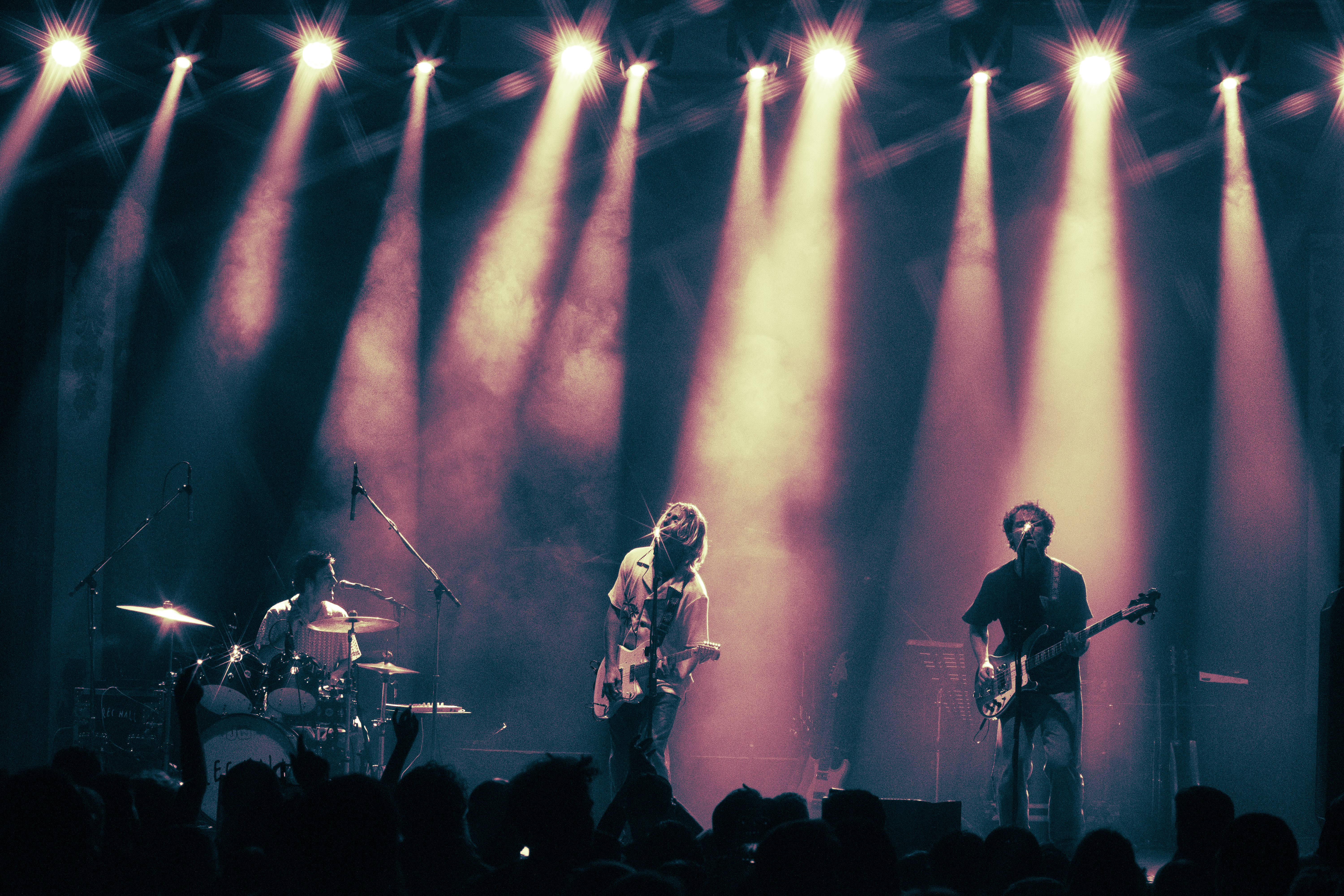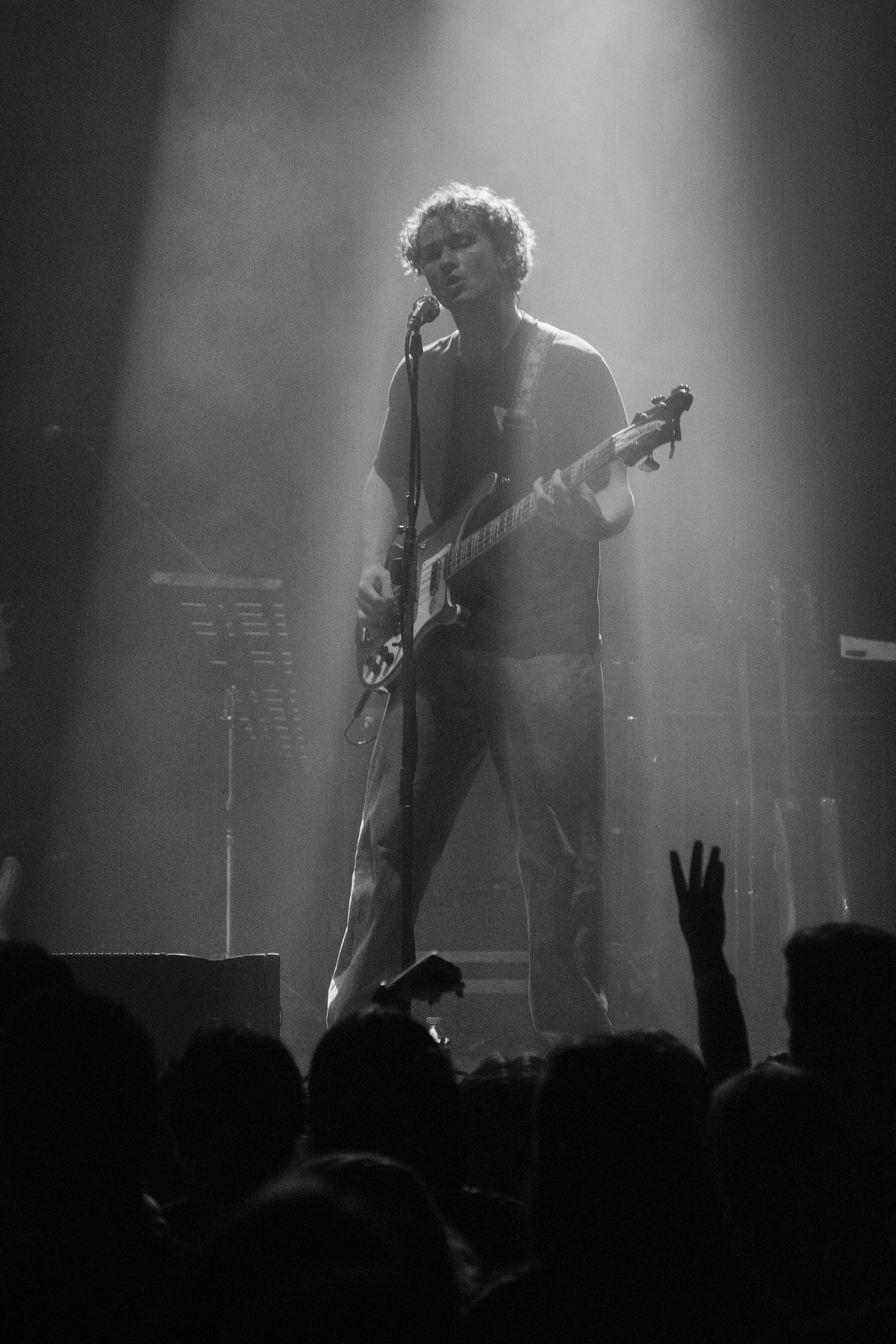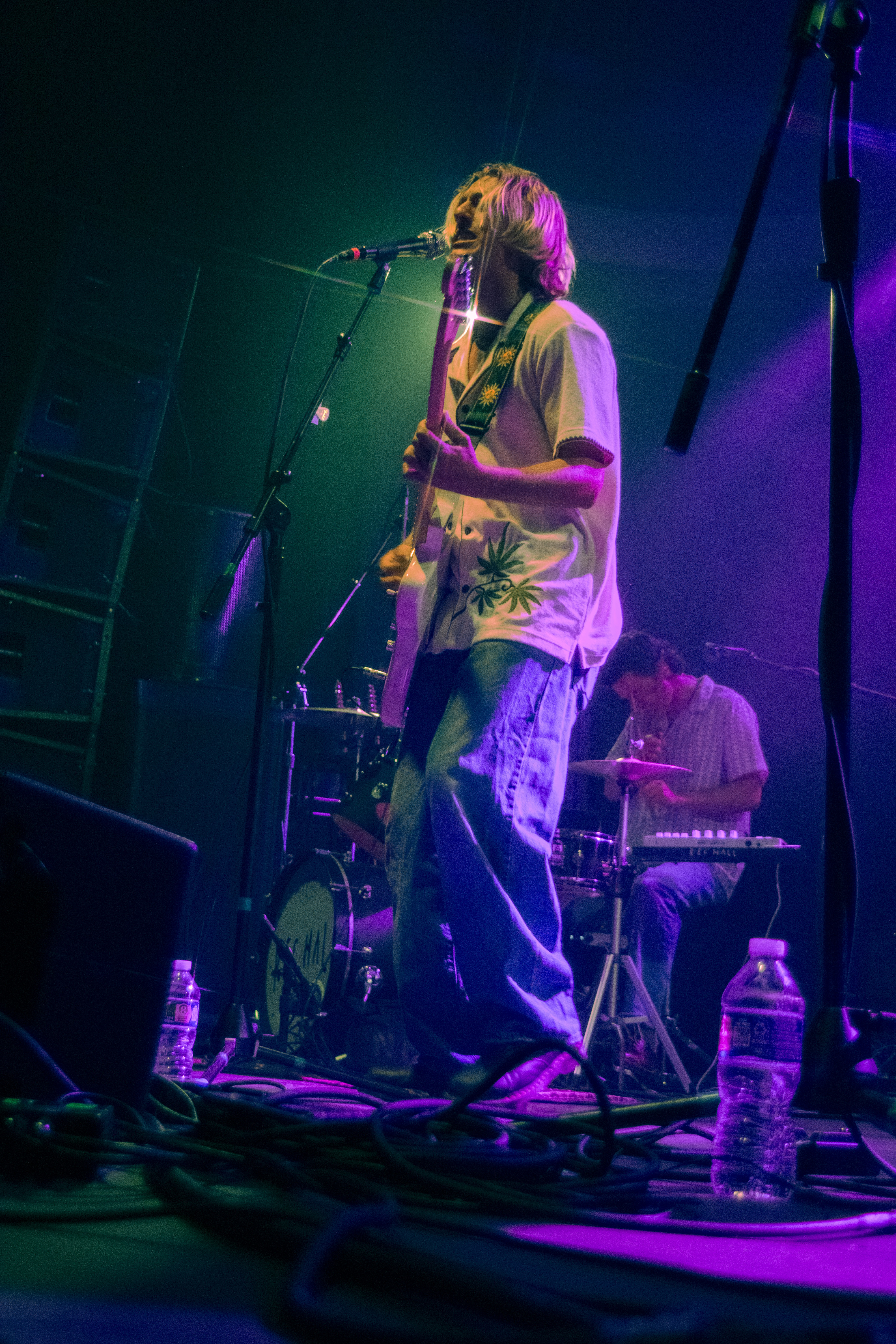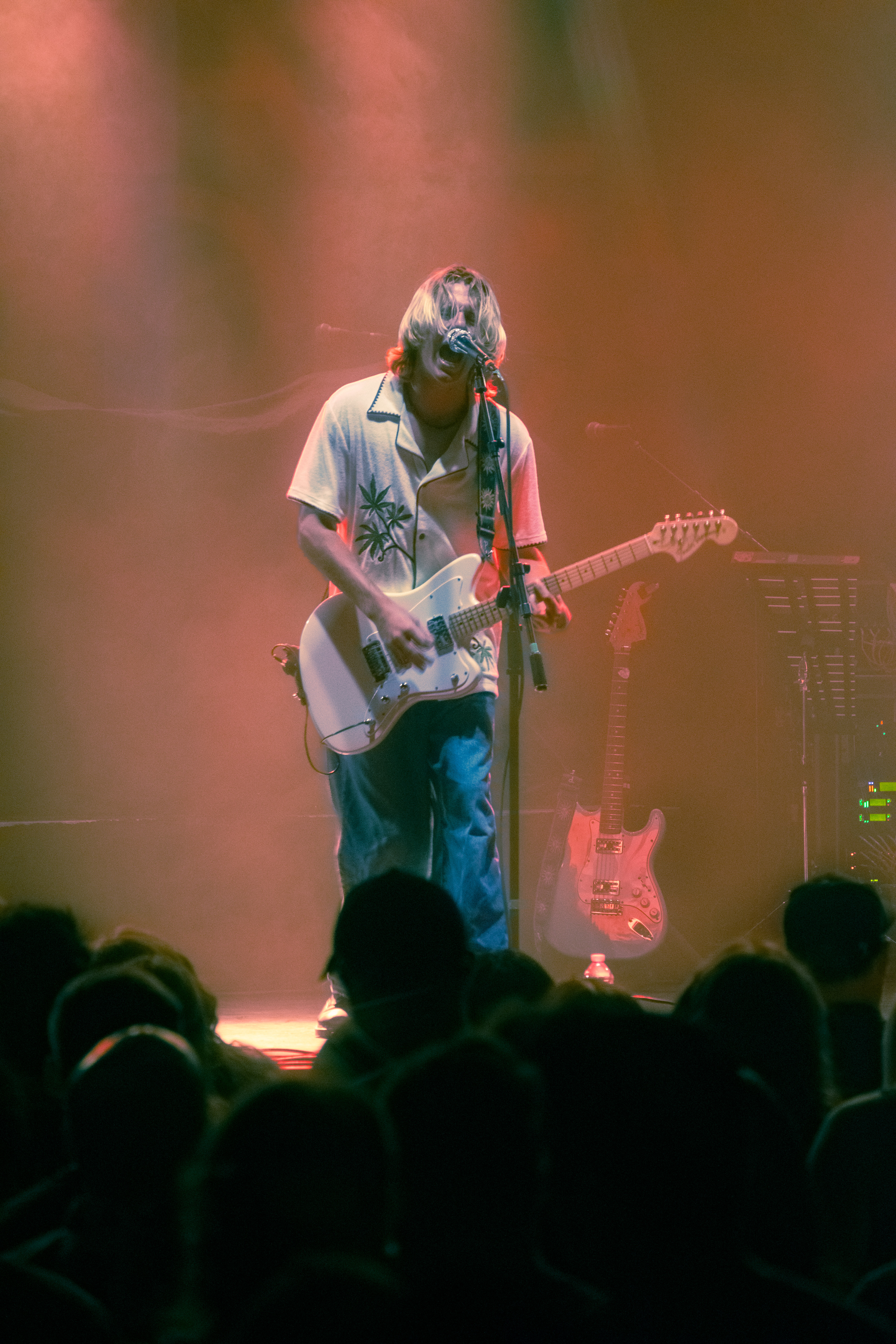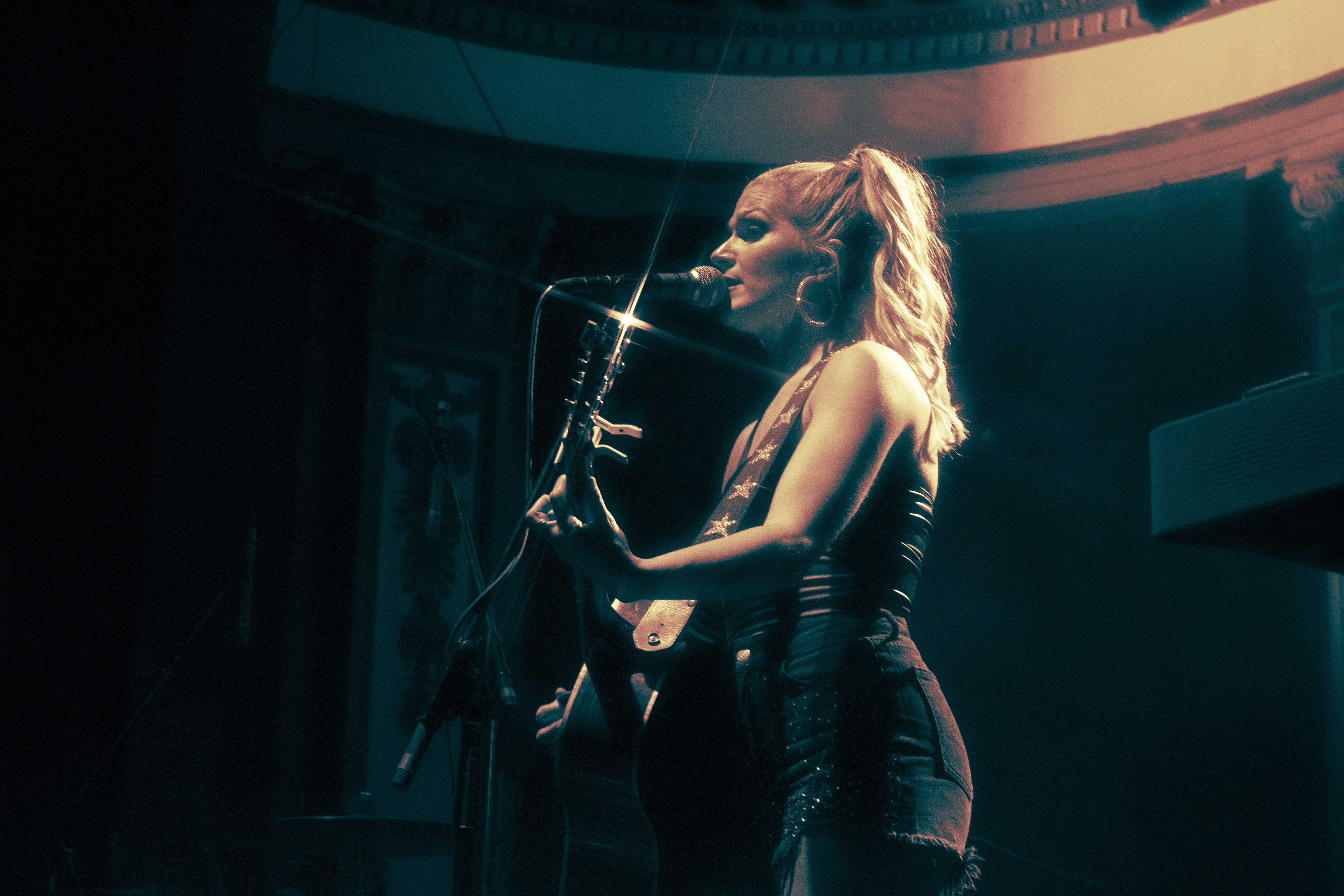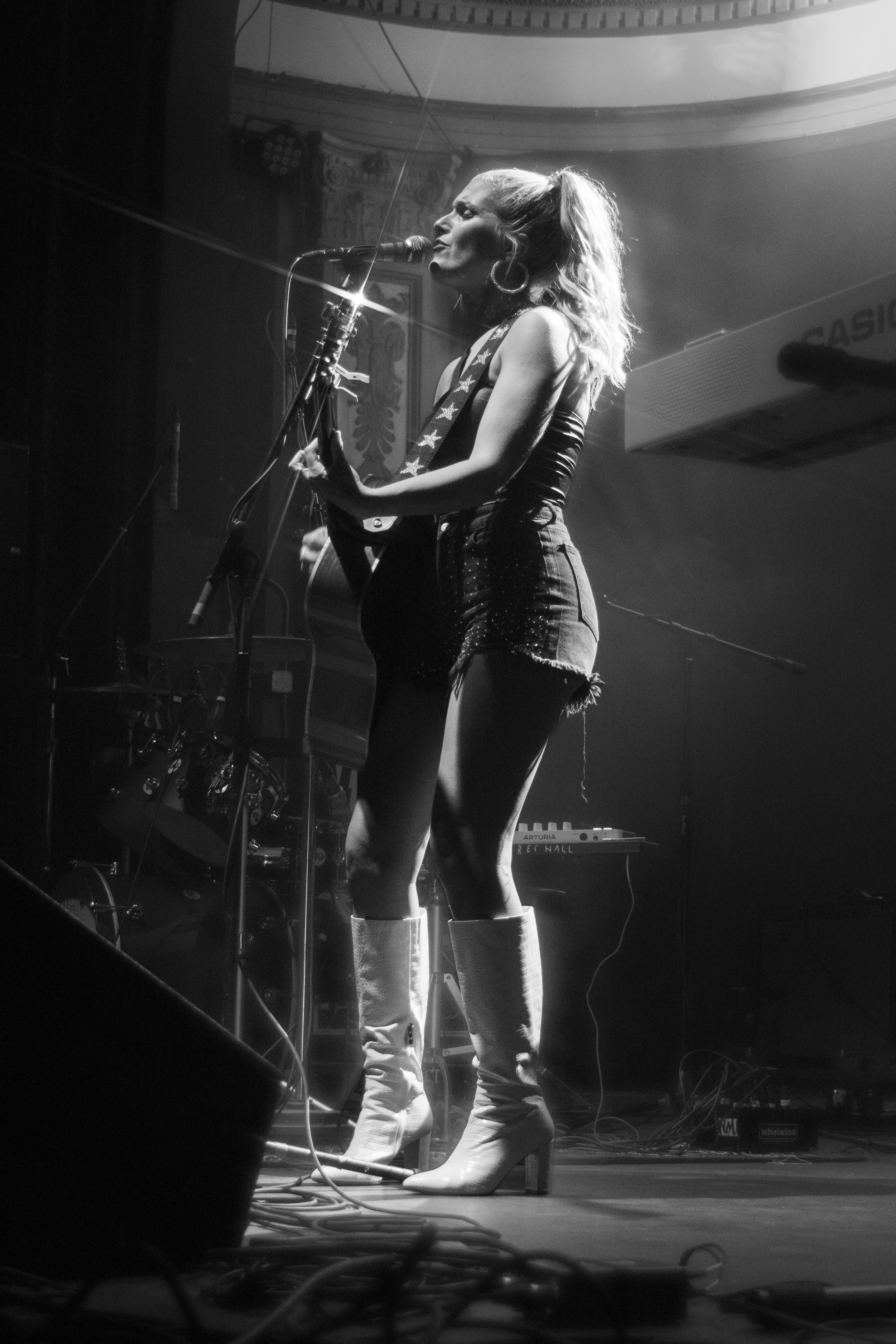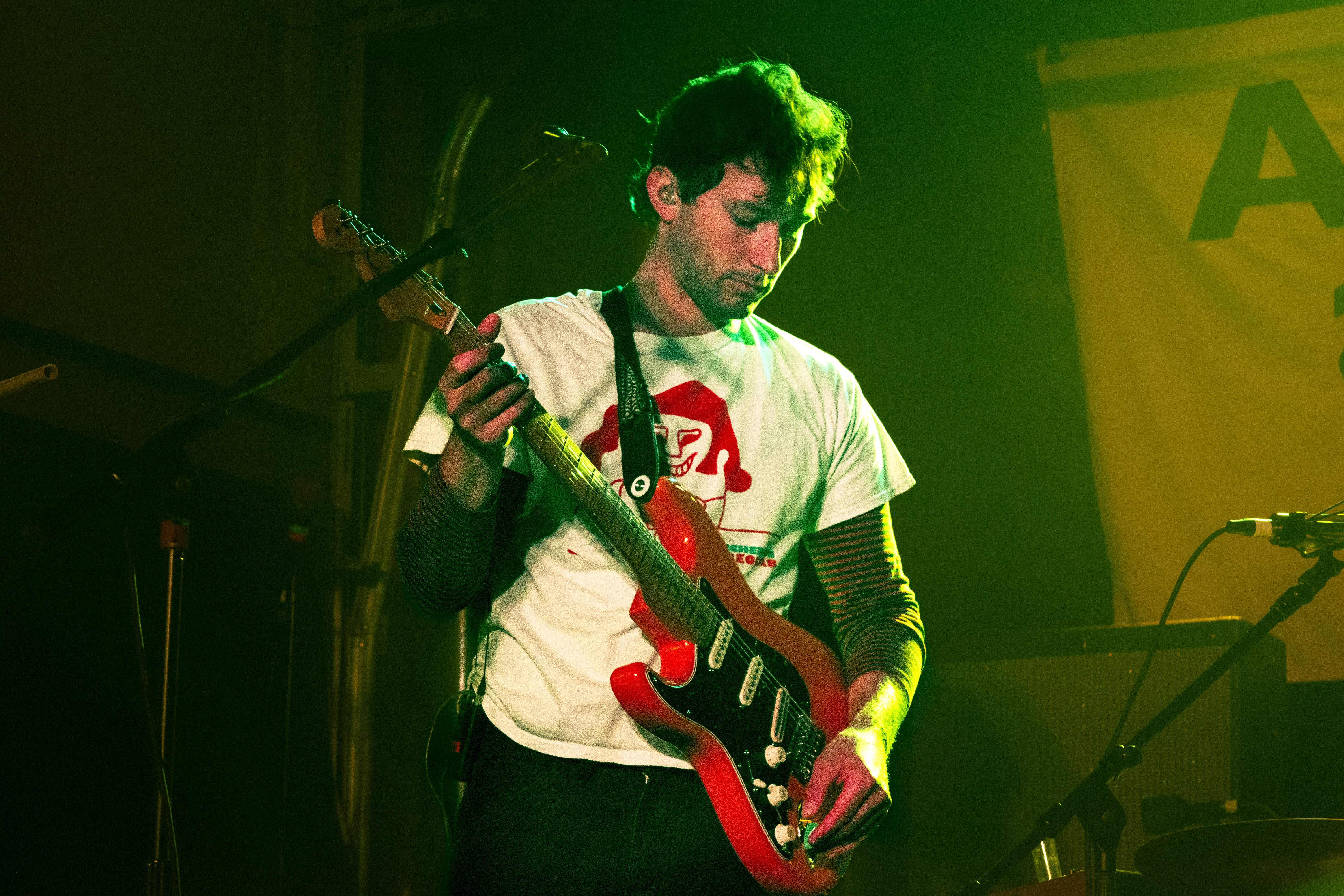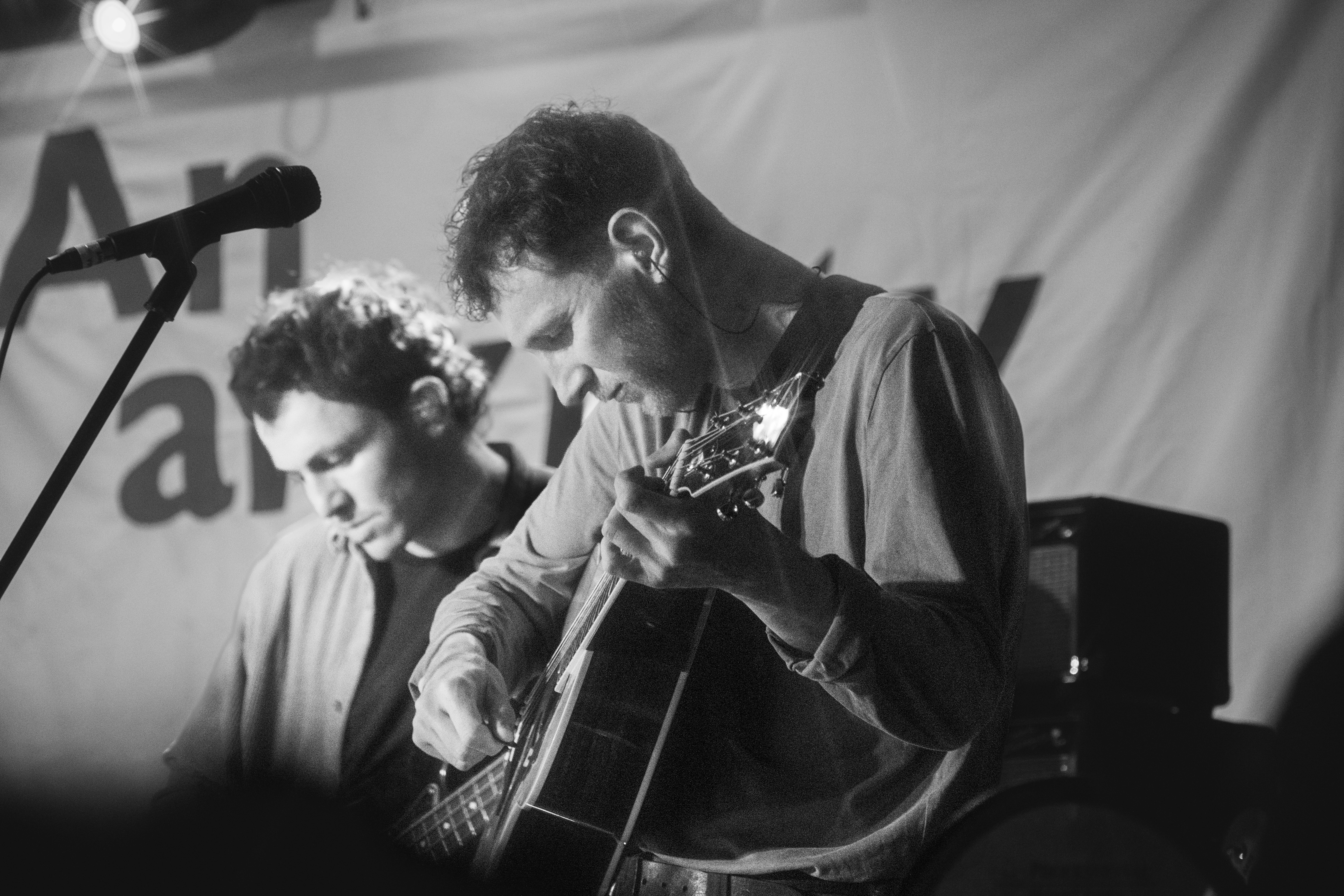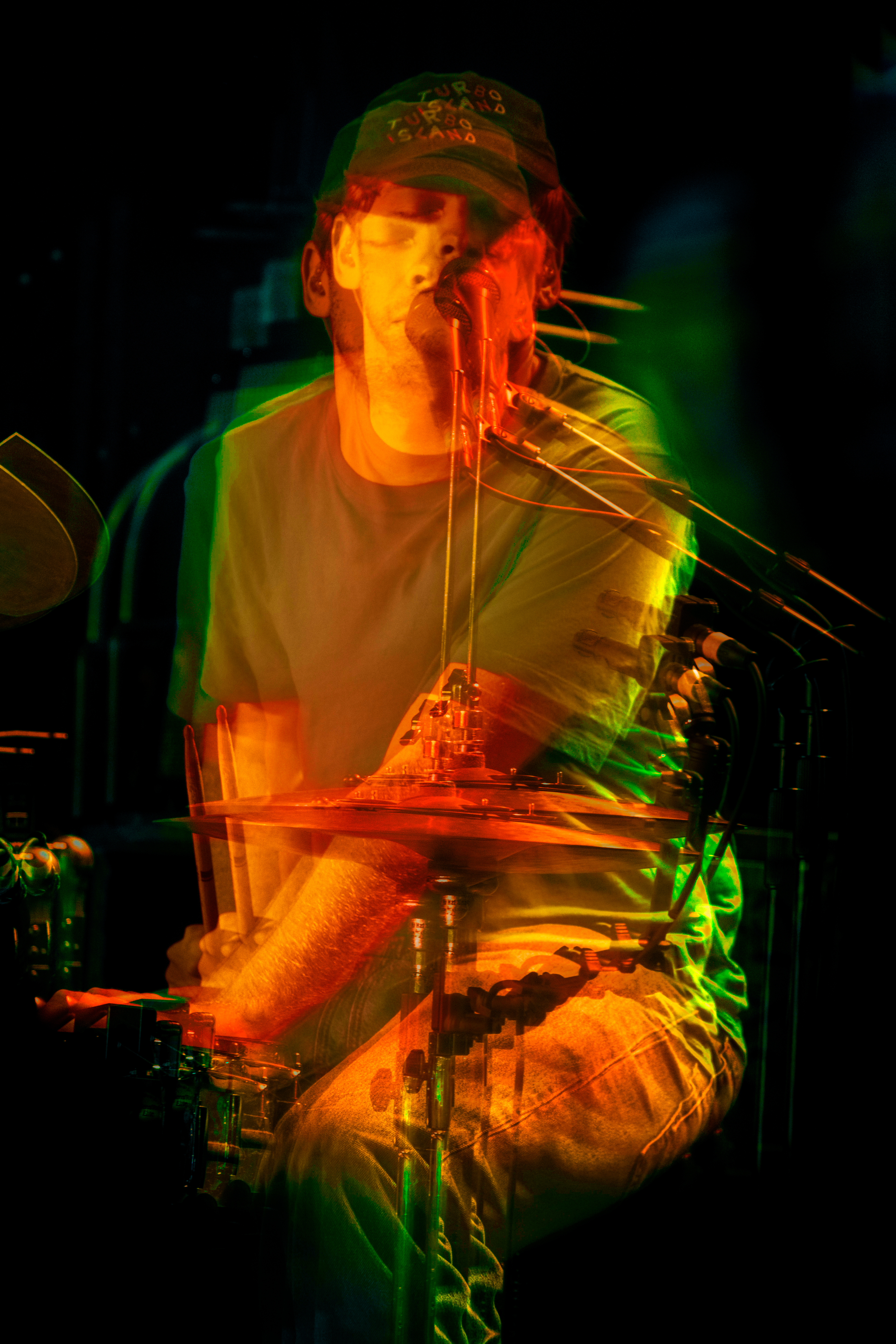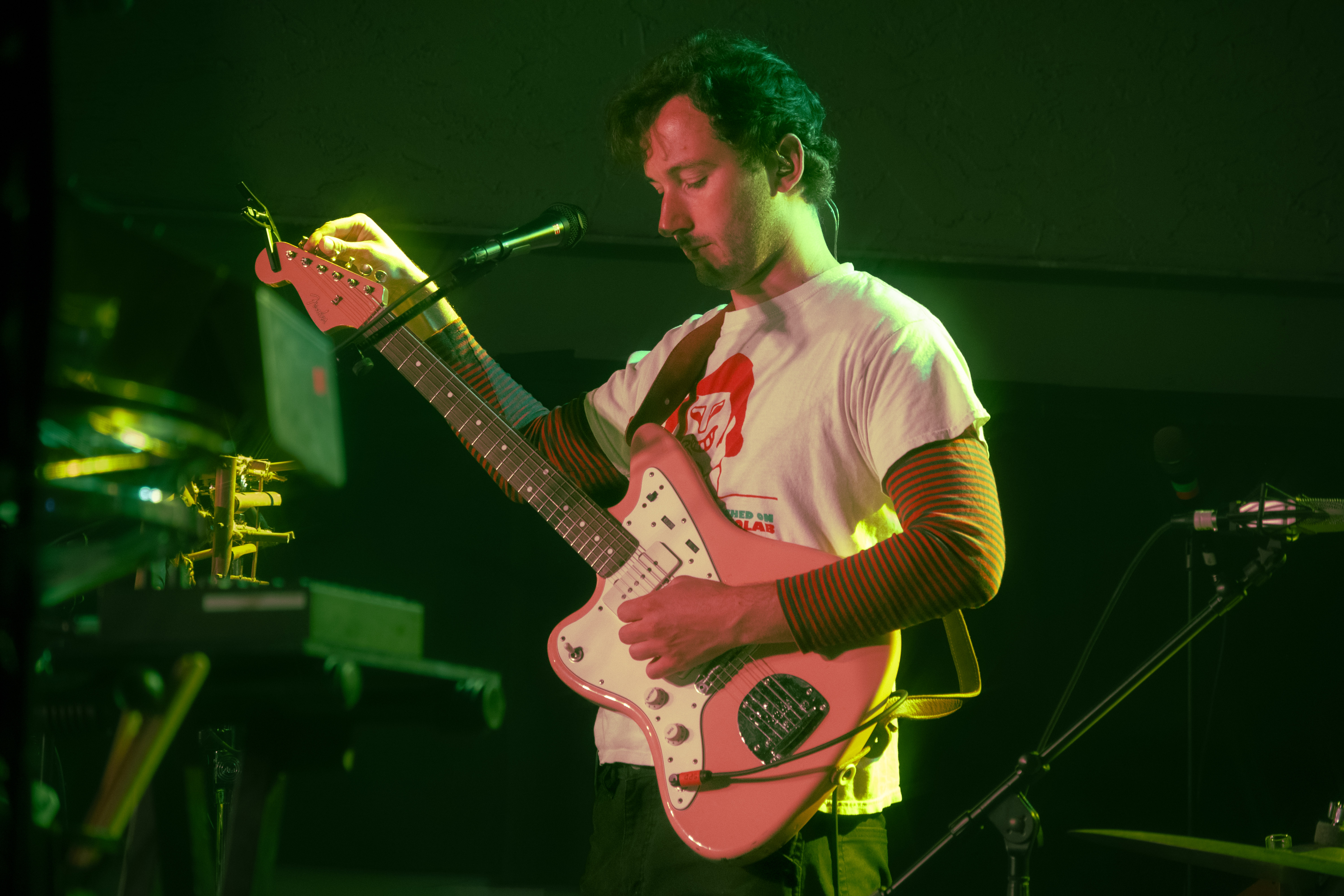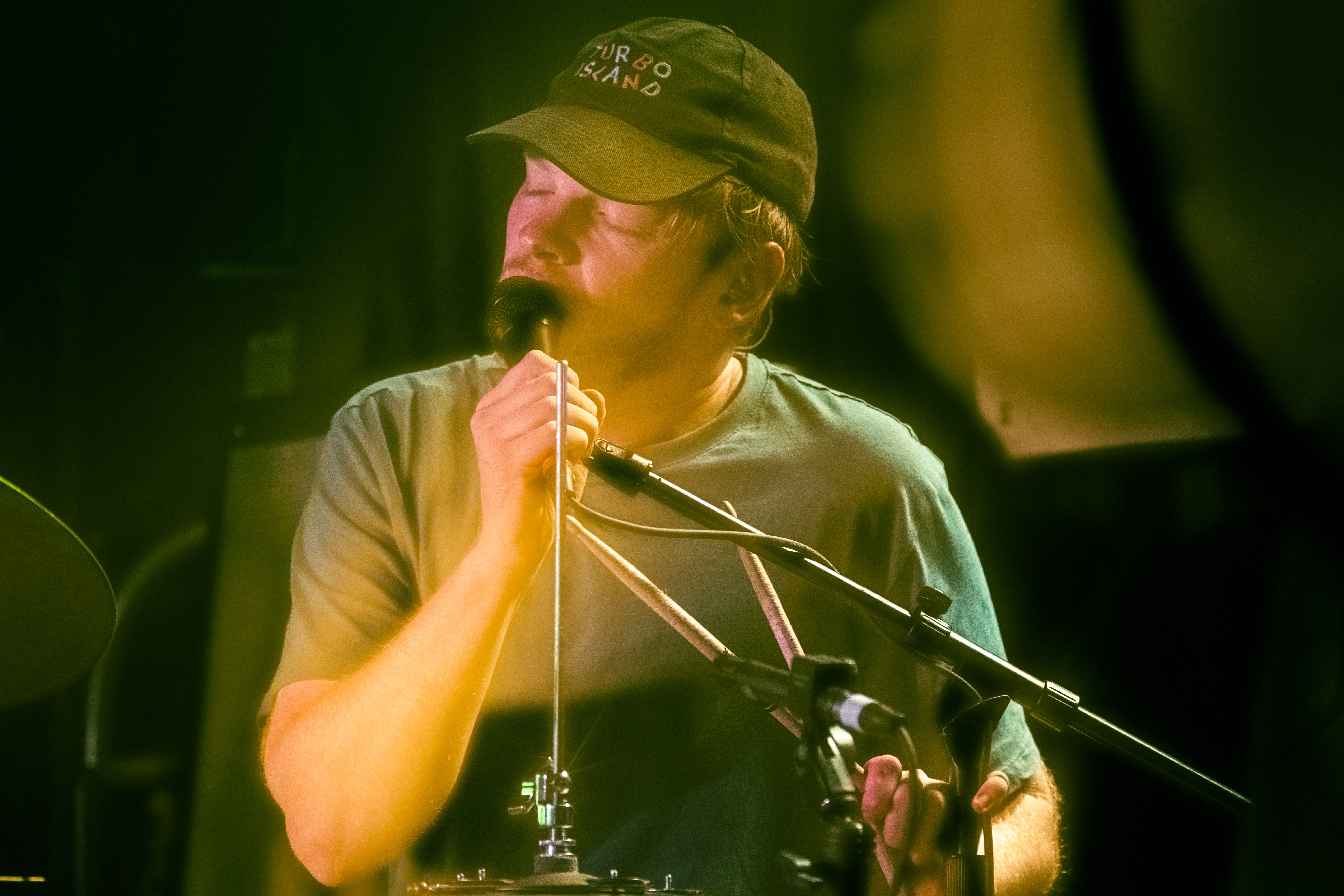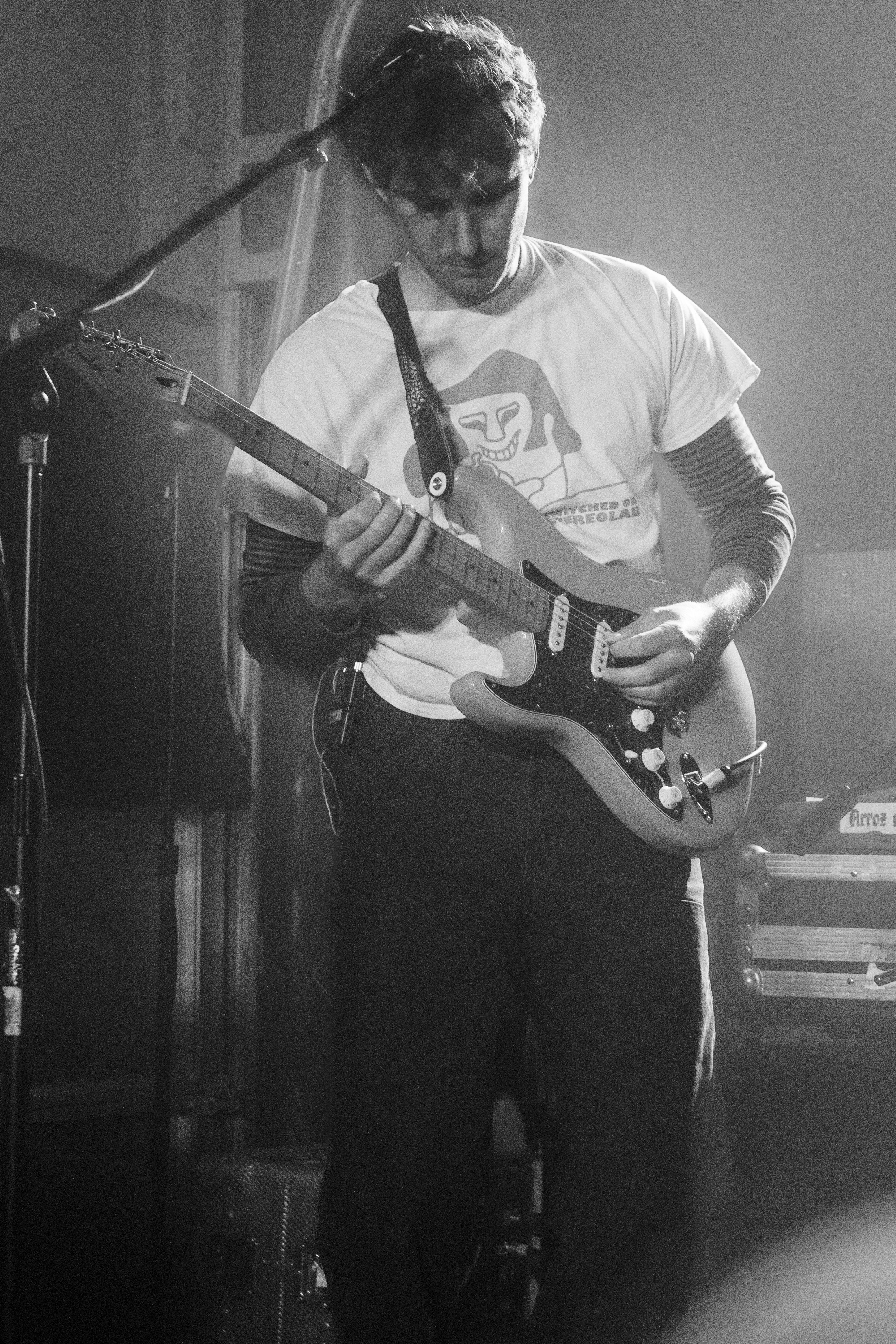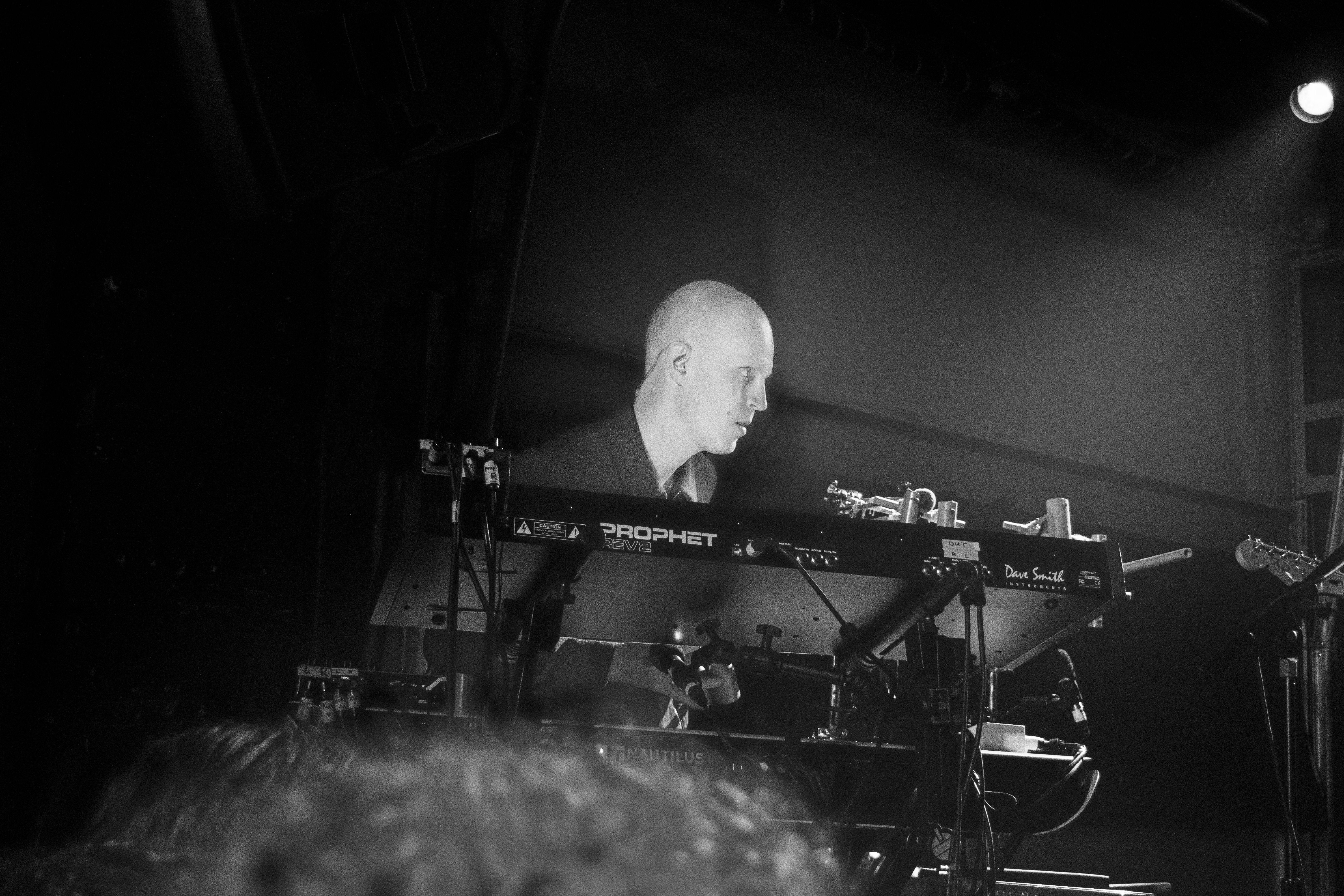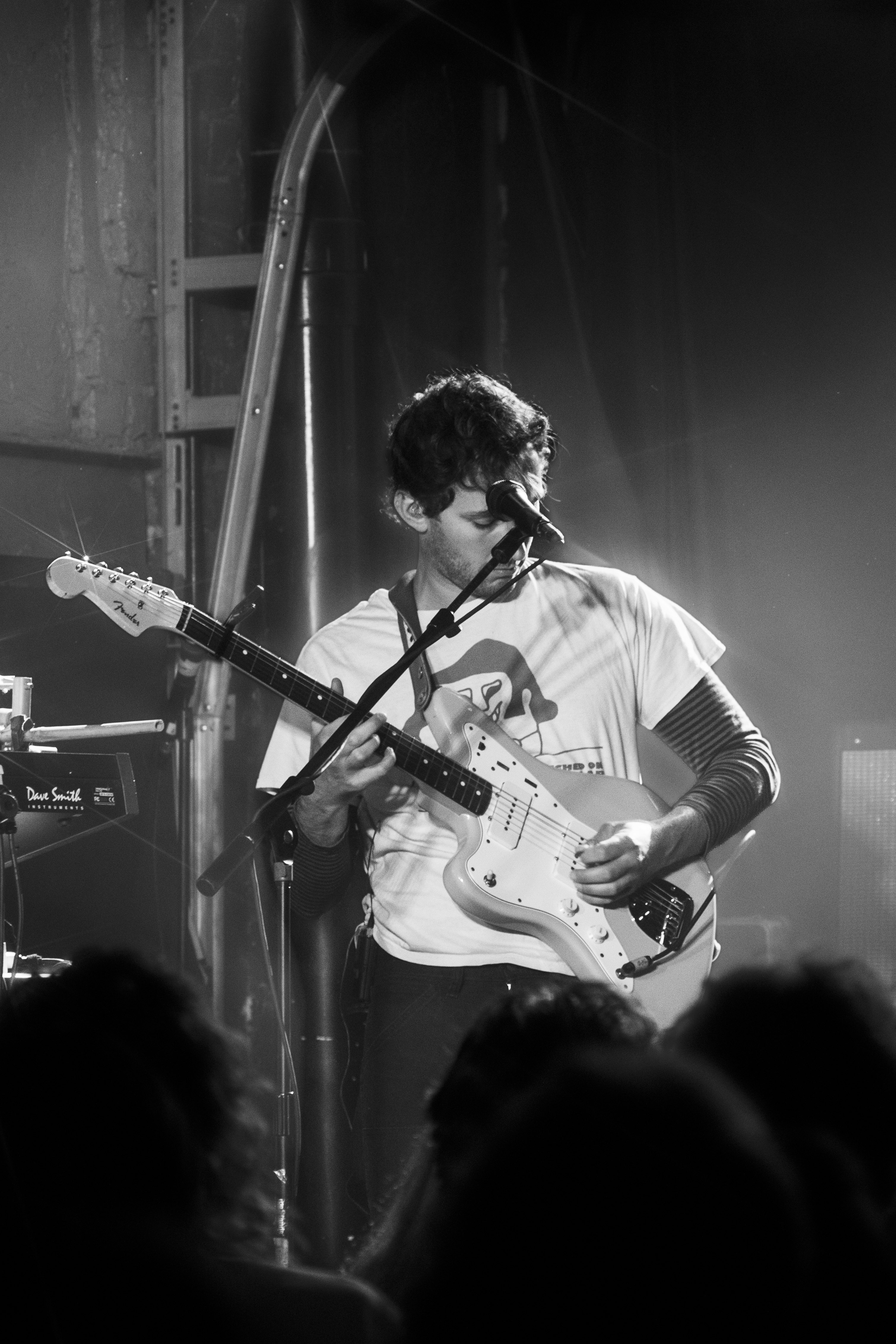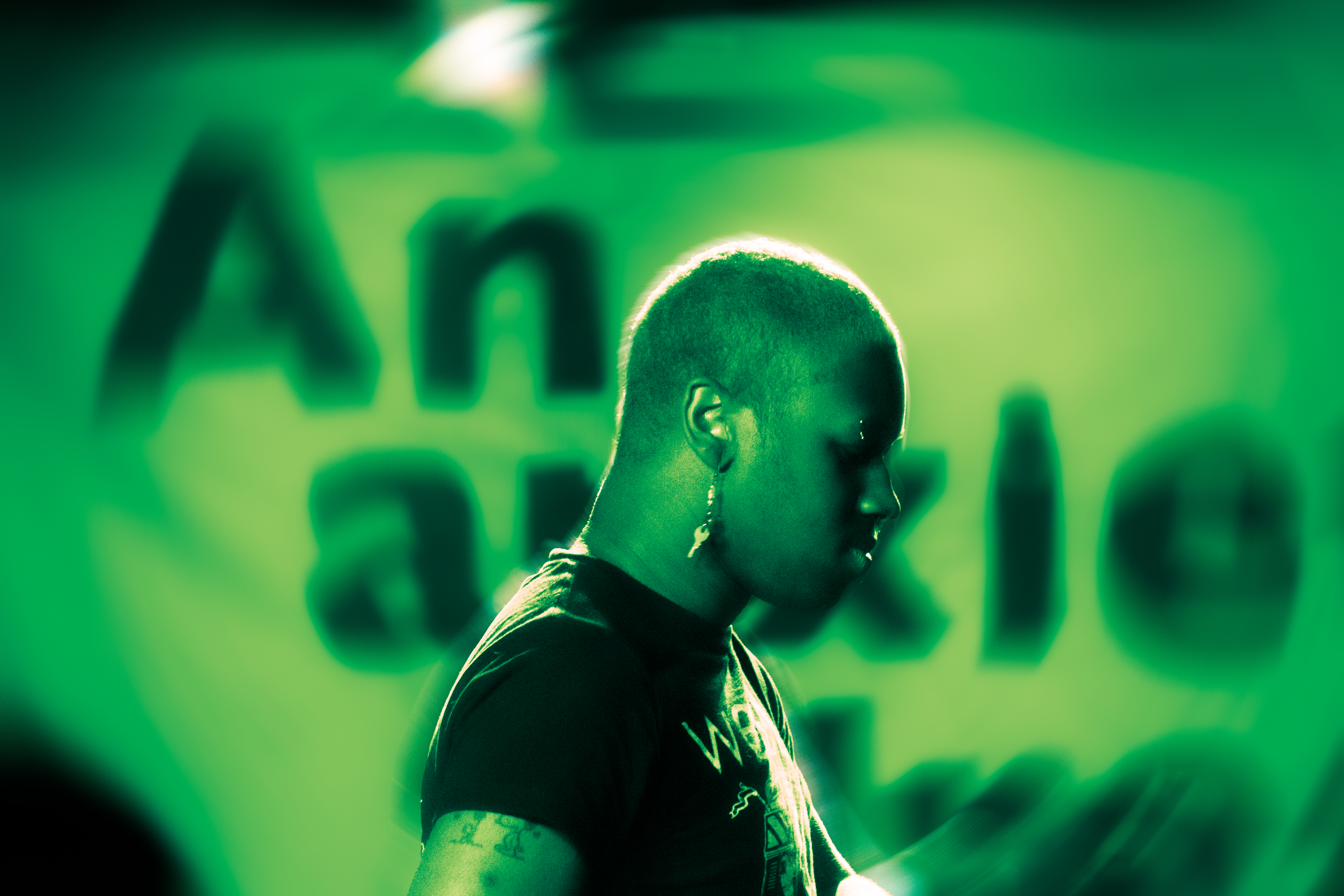
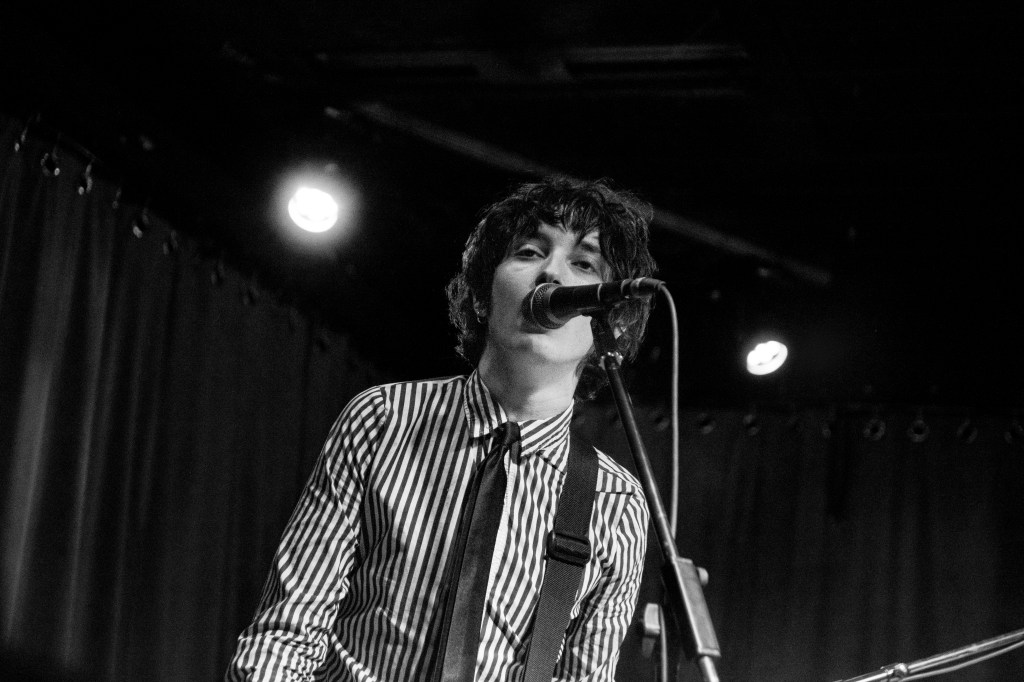
For the first time in over a decade, Vampire Weekend returned to Columbus on the second leg of the Only God Was Above Us Tour, corresponding to the title of their latest LP. The band was joined by the incredibly talented Brooklyn-based post-punk outfit Geese, whom I had the pleasure of photographing last year during a performance at A&R Music Bar here in Columbus.
Geese’s live performances often outshine their already impeccable studio recordings. The group knows how to work a stage, and seeing them at a much larger venue really showcased their abilities. The group performed most of their popular tracks, such as “2122” and “3D Country,” which were well-received by the crowd. Frontman Cameron Winter hinted at an upcoming release by the band, which I anticipate will likely be one of my top albums for 2026. Of the nine songs performed, four were unreleased. From what I heard of their new work, Geese is showing no signs of slowing down anytime soon, and we cannot wait to see what they have in store for us next. Geese has grown substantially in popularity since I last covered them, and their success is much deserved.
Vampire Weekend have always been one of my favorite bands–one of my first physical records in my collection was Modern Vampires of the City, which I played endlessly on my Crosley suitcase record player. I had the poster of the album cover on my wall until I left for college. I have wanted to see the group for a very long time, but have always been unable to make it happen. What better time to see them than now?
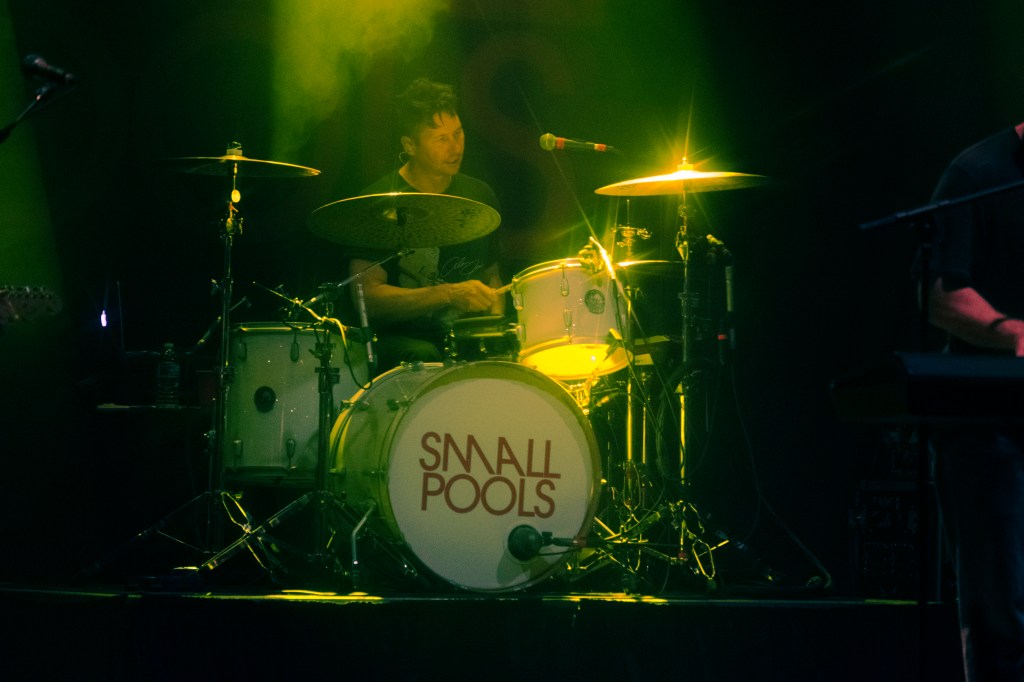
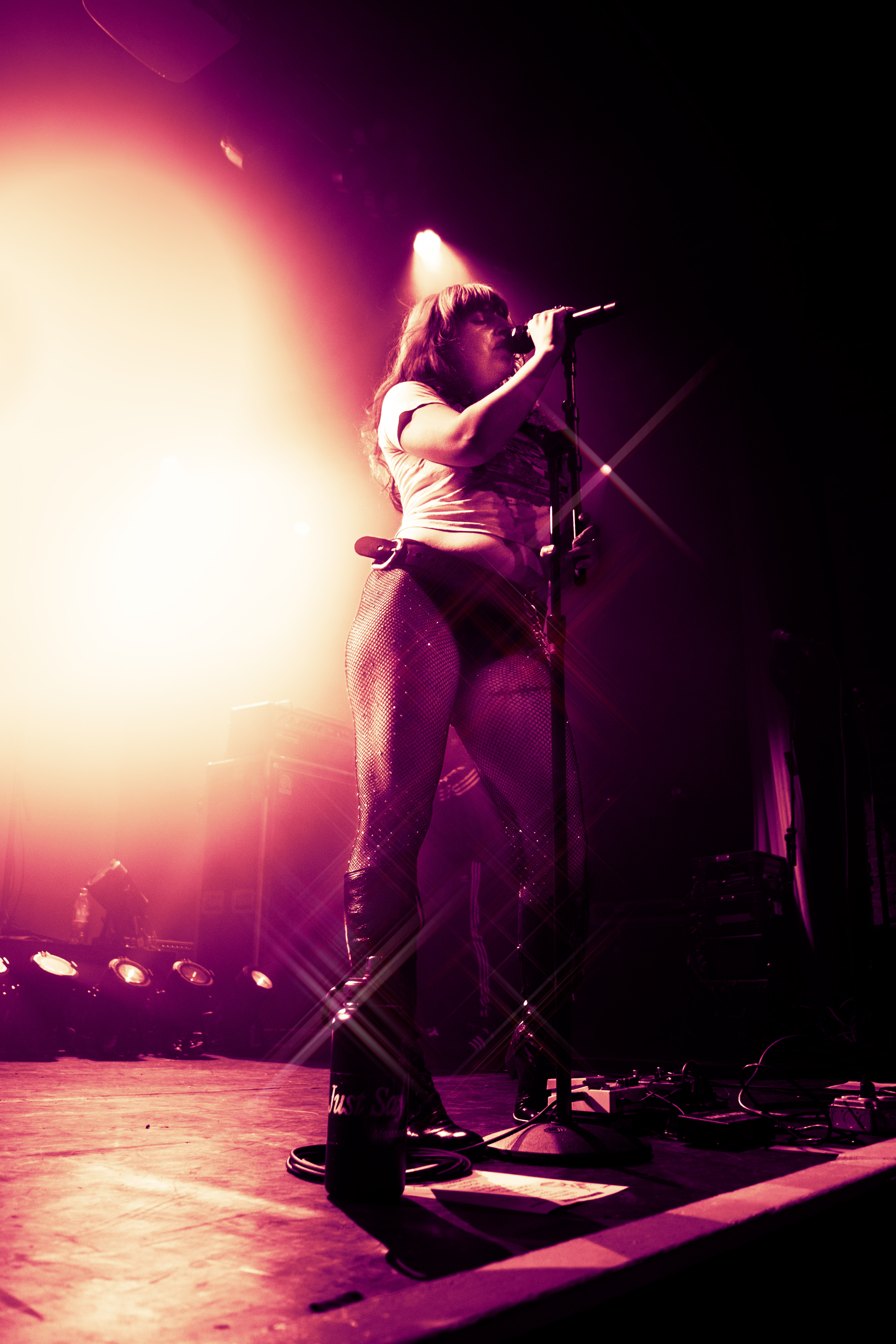
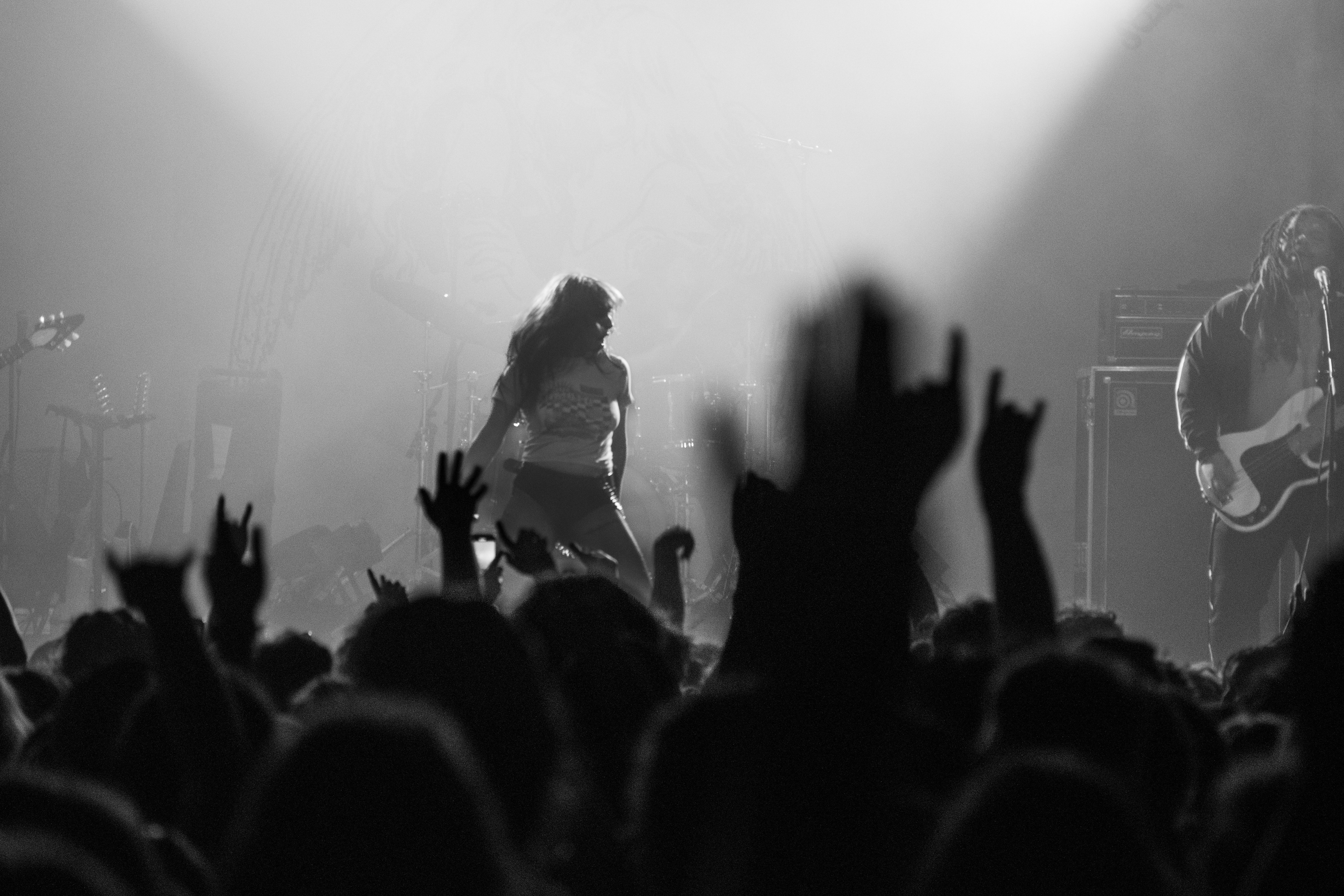
The band opens with “Campus” off their self-titled record, setting the energy for the rest of the show. Chris Baio’s bass tone is great, his dance moves quirked-up as ever. Immediately, I am blown away by the band’s performance. They sound almost identical to the recordings, and maintaining this throughout a 90-minute performance is quite the feat. The only other time I have seen two drum kits live was during local Columbus band Nodes’ performances. Vampire Weekend incorporates the industrial aesthetic everywhere from the stage props to the high-vis vests worn by the crew, which I found to be a great touch to the atmosphere.
Baio’s fingers somehow aren’t cramping after “Holiday;” the bassline is unwavering and perfectly intonated. The set continues, arriving at “White Sky,” which admittedly, I thought Ezra Koenig would have to alter the song with the high notes in the chorus. I was completely wrong. He hit those notes with perfect pitch, and this was arguably one of my favorite songs of the evening. Other notable tracks of the night were “Cousins,” “Diane Young,” and everyone’s autoplay favorite, “A-Punk.”
I feel like I may have slept on OGWAU as a record. The live performance of songs such as “Prep School Gangsters” and “Pravda” encouraged me to put this back in my rotation, and now I’m kicking myself for not blaring it in my car sooner. It’s perfect summer driving music, the light, effervescent melodies and choruses are unmistakably Vampire Weekend. If you haven’t given it a listen yet, I recommend it. The song titles are almost painful to say out loud when discussing the album with other people, but if you can get past that, you are in for a wonderful listen.
Vampire Weekend uses their encore slot to attempt cover songs requested by the audience. As soon as the band comes back on, fans raise homemade signs with requests everywhere from “Gary Come Home” to “Steely Dan.” Notable attempts include B52’s “Rock Lobster,” Jane’s Addiction’s “Been Caught Stealing,” and A-Ha’s “Take On Me.” Of course, no VW show would be complete without “Walcott” to close out a night of incredible music.
Vampire Weekend has been on my concert bucket list for well over a decade now, and I can say confidently that any post-concert depression is overshadowed by the incredible performance put on by both Geese and Vampire Weekend. This is not a show you want to miss, and if you can’t make it this time around, I promise, it is well worth the wait.
Alabama Shakes reunited in December 2024 for a surprise performance for the first time since the announcement of their hiatus in 2018. As the group prepares to release new music and embark on their first tour in nearly a decade, we have decided to revisit the group’s sophomore album, “Sound and Color,” released ten years ago to critical acclaim.
Truly, it’s hard to believe it’s been this long since this record came out. I remember the day it came out, seeing it plastered on the front of the iTunes store. Now, after several years of lead vocalist, Brittany Howard, pursuing a solo career, Alabama Shakes have chosen to return to the scene, and we could not be any more thrilled.
Title track, “Sound and Color,” opens with this hypnotic vibraphone introduction, slowly painting the foundation of the record, adding in shuffled drums and keys. “Sound and Color” repeats through the outro, with Howard’s impeccable harmonies synergizing with emotive expression, “I want to touch a human being…ain’t life just awful strange?” It has been previously said that the track is about an astronaut that has been frozen in time, coming back to life and seeing how much things have changed. I think this can be applied as a metaphor for experiencing loneliness and isolation, which Howard is all-too-familiar with through her experiences as a black, queer woman growing up in the South, and as someone who has experienced significant loss from a young age. The track lays the groundwork for the rest of the album, with sound painting brushstrokes of deep, velvety mauves through spinning sound. Maybe it’s just the power of suggestion through the album title, but it’s hard to refrain from associating color with the various tracks on the record.
“Don’t Wanna Fight,” opens with a twangy, syncopated guitar duet that brings out this light green hue from the background, reworking the feel from the first track. It’s effervescent and refreshing, contrasting with the lyrical content depicting a relationship marred by incompatibility. It’s easy to understand why this was chosen as the lead single ahead of the full album release. Howard’s jagged “ooh” heading into the first verse is sharp as a razor, cutting through the music and putting her presence at center stage.
“Dunes” occupies a space somewhere at the crossroad of Led Zeppelin and MC5 with a dash of Aretha Franklin. Initially, the production leaves me feeling like I have water in my ears from the equalization of Howard’s vocals. I can look past this for the artistic effect it adds, especially in stereo, and I think this is an underrated song from the Shakes’ discography. It’s pure 70s in its sound; the dry, muffled drums and dirty fuzz complement Howard’s magnificently-blended harmonies.
“Future People” proves to me that Alabama Shakes songs hit their stride after their intro. The jagged bass, synth, or whatever it may be, adds such a garage lo-fi component that makes it feel like I could be listening to a record I found in a long-forgotten bin at a record shop just waiting for someone to give it the time of day.
“Gimme All Your Love” plays with dynamics in a manner that really showcases the band’s musical abilities. The opening guitar and snare hits will jolt anyone unfamiliar with the track. This grandiose entrance oscillates between punchy guitar and clean, sizzly ride pings. This song is gentle, soulful, and romantic, but comes in blazing with the chorus. In my opinion, as unpopular as this may be, the bridge is the best part. The walking, booming, muted bass line coupled with syncopated keys and sloshy open-hat drums leading into a pre chorus call-and-response of the guitar between right and left channels is impeccable. “Gimme All Your Love” is undoubtedly the highlight of the album, and in an album full of incredible musicianship, this says a lot.
“This Feeling” completely changes the vibe, embracing minimalism and stripping down all of the fanfare and fuzz, while still making it clear who is behind this song. The nylon string guitar, upright bass, and hand drum keep things moving along, no big muff necessary. “Guess Who” keeps things chill, embracing the lo-fi, homemade aesthetic that takes over the middle of this record.
“Gemini” is the longest track on the record, clocking in at 6:35. This is a song that warrants a few listens. I find myself oscillating attention from the phasing keys dancing between my right and left ear, and Howard’s hypnotic, echoing vocals. The drums feel like they’re on the back end of the beat, which builds that tension in the song; the drums take the backseat here, but their presence is not lost on me. I love the way the album plays with stereo sound, it feels like the song is flossing my brain. The incorporation of auxiliary percussion contrasts the crying bit-crushed guitar.
“Gemini” is the longest track on the record, clocking in at 6:35. This is a song that warrants a few listens. I find myself oscillating attention from the phasing keys dancing between my right and left ear, and Howard’s hypnotic, echoing vocals. The drums feel like they’re on the back end of the beat, which builds that tension in the song; the drums take the backseat here, but their presence is not lost on me. I love the way the album plays with stereo sound, it feels like the song is flossing my brain. Additionally, the incorporation of auxiliary percussion contrasts the crying bit-crushed guitar tone with incredible complementation.
“Over My Head” closes out the album, it feels almost like a requiem for “Sound and Color,” Howard proclaims “loving so deeply, I’m in over my head” over and over again, contrasting the feelings of loneliness in the beginning of the album. Love and relationships can be complicated; human interaction is often a strange push-pull relationship beyond what we will ever be able to understand.
Brittany Howard may have ended Alabama Shakes’ last album with emotions over her head, but her time as a solo artist has allowed her to grow significantly as an artist. The group has announced their return with the pending release of their first record in a decade, and I cannot wait to see what the future holds for this incredible group of artists, including catching them on tour this summer.
Black Country, New Road has been through a lot together as a group. Lead guitarist and vocalist, Isaac Wood, left the group in 2022 at the advent of their sophomore album release, “Ants From Up There,” making much of their catalogue unperformable live. BC,NR have adapted to their new lineup, and released their first record since Isaac left the band. In celebration of new beginnings, I want to revisit their first LP, “For The First Time.” Released in 2021, For The First Time is raw and experimental, but refined compared to their early single releases of some of the same tracks. This is an incredibly underrated album, I believe this record is somewhere near the pinnacle of experimental post-punk coming out of the UK. It has everything–synths, saxophones, jazz influences, tongue-in-cheek references to niche content, and men who look like they would sell Jean-Michel Basquiat clones on the TikTok Shop.
Track 1, “Instrumental,” is just as it sounds. The track is likely one of the last things you would expect to hear coming from a post-punk record, yet, somehow it fits well. The track is tense, grandiose, and jazzy with its swung-time feel. This is a statement to set the scene for the remainder of the album. The uneasiness and tension built by this track flows perfectly into the next track, “Athens, France.”
“Athens, France” draws back the heat, but maintains a flickering flame of tension. The song opens with this guitar, drum, bass, minor key syncopated feel with a slower tempo. The mix is tight, and Isaac’s almost frantic vocals tie the atmosphere together. Just as you think the song is about to explode, the buildup of swirling saxophones and chaos cuts, resting on a single F chord. A light ostinato on drums, barely audible, joins, synth droning. A sense of clarity comes out of this, a stoic saxophone accompaniment. The song is reflective, pensive, and introspective. “It’s a one-size-fits-all hardcore cyberfetish, early noughties zine, she sells matcha shots to pay for printing costs and a PR team. She’s recently enlightened, somehow that fazes me…” depicts a critique of upper-class, posh characters who fantasize about being working class, so much so they would rather LARP than be admit their rent is financed by their trust fund. Isaac’s lyrics are incredibly clever, and his lyrical prowess facilitates a world that is easy to step into.
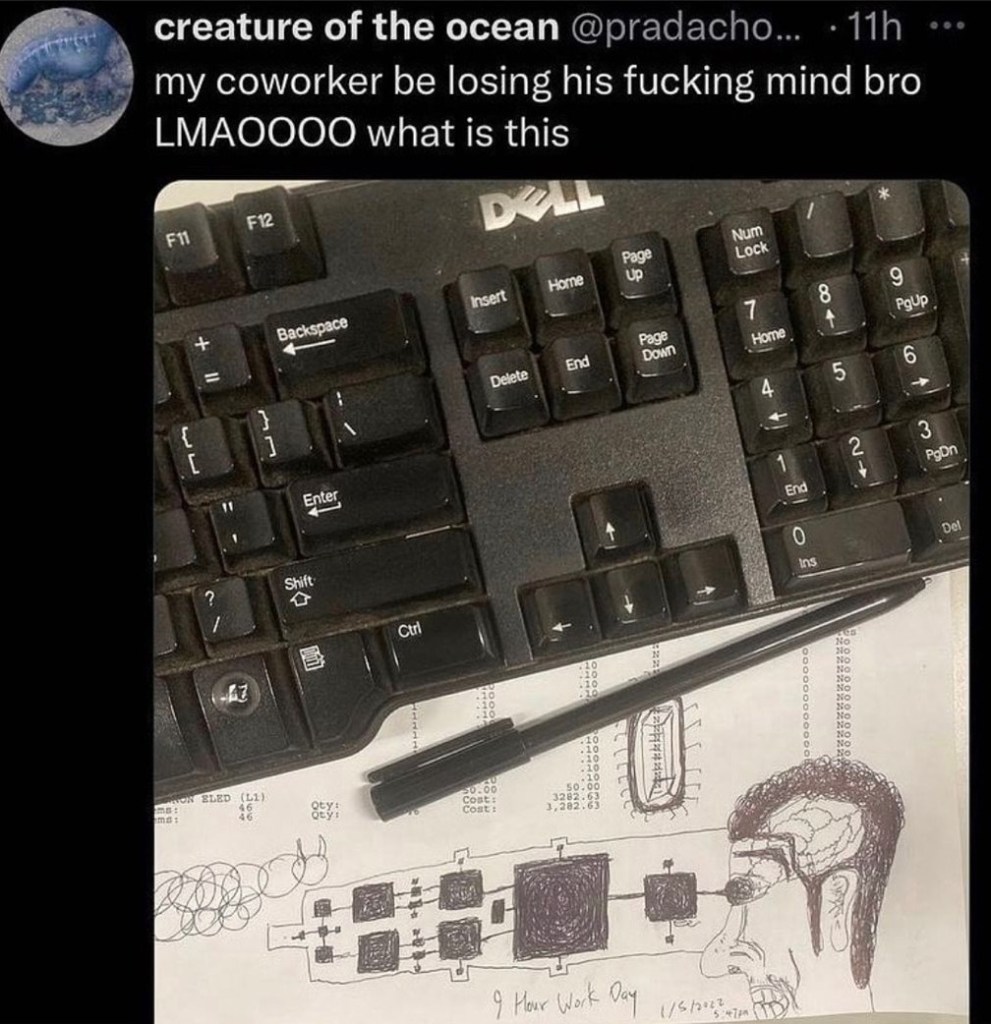
“Science Fair” has grown on me. Admittedly, this track was a skip for me for quite some time. The lyrics of this track paint a picture of someone who is the embodiment of the following tweet:
Anyways, despite the personal nature of the track, laden with references I likely will never understand, it managed to make me chuckle in all of the chaos of the music. “Just to think I could have left the fair with my dignity intact, and fled the stage with the world’s second-best Slint tribute act” is comically self-aware; one of the first things I ever thought of when listening to BC,NR, much like many others, was the stark similarity to the now defunct group Slint. Science fair continues, “still living with my mother, while I move from one microinfluencer to another.” I never thought I would ever hear the word “microinfluencer” in a song, to be honest. This line elicited a half-smile upon first listen; it’s a blunt, yet thoughtfully-placed nod to the experience of living in a digital era where social media allows anyone and everyone to be a “celebrity” in some way. Isaac Wood is a mastermind of capturing the aura of social anxiety and depersonalization–the science fair, the embarrassment, burning cheeks. All of this with a voice that sounds calm, yet markedly frantic and terrified at once.
Sunglasses is my favorite song off of this album. The song starts with this fuzzy guitar, and synth feeding back into itself. Something about the dissonance and ending on this huge open-D chord and going directly into a clean guitar riff just scratches this itch in my brain. The signature guitar riff comes in over the droning synths as the drums kick in, and the verse begins. Again, themes of class are rampant. “…She steams herself in marble rooms, courtesy of pigs” is rather upfront. Note, the lyric was originally “courtesy of big pharma” in the single version. Isaac gazes into the TV that only his girlfriend’s father could afford, while she spends money in excess.
The girlfriend’s mother is frail and weak, yet forced to appease her husband as she relies on his money. In this moment, Isaac knows that he, himself, is detached from this lifestyle of luxury, “and with frail hands she grips the NutriBullet, and the bite of its blades reminds me of a future that I am in no way part of,“ drives the point that as someone who is not upper class, he cannot relate to their anguish when there is such an excess of “things,” like the items that glow gold, the second living room etc. “In a wall of photographs in the downstairs second living room’s TV area, I become her father, and complain of mediocre theatre in the daytime, and ice in single-malt whiskey at night, rising skirt hems, lowering IQs and ‘things just aren’t built like they used to be,’ the absolute pinnacle of British engineering” pokes at the incessant need for the “old money” class to complain about everything “ruining” the way things were, and long for the days when tax evasion wasn’t needed and gasoline flowed like water. Isaac sees himself turning into something he cannot stand, proclaiming “I am so ignorant now, with all that I have learned.”
The song falls apart into controlled chaos, emerging with a time change, and firm, in-your-face guitar. The listener further steps into this persona of Isaac embodying a posh, old man, and delves into a first-person perspective. “I am invincible in these sunglasses… I am looking at you with my best eyes and I wish you could tell, I wish all of my kids would stop dressing up like Richard Hell. I am locked away in a high-tech wraparound translucent blue-tinted fortress and you cannot touch me. I am invincible in these sunglasses… there are so many roadmen on this street, and they cannot tell that I’m scared.” Here, sunglasses are used as a metaphor to depict how his girlfriend’s father views the working class. When wearing the sunglasses, you feel fear upon seeing “roadmen,” and put up a front of all-encompassing invincibility. You complain about how the younger generation doesn’t dress adequately, name-dropping Richard Hell, the bassist of the early punk outfit Television. Still, despite the blatant truth that the world has changed, you refuse to adapt, and clutch your pearls, hiding in your ivory tower.
Enough about Sunglasses, I could write a thesis on this song at this point.
Next on For The First Time is “Track X.” This song takes a different turn sonically. It’s soft and warm, with subtle violin, saxophone, and the same light guitar finger-picking reverberating between your ears. Lyrically, the track focuses on the vague concept of hope. Isaac details his contemplation of suicide, standing on the 18th floor of a building, drunk, thinking about jumping, all the while he recounts his unfinished business, such as proving his father wrong, and how those close to him would react to the grizzly sight. He decides to leave things open ended, the chorus stating “I guess, in some way-” this line acts like an unfinished interjection, indicating that there’s something worth living for, even if it means struggling for it. The title “Track X” itself indicates something unfinished, a placeholder to be revisited at another time. It alludes to the outcome of the song, wherein he has left the his fate open-ended, unfinished.
The final track on For The First Time is “Opus.” This song comes in with a somber set of duetting saxophones, building up into a syncopated minor key piece with polyrhythmic components. The excitement quickly dies down into the verse, but eventually picks back up with a fury of arpeggiating saxophones dueling for your attention. This song is a great example of the whiplash you can experience listening to Black Country, New Road. To be honest, I have never been an avid listener of “Opus,” but I can appreciate it for what it is.
The group is not afraid of experimentation, and I am excited to hear where their music will go next with this latest album. Black Country, New Road is resilient, and their ability to persevere is certainly indicative of their future success.