Category: Reviews

  • REVIEW: Skeletá by Ghost

    REVIEW: Skeletá by Ghost

    Written by Jacob Cook
    Skeletá – Ghost (via Bandcamp)

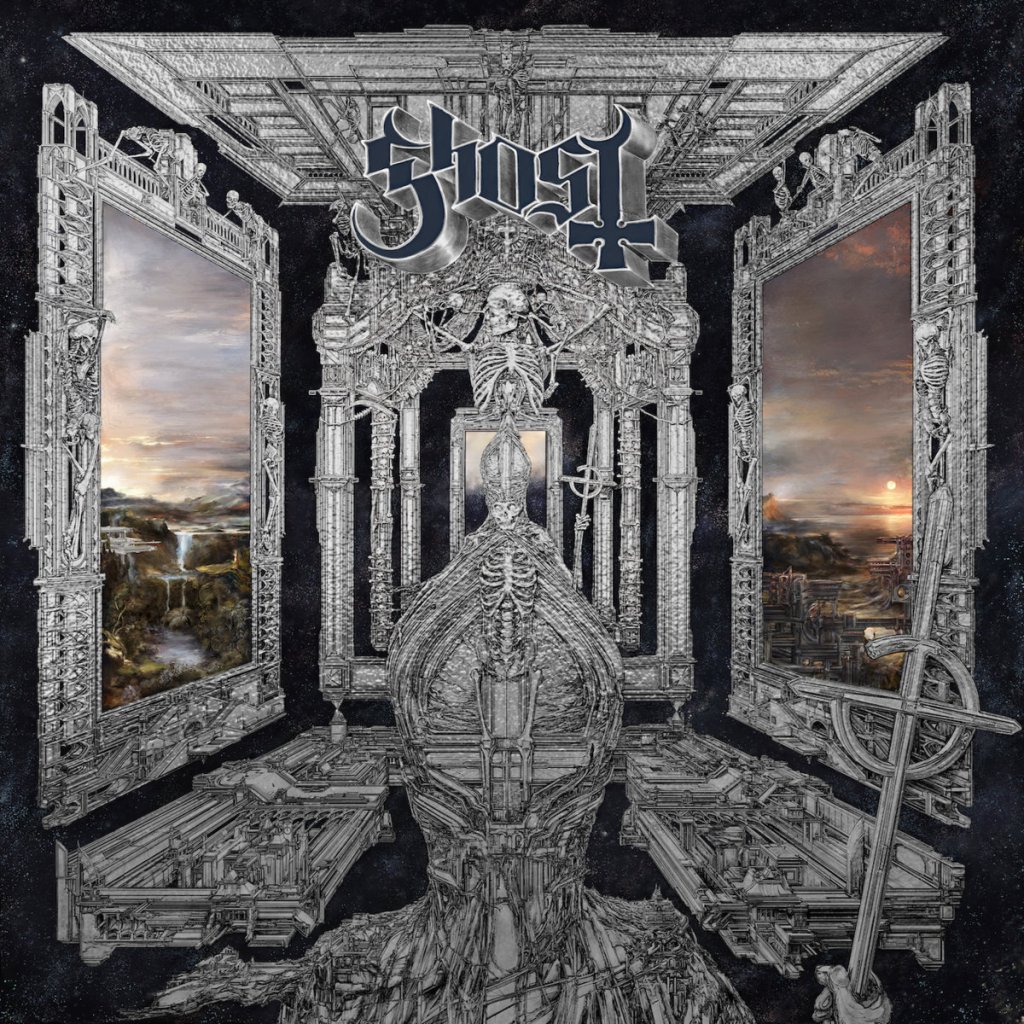
    Skeletá is the newest project by the Swedish heavy metal/arena rock group Ghost, led by lead vocalist Tobias Forge. The group is known for their theatrical approach to their art with Forge portraying the pope of a satanic church and his fellow musicians as nameless ghouls. Skeletá is the sixth studio album from the group and is hot off the heels of their concert film Rite Here Rite Now which released in spring of last year. 

    “Peacefield” opens the new record and era for the group in dramatic fashion with melodic and grandiose riffs alongside Forge’s booming vocals. The track is a clear turning point both sonically and lyrically with more pop-oriented sounds and hooks, a sign of what’s to come later in the track list. Forge did an excellent job of bringing his signature passion and energy to the vocal performance along with fantastic instrumentation that carried that energy well. The same cannot be said about the songwriting here though. “This is what dreams are made of [t]his is what they’re afraid of” is reminiscent of a Disney musical tune, nevertheless, there are far worse offenders later in the record. Notwithstanding this, I didn’t think this track was a terrible opener.

    It’s hard to talk about this project without discussing the first teased single, “Satanized.” Many times, when experiencing new music, it takes a few listens before it really grows on me, but this track had the opposite effect. The more I listen to this song, the less it appeals to me, specifically the choruses. I don’t think it’s a complete flop, as it certainly has its high points. I loved the guitar aesthetics and the solo midway through scratched that 80’s rock/metal itch. Additionally, I thought the Latin chanting in the interlude portion of the song added a nice thematic touch (even if it was brief). While Ghost is known for their theatrics, this track felt too over-the-top and got old quite quickly for me.

    On a more positive note, I found the fifth track, “De Profundis Borealis,” to be quite enjoyable. I loved the soft keys during the intro that gave way to powerful crashing percussion that unfolded through the rest of the track. The choruses and verses felt very well executed, not too over-the-top but still catchy and melodic. It feels like a breath of fresh air coming off the excessive first half of the record. By toning down the theatrics slightly, it let the percussion and lyrics shine in a new and refreshing way. I thought this track was a unique formula tweak that paid off well (which unfortunately cannot be said about the next track discussed) making this track one of my favorites on the record.  

    I don’t think I can discuss this record in good faith without referencing the elephant in the track list, namely, “Missilia Amori.” To put it briefly, this one is rough. There’s nothing groundbreaking instrumentally here with the group’s typical sound and aesthetic. Further, I thought the percussion was quite uninteresting compared to what we heard in “De Profundis Borealis.” Forge has written some lyrics of questionable quality in the past, but “[l]ove rockets, shot right in between your eyes” and “[m]y missiles are aimed to launch at your heart” are certainly strong contenders here. This whole track gives off cheesy 80’s hair-metal vibes in all the wrong ways. If you’re looking for a 4-and-a-half-minute laugh (or cringe) this may be for you.

    The final track I wanted to discuss was “Marks of the Evil One.” This track scratches a unique itch that I had been waiting for throughout the whole record. One reason I love Ghost is Forge’s ability to construct a track around a concept or period (this is especially evident on their previous project, Prequelle). I loved how biblical themes and imagery of death is portrayed here and it is catchy. This track is energetic and is reminiscent of my past favorites from the group. I would kill to see this one performed live as it’s super fun and infectious. 

    Putting it bluntly, this project was a bit disappointing, with its primary weakness being songwriting.  Tracks like “Missilia Amori” were tough listens, and others like “Satanized” played themselves out with how over-the-top they were. Additionally, Forge’s comments leading up to the album, like “I didn’t really put much like regard into trying to write” (Rolling Stone) only soured my perceptions of those tracks. While the instrumentals were fine for the most part, they’re nothing we haven’t seen from a Ghost project in the past. Maybe my strong attachment to previous projects like Impera and Prequelle set my expectations too high for this project, but I just wasn’t wild about it. It is important to note this record is the first of theirs to reach #1 on the Billboard 200, so it’s possible I’m out of touch with these takes. However, I will say that in comparison to those previous projects, the group chemistry doesn’t seem to be quite there. Forge’s comments in Rolling Stone saying “I’m technically a solo artist. I don’t have to think in terms of a group, but everybody needs to understand that my job is a group effort” (Rolling Stone) lead me to believe that that chemistry might be gone for good. Time will tell how the group’s sound evolves but this one just wasn’t it for me. 

  • Revisited: For The First Time – Black Country, New Road

    Revisited: For The First Time – Black Country, New Road

    Words by Jack Foley

    For The First Time (Via Bandcamp)

    Black Country, New Road has been through a lot together as a group. Lead guitarist and vocalist, Isaac Wood, left the group in 2022 at the advent of their sophomore album release, “Ants From Up There,” making much of their catalogue unperformable live. BC,NR have adapted to their new lineup, and released their first record since Isaac left the band. In celebration of new beginnings, I want to revisit their first LP, “For The First Time.” Released in 2021, For The First Time is raw and experimental, but refined compared to their early single releases of some of the same tracks. This is an incredibly underrated album, I believe this record is somewhere near the pinnacle of experimental post-punk coming out of the UK. It has everything–synths, saxophones, jazz influences, tongue-in-cheek references to niche content, and men who look like they would sell Jean-Michel Basquiat clones on the TikTok Shop. 

    Track 1, “Instrumental,” is just as it sounds. The track is likely one of the last things you would expect to hear coming from a post-punk record, yet, somehow it fits well. The track is tense, grandiose, and jazzy with its swung-time feel. This is a statement to set the scene for the remainder of the album. The uneasiness and tension built by this track flows perfectly into the next track, “Athens, France.”

    Athens, France” draws back the heat, but maintains a flickering flame of tension. The song opens with this guitar, drum, bass, minor key syncopated feel with a slower tempo. The mix is tight, and Isaac’s almost frantic vocals tie the atmosphere together. Just as you think the song is about to explode, the buildup of swirling saxophones and chaos cuts, resting on a single F chord. A light ostinato on drums, barely audible, joins, synth droning. A sense of clarity comes out of this, a stoic saxophone accompaniment. The song is reflective, pensive, and introspective. “It’s a one-size-fits-all hardcore cyberfetish, early noughties zine, she sells matcha shots to pay for printing costs and a PR team. She’s recently enlightened, somehow that fazes me…” depicts a critique of upper-class, posh characters who fantasize about being working class, so much so they would rather LARP than be admit their rent is financed by their trust fund. Isaac’s lyrics are incredibly clever, and his lyrical prowess facilitates a world that is easy to step into.

    “Science Fair” has grown on me. Admittedly, this track was a skip for me for quite some time. The lyrics of this track paint a picture of someone who is the embodiment of the following tweet:

    Anyways, despite the personal nature of the track, laden with references I likely will never understand, it managed to make me chuckle in all of the chaos of the music. “Just to think I could have left the fair with my dignity intact, and fled the stage with the world’s second-best Slint tribute act” is comically self-aware; one of the first things I ever thought of when listening to BC,NR, much like many others, was the stark similarity to the now defunct group Slint. Science fair continues, “still living with my mother, while I move from one microinfluencer to another.” I never thought I would ever hear the word “microinfluencer” in a song, to be honest. This line elicited a half-smile upon first listen; it’s a blunt, yet thoughtfully-placed nod to the experience of living in a digital era where social media allows anyone and everyone to be a “celebrity” in some way. Isaac Wood is a mastermind of capturing the aura of social anxiety and depersonalization–the science fair, the embarrassment, burning cheeks. All of this with a voice that sounds calm, yet markedly frantic and terrified at once.

    Sunglasses is my favorite song off of this album. The song starts with this fuzzy guitar, and synth feeding back into itself. Something about the dissonance and ending on this huge open-D chord and going directly into a clean guitar riff just scratches this itch in my brain. The signature guitar riff comes in over the droning synths as the drums kick in, and the verse begins. Again, themes of class are rampant. “…She steams herself in marble rooms, courtesy of pigs” is rather upfront. Note, the lyric was originally “courtesy of big pharma” in the single version. Isaac gazes into the TV that only his girlfriend’s father could afford, while she spends money in excess.

    The girlfriend’s mother is frail and weak, yet forced to appease her husband as she relies on his money. In this moment, Isaac knows that he, himself, is detached from this lifestyle of luxury, “and with frail hands she grips the NutriBullet, and the bite of its blades reminds me of a future that I am in no way part of,“ drives the point that as someone who is not upper class, he cannot relate to their anguish when there is such an excess of “things,” like the items that glow gold, the second living room etc. “In a wall of photographs in the downstairs second living room’s TV area, I become her father, and complain of mediocre theatre in the daytime, and ice in single-malt whiskey at night, rising skirt hems, lowering IQs and ‘things just aren’t built like they used to be,’ the absolute pinnacle of British engineering” pokes at the incessant need for the “old money” class to complain about everything “ruining” the way things were, and long for the days when tax evasion wasn’t needed and gasoline flowed like water. Isaac sees himself turning into something he cannot stand, proclaiming “I am so ignorant now, with all that I have learned.” 

    The song falls apart into controlled chaos, emerging with a time change, and firm, in-your-face guitar. The listener further steps into this persona of Isaac embodying a posh, old man, and delves into a first-person perspective. “I am invincible in these sunglasses… I am looking at you with my best eyes and I wish you could tell, I wish all of my kids would stop dressing up like Richard Hell. I am locked away in a high-tech wraparound translucent blue-tinted fortress and you cannot touch me.  I am invincible in these sunglasses… there are so many roadmen on this street, and they cannot tell that I’m scared.” Here, sunglasses are used as a metaphor to depict how his girlfriend’s father views the working class. When wearing the sunglasses, you feel fear upon seeing “roadmen,” and put up a front of all-encompassing invincibility. You complain about how the younger generation doesn’t dress adequately, name-dropping Richard Hell, the bassist of the early punk outfit Television. Still, despite the blatant truth that the world has changed, you refuse to adapt, and clutch your pearls, hiding in your ivory tower.

    Enough about Sunglasses, I could write a thesis on this song at this point.

    Next on For The First Time is “Track X.” This song takes a different turn sonically. It’s soft and warm, with subtle violin, saxophone, and the same light guitar finger-picking reverberating between your ears. Lyrically, the track focuses on the vague concept of hope. Isaac details his contemplation of suicide, standing on the 18th floor of a building, drunk, thinking about jumping, all the while he recounts his unfinished business, such as proving his father wrong, and how those close to him would react to the grizzly sight. He decides to leave things open ended, the chorus stating “I guess, in some way-” this line acts like an unfinished interjection, indicating that there’s something worth living for, even if it means struggling for it. The title “Track X” itself indicates something unfinished, a placeholder to be revisited at another time.  It alludes to the outcome of the song, wherein he has left the his fate open-ended, unfinished.

    The final track on For The First Time is “Opus.” This song comes in with a somber set of duetting saxophones, building up into a syncopated minor key piece with polyrhythmic components. The excitement quickly dies down into the verse, but eventually picks back up with a fury of arpeggiating saxophones dueling for your attention. This song is a great example of the whiplash you can experience listening to Black Country, New Road.  To be honest, I have never been an avid listener of “Opus,” but I can appreciate it for what it is. 

    The group is not afraid of experimentation, and I am excited to hear where their music will go next with this latest album. Black Country, New Road is resilient, and their ability to persevere is certainly indicative of their future success.

  • Equus Asinus: Breathing in the Breeze

    Equus Asinus: Breathing in the Breeze

    Written by Trishna Chettiar

    Equus Asinus – Men I Trust (via Bandcamp)

    Genre: Indie pop, dream pop, soft rock, subtle jazz
    Length: 14 tracks- 44min


    There is a certain magic to Men I Trust’s music— an unhurried grace, an ability to create entire worlds out of whispered melodies and feather-light grooves. With Equus Asinus, the Montreal trio once again proves that subtlety is their greatest strength. Drifting effortlessly between indie, soft rock, and jazz influences, the album is a dreamscape bathed in muted pastels. A soundtrack for quiet contemplation and late-afternoon light filtering through half-open blinds.

    (more…)
  • GALLERY & REVIEW: Friko – A&R Music Bar, Columbus, OH, 3/14/25

    GALLERY & REVIEW: Friko – A&R Music Bar, Columbus, OH, 3/14/25

    Photos and Words by Jack Foley

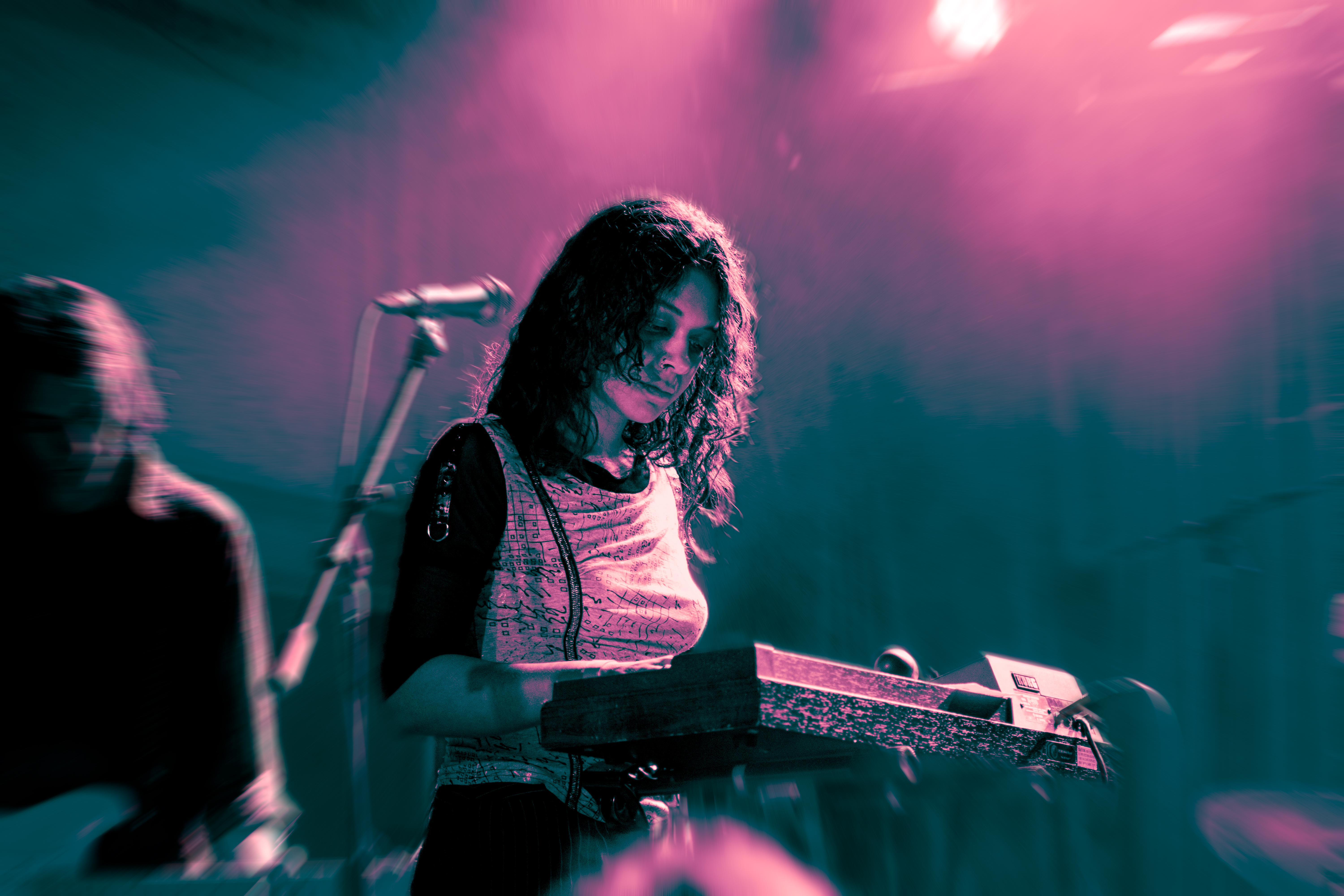
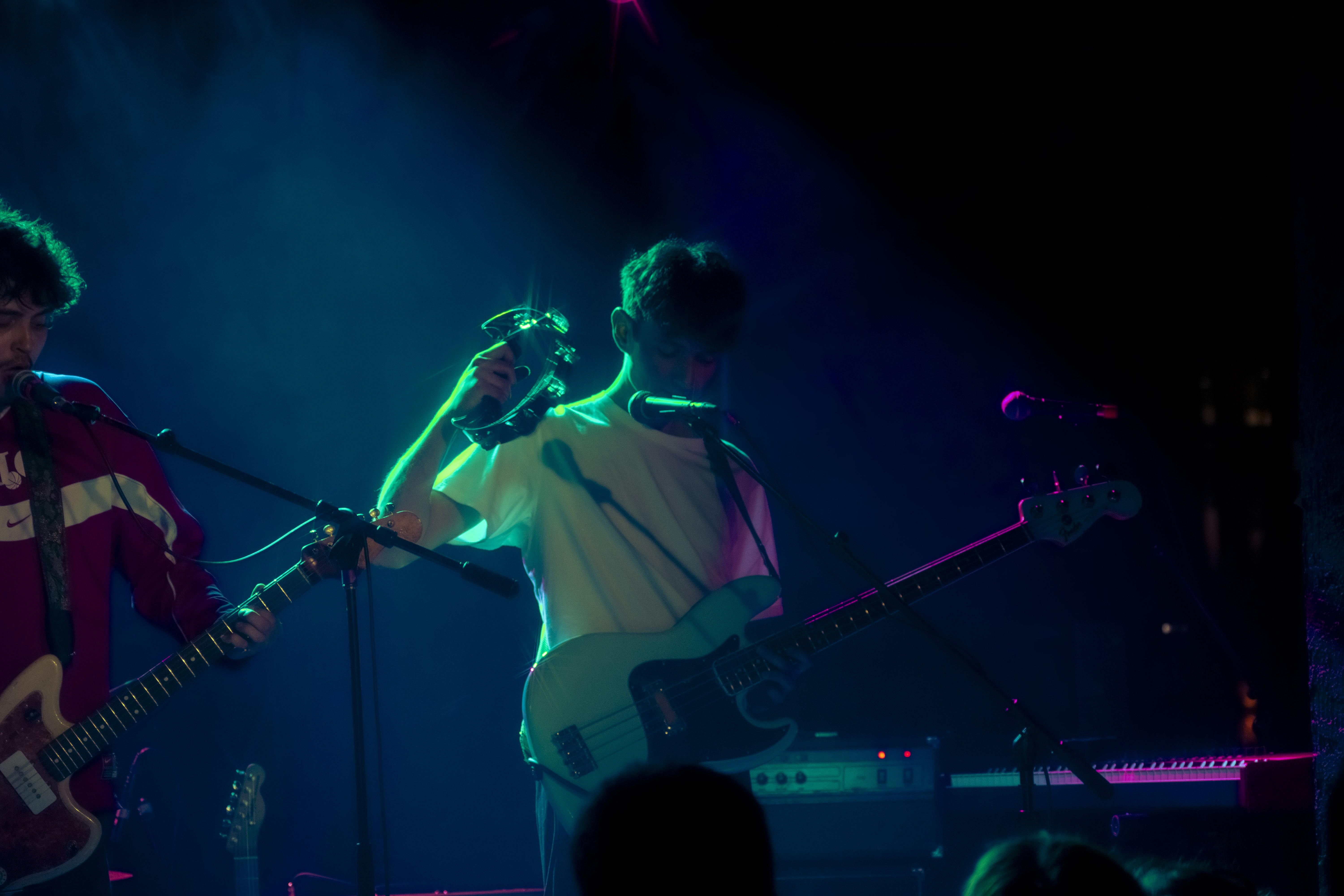
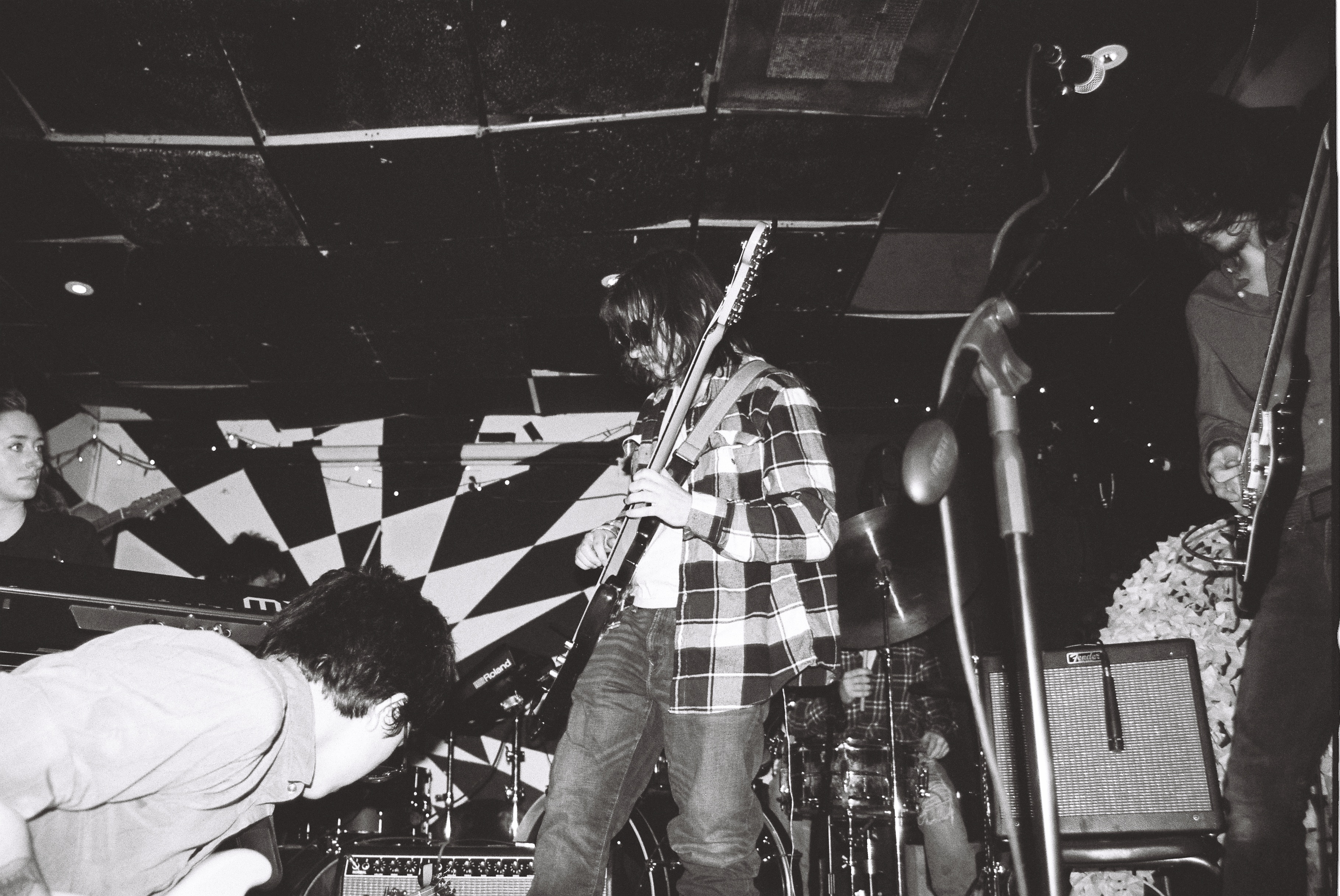
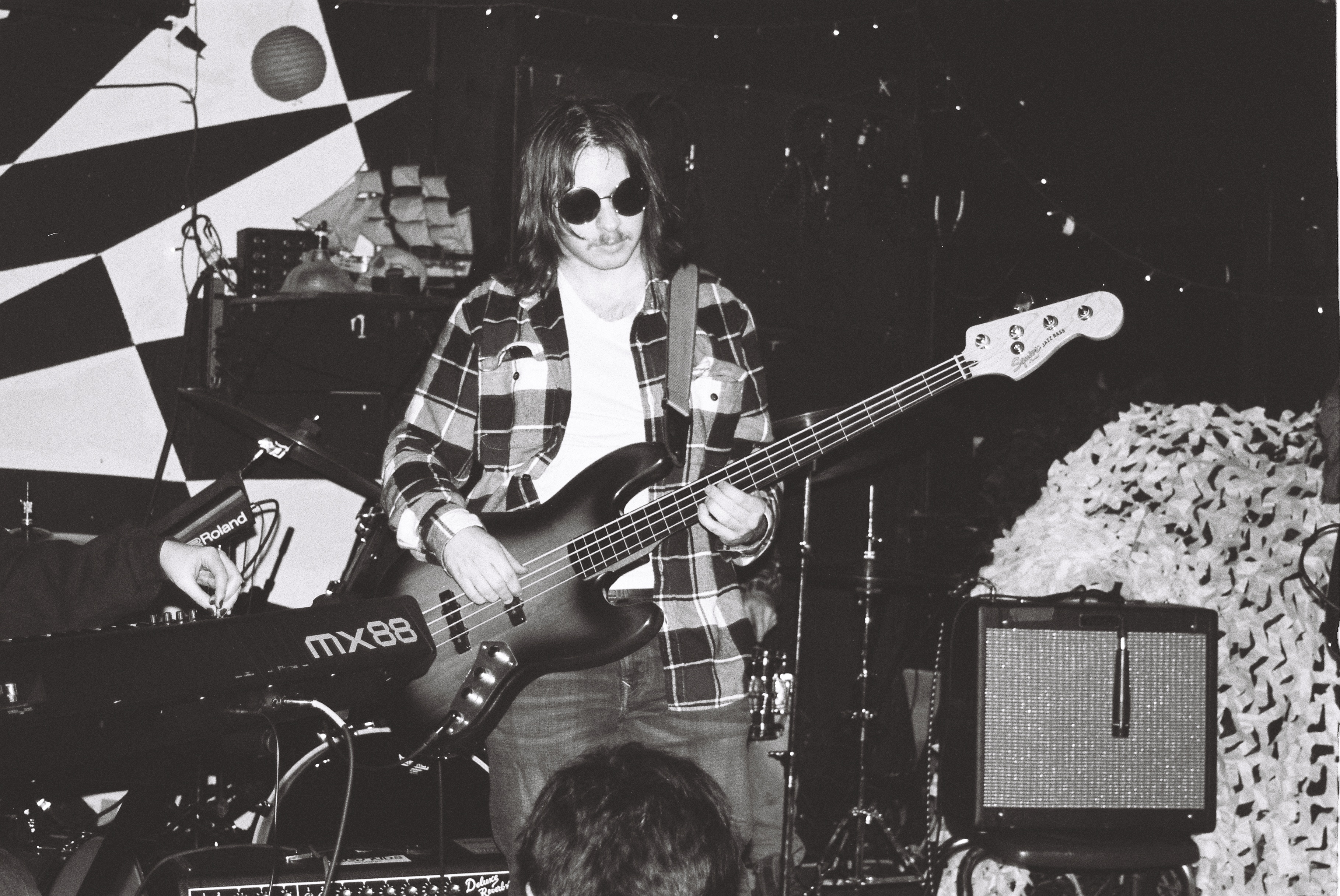
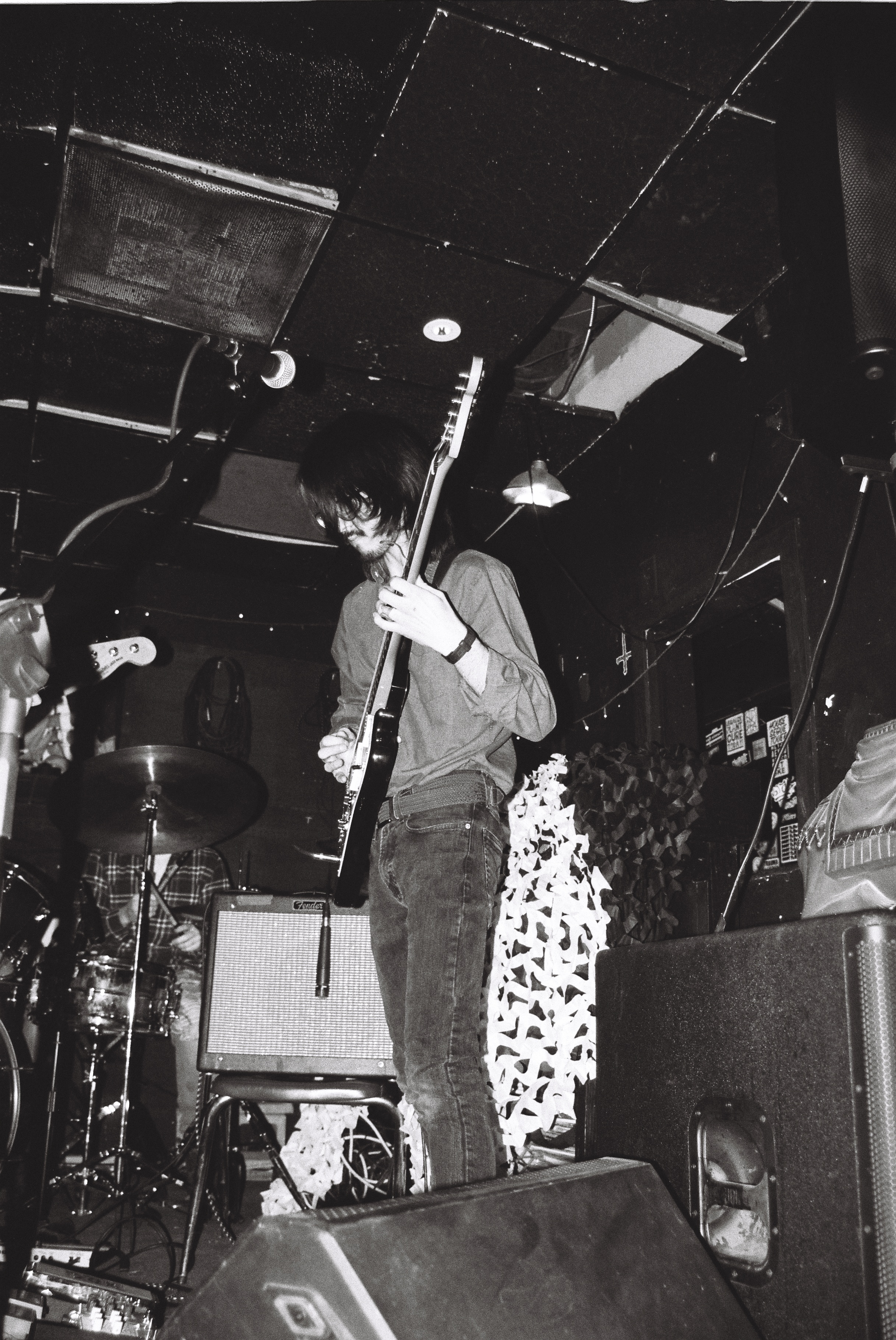
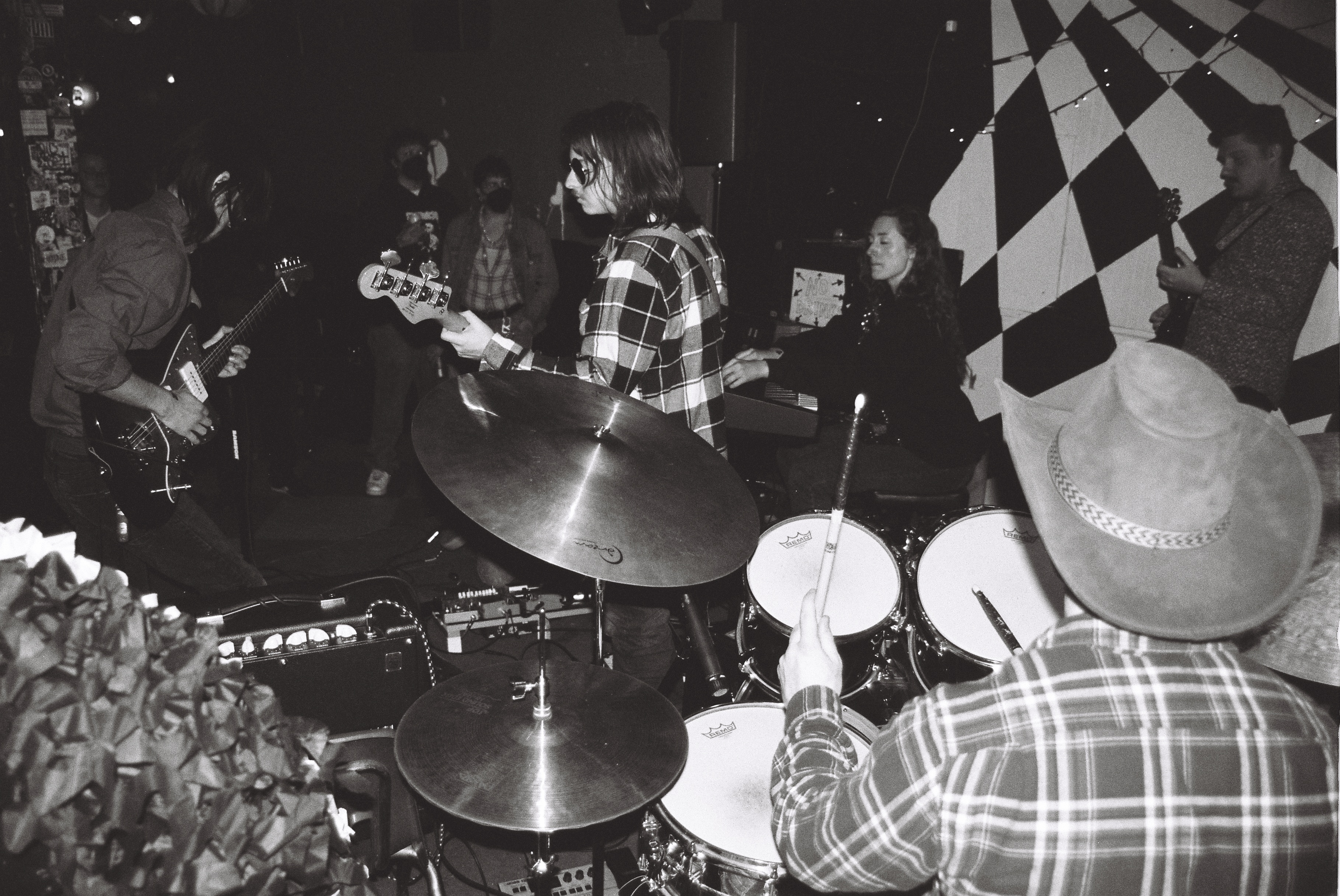
    In my opinion, Pi Day is one of the most underrated holidays–an excuse to indulge in one of the finest desserts to grace the face of the Earth. Pie is only as good as its topping, whether whipped cream, ice cream, or some other confectionary. For me, seeing Friko’s electric performance at A&R Music Bar in Columbus, OH was the perfect way to top off the symbolic beginning of spring.

    Starcleaner Reunion

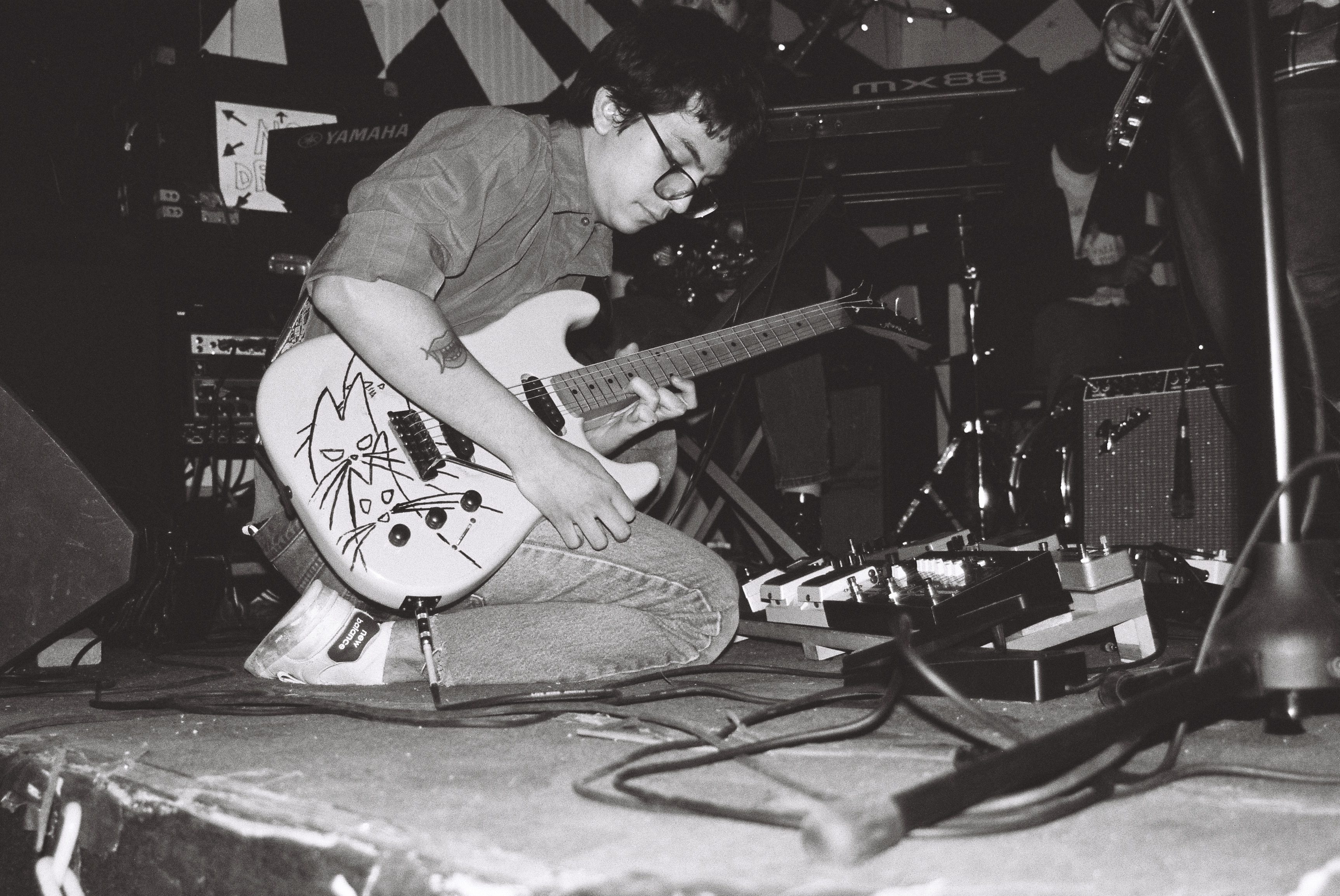
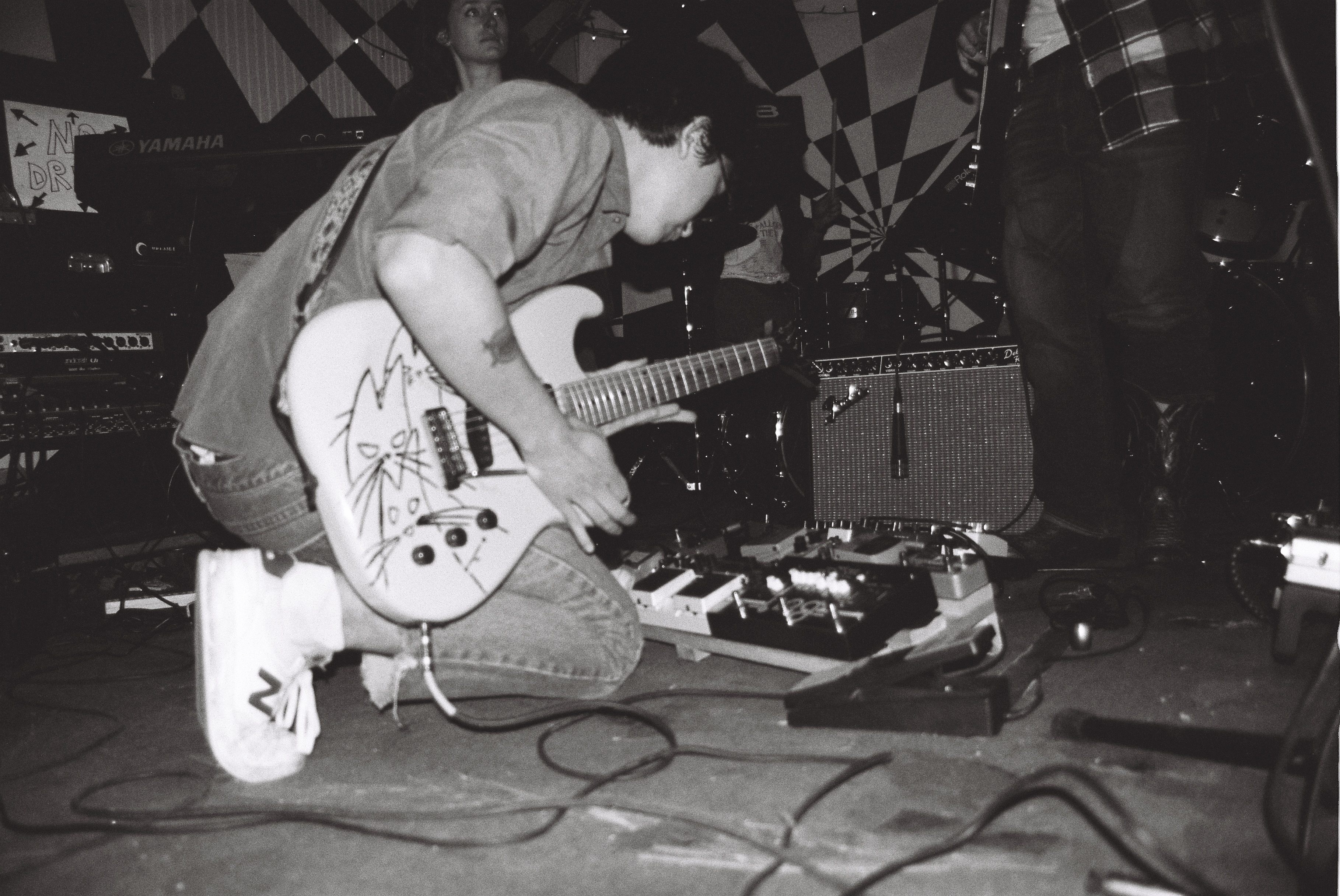
    Starcleaner Reunion was a pleasant surprise. Their sound is complex and pulls from several different genres, occupying its own niche somewhere at the crossroads of avant-pop and psychedelia. I want to say that they sound like Tame Impala’s Innerspeaker (2010) if the reverb and fuzz were scaled back, plus a few diminished chords and more of a quasi-jazz influence. My personal favorite track to hear was “Snowfeel” for its unique chord progressions and layered upon arpeggios with a signature Fender Stratocaster twang that you could recognize instantly. I would love to see Starcleaner Reunion again, and highly recommend checking out their latest album, Cafe Life, while unwinding on a warm evening watching the sunset. Trust me, it will set the perfect atmosphere.

    Friko

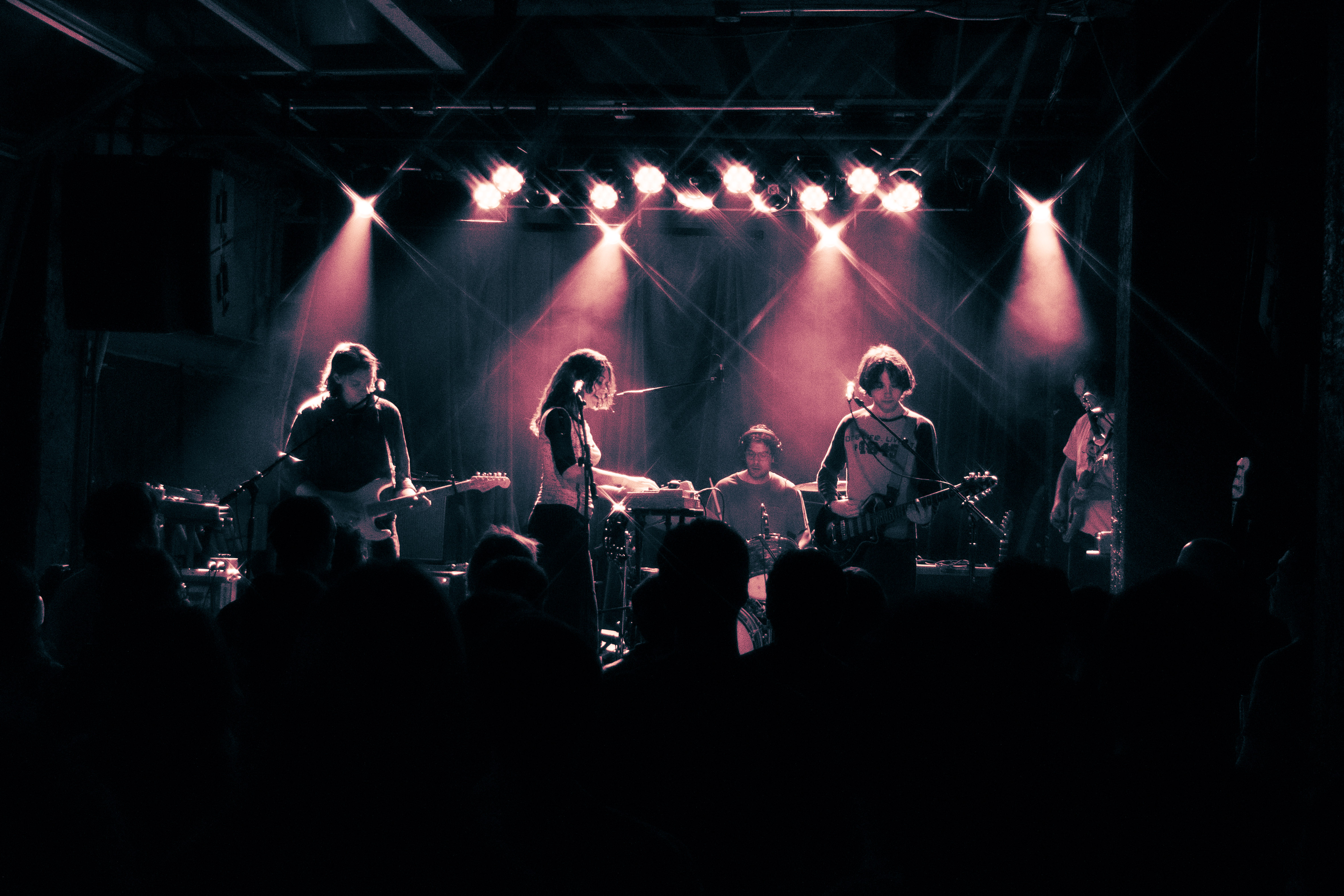
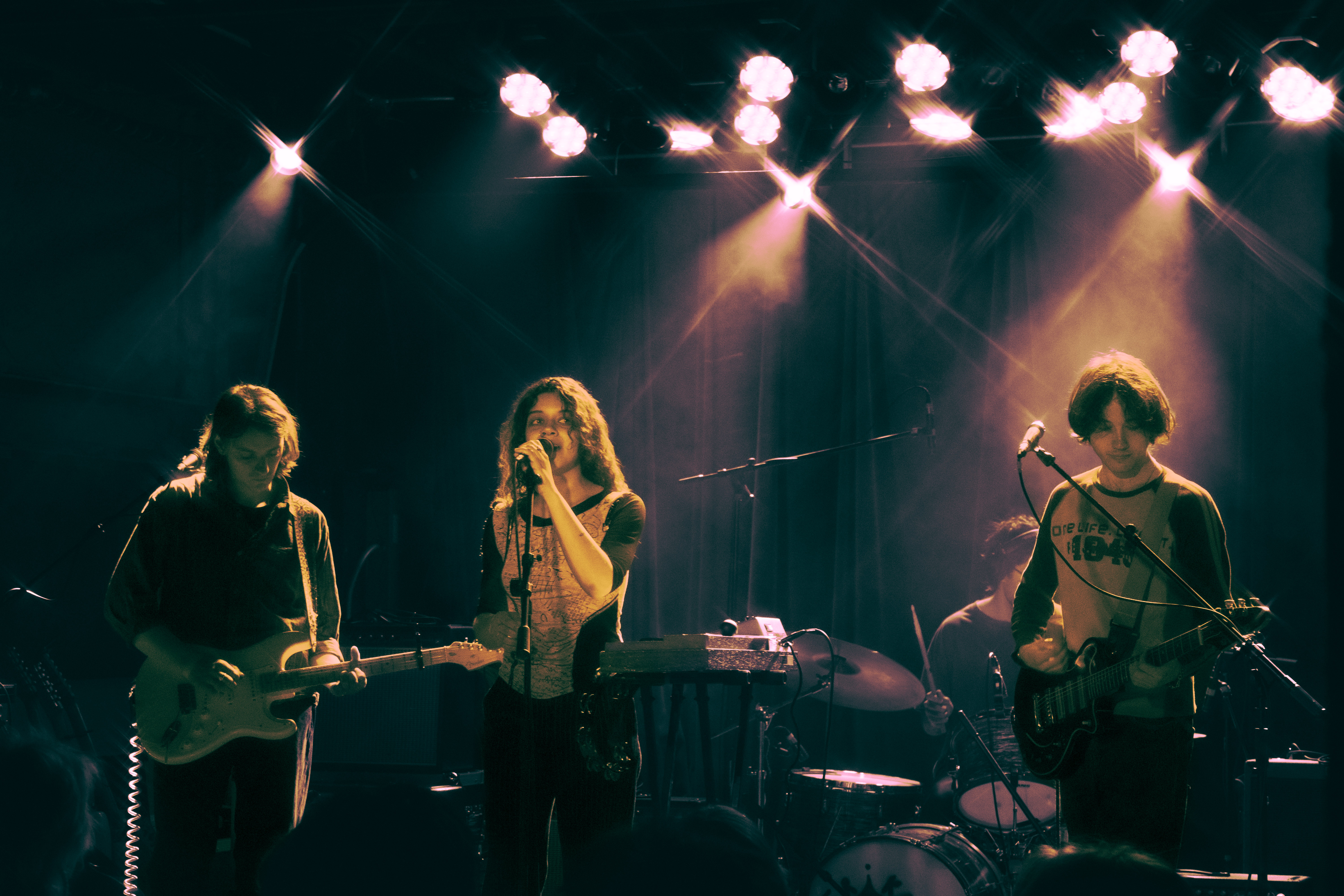
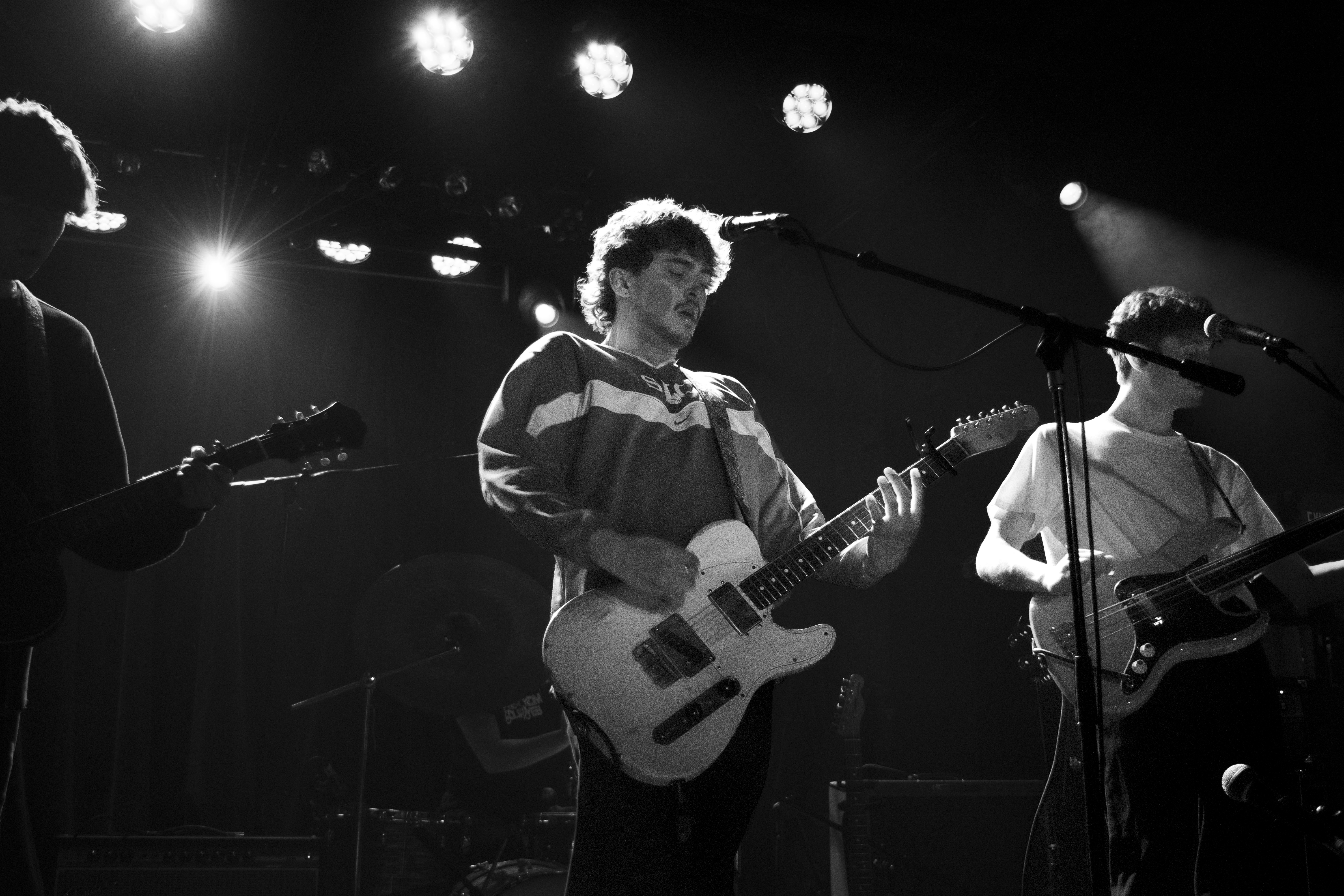
    After a break on the patio, one beer, and a conversation about 35mm photography, Friko hit the ground running and delivered an hour-long set with no breaks. It was an hour of pure, raw energy and excitement. Lead singer, Niko Kapetan, has one of the most impressive vocal ranges I have heard live, and is sure to stun. The group has incredible chemistry, their stage presence and energy unwavering despite the lack of air conditioning on the first 80-degree day in Columbus, Ohio.

    Friko is an incredibly underrated band in terms of both their musical prowess and stage presence. It felt almost impossible to not move along to the music, no matter how soft the song. The band played several songs that are unreleased at this time, and I eagerly await the release of these tracks. The band previously released their album “Where we’ve been, Where we go from here” in February of 2024. Their set was an incredible amalgamation of their discography and unreleased songs that have been in the works for quite some time.

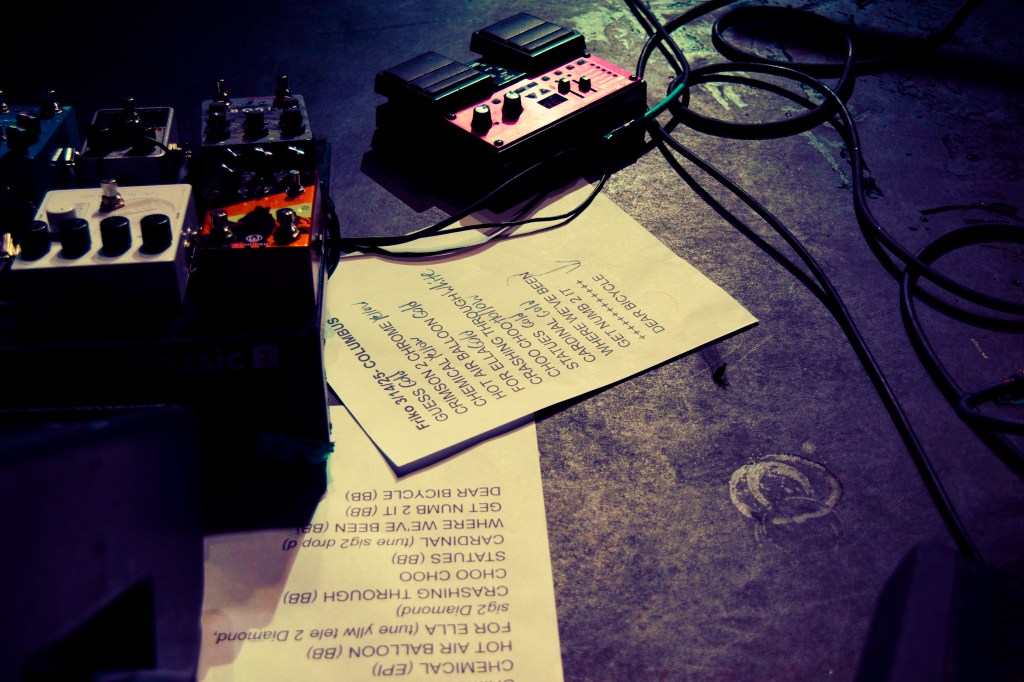
    Two songs that stood out to me the most during the set were Cardinal, and Choo Choo. Cardinal took my breath away–the ability of a band like Friko to move from such a heavy, emotional sound to a singer-songwriter piece blew me away. The whistling with full vibrato was a plus, but Niko’s vocals genuinely gave me chills.

    Choo Choo is an unreleased song, simply stated as being “a song about trains.”

    “Period ” I say to myself

    What follows is a total banger that, I only described in my notes app as “‘Choo Choo’ insert raw ass beats.” I couldn’t bear to be on my phone for any longer during such an incredible set, so you’ll just have to take my word for it that Friko is an artist to catch if they come through your city. Friko has some impeccable work on deck for release, and I say this with my whole chest, I believe they are going to become incredibly successful in the near future. If you are a fan of artists such as Black Country, New Road, or English Teacher, you will enjoy their American counterparts.

  • Automatic by The Lumineers:  Melancholy in Motion

    Automatic by The Lumineers: Melancholy in Motion

    Written by Trishna Chettiar

    Automatic – The Lumineers via Dualtone Music Group

    Genres: Alternative/Indie

    Length: 11 tracks- 32m

    Features: None

    The Lumineers have long been known for their ability to craft emotionally rich albums that never overstay their welcome. Unlike many modern artists who push their albums past the hour mark, The Lumineers have consistently kept their records concise, ensuring that every song serves a purpose. Automatic, their fifth studio album, follows this tradition, clocking in at just under 35 minutes. Yet within that relatively short runtime, the band manages to explore deep themes of change, nostalgia, and the passage of time, all while subtly expanding their aural palette.

    Unlike some of their previous records, which leaned heavily on grand, cinematic storytelling, Automatic feels more personal. Themes of transformation, reminiscence, and disillusionment run throughout the album, painting a picture of a band reflecting on their past while grappling with an uncertain future. The lyrics, often poetic and vivid, create a sense of longing—whether for simpler times, lost connections, or a world that feels increasingly out of reach.

    The title track, Automatic, serves as the album’s thematic centerpiece. It explores the tension between the need for control and the inevitability of change, all set against hypnotic instrumentals. The track’s repetitious, almost mechanical rhythm mirrors the feeling of life moving forward regardless of our efforts to hold onto the past.

    The album’s opener, Same Old Song, immediately sets the tone with its melancholic yet uplifting energy. It juxtaposes a lively rhythm with introspective lyrics about struggling to break free from patterns and expectations. This contrast between bright instrumentation and weighty subject matter is a recurring motif throughout the album.

    One of the most poignant tracks, You’re All I Got, is a stripped-down ballad that highlights the band’s ability to craft deeply personal narratives. The song captures feelings of desperation and devotion, with frontman Wesley Schultz’s raw vocals carrying a sense of vulnerability that resonates long after the final note fades.

    Plasticine is another highlight, offering a haunting meditation on identity and conformity. The song’s ethereal production, complete with distant harmonies and a slow-building crescendo, makes it one of the most sonically adventurous pieces on the album.

    Instrumentals also play a crucial role in shaping the album’s mood. Tracks like Strings and Sunflowers serve as reflective interludes, allowing listeners to absorb the emotional weight of the surrounding songs. These moments of musical introspection add depth and cohesion to the album as a whole.

    While The Lumineers have always embraced a raw, acoustic-driven sound, Automatic takes a more atmospheric approach. The production feels looser and more organic, as if the songs were captured in spontaneous moments rather than meticulously crafted in a studio. This sense of immediacy adds authenticity to the record, making it feel like a direct window into the band’s current state of mind.

    At times, the arrangements lean into subtle electronic elements, nothing too drastic, but enough to create a sense of depth and space. The use of reverb-drenched piano, ambient textures, and layered harmonies gives the album a dreamlike quality, reminiscent of artists like Bon Iver or Sufjan Stevens.

    However, despite these expansions, the band never strays too far from their roots. Acoustic guitar remains the backbone of many songs, and Schultz’s distinctively earnest vocal delivery continues to be the driving force behind the band’s emotional impact.

    Like any artistic evolution, Automatic may divide listeners. Some longtime fans might miss the immediate, foot-stomping energy of their early hits, while others will appreciate the maturity and depth that this album brings. It’s less about catchy hooks and more about mood, reflection, and storytelling.

    One potential critique is that some tracks feel intentionally subdued, almost hesitant to reach for the anthemic heights of past records. While this restraint adds to the album’s overall introspective tone, it might leave some listeners craving a more dynamic payoff.

    Still, the album’s ability to evoke emotion is undeniable. The final track, So Long, is a beautifully melancholic farewell that lingers in the mind long after the music stops. It serves as a fitting conclusion to an album that embraces change, nostalgia, and the fleeting nature of time. Automatic is a testament to The Lumineers’ growth as artists. It’s a quieter, more contemplative album that rewards repeated listens, revealing new layers with each spin. While it may not have the immediate accessibility of their past work, it offers something arguably more valuable: a deeper emotional connection.

  • REVIEW: Youth Lagoon – “Rarely Do I Dream”

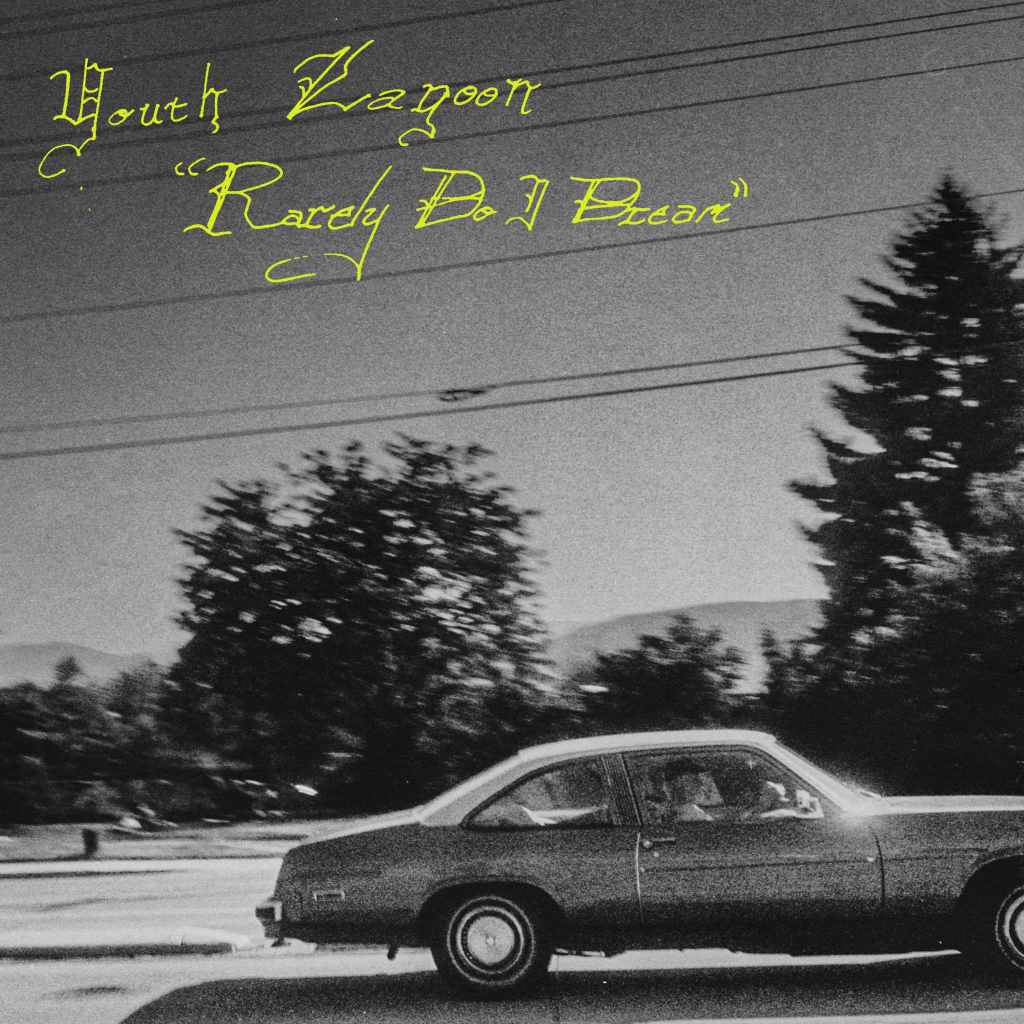
    REVIEW: Youth Lagoon – “Rarely Do I Dream”

    Written by Jack Foley

    Rarely Do I Dream – Youth Lagoon , Fat Possum
    (more…)
  • ALBUM REVIEW: Horsegirl – Phonetics On and On

    ALBUM REVIEW: Horsegirl – Phonetics On and On

    Words: Jack Foley

    Horsegirl – Credit: Eliza Callahan via Matador Records

    Horsegirl released their sophomore effort, Phonetics On and On, on February 14th, 2025. The Chicago-based trio’s first LP, Versions of Modern Performance, has a sound reminiscent of Sonic Youth with a heavier shoegaze influence, and less dissonance. The group has explored a new sound markedly different from their first record. Horsegirl has stripped back the reverb and fuzz, embracing clean, twangy guitars, violins, and the lost art of simplicity to make a jangle pop record with infectious melodies inspired by acts such as The Velvet Underground.

    (more…)