Genre: Indie pop, dream pop, soft rock, subtle jazz Length: 14 tracks- 44min
There is a certain magic to Men I Trust’s music— an unhurried grace, an ability to create entire worlds out of whispered melodies and feather-light grooves. With Equus Asinus, the Montreal trio once again proves that subtlety is their greatest strength. Drifting effortlessly between indie, soft rock, and jazz influences, the album is a dreamscape bathed in muted pastels. A soundtrack for quiet contemplation and late-afternoon light filtering through half-open blinds.
The Lumineers have long been known for their ability to craft emotionally rich albums that never overstay their welcome. Unlike many modern artists who push their albums past the hour mark, The Lumineers have consistently kept their records concise, ensuring that every song serves a purpose. Automatic, their fifth studio album, follows this tradition, clocking in at just under 35 minutes. Yet within that relatively short runtime, the band manages to explore deep themes of change, nostalgia, and the passage of time, all while subtly expanding their aural palette.
Unlike some of their previous records, which leaned heavily on grand, cinematic storytelling, Automatic feels more personal. Themes of transformation, reminiscence, and disillusionment run throughout the album, painting a picture of a band reflecting on their past while grappling with an uncertain future. The lyrics, often poetic and vivid, create a sense of longing—whether for simpler times, lost connections, or a world that feels increasingly out of reach.
The title track, Automatic, serves as the album’s thematic centerpiece. It explores the tension between the need for control and the inevitability of change, all set against hypnotic instrumentals. The track’s repetitious, almost mechanical rhythm mirrors the feeling of life moving forward regardless of our efforts to hold onto the past.
The album’s opener, Same Old Song, immediately sets the tone with its melancholic yet uplifting energy. It juxtaposes a lively rhythm with introspective lyrics about struggling to break free from patterns and expectations. This contrast between bright instrumentation and weighty subject matter is a recurring motif throughout the album.
One of the most poignant tracks, You’re All I Got, is a stripped-down ballad that highlights the band’s ability to craft deeply personal narratives. The song captures feelings of desperation and devotion, with frontman Wesley Schultz’s raw vocals carrying a sense of vulnerability that resonates long after the final note fades.
Plasticine is another highlight, offering a haunting meditation on identity and conformity. The song’s ethereal production, complete with distant harmonies and a slow-building crescendo, makes it one of the most sonically adventurous pieces on the album.
Instrumentals also play a crucial role in shaping the album’s mood. Tracks like Strings and Sunflowers serve as reflective interludes, allowing listeners to absorb the emotional weight of the surrounding songs. These moments of musical introspection add depth and cohesion to the album as a whole.
While The Lumineers have always embraced a raw, acoustic-driven sound, Automatic takes a more atmospheric approach. The production feels looser and more organic, as if the songs were captured in spontaneous moments rather than meticulously crafted in a studio. This sense of immediacy adds authenticity to the record, making it feel like a direct window into the band’s current state of mind.
At times, the arrangements lean into subtle electronic elements, nothing too drastic, but enough to create a sense of depth and space. The use of reverb-drenched piano, ambient textures, and layered harmonies gives the album a dreamlike quality, reminiscent of artists like Bon Iver or Sufjan Stevens.
However, despite these expansions, the band never strays too far from their roots. Acoustic guitar remains the backbone of many songs, and Schultz’s distinctively earnest vocal delivery continues to be the driving force behind the band’s emotional impact.
Like any artistic evolution, Automatic may divide listeners. Some longtime fans might miss the immediate, foot-stomping energy of their early hits, while others will appreciate the maturity and depth that this album brings. It’s less about catchy hooks and more about mood, reflection, and storytelling.
One potential critique is that some tracks feel intentionally subdued, almost hesitant to reach for the anthemic heights of past records. While this restraint adds to the album’s overall introspective tone, it might leave some listeners craving a more dynamic payoff.
Still, the album’s ability to evoke emotion is undeniable. The final track, So Long, is a beautifully melancholic farewell that lingers in the mind long after the music stops. It serves as a fitting conclusion to an album that embraces change, nostalgia, and the fleeting nature of time. Automatic is a testament to The Lumineers’ growth as artists. It’s a quieter, more contemplative album that rewards repeated listens, revealing new layers with each spin. While it may not have the immediate accessibility of their past work, it offers something arguably more valuable: a deeper emotional connection.
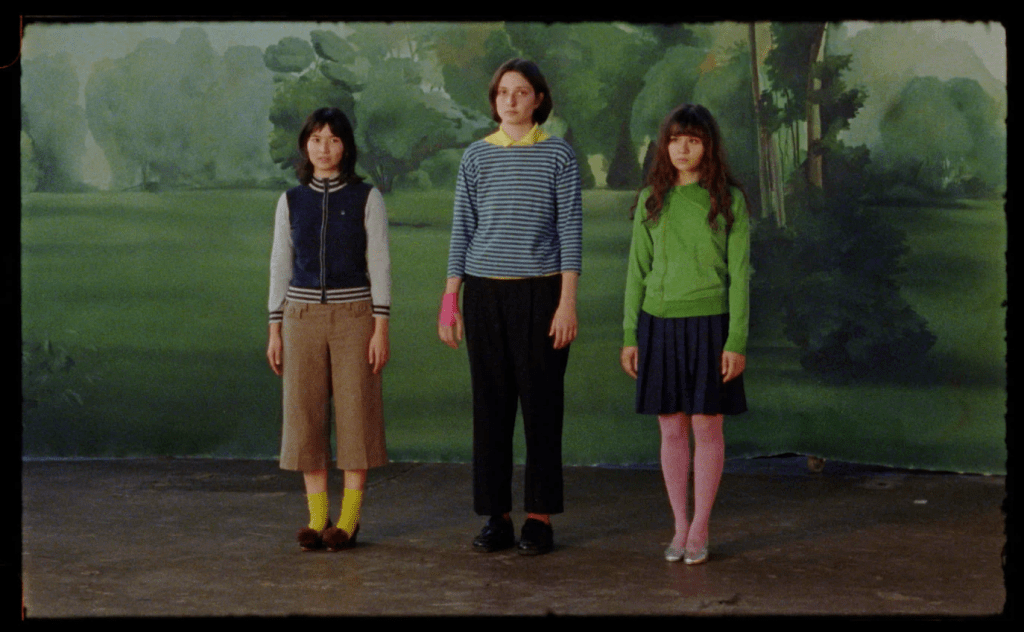
Horsegirl released their sophomore effort, Phonetics On and On, on February 14th, 2025. The Chicago-based trio’s first LP, Versions of Modern Performance, has a sound reminiscent of Sonic Youth with a heavier shoegaze influence, and less dissonance. The group has explored a new sound markedly different from their first record. Horsegirl has stripped back the reverb and fuzz, embracing clean, twangy guitars, violins, and the lost art of simplicity to make a jangle pop record with infectious melodies inspired by acts such as The Velvet Underground.





 Polyvox Magazine
